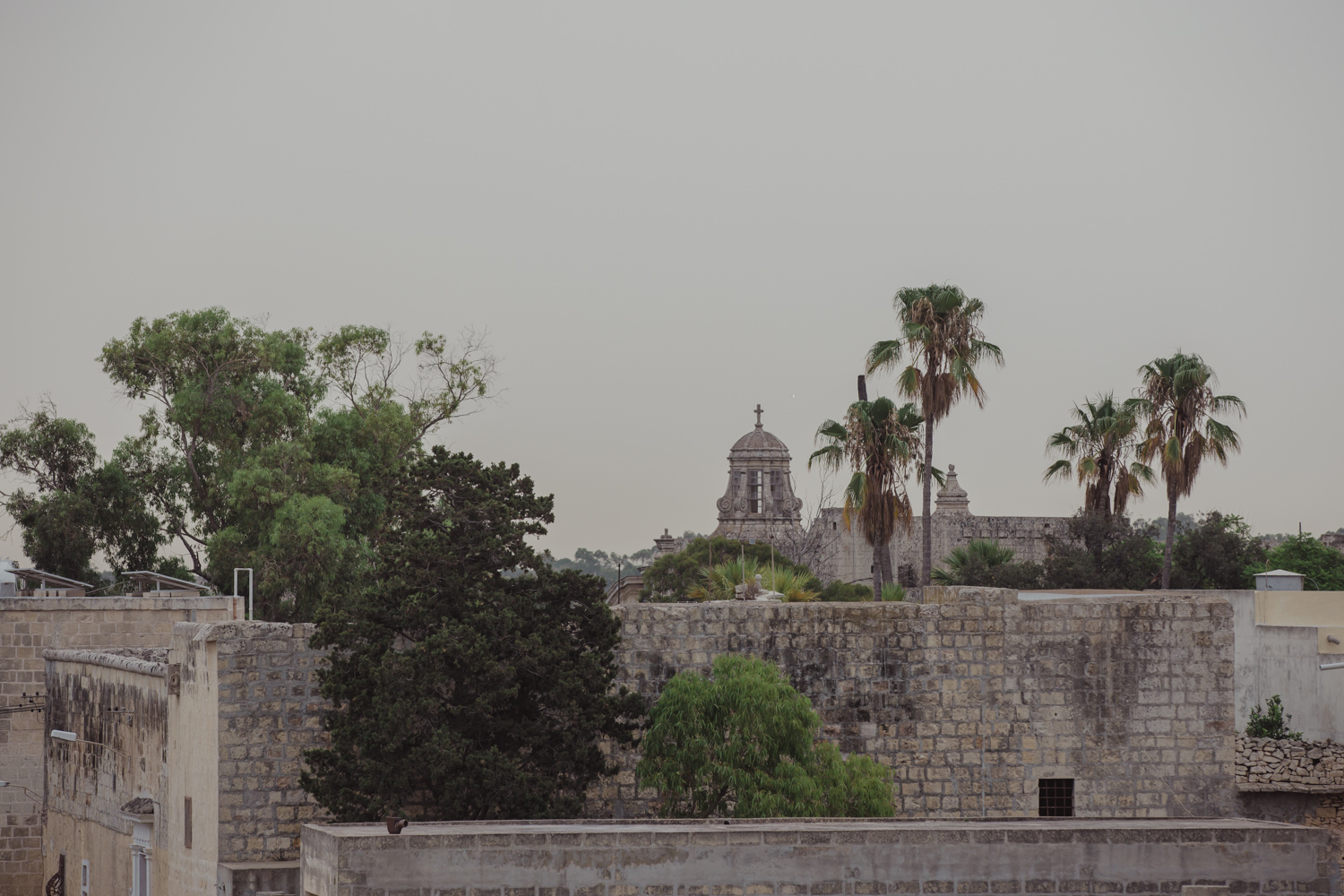
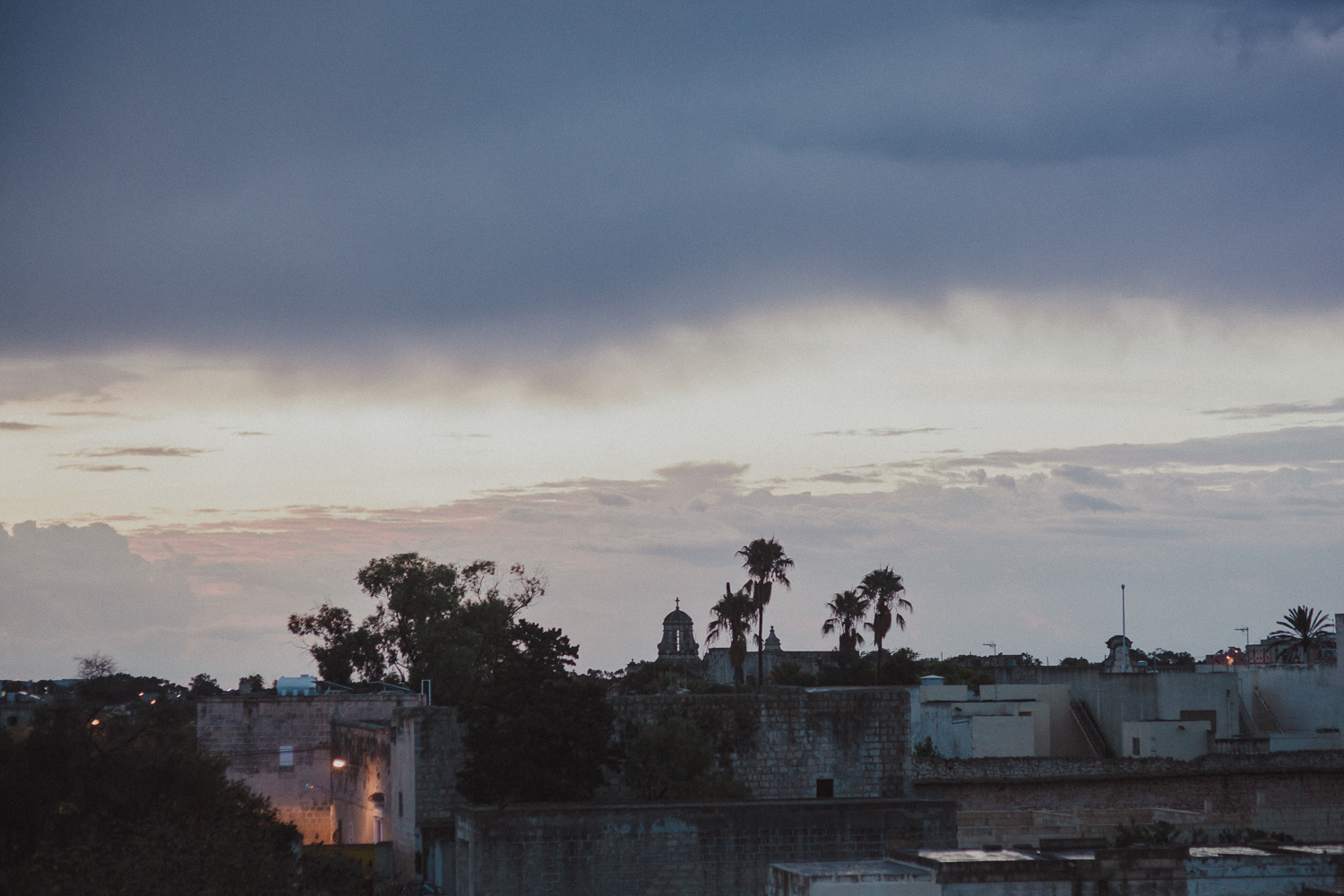
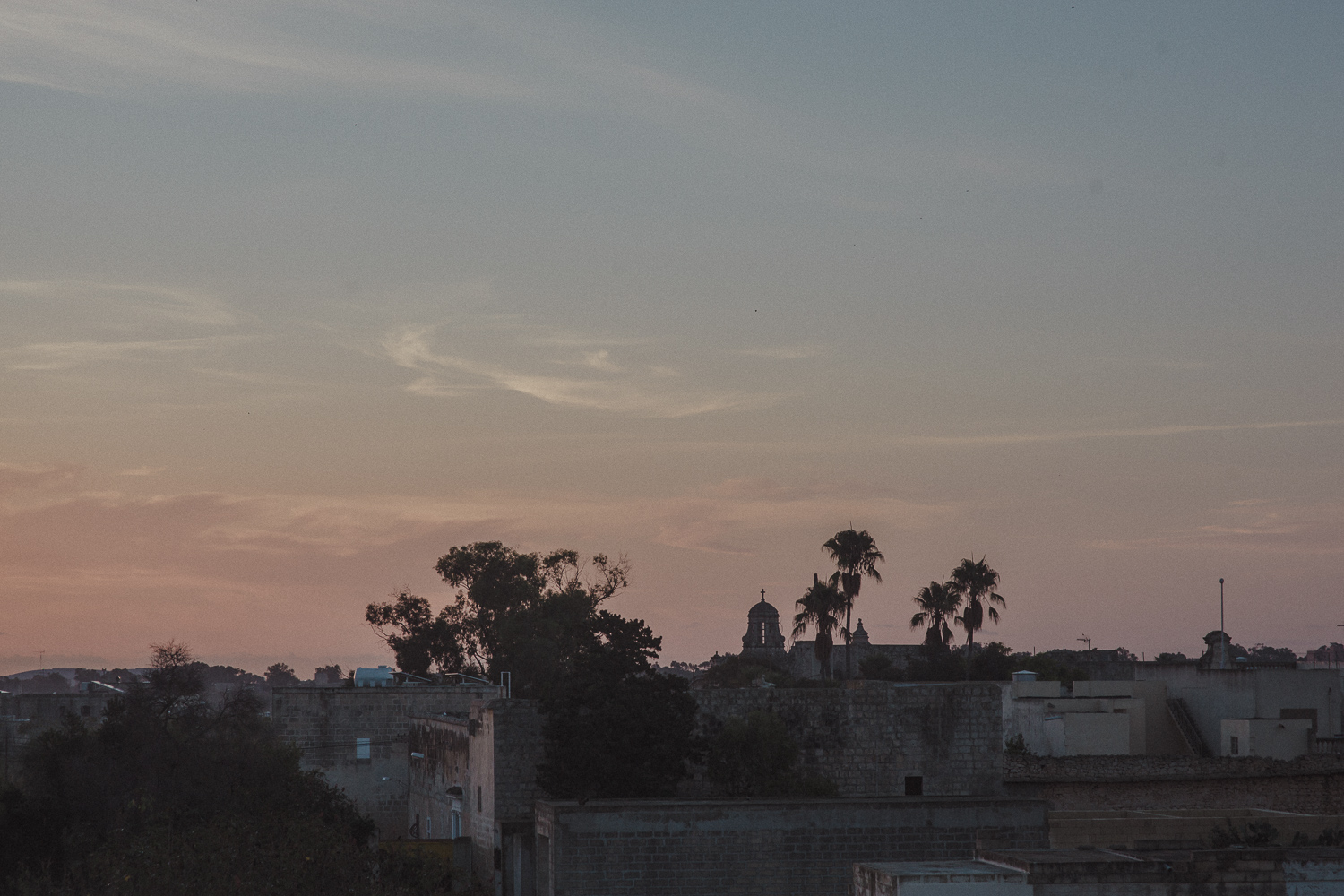
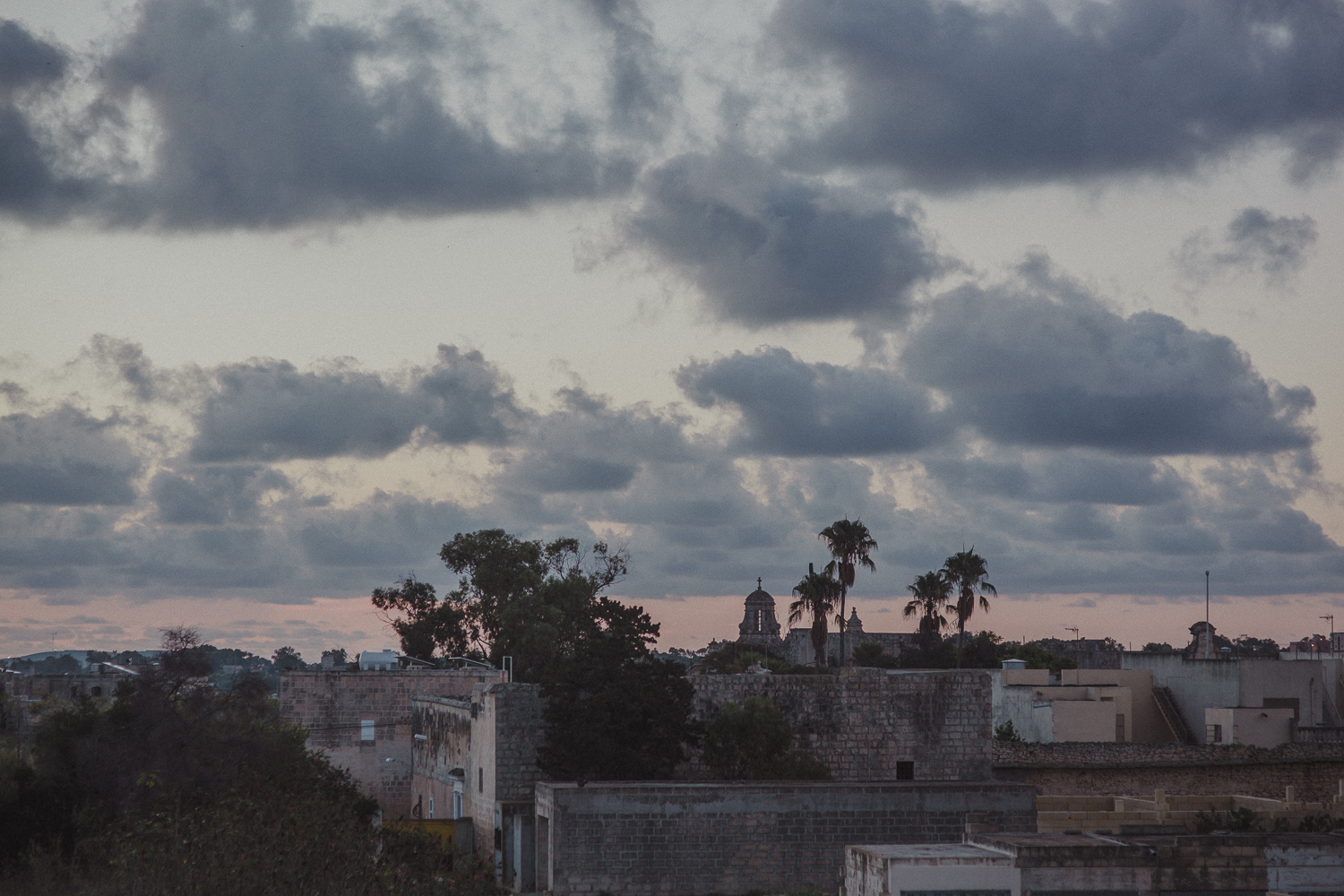
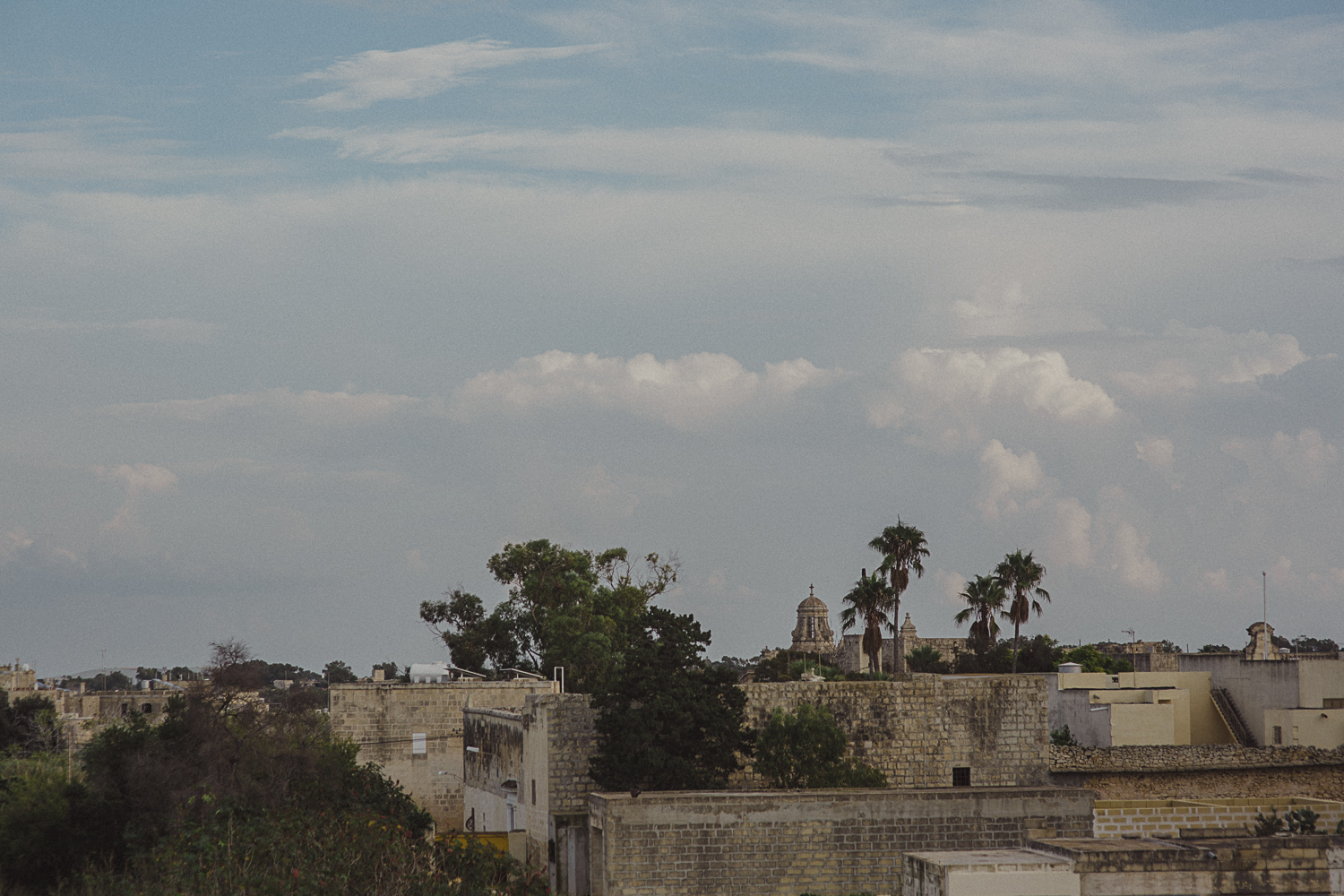
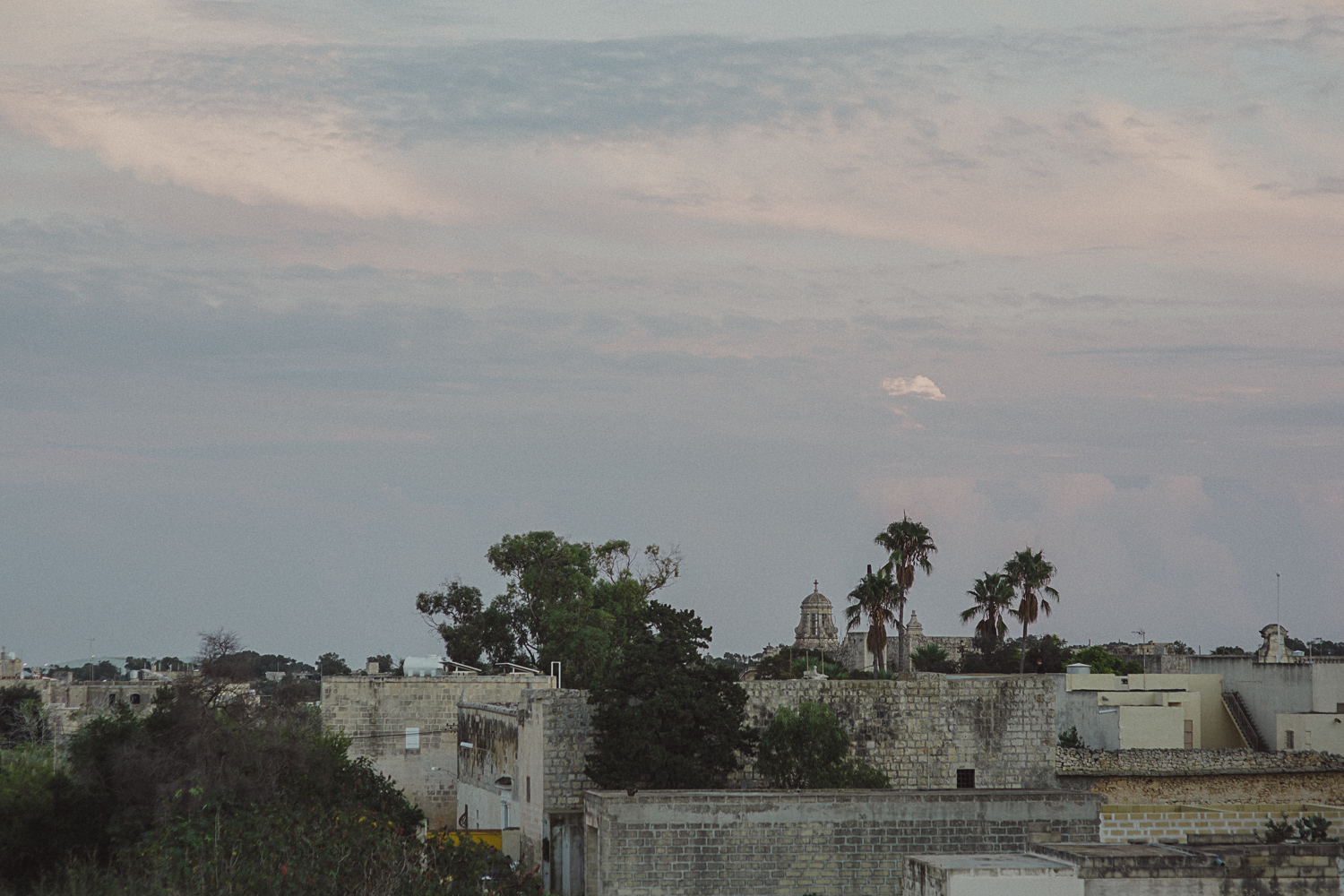
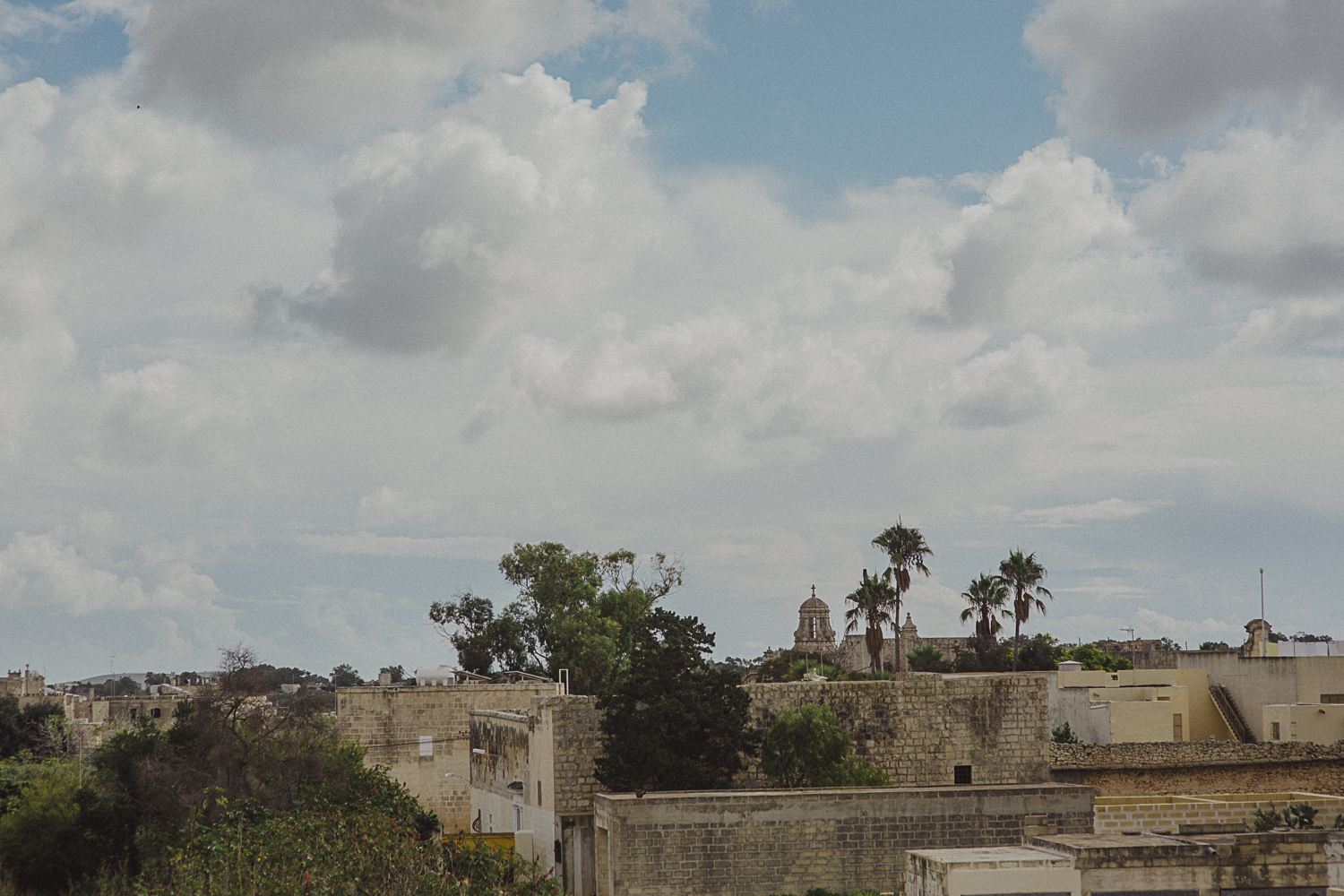
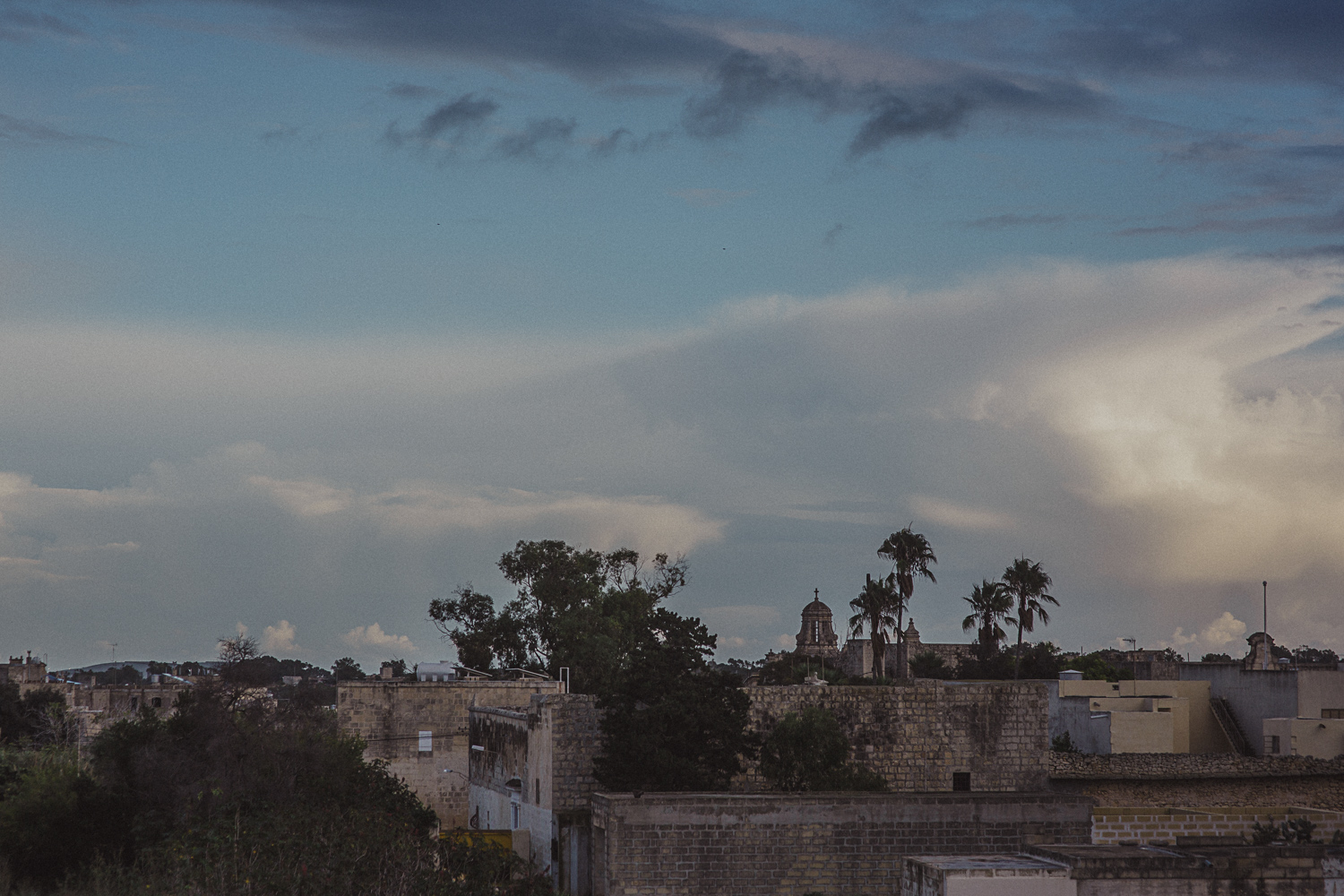
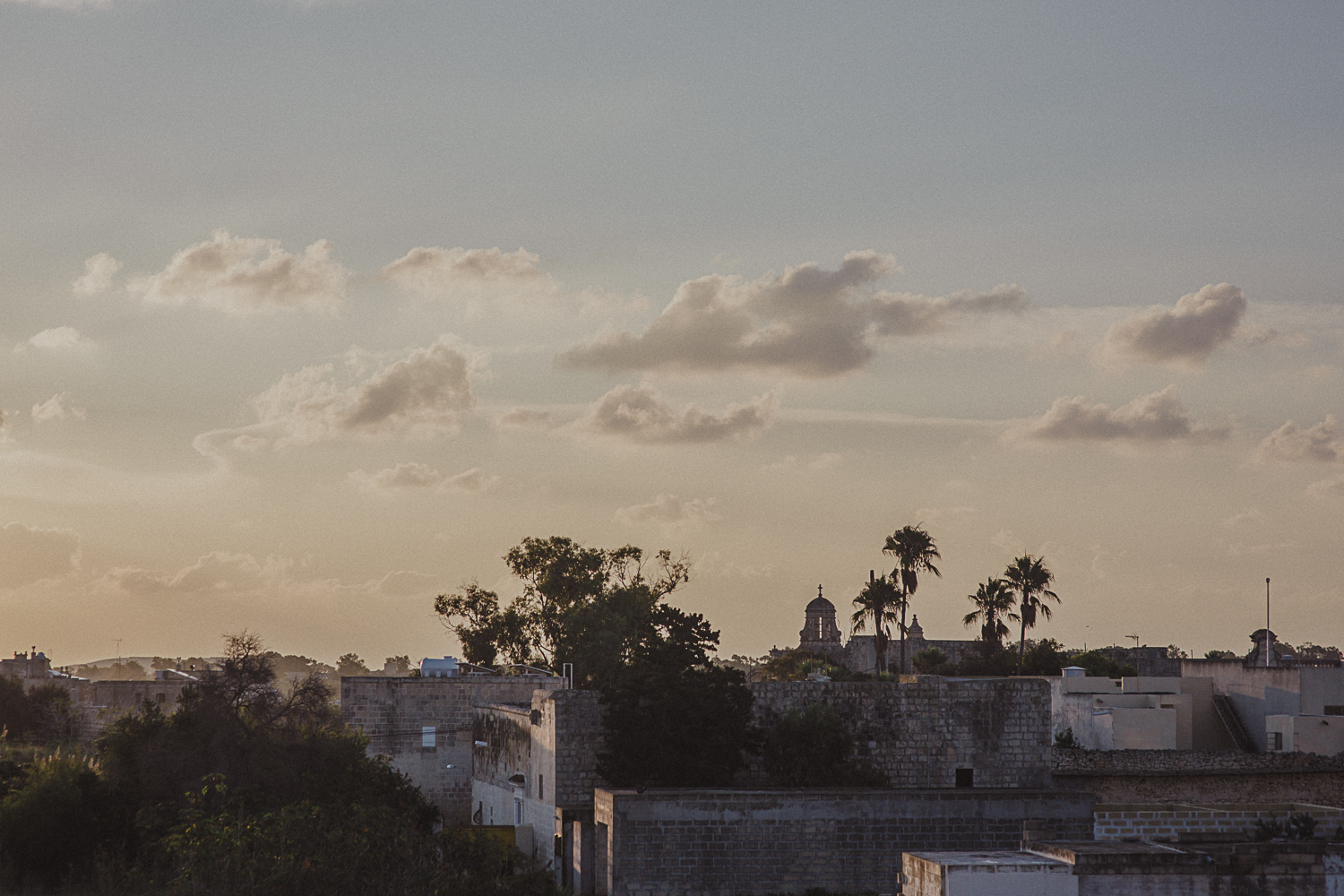
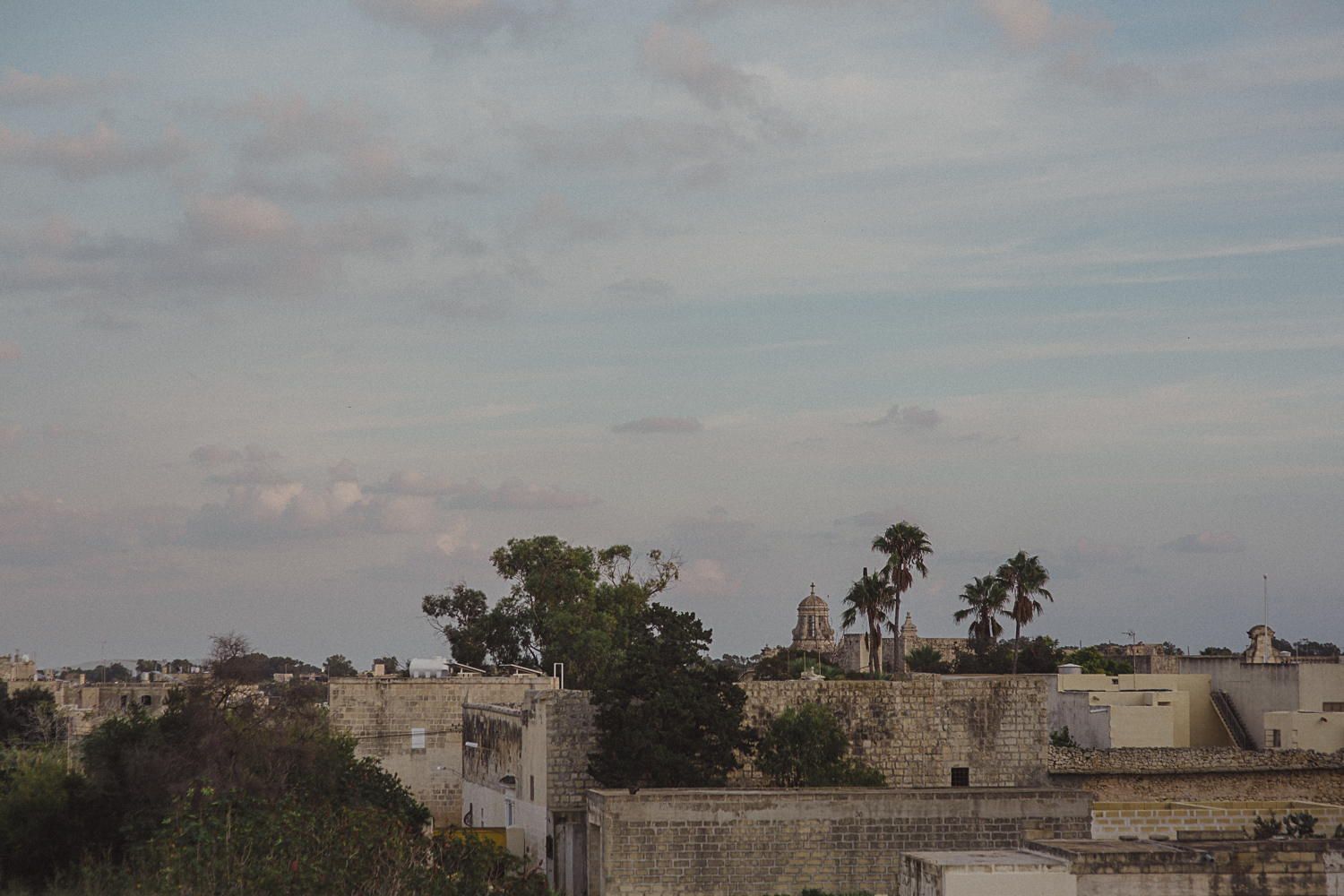
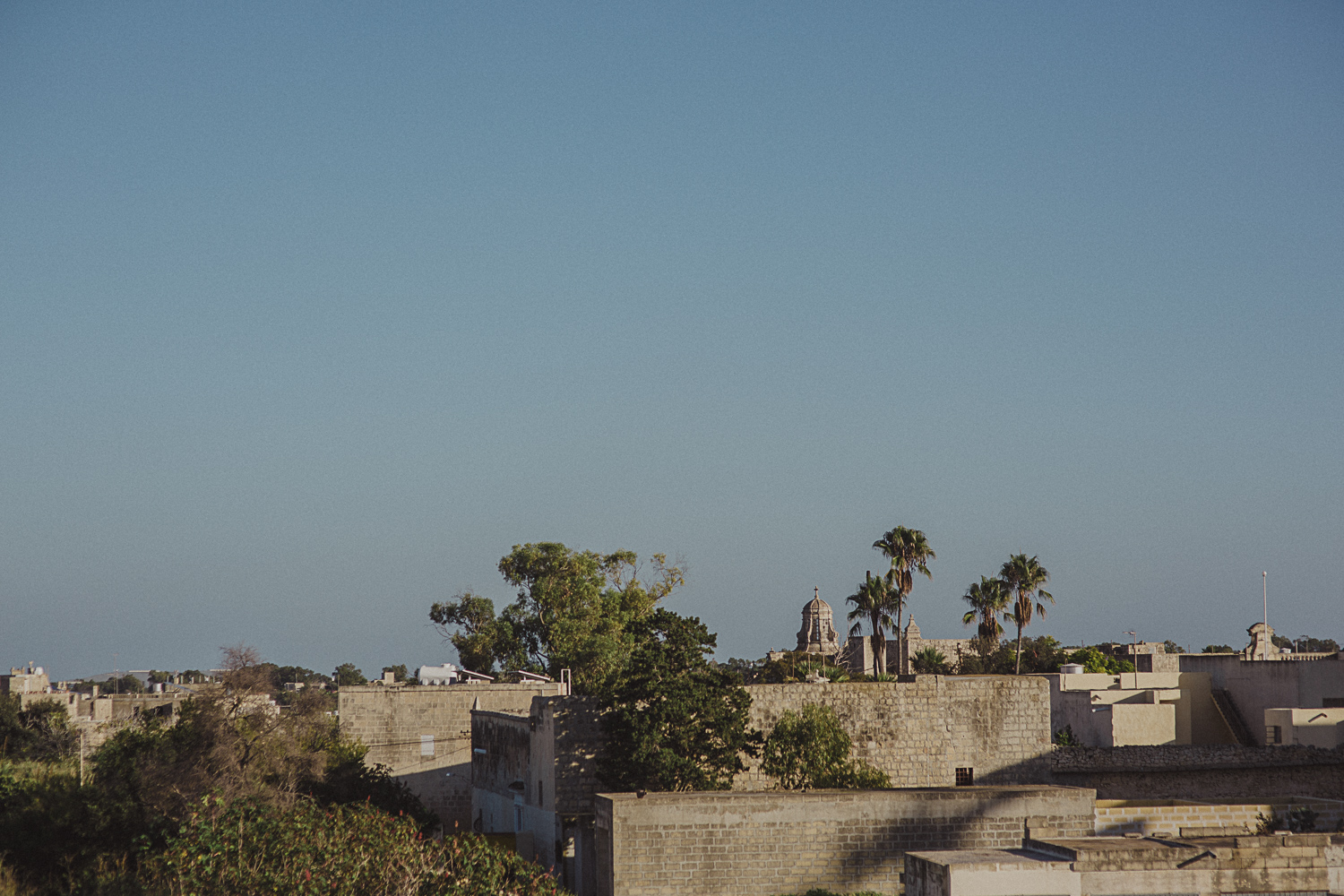
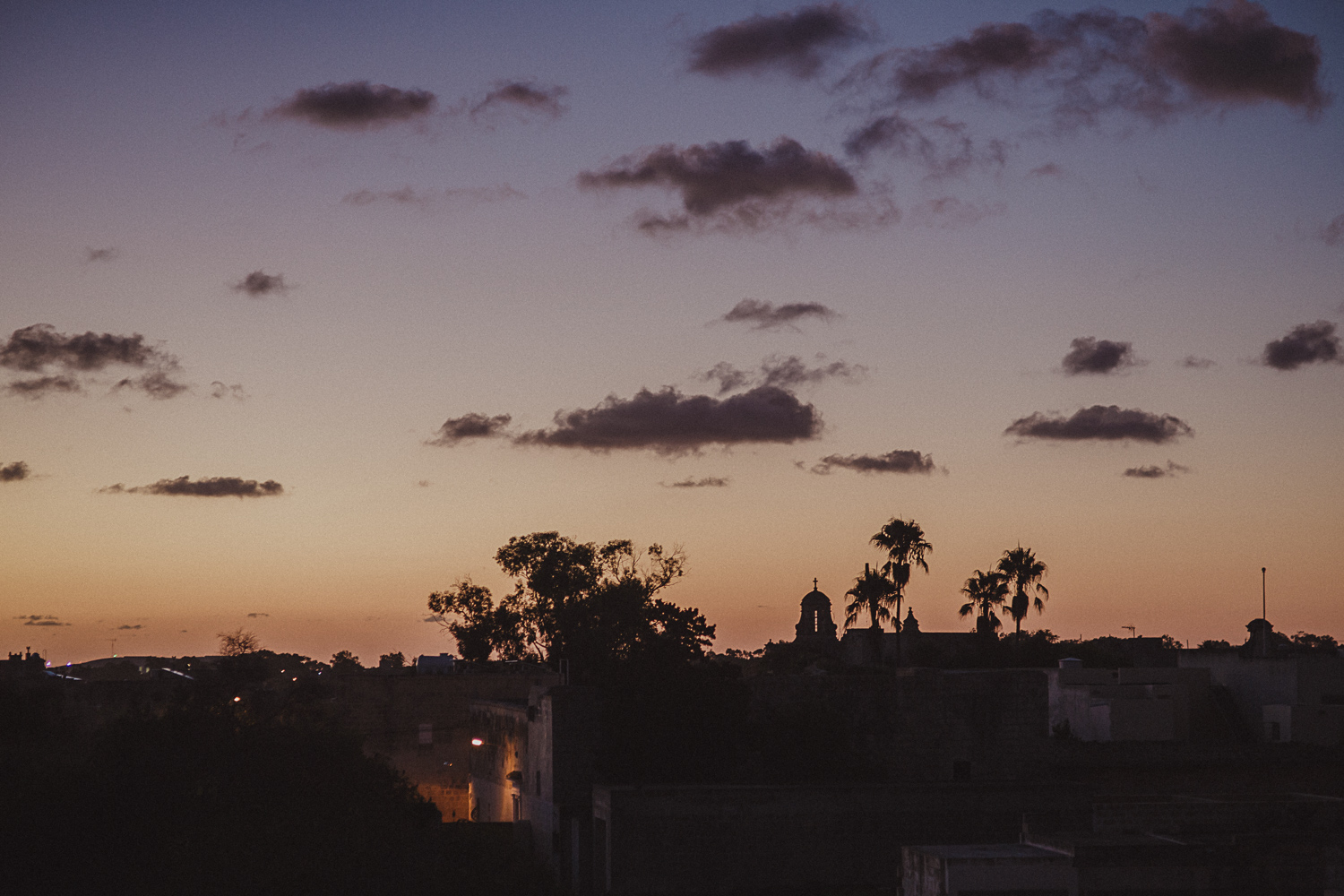
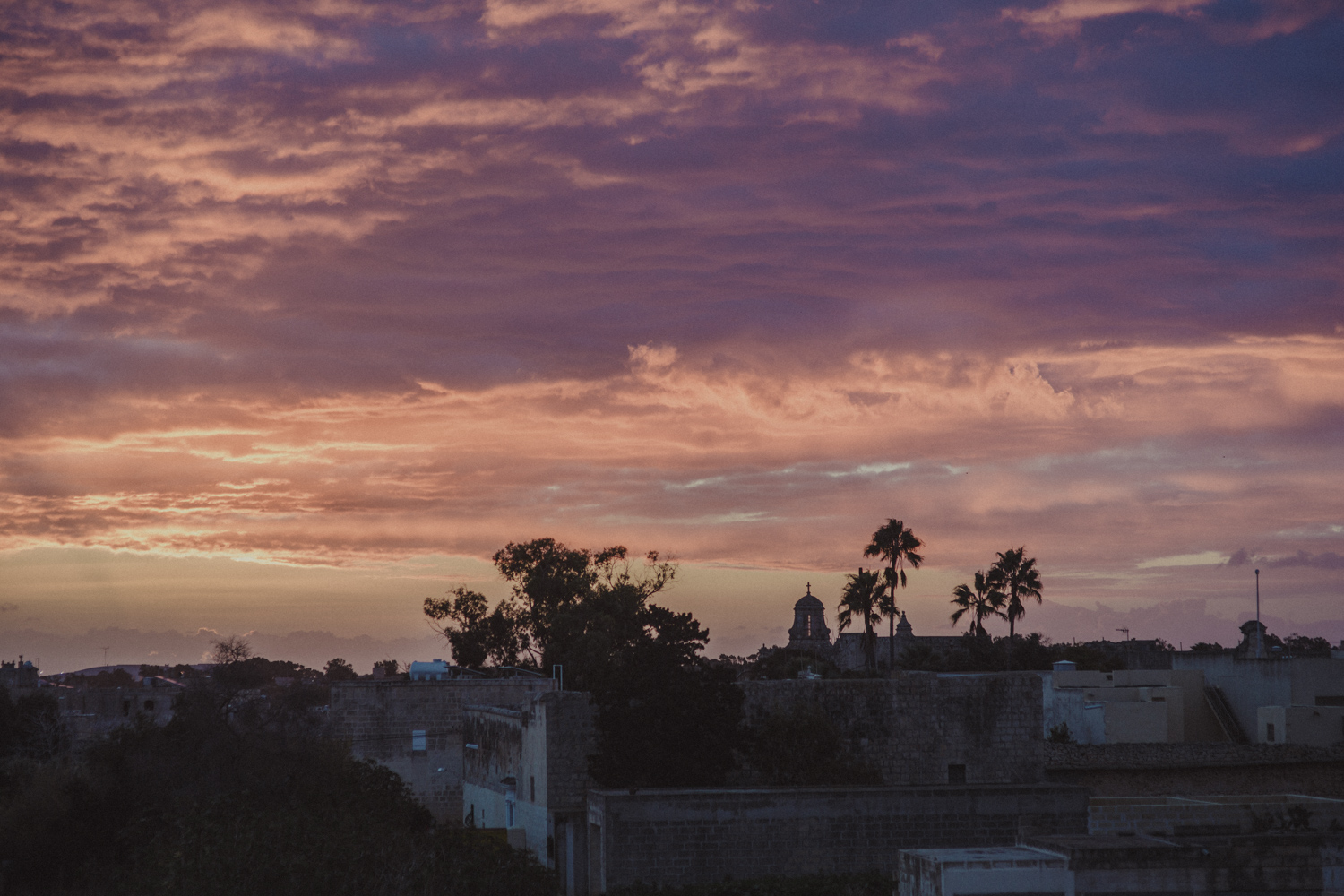
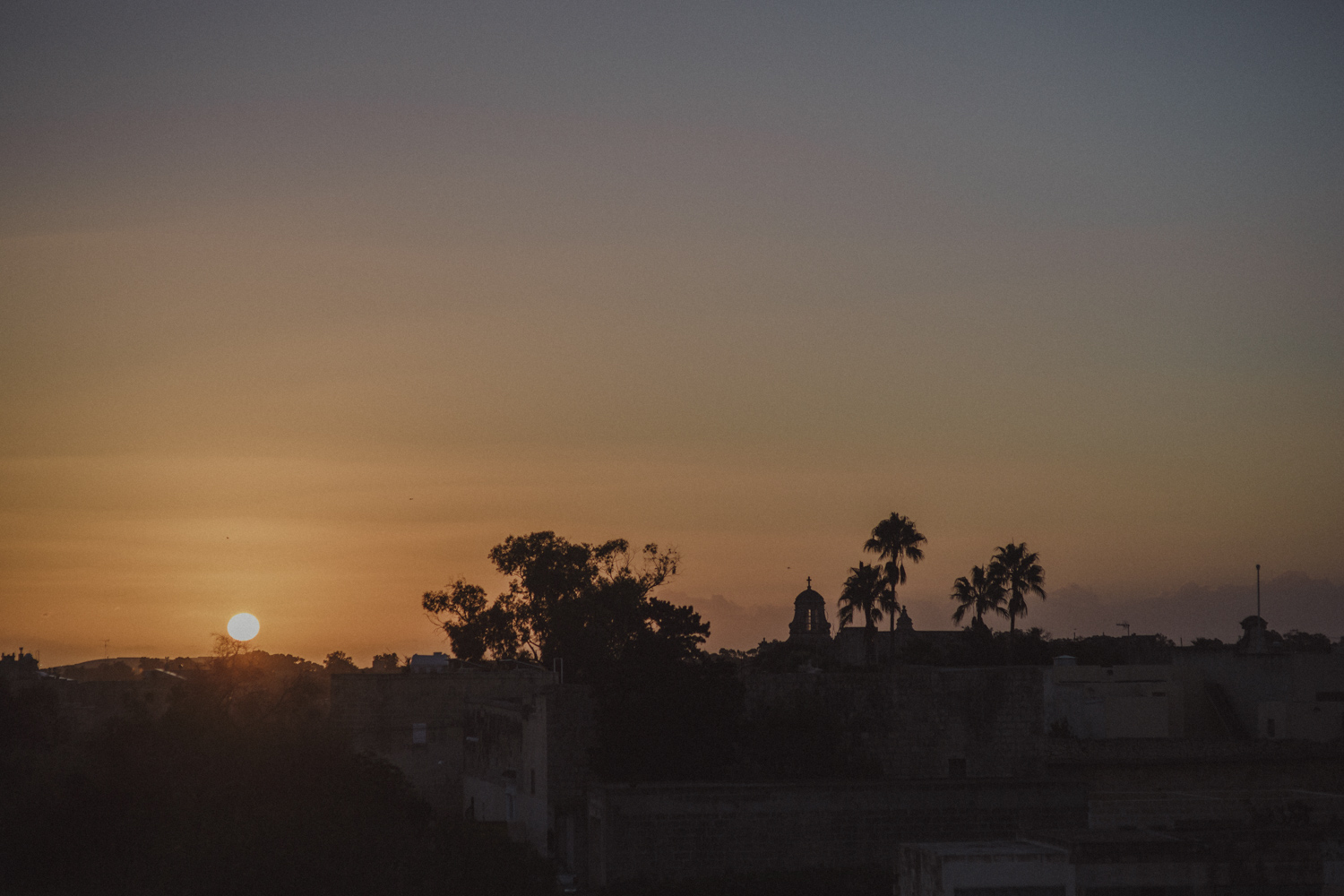
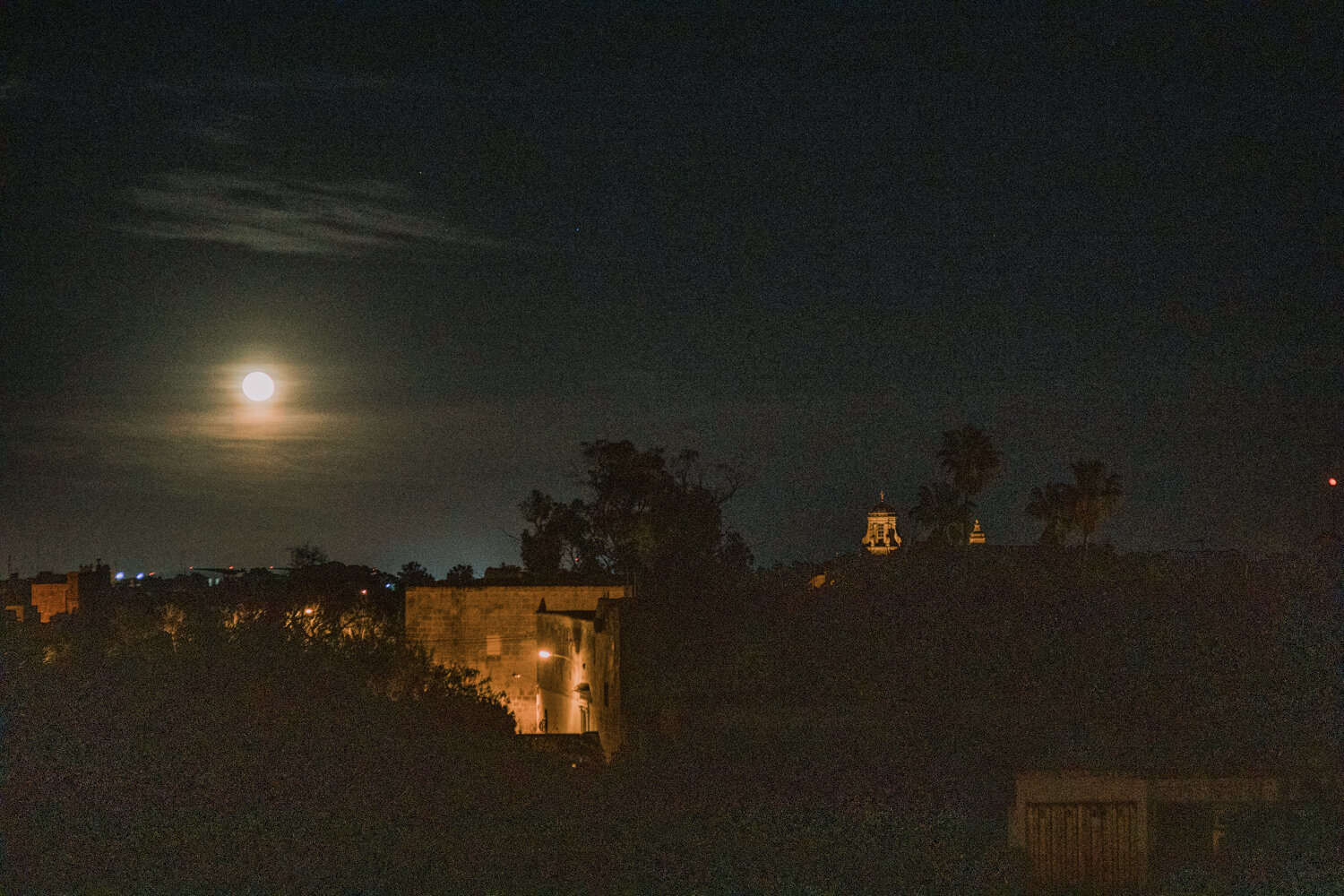
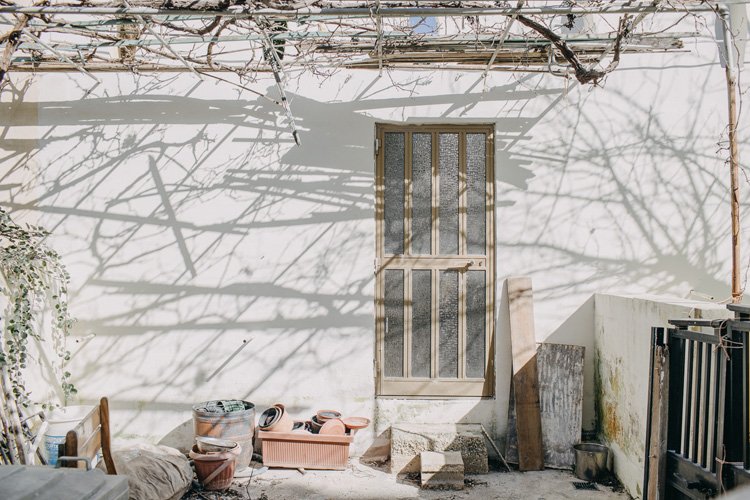
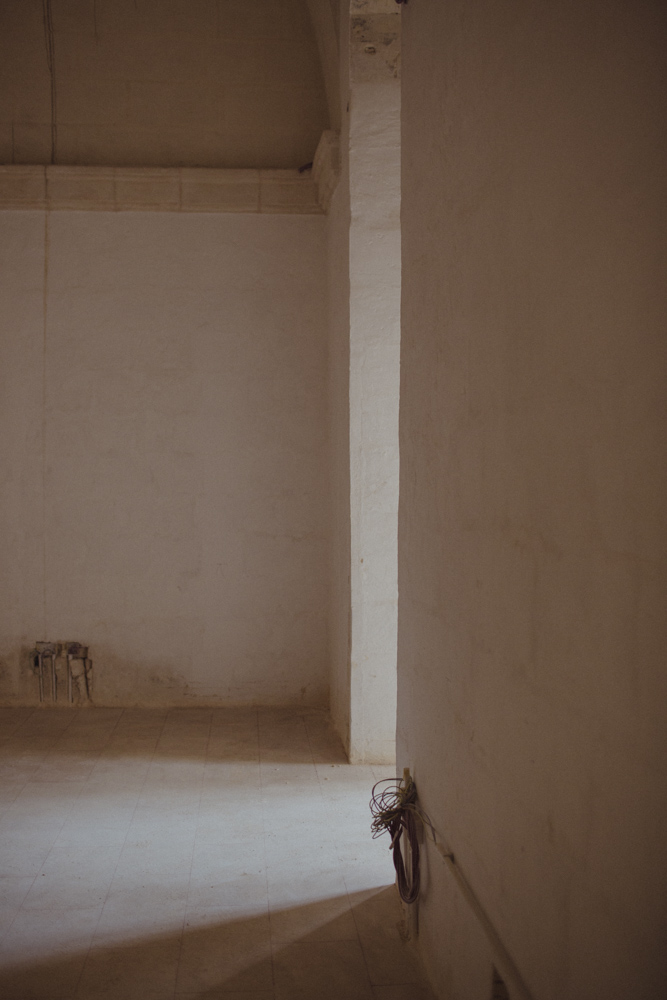
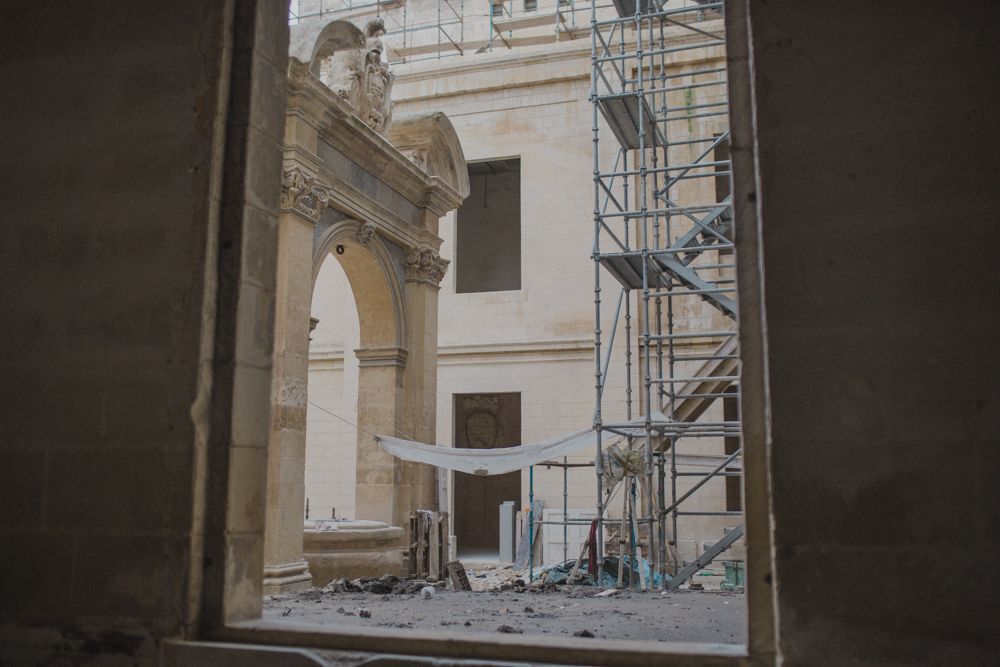
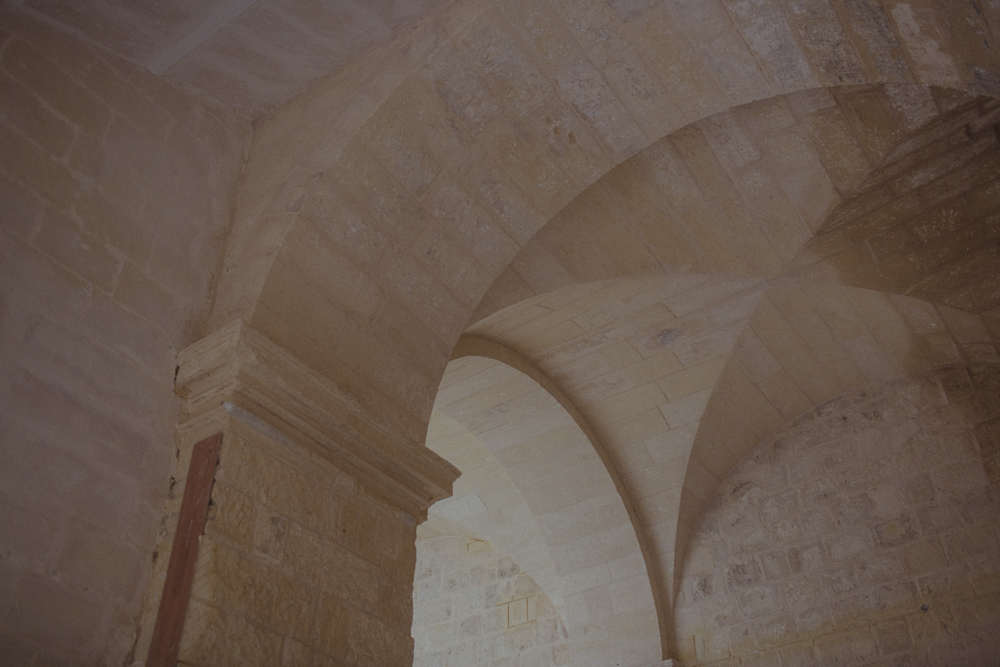
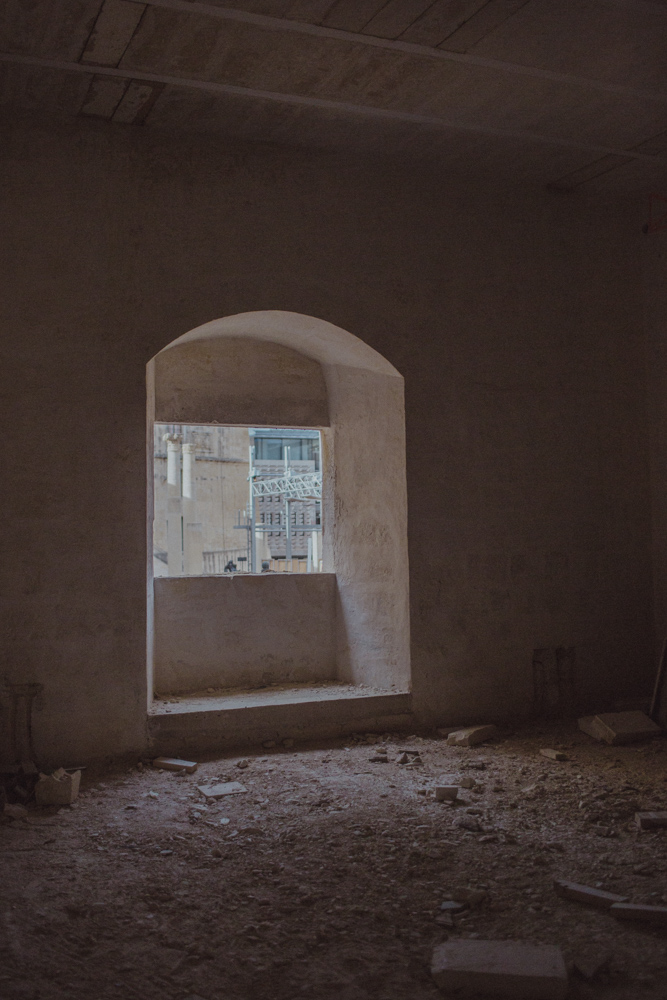
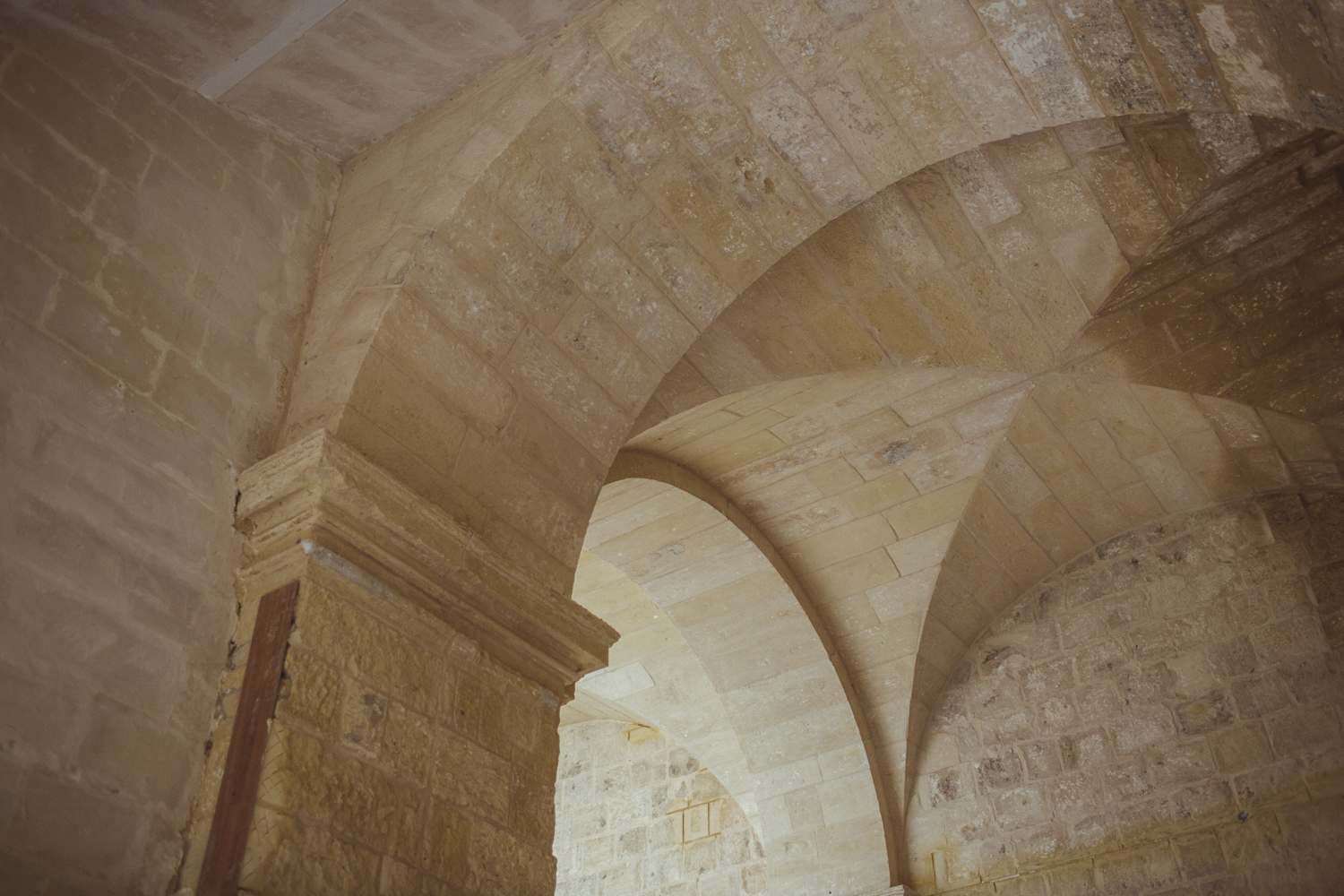
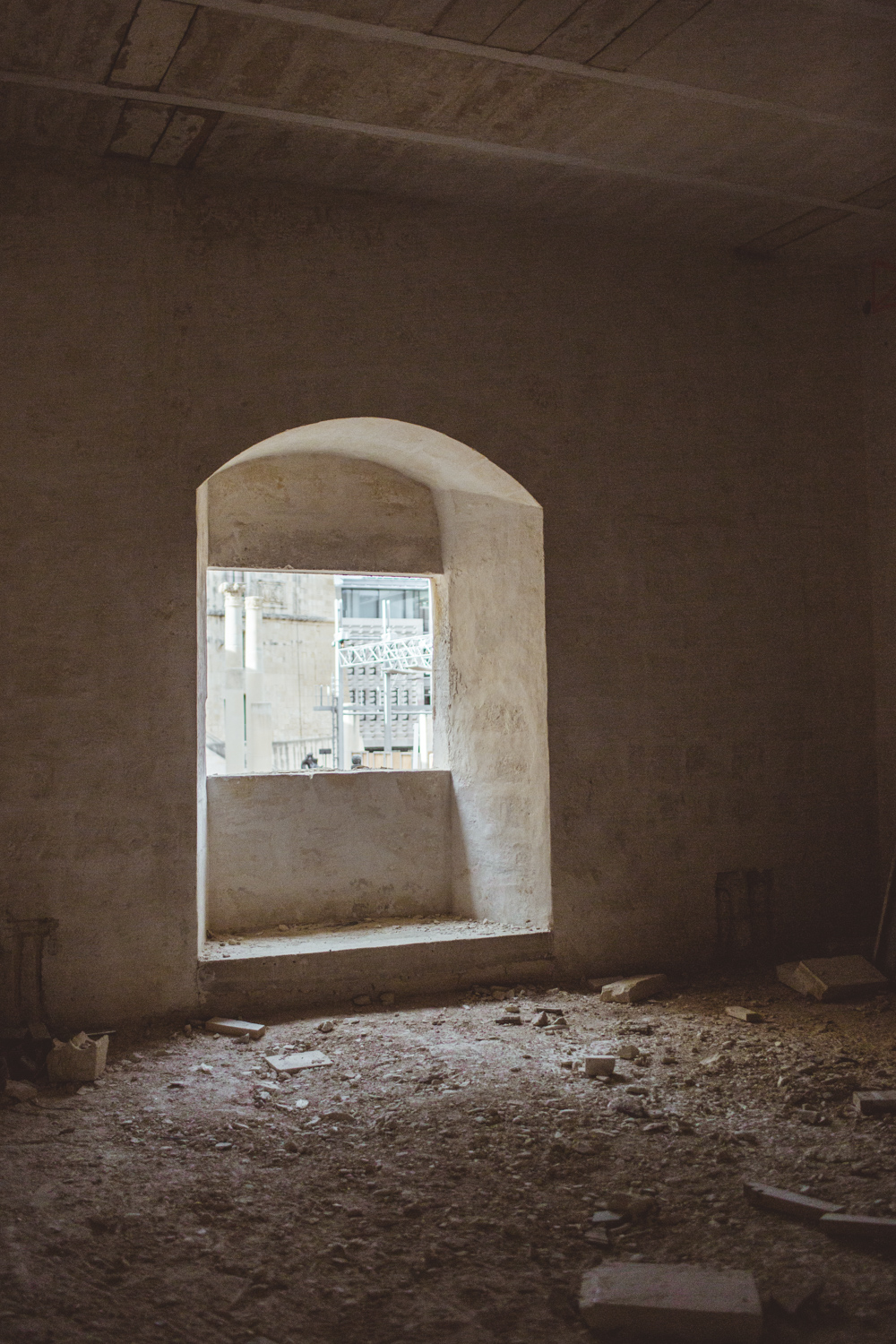
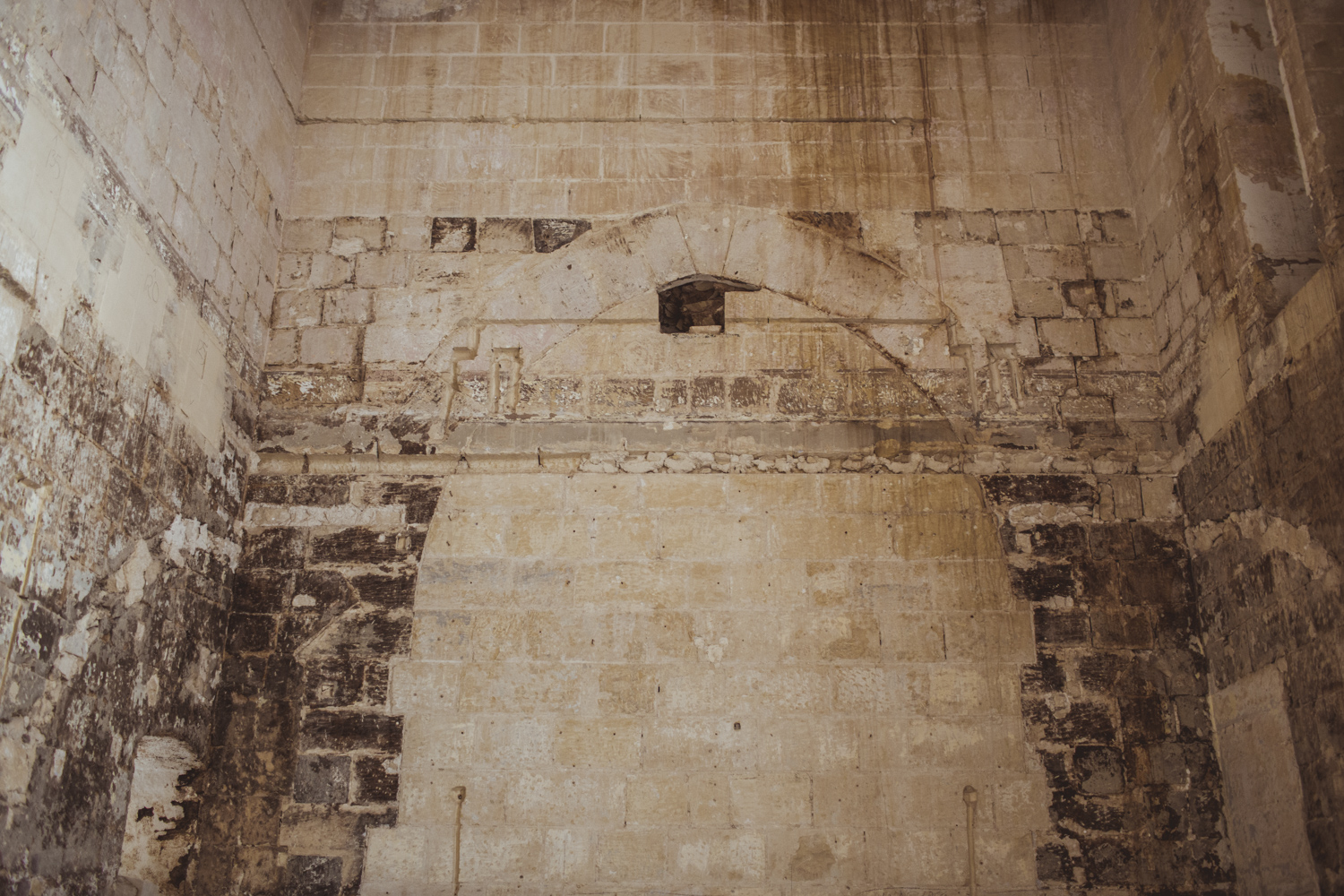
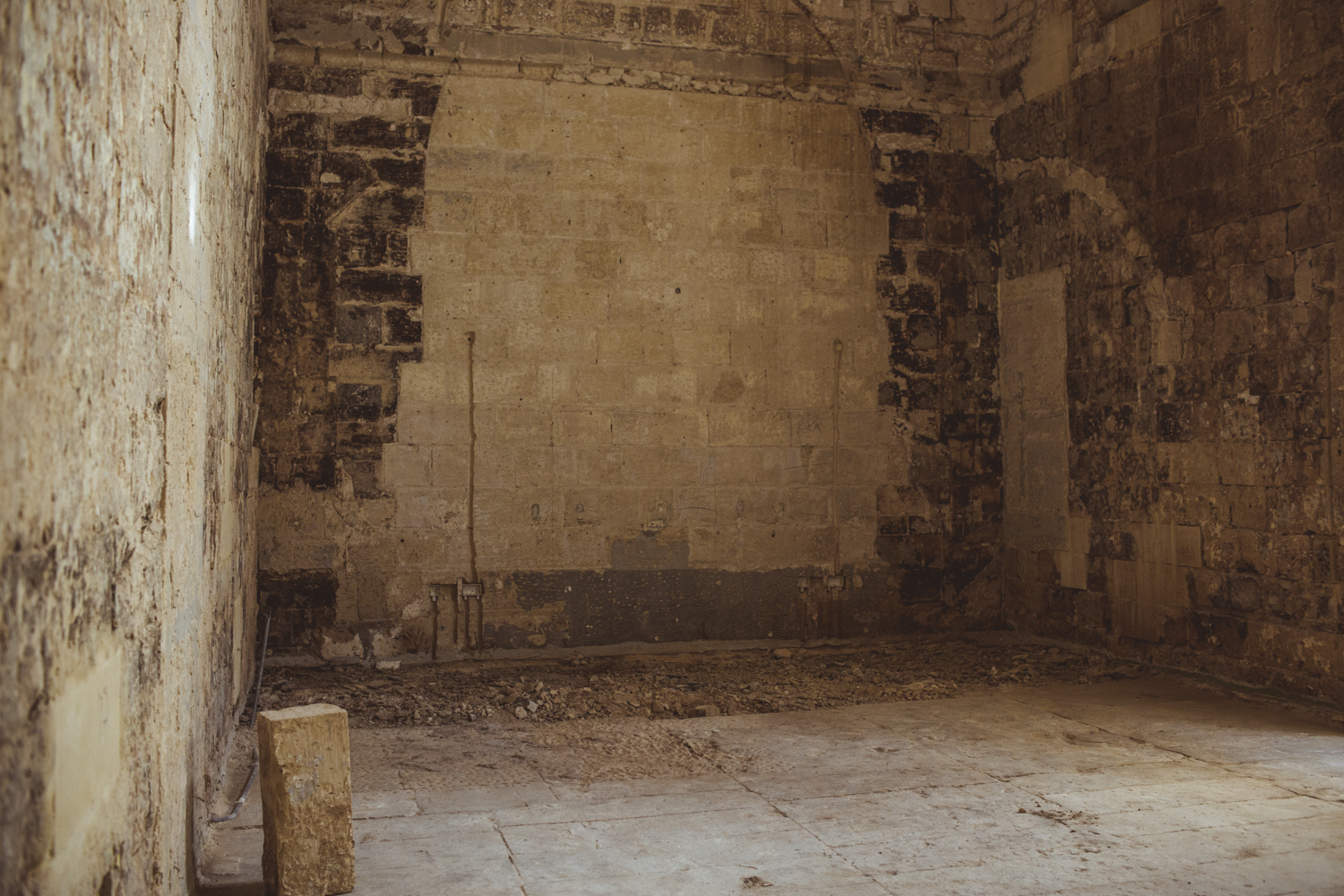
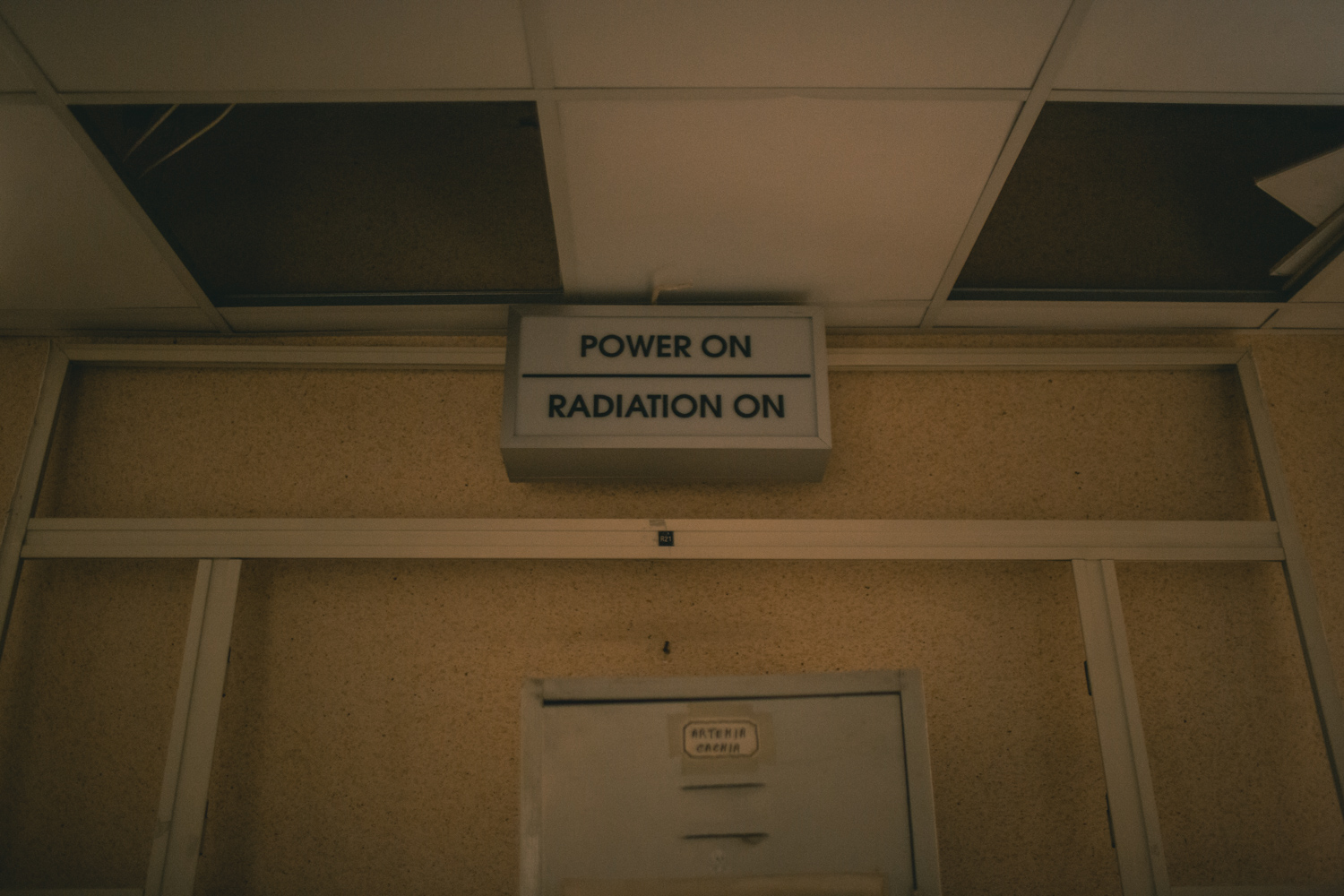
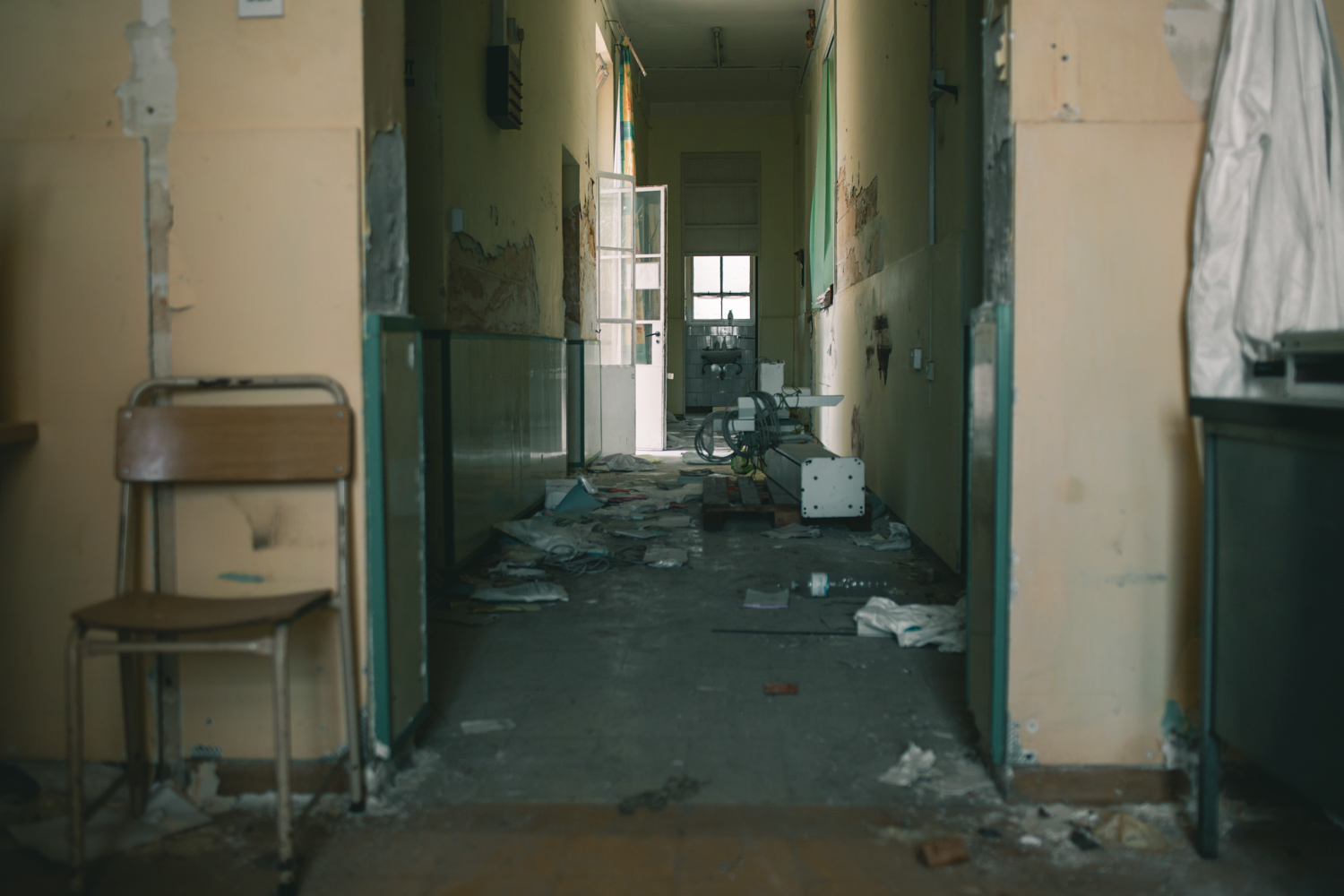
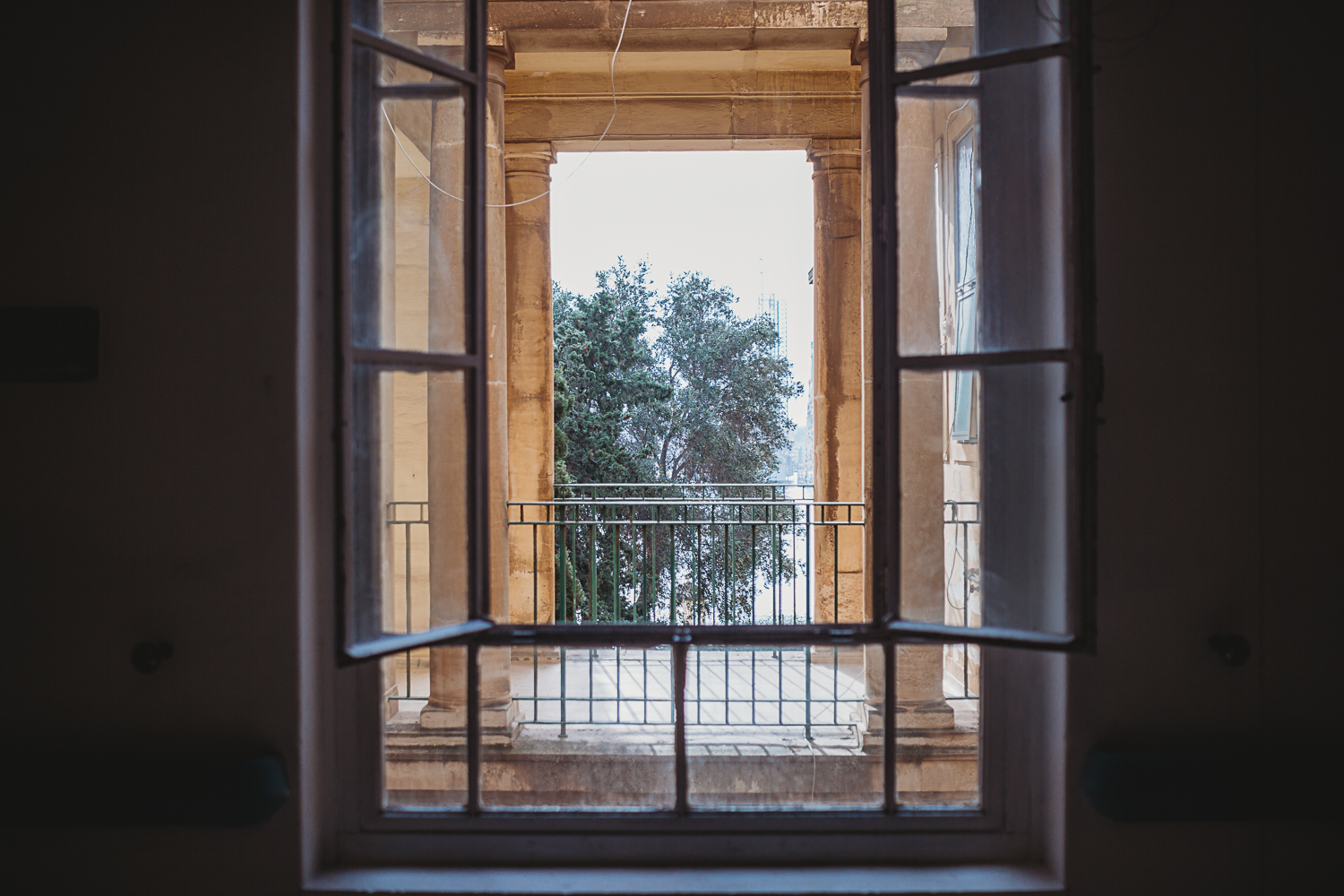
During the COVID-19 lockdown, my photographic practice was forced into stillness. Movement was restricted, walking routes disappeared, and the radius of daily life collapsed to the immediate surroundings of home. Rather than interrupting my research, this constraint quietly reshaped it. I began photographing the same view repeatedly from my balcony; not as a project defined by outcome, but as a way of staying with a place over time.
Working from a fixed vantage point shifted my relationship to photography. Instead of seeking images through exploration or novelty, I was drawn into duration, repetition, and subtle change. Light, weather, atmosphere, and the slow passing of time became the primary variables. The act of photographing became less about capturing something and more about dwelling and remaining attentive to what persists when nothing appears to happen.
This experience made me acutely aware that a sense of place is not produced through singular moments, but through continuity. Meaning accumulates through return, familiarity, and lived presence. Lockdown heightened my sensitivity to these conditions, revealing how place is sustained through duration rather than event. Photography, in this context, functioned as a way of remaining-with rather than extracting or framing, allowing space to be experienced as lived rather than observed.
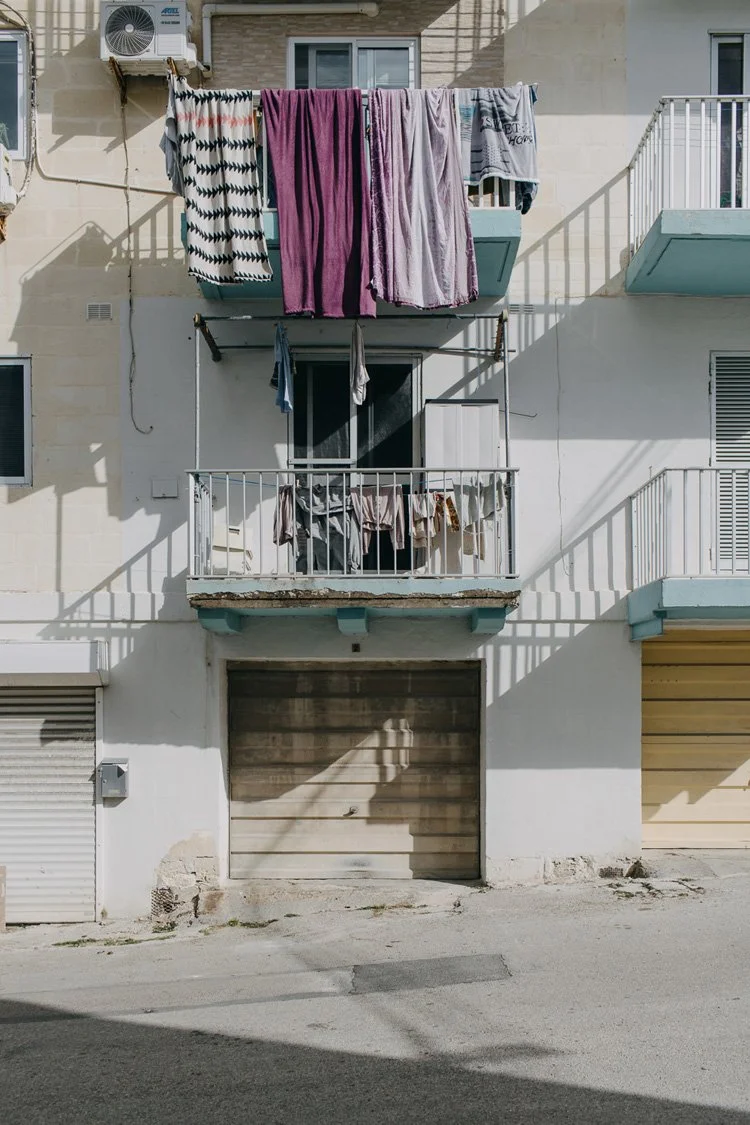
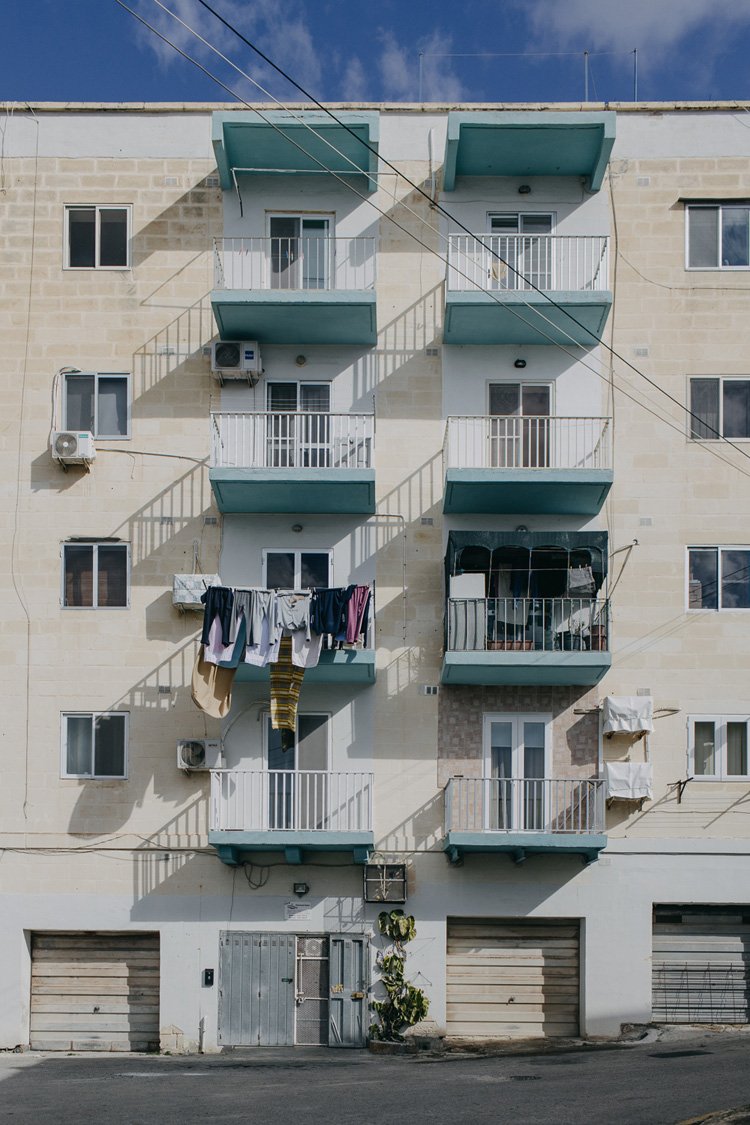
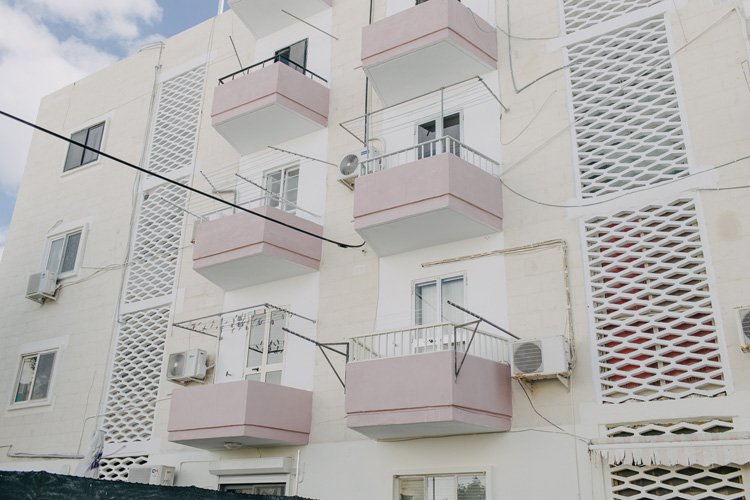
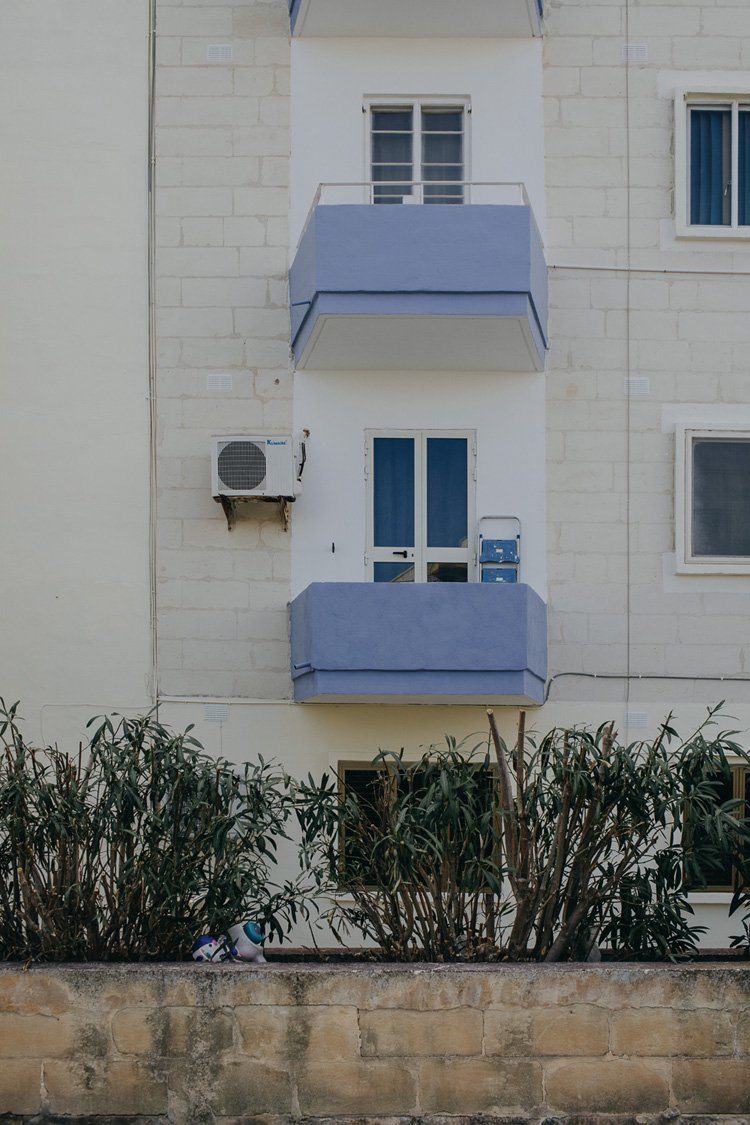
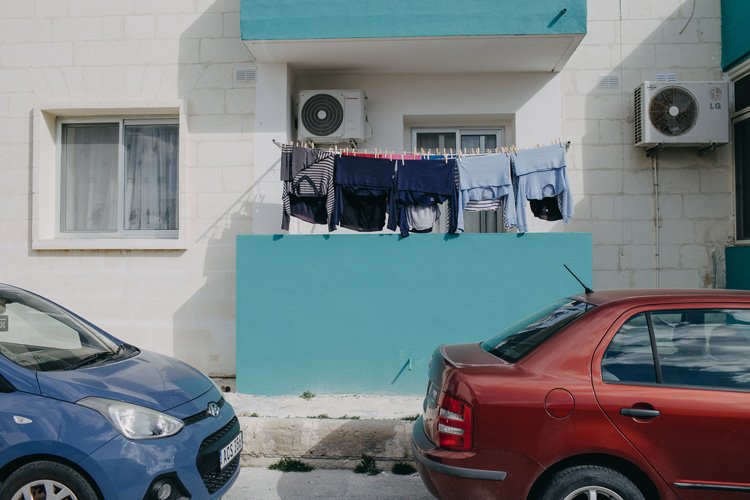
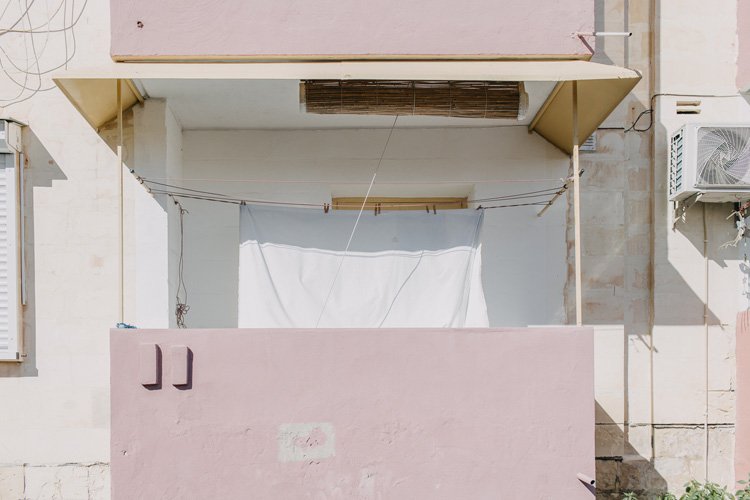
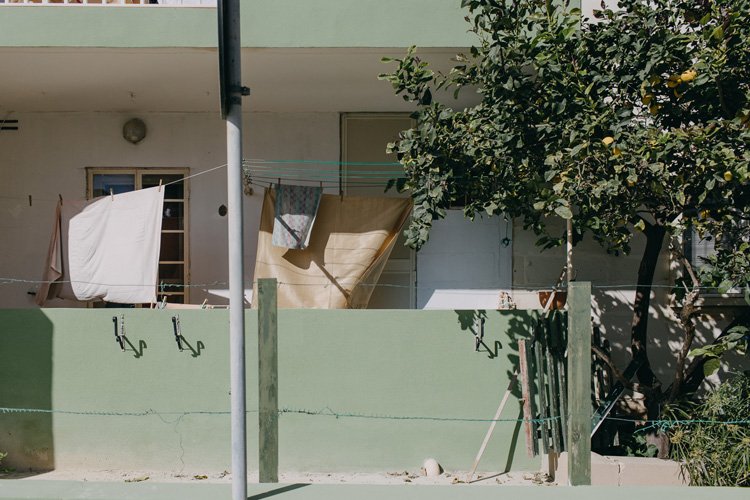
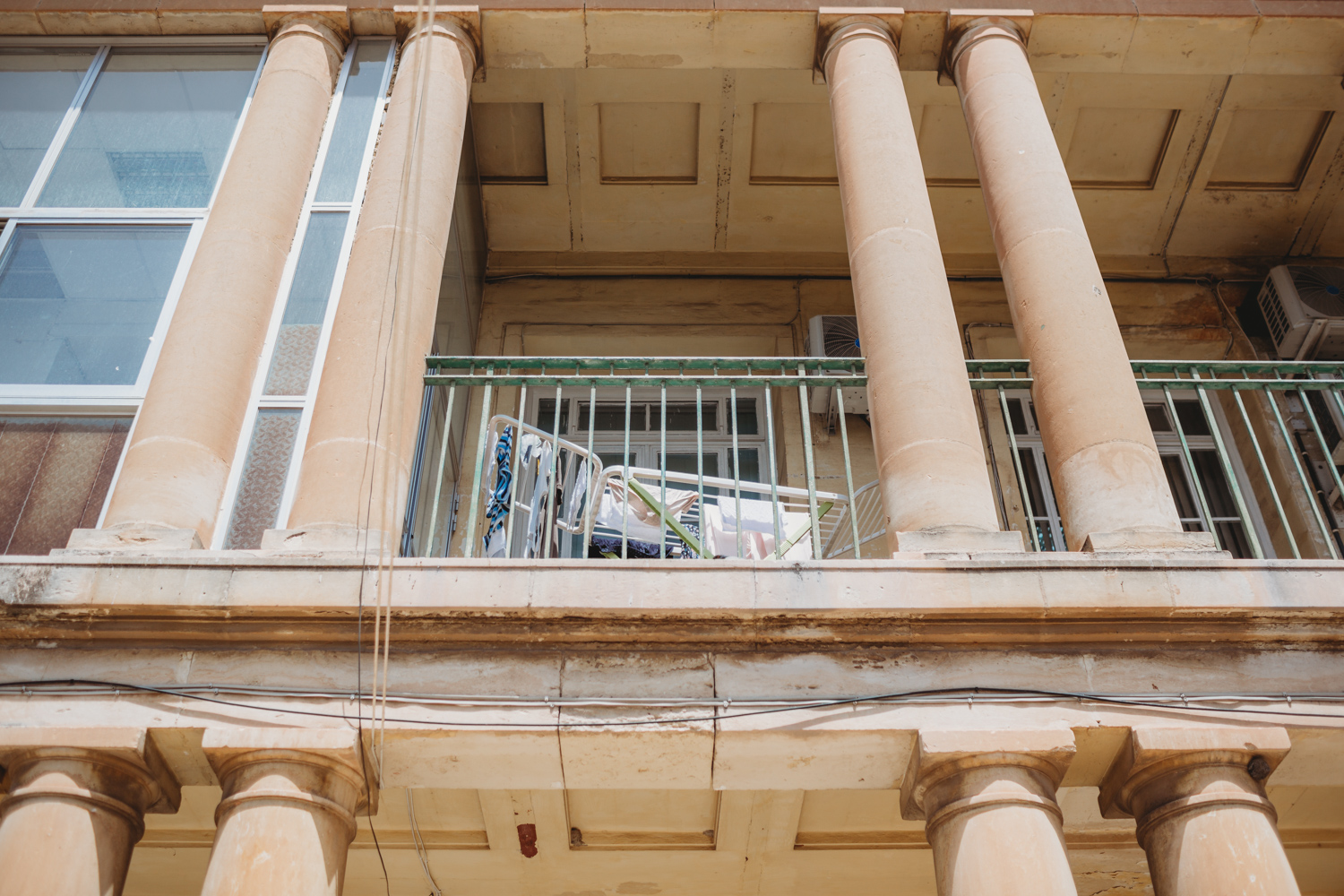
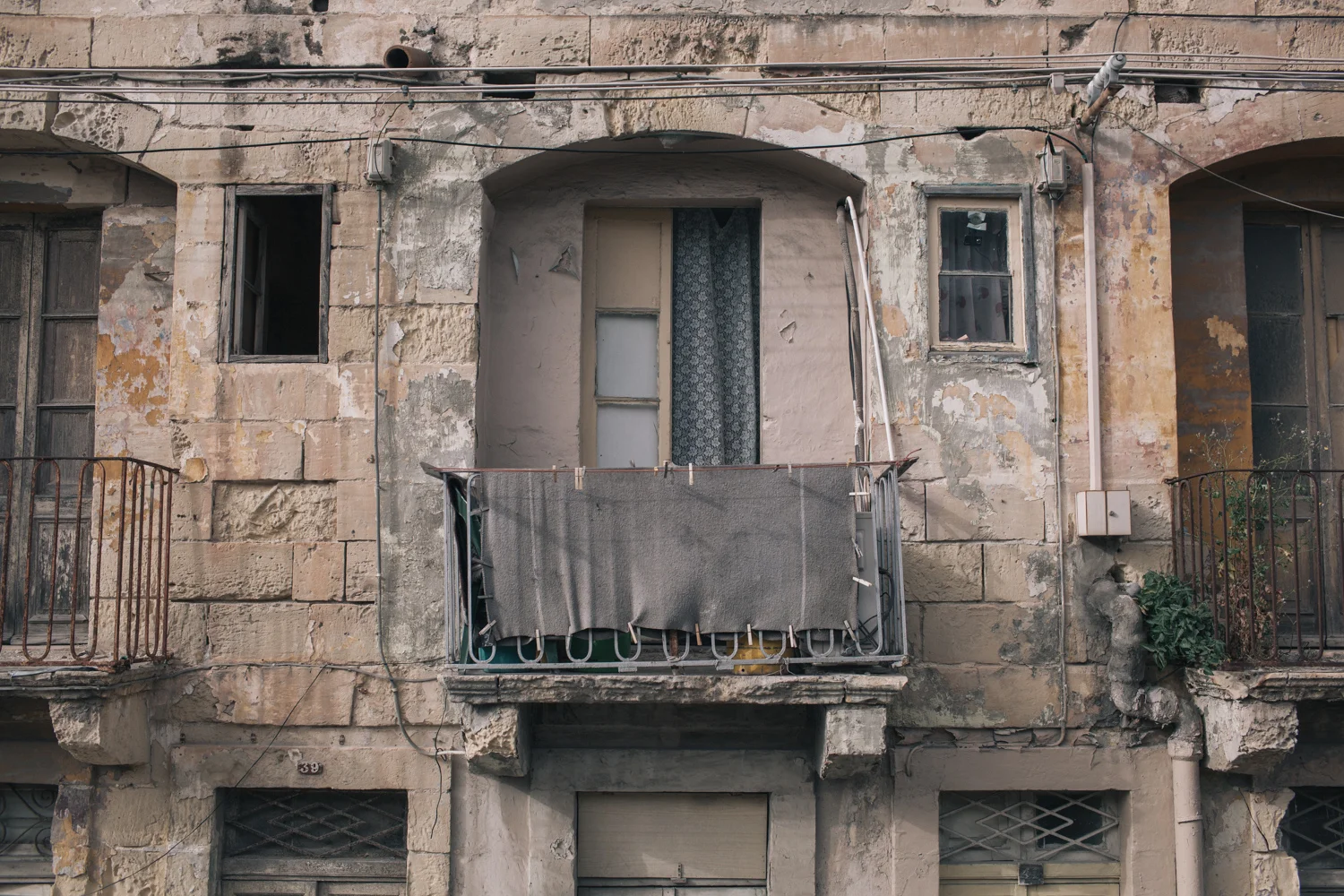
Social housing areas are usually non descript parts of a town or city, where everything looks the same. A walk through San Gwann's social housing shows colourful balconies and laundry depicting the mundane life of the inhabitants.
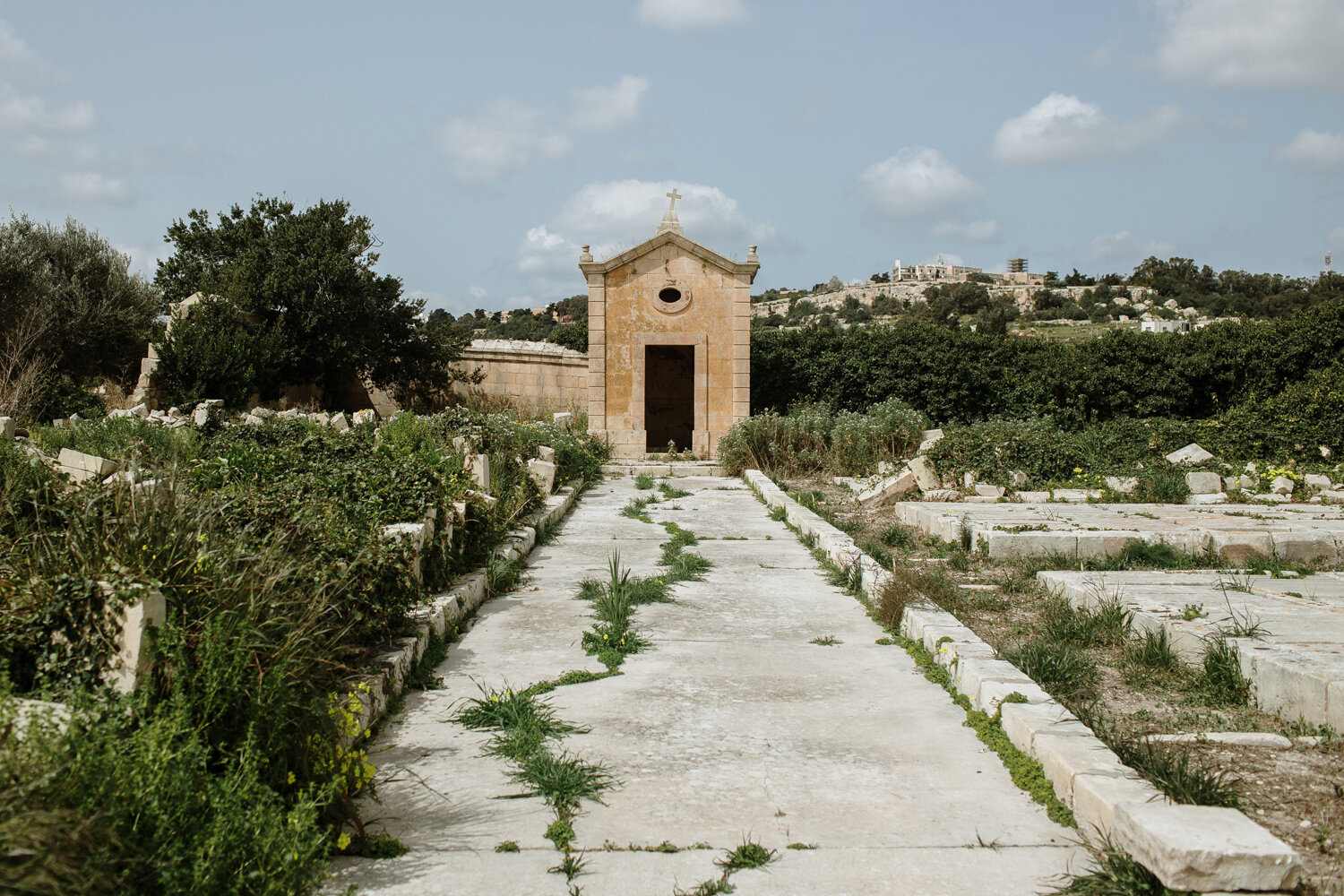
This cemetry built in 1762, is situated right below Mdina on the way to Mosta. “The cemetery and chapel have long been out of use and lay deteriorating. At one time it was even broken into and the altar destroyed by satanists” (Chapels & Churches of Malta, 2020).
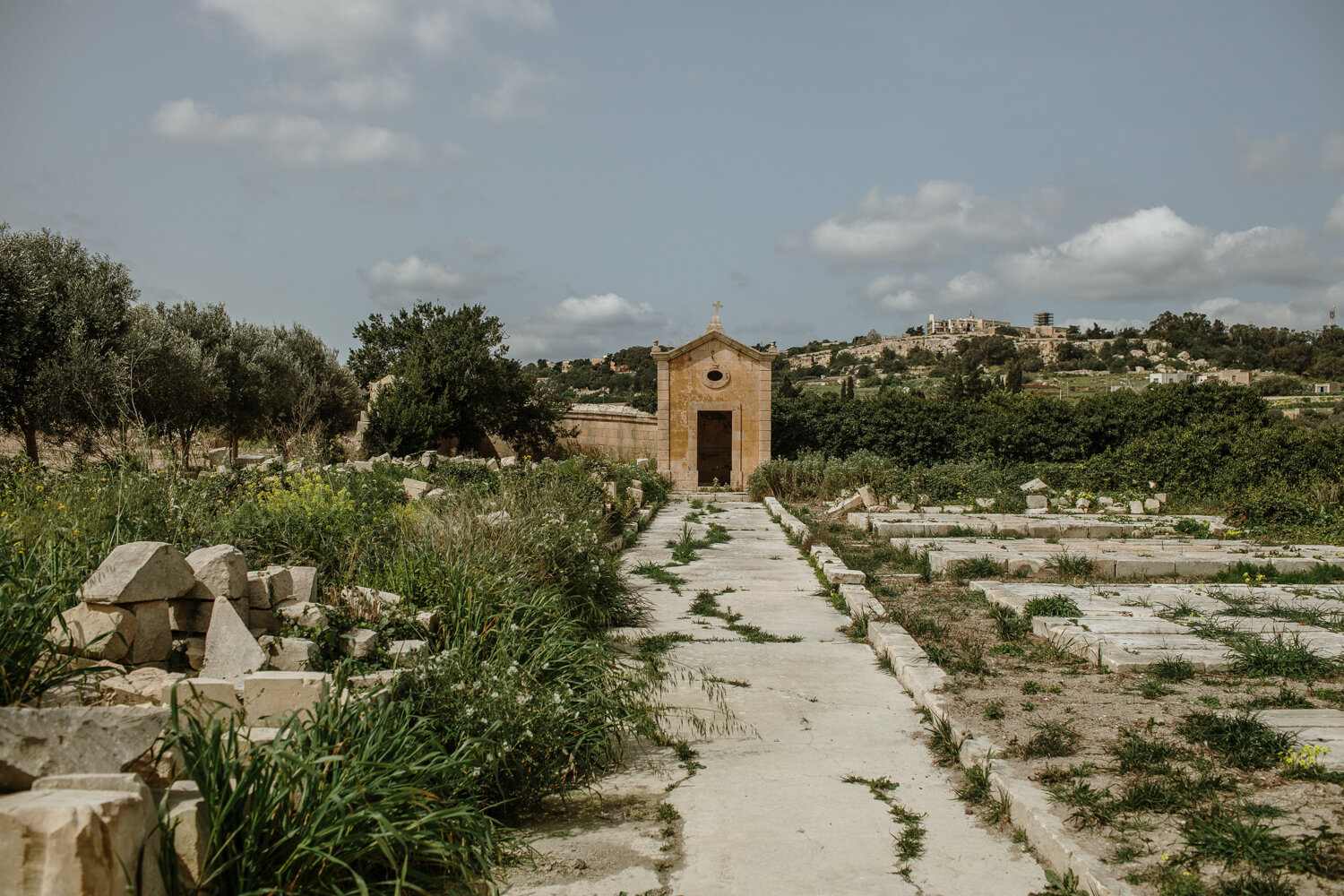
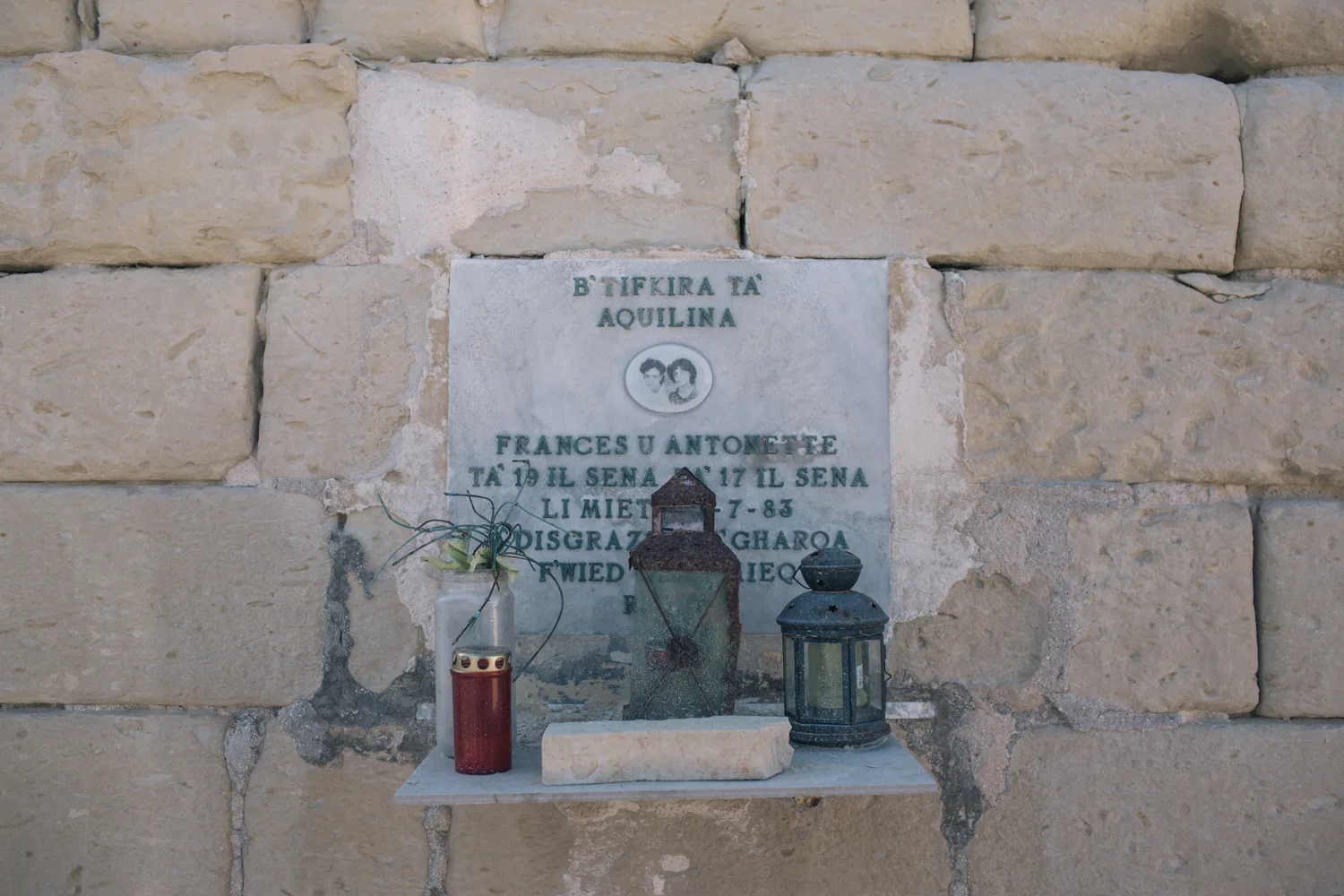
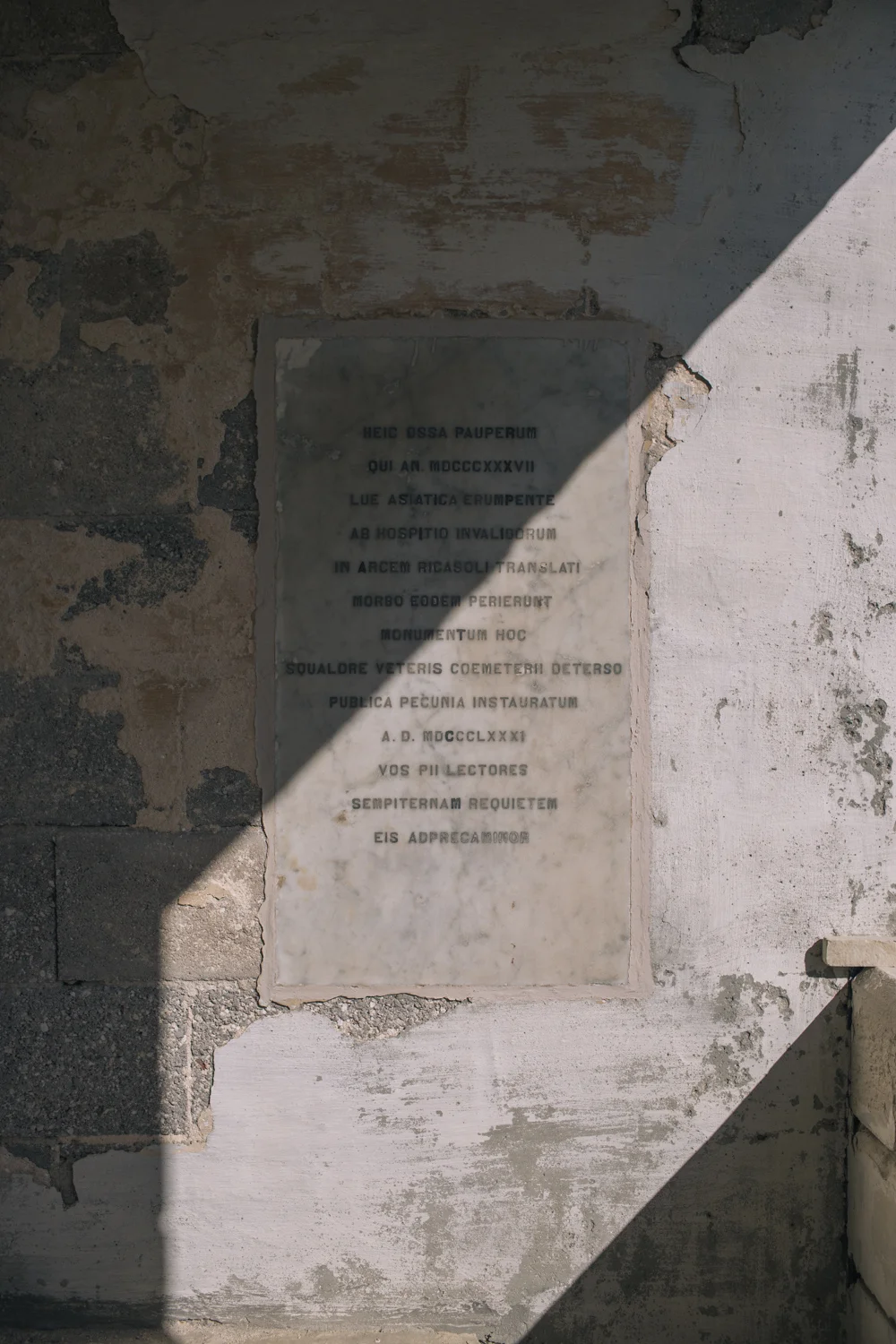
Just off Fort Ricasoli, isolated from the road, one can find St Roque Cemetery, or commonly known the Plague Cemetery in Kalkara. The only information I found so far can be found further down.
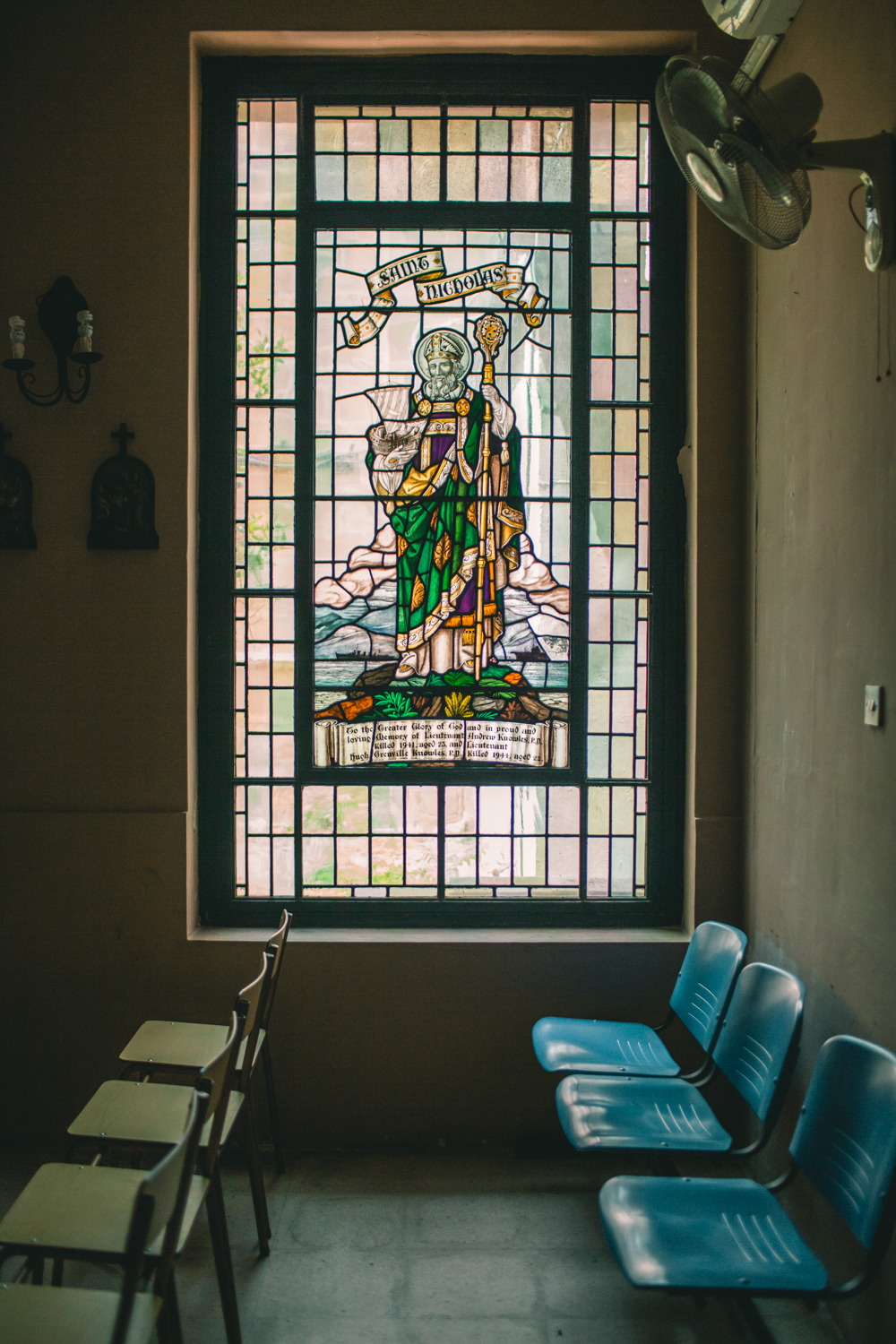
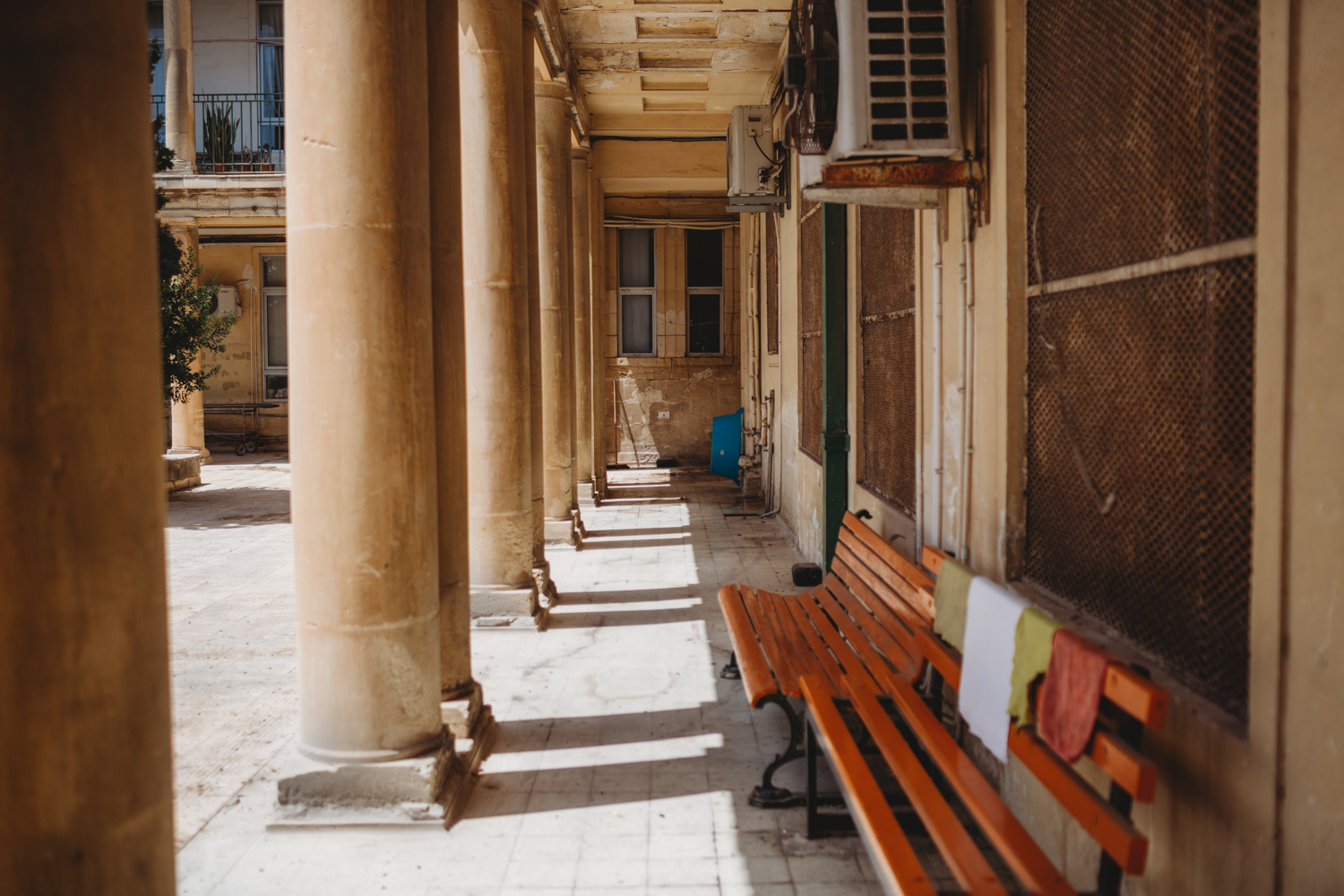
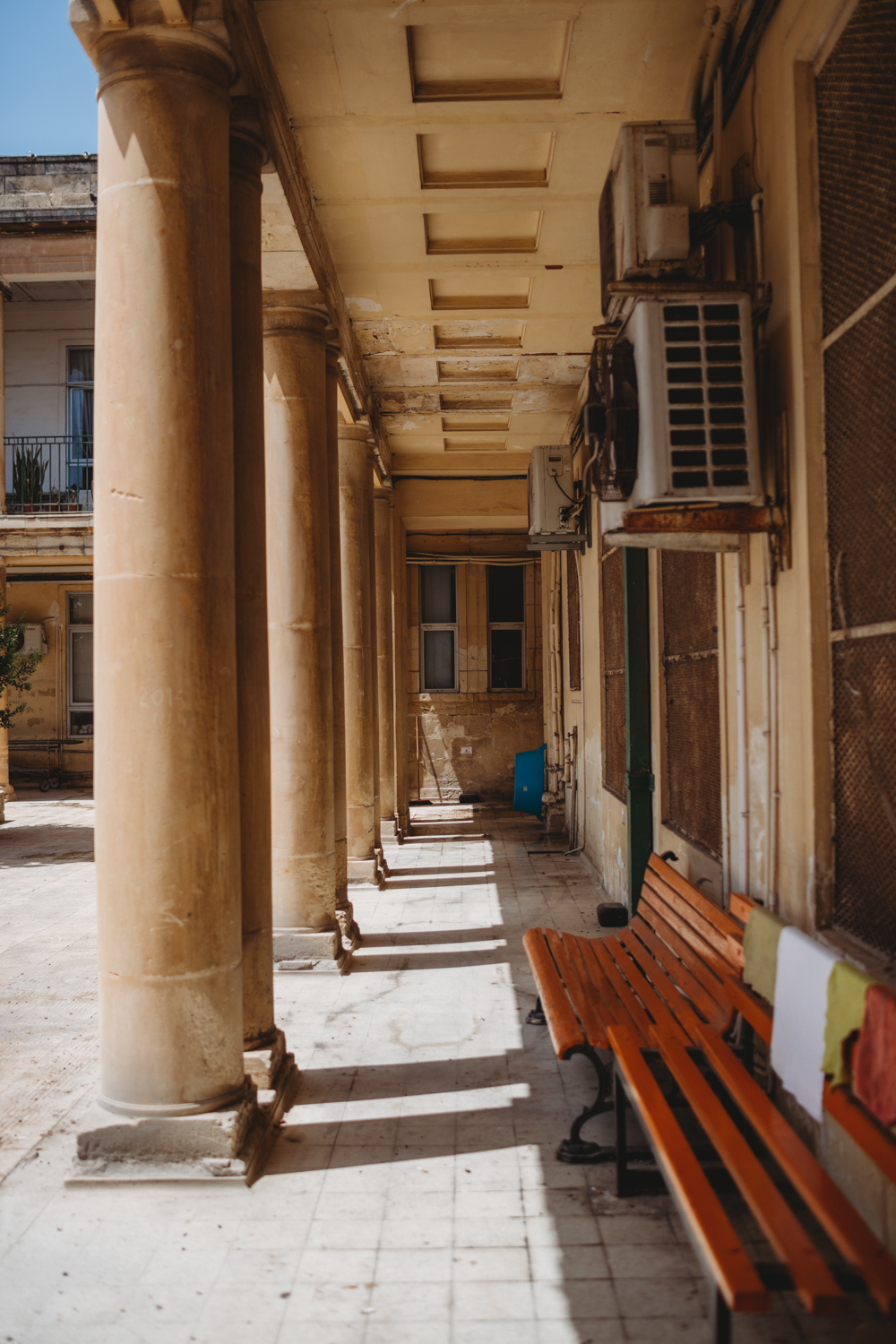
Upon my entrance to this place, I could feel a sense of quiet but also of reverence. It could be I felt this way due to my catholic upbringing, thus having to pay reverence to God and his home. The gate was open however there was no indication of a fresh burial. I am not sure if the place is still used or not as a cemetery or for the occasional mass. The benches outside could indicate that maybe they used to say mass outside on the premises, unless they are actual indication of tombs.
Kalkara - St Roque (Wied Ghammieq)
The 1837 cholera victims who died in Fort Ricasoli were buried in a cemetery hastily erected at Wied Ghammieq. In 1878 the cemetery was given a facelift and became a centre of devotion for the souls of the faithful departed. In the 1950s the present structure was built to replace an older one. The present chapel was on the plans of Vincenzo Bonello.
(source: http://www.malta-canada.com/churches-chapels/Cemeteries.htm)
I never shot in a war zone till now, however upon my visit to St Ignatius Villa in Sliema on this bleak Monday morning, my thoughts were those of destruction, violation and war. Even though one could say that these photos can indicate also abandonment, whilst scouting and shooting the little bit of the area I could get through, I felt the heavy loss of this part of our heritage that we are nonchalantly giving away.
Most of the Villa's grounds are gone. Over the years, this Villa or 'Bel-Vedere', its original name, has "architectural significance (Said as citied on Allied Newspapers Ltd, 2017) and “Despite the substantial alterations both to the building’s exterior and presumably also internally (not accessible at time of study), the overall fabric still survives as [original owner] John Watson and the Protestants after him would remember it. Of course, the context has changed dramatically, what with practically all of the grounds gone, together with the once idyllic pastoral landscape.” (Said as citied on Allied Newspapers Ltd, 2017).
As I stated earlier, I never shot in a war zone, however this massacre to our heritage should at least start making the general public aware about the atrocities that are happening in our country. We are making way for the creation of a concrete jungle. A mass of buildings, that in 25 years time will have no cultural significance whatsoever, let alone in a century's time. We will reminiscent about the lost Maltese landscape till no one remembers anymore how Malta once was, because the future generations haven't got a clue of how their country once was, whilst their ancestors watched on at the destruction.
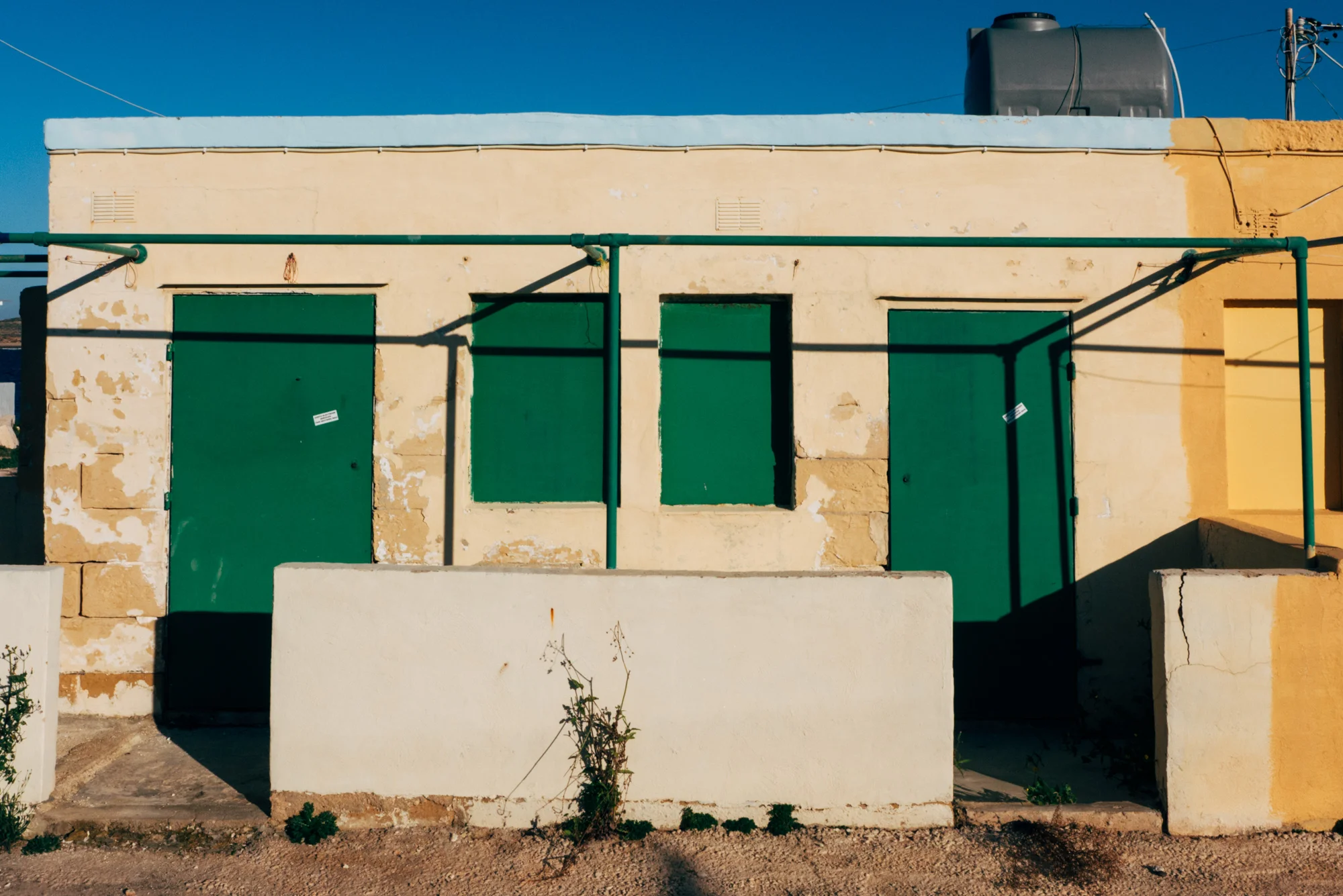
Set off the North coast of Malta in Mellieha area known as L-Ahrax, one can find Armier Bay. Armier consists of two bays and is mostly known as a summer retreat for local families. Communities have formed along the years, but there is nothing luxurious about the dwellings – they serve as secondary residences for the summer months and for communities to socialize.
The dwellings are a mix and match of run-down caravans and illegally built concrete rooms, also known as boat houses. Dwellers sort themselves out with all sorts of commodities to ensure that their summer boat houses, which are usually decorated with discarded paraphernalia, are as comfortable as possible.
The Holy Mary image was shot in this locality, which shows the local’s catholic fervour even in such a remote setting. Walking around this area arouses one’s curiosity due to the various signs and symbols that give insight into this area’s community and lifestyle.
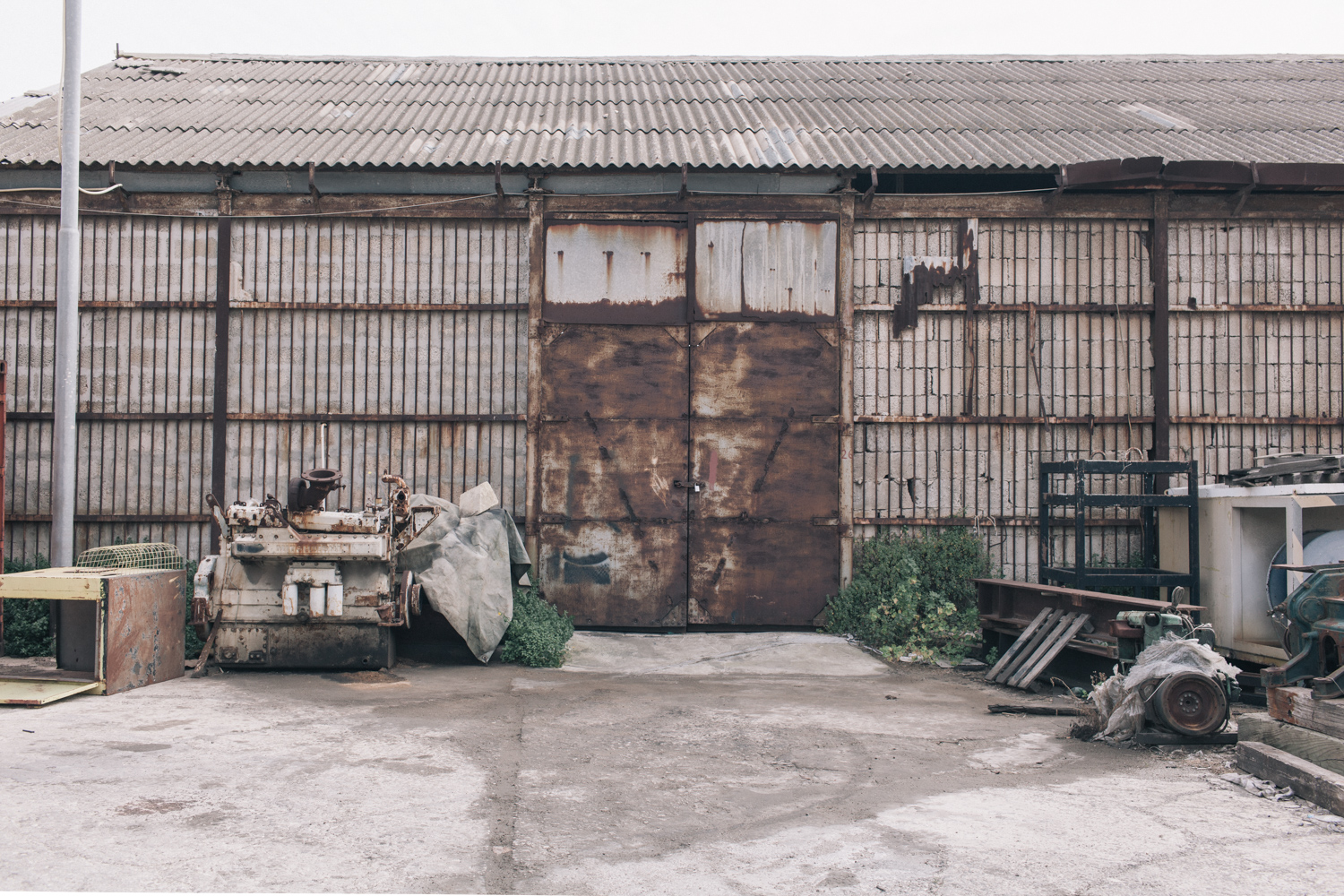
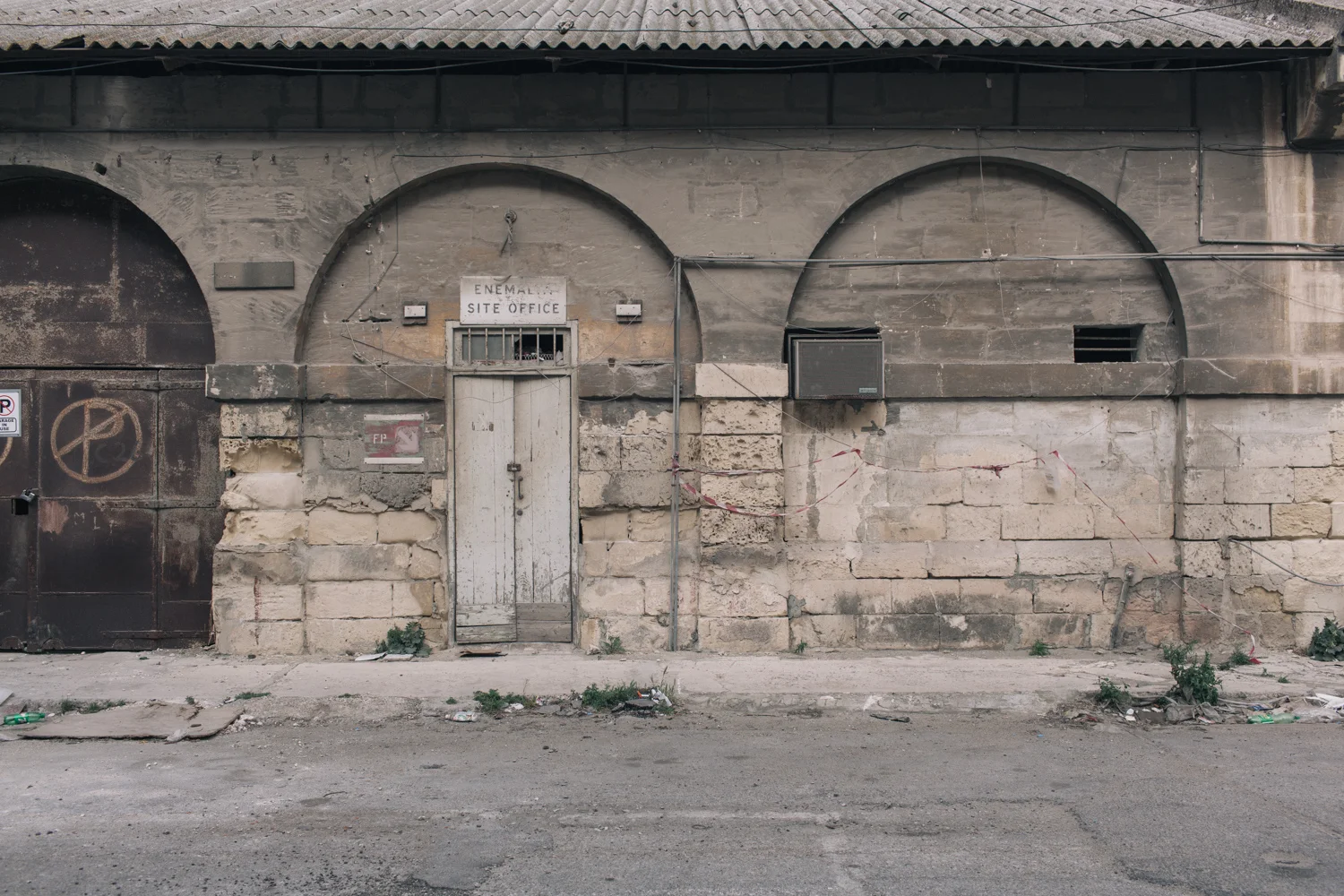
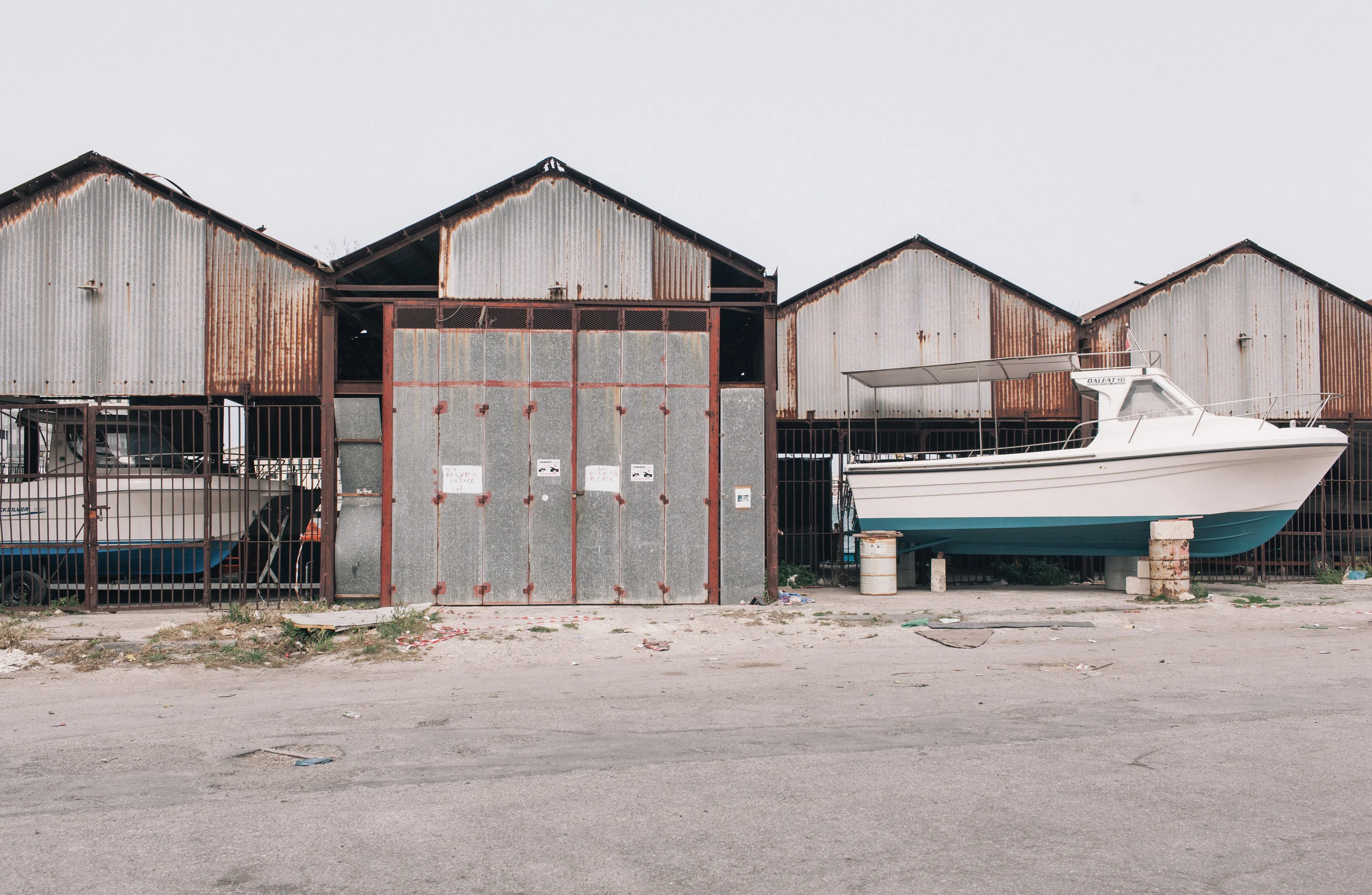
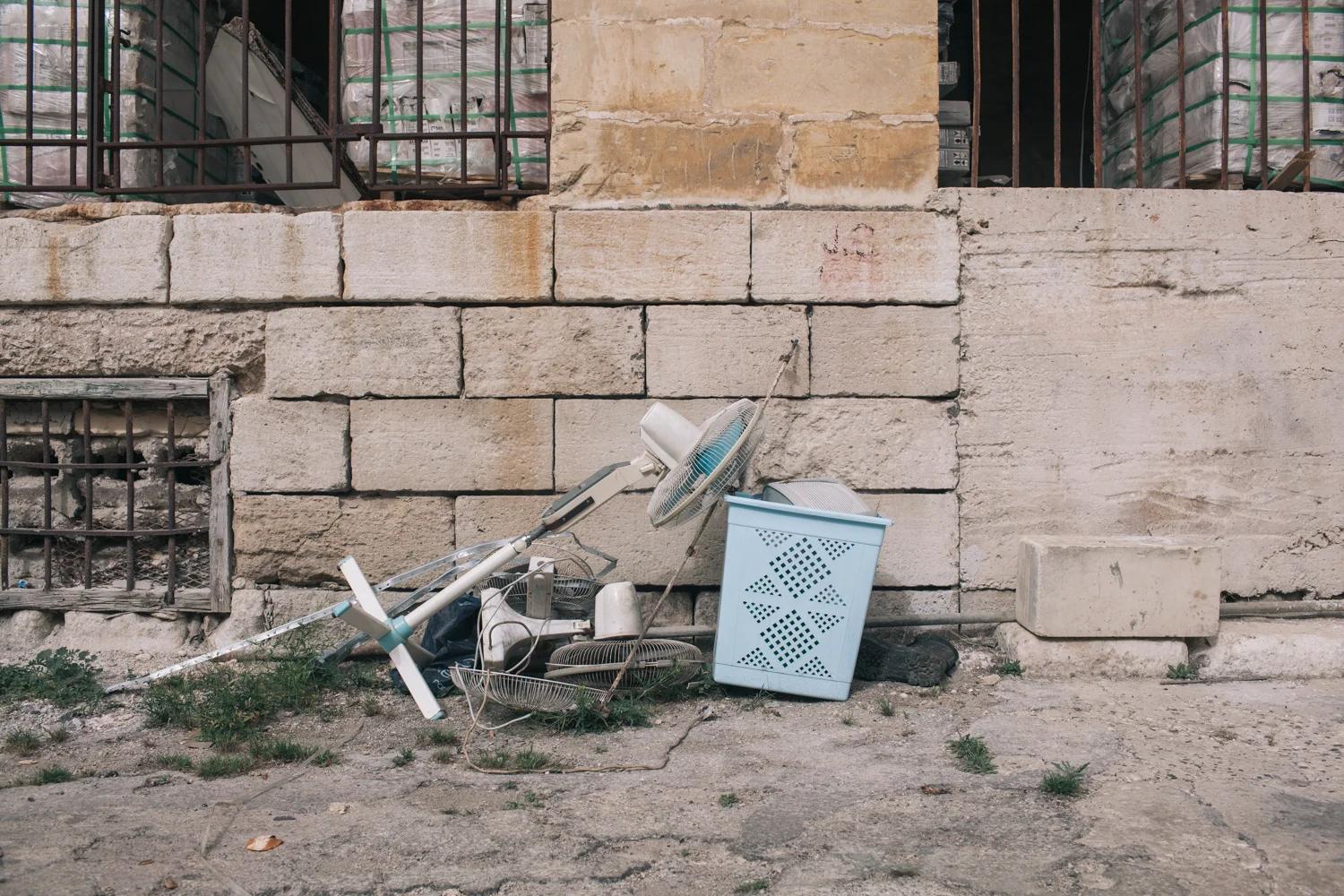
Marsa is a place close to the harbour area. I have fond childhood memories tied to this area of Malta, mainly because my father used to have a warehouse in Marsa for this work. I recall how my father had to evacuate his older warehouse because it was being taken over to build the power station which is now defunct. I recall going round this small area with my bicycle as a kid. Going round now, it feels like nothing has changed. The statue of the Holy Mary was and still is in the corner. The balconies haven't changed one bit, and I am going back approximately 30 years. Life seems to have stood still in this area, and no wonder so many places get knocked down since they are left to crumble. This area shows traces of what once was a busy harbour area, now left to fade away.
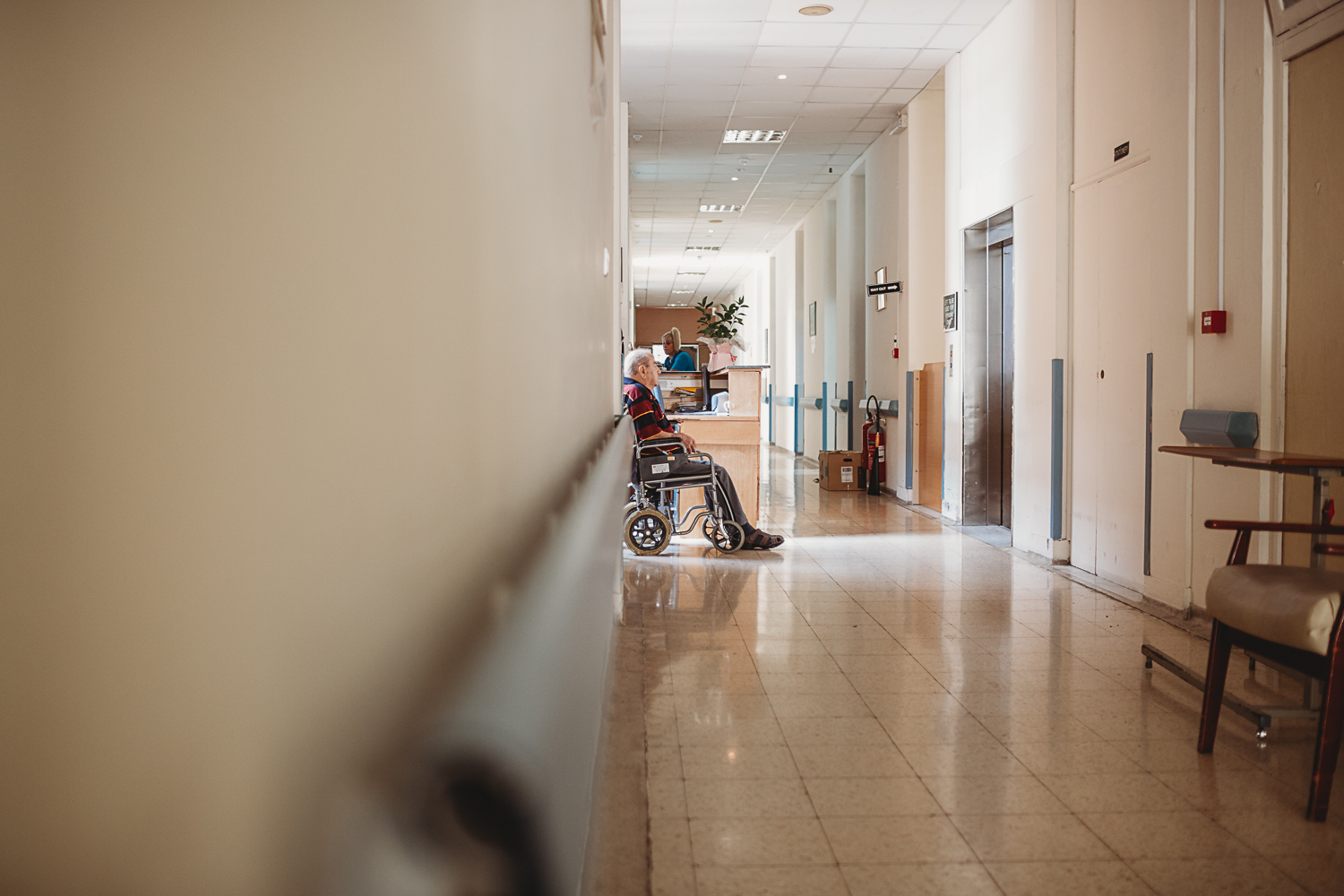
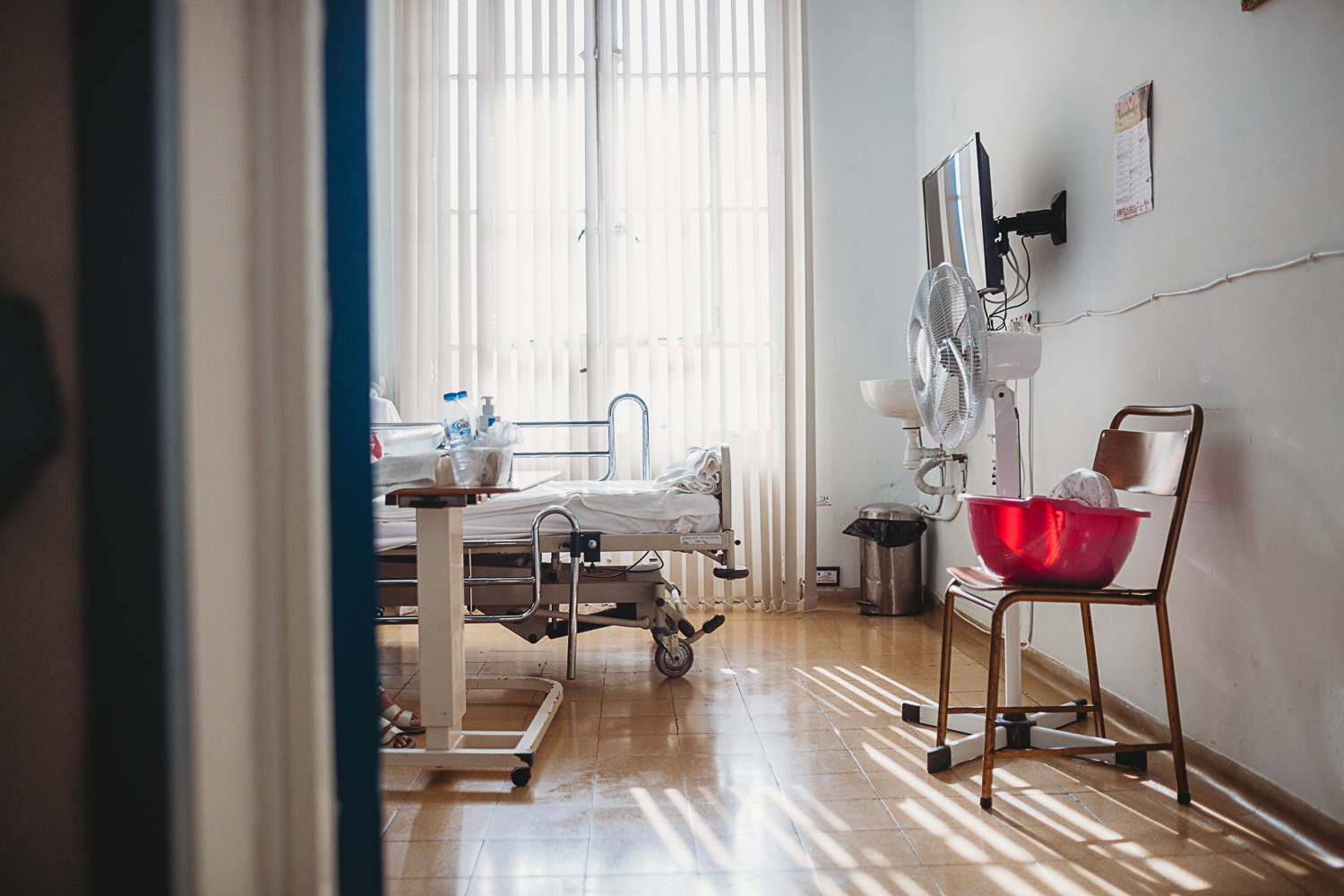
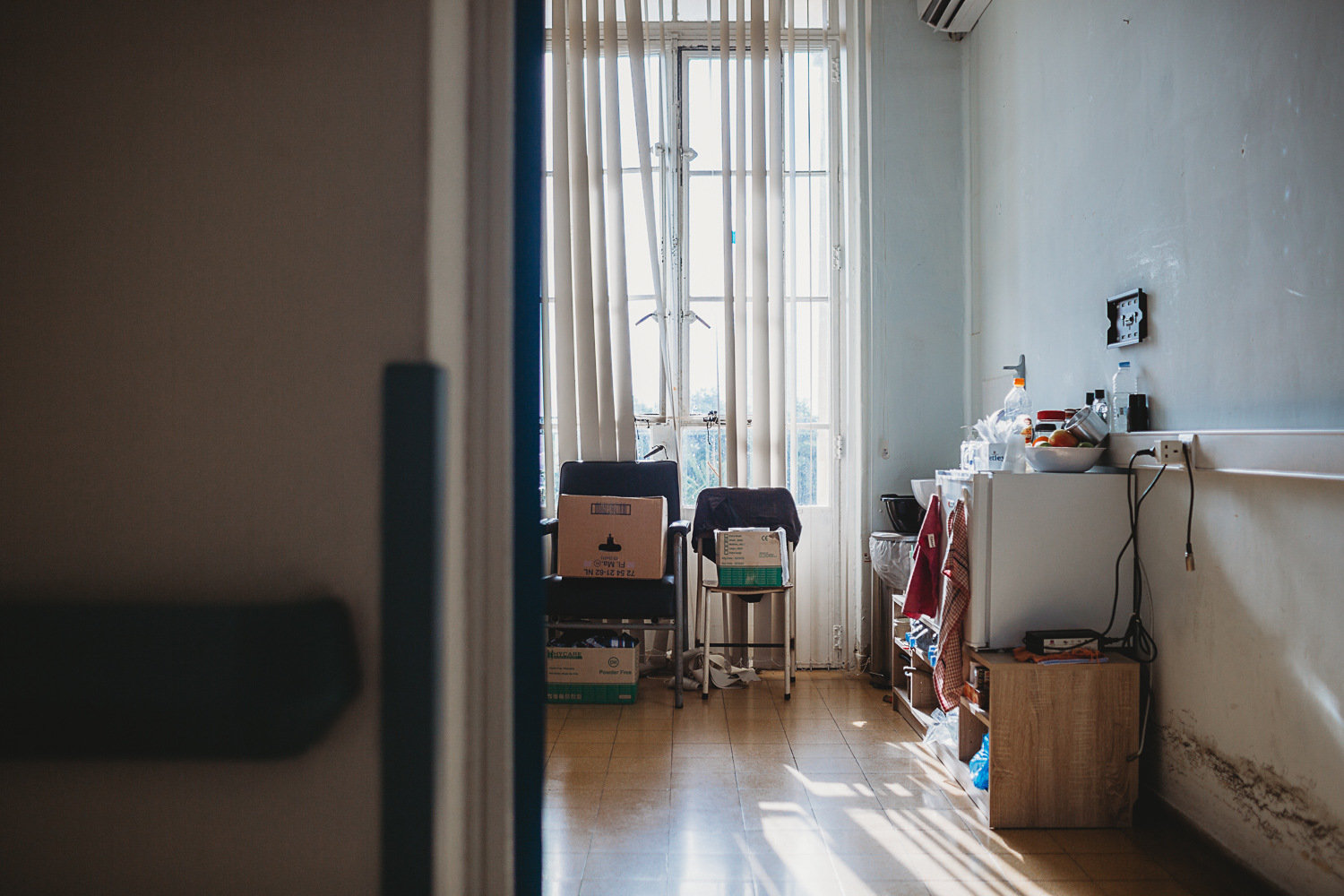
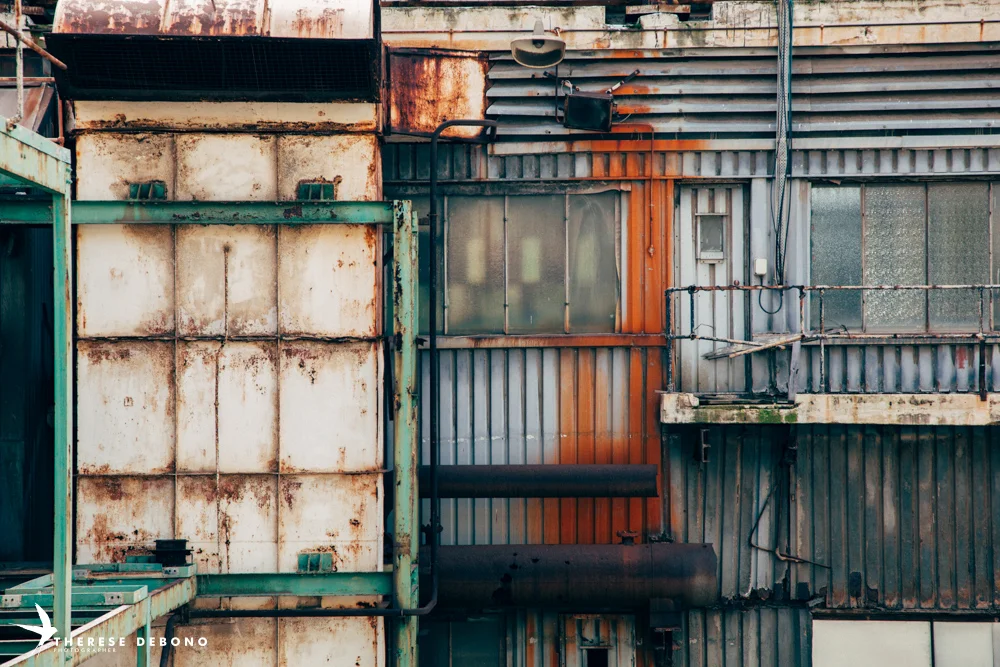
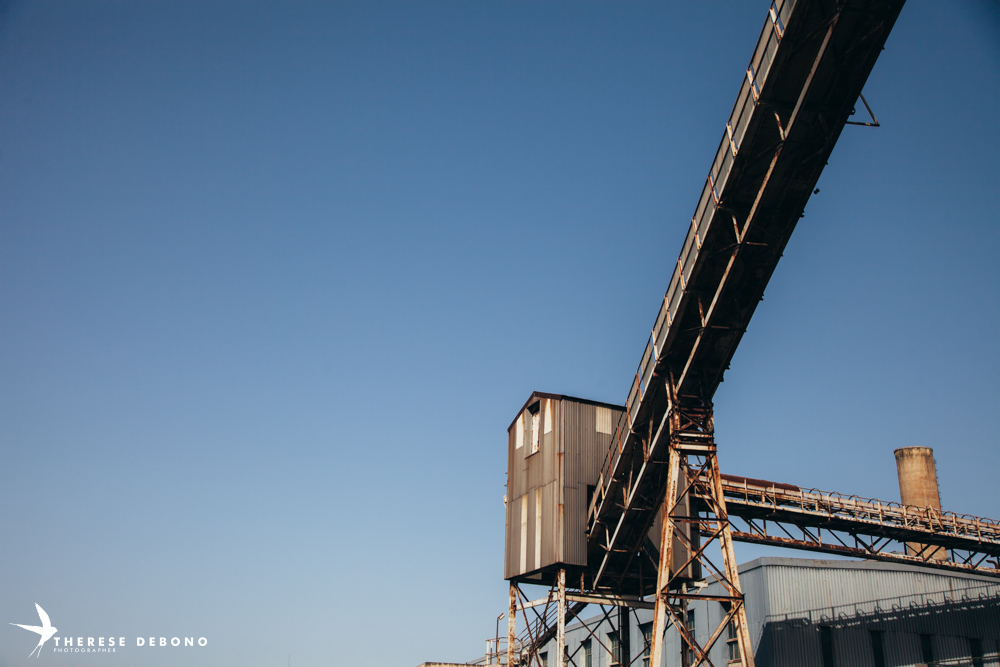
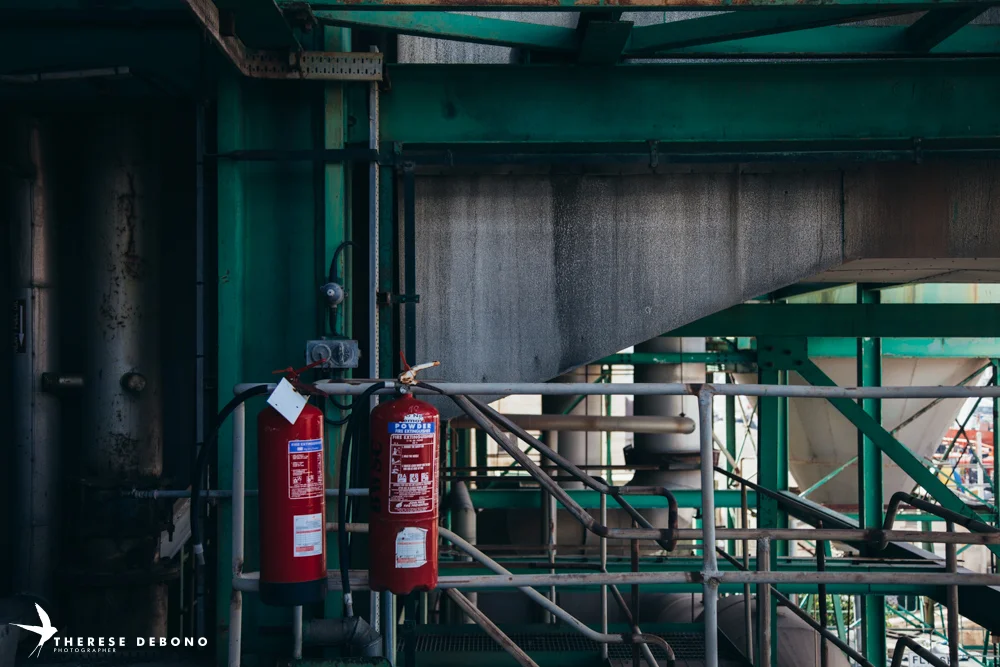
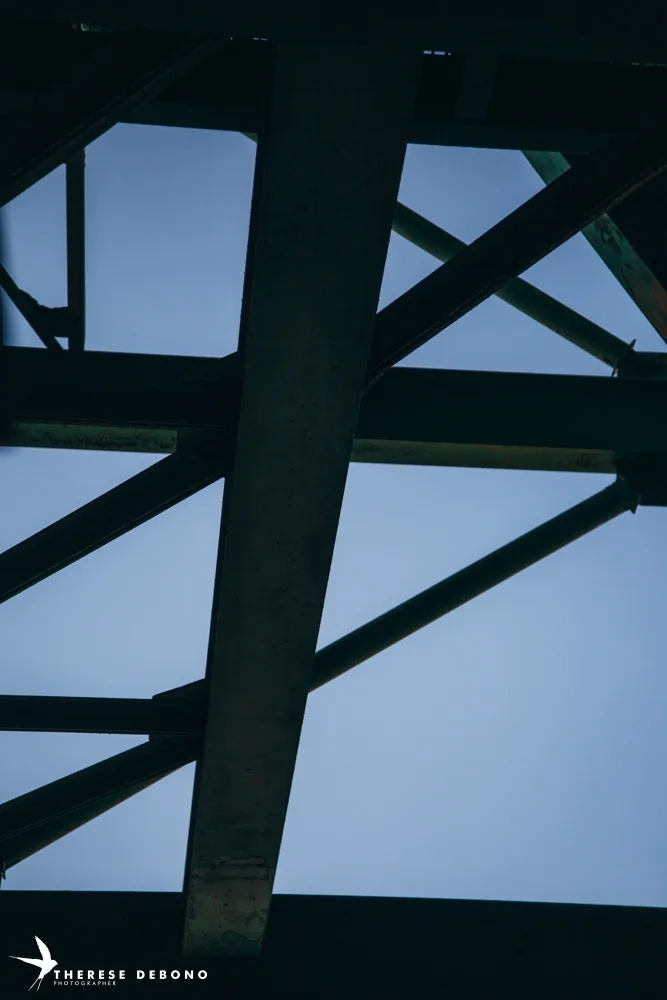
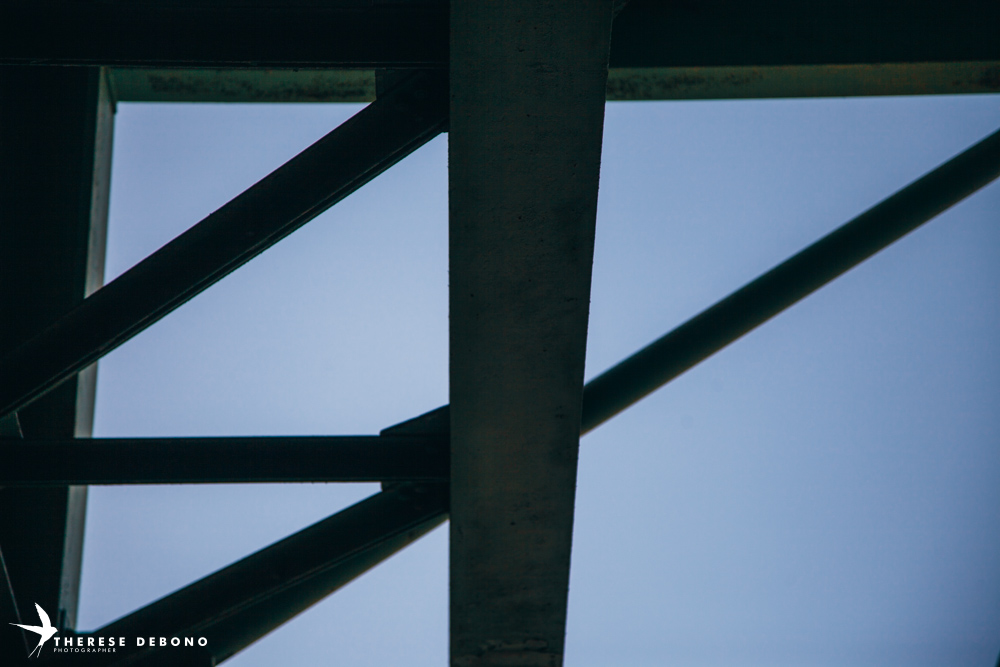
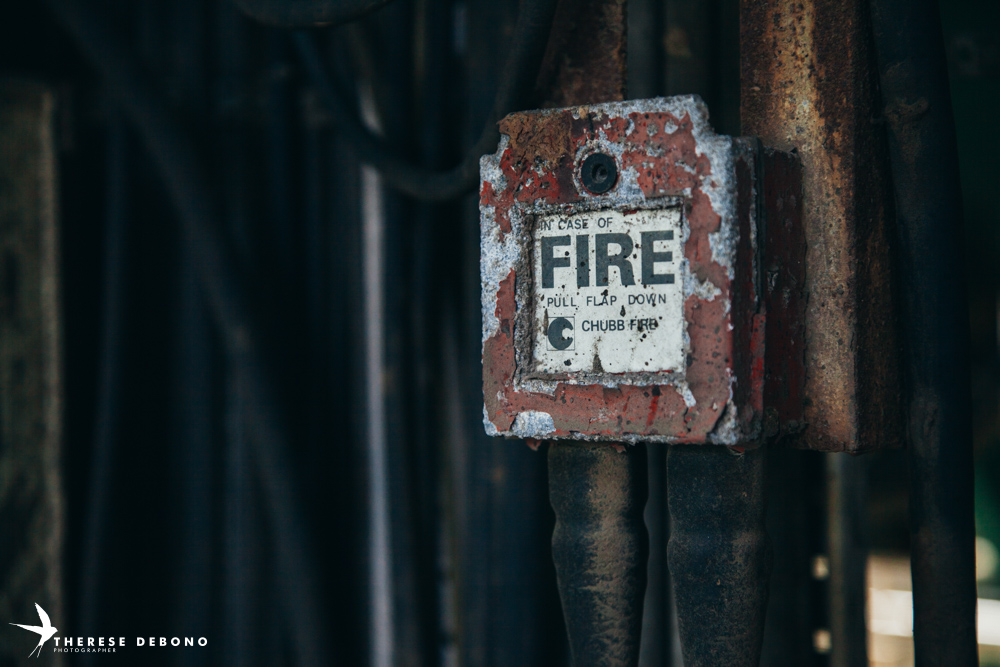
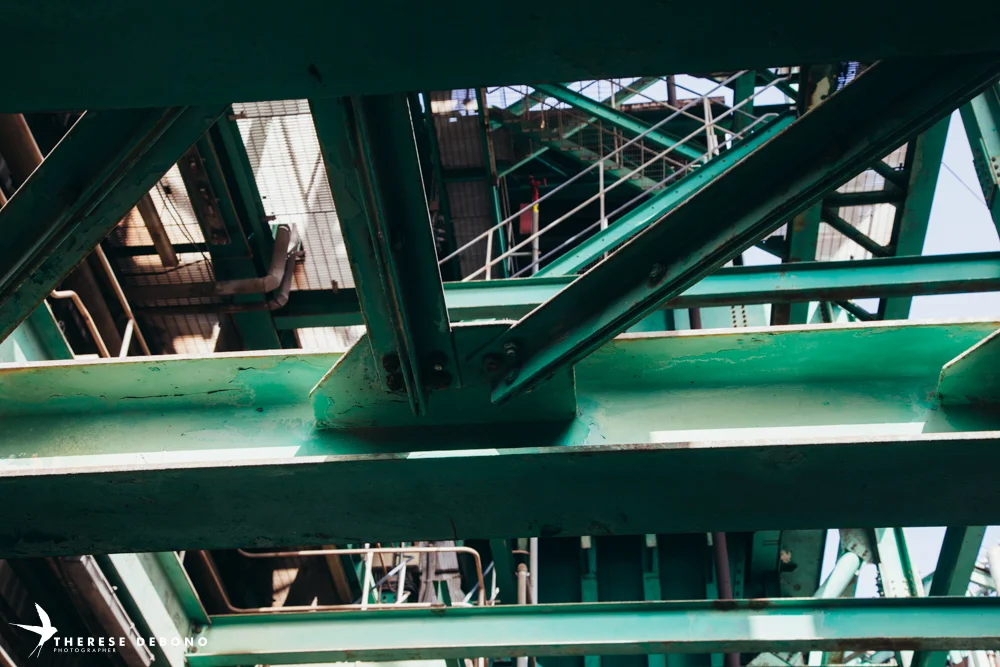
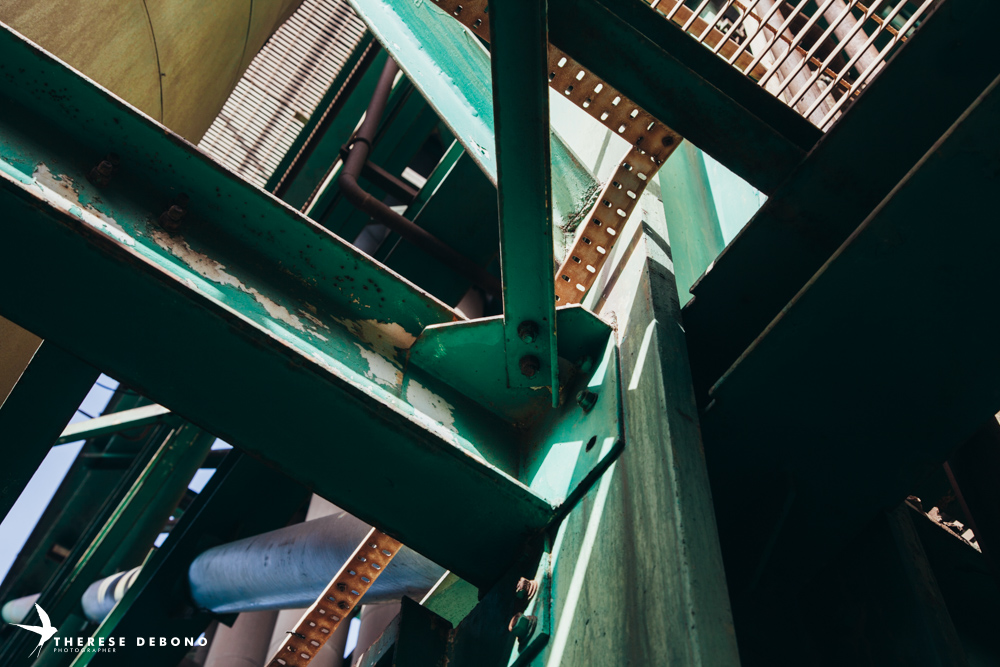
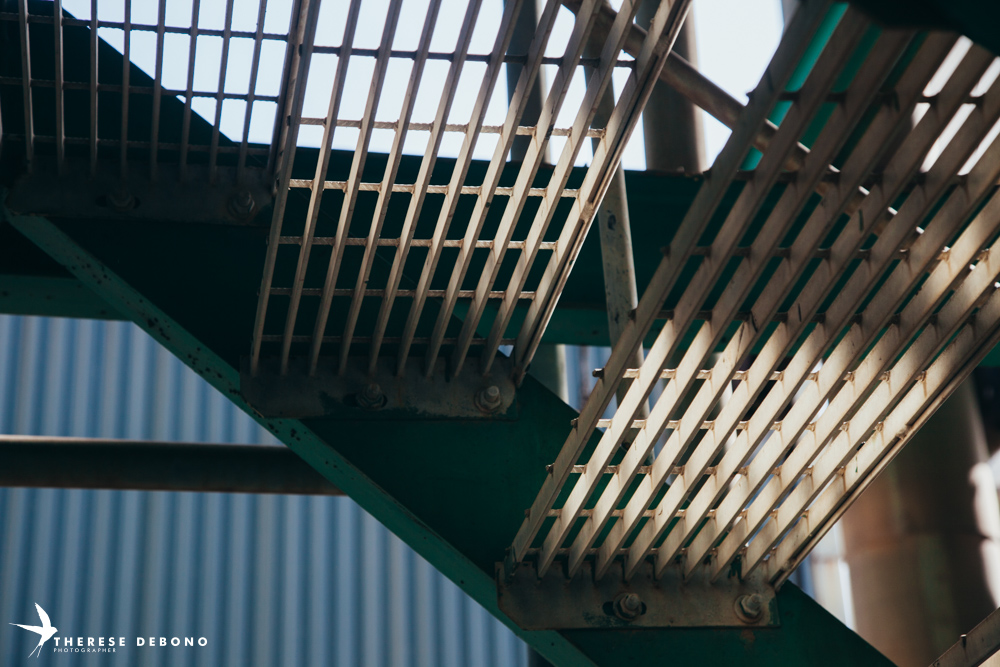
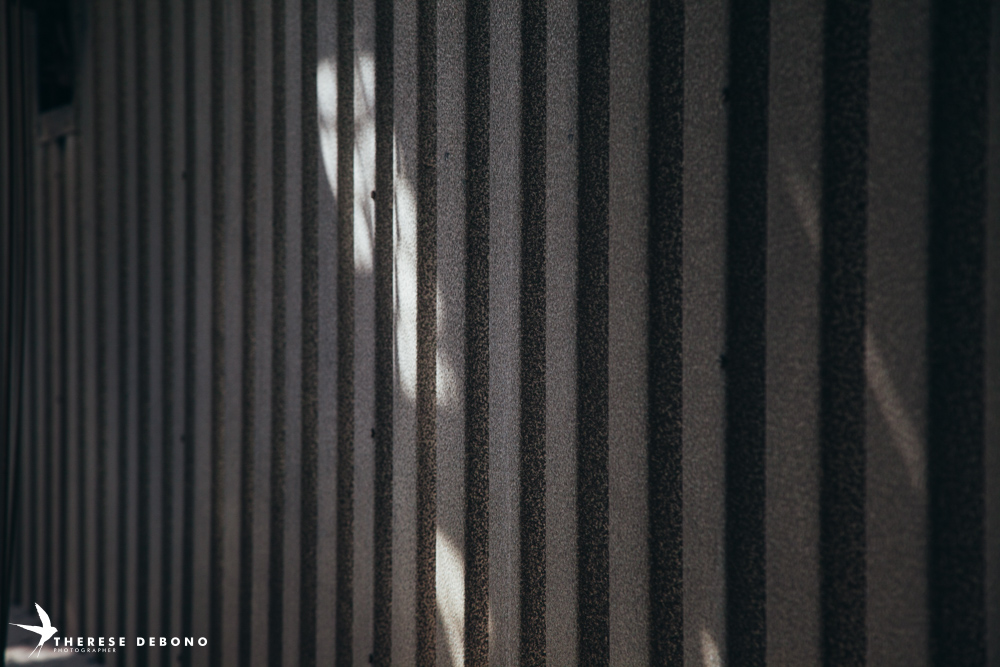
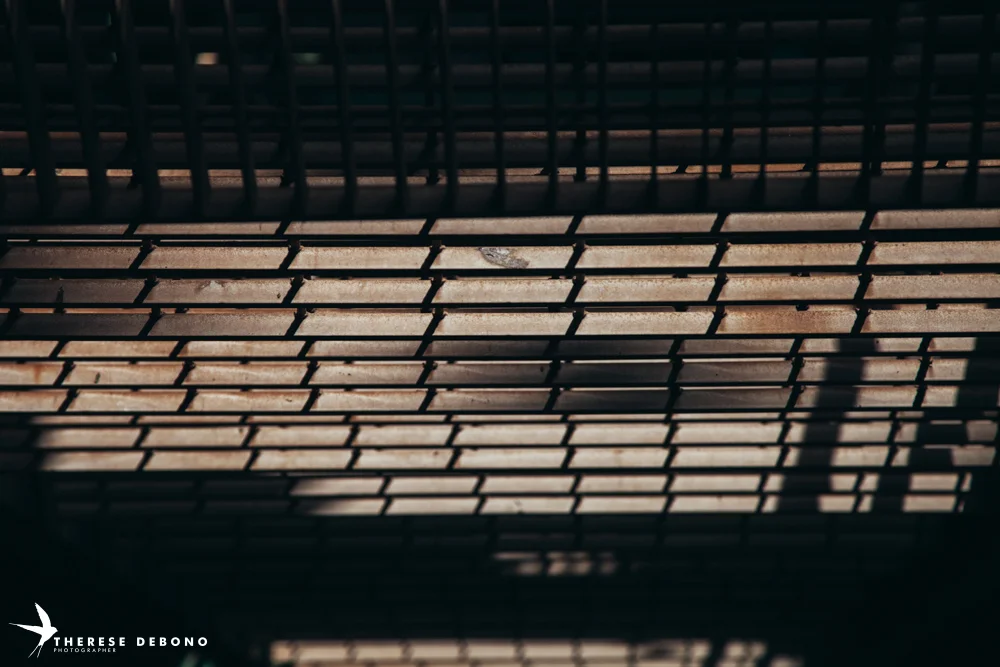
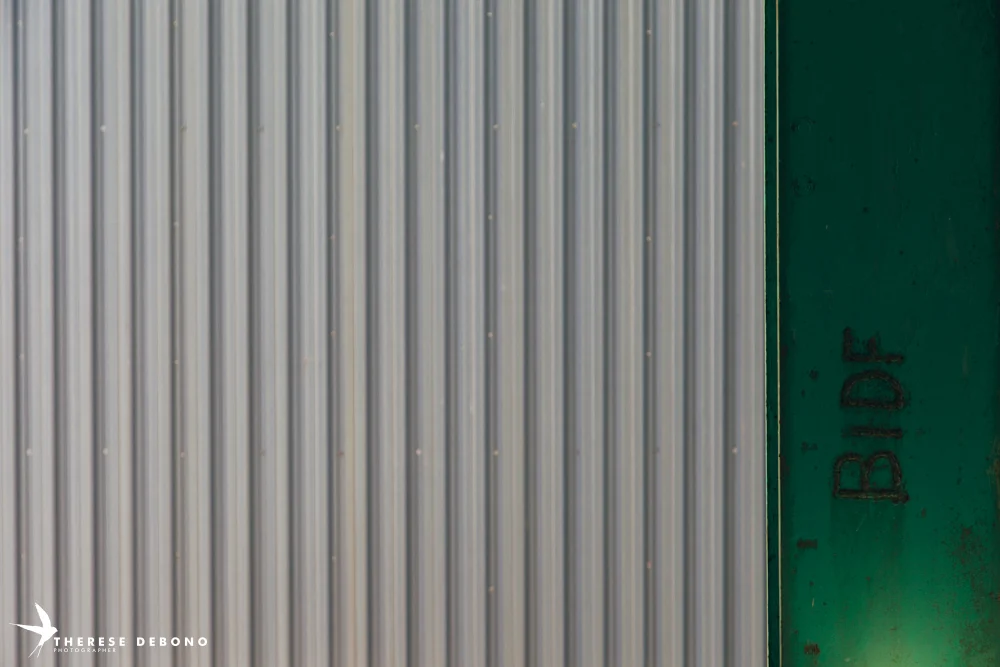
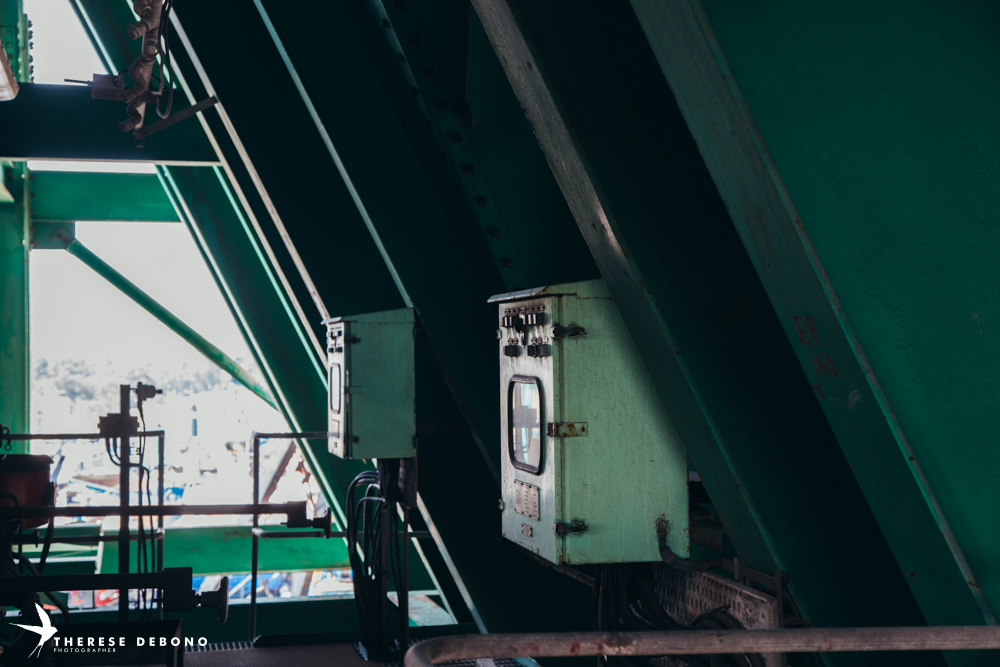
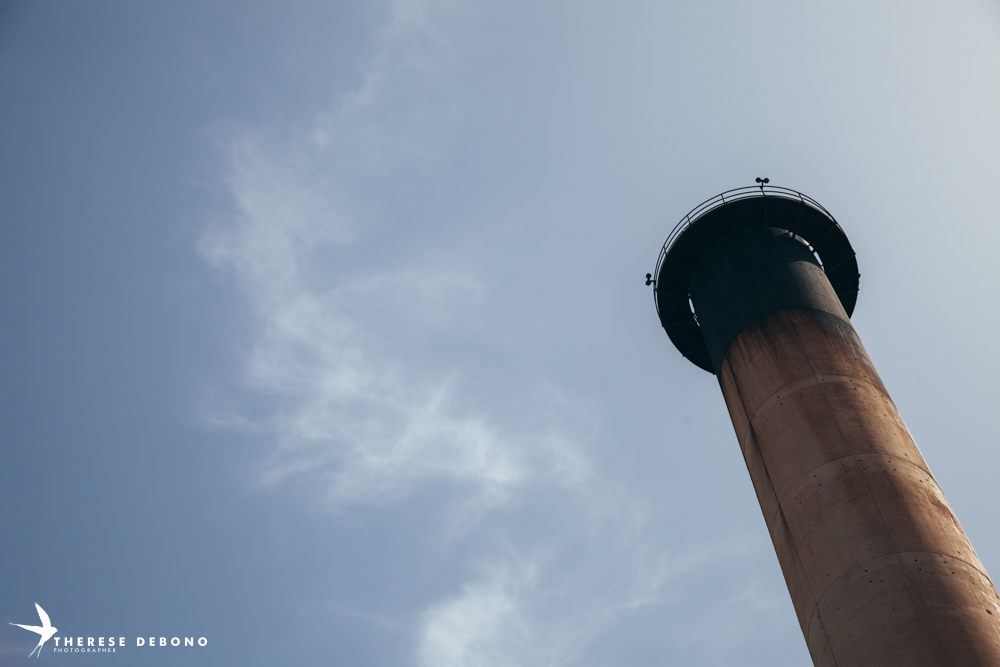
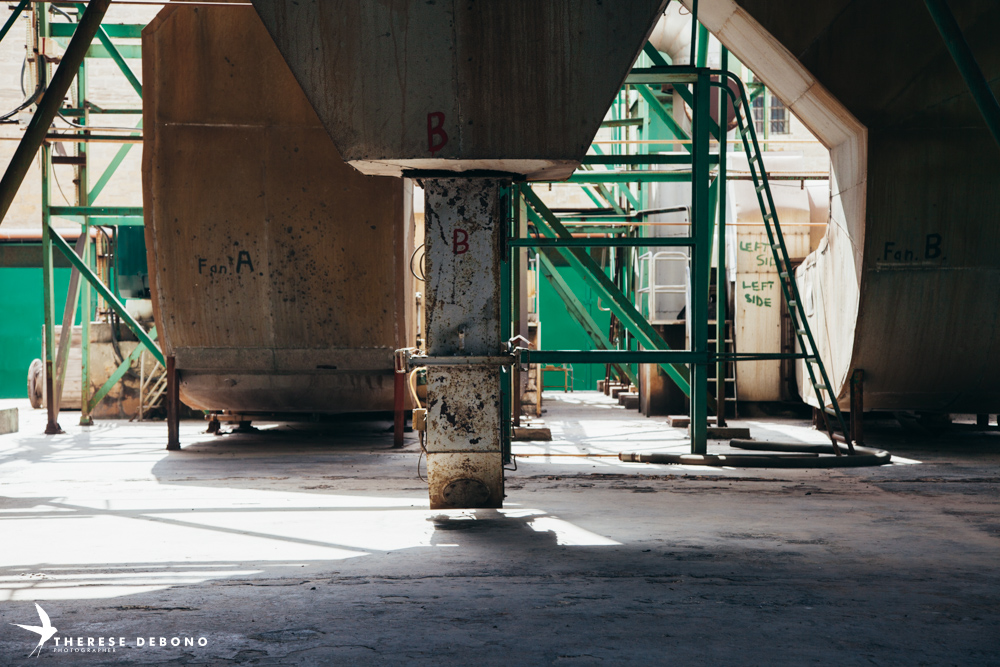
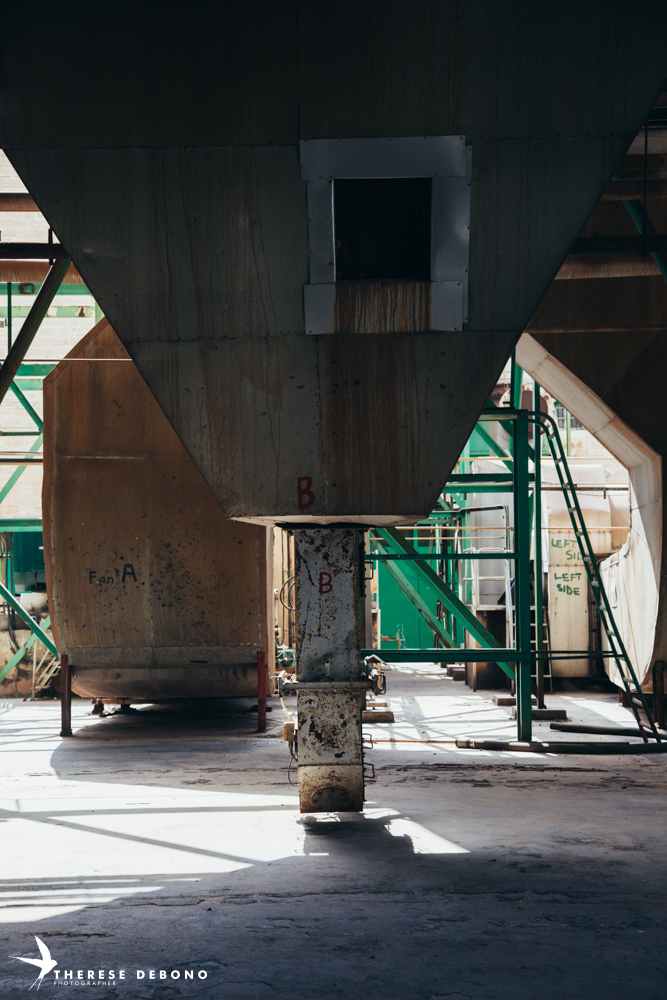
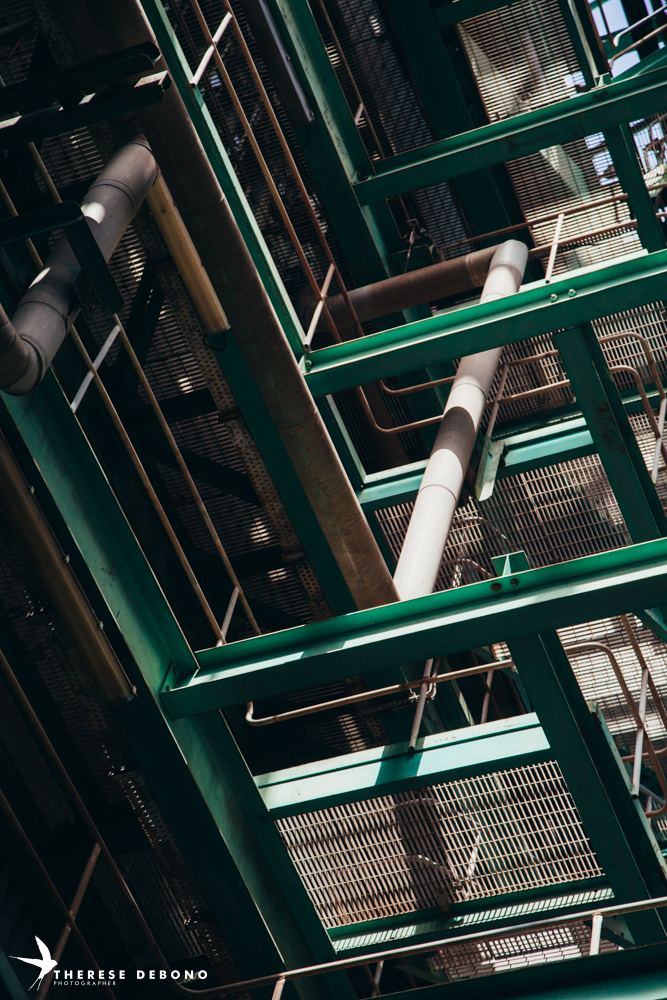
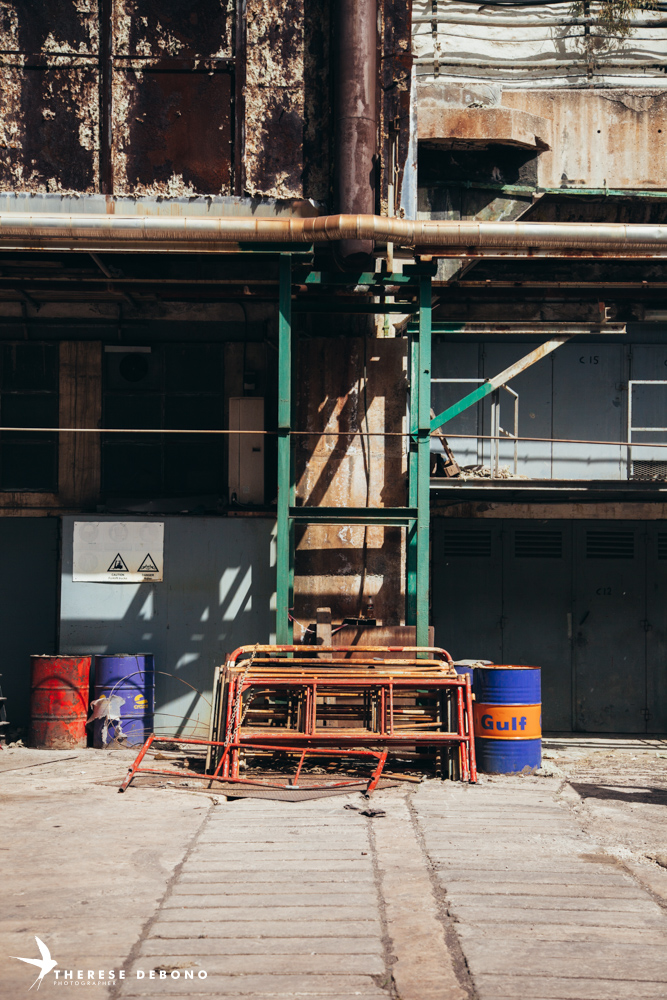
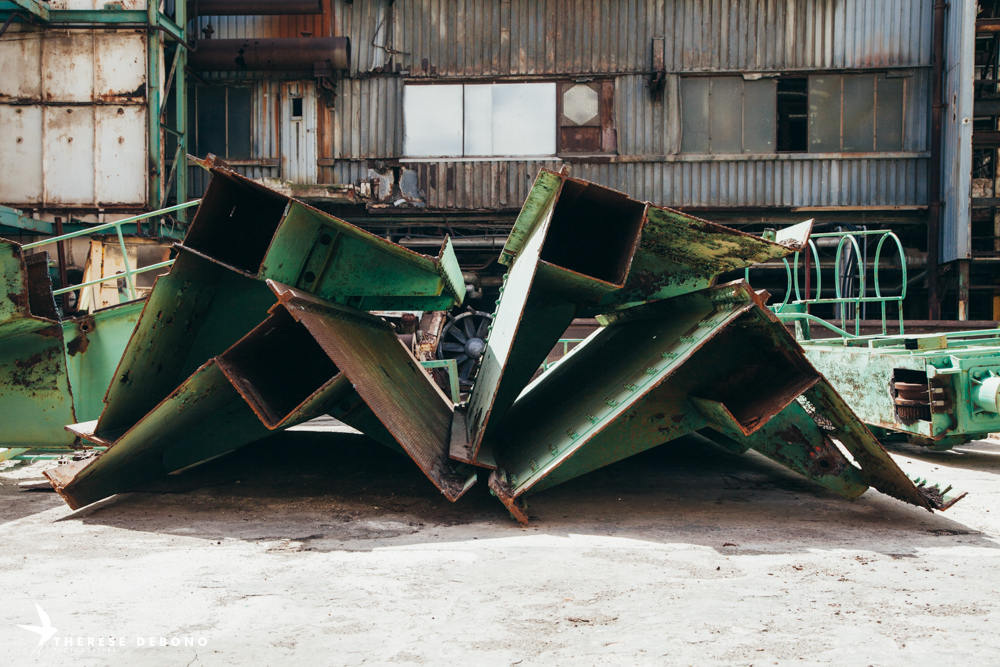
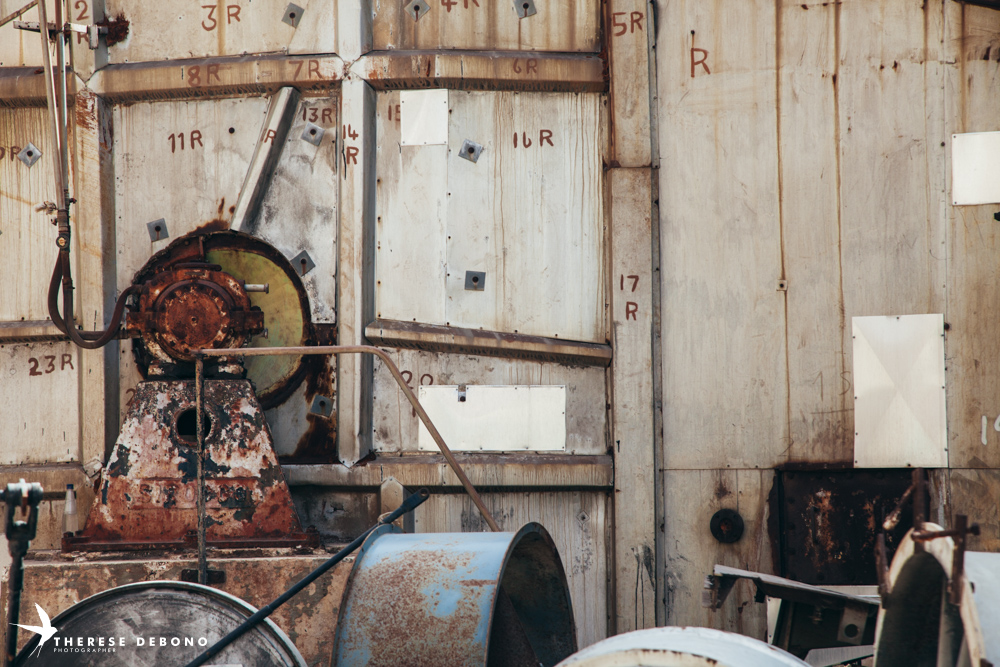
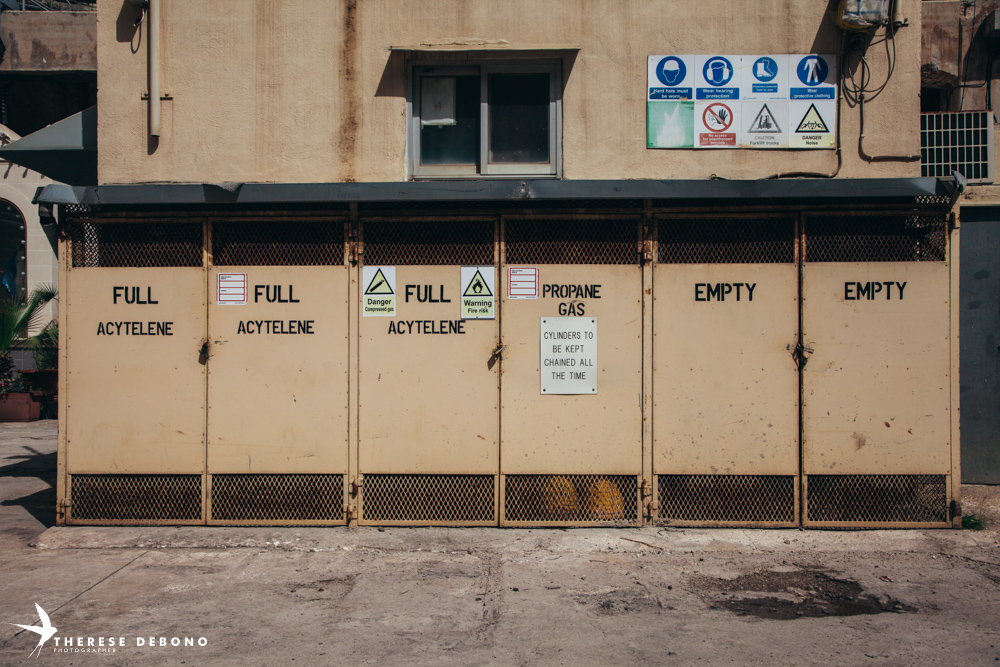
The defunct Power Plant in Malta which had been supplying energy to the archipelago for the past 60 years, can be classified as an abandoned architectural structure. A colourful collage of materials has been created due to the various structural interventions done to this power plant along the years to accommodate machinery and also working spaces for employees which in turn created an aesthetic dependant on chance rather than actual thought behind the works carried out. There is a certain aesthetic which develops over time as buildings cease to function for what they were intended to, and they turn into still places which just stand there, decaying over time. This series of images also shows how past human interactions contribute to further enhance aesthetics whilst the building ages and decays in silence.
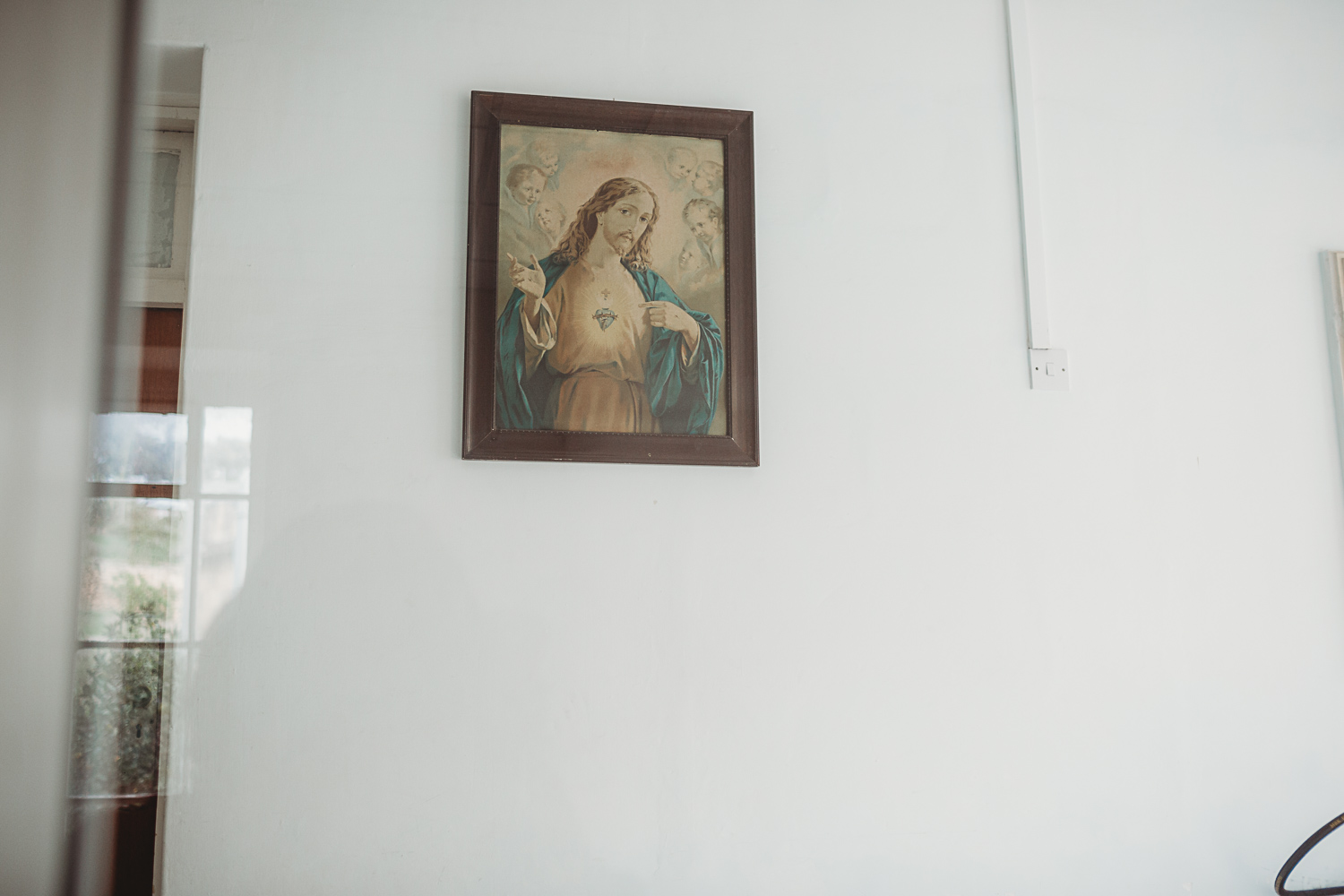
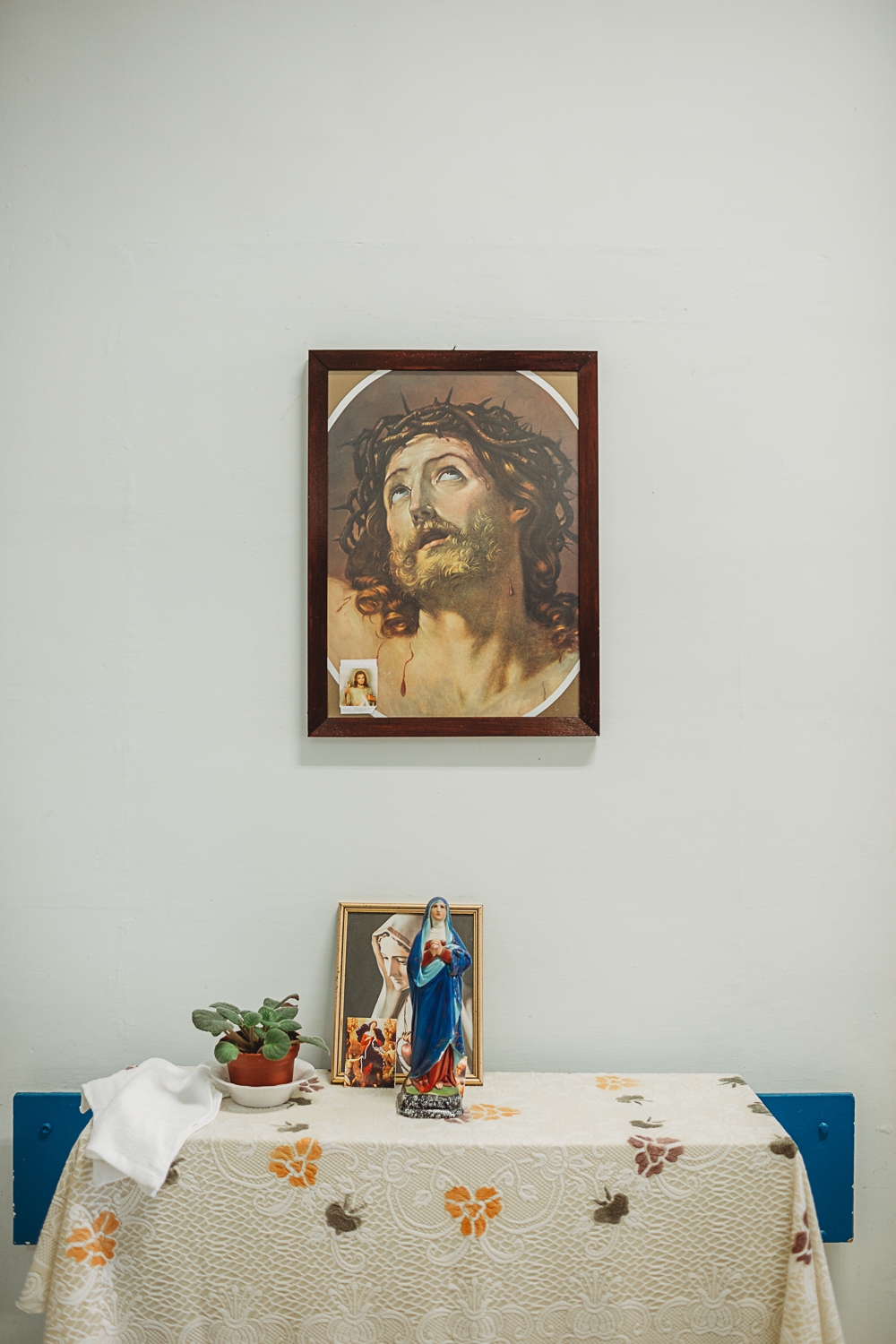
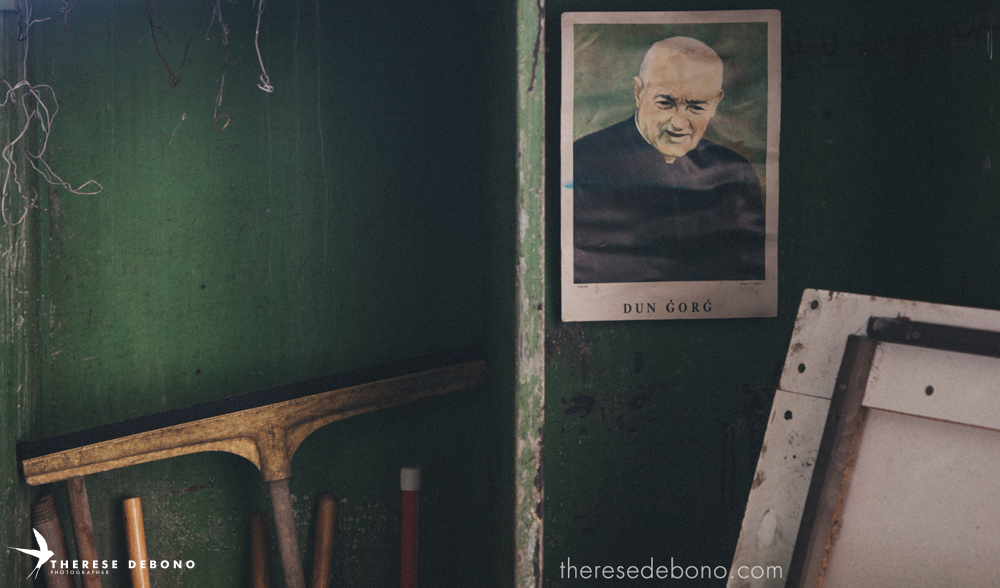
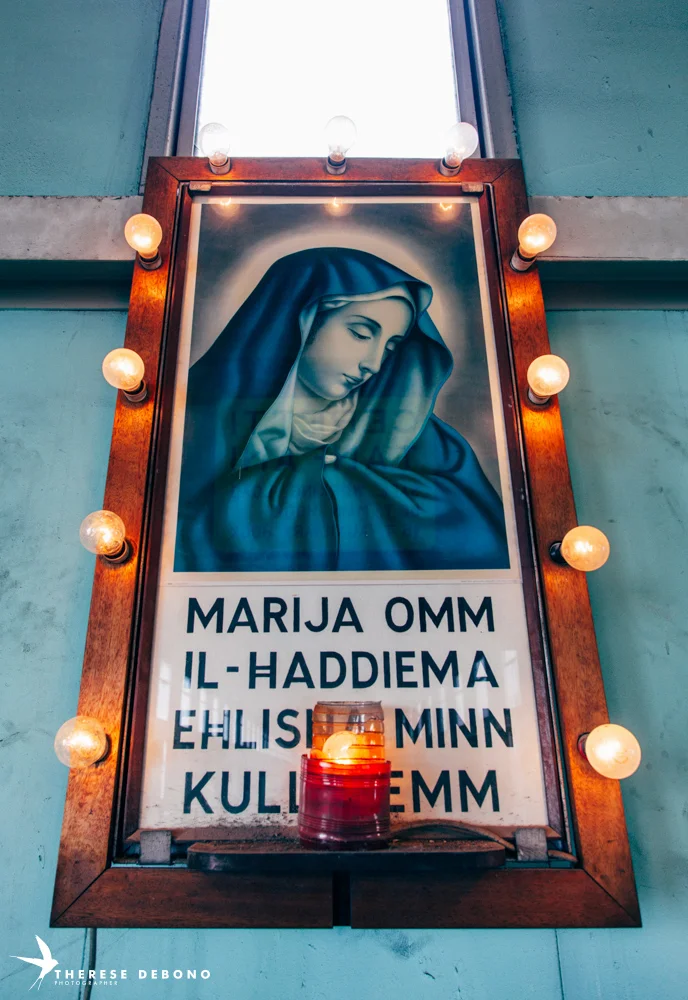
The aura within the stillness of the power plant gives the place’s decaying process a story which can best be accomplished by the photographic medium. Photography narrates a story of what this place has become to be in the most straightforward way however some images capture traces of humans which are often left open to interpretation. The strong Christian culture of the island comes through with the image of Our Lady of Sorrows prominently hung in one of the main working areas, and that of saints also found in utility cupboards. One can see that even though workmen utilise the place for work, human beings still try to create some sort of comfort zone within the work space to make it more familiar.
This body of work shows how the photographer explored the interaction of the workmen with the workplace, and how the remaining traces have affected the decaying process of the power plant which resulted into a juxtaposition of colourful architectural patchwork due to the weathering of the materials used as well as the remains of human artefacts left scattered around the power plant when it was vacated.
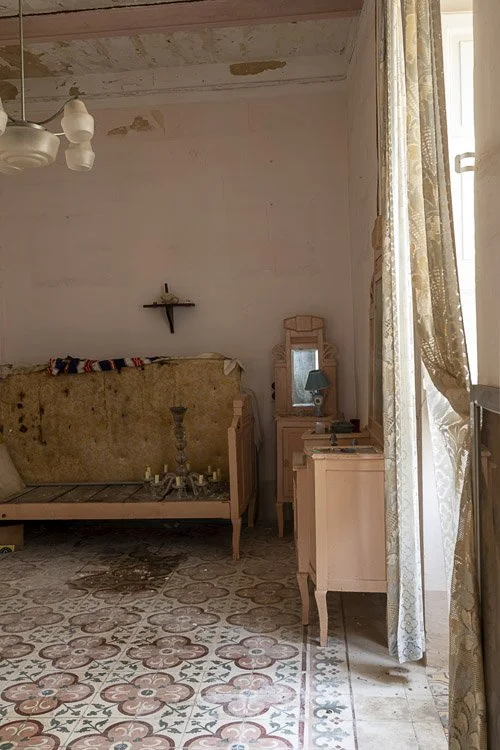
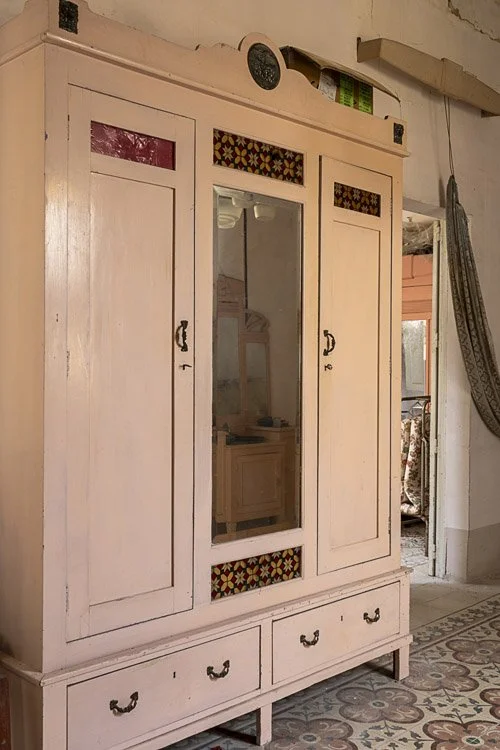
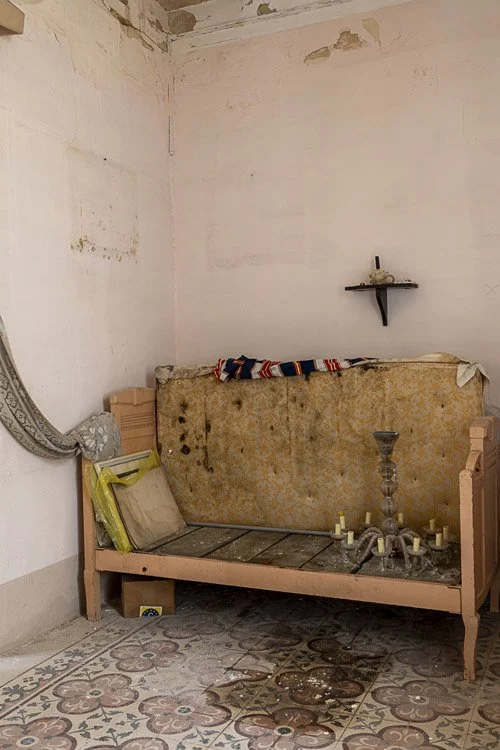
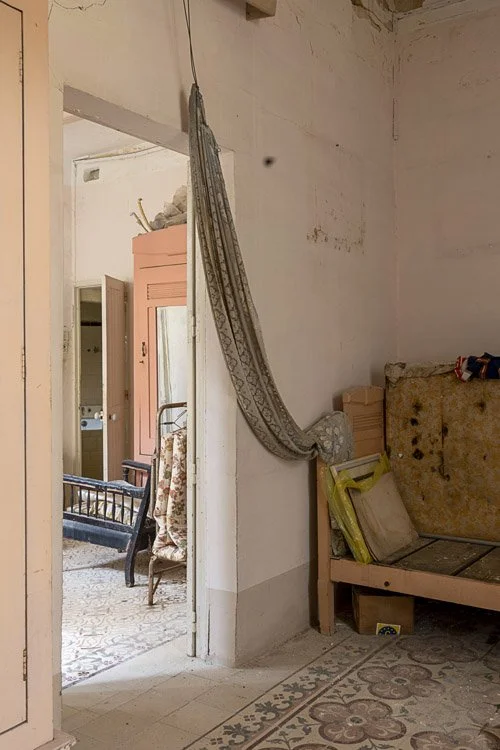
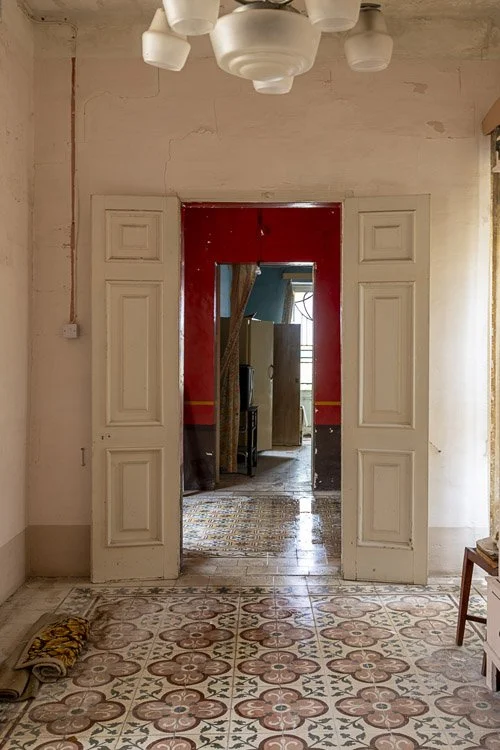
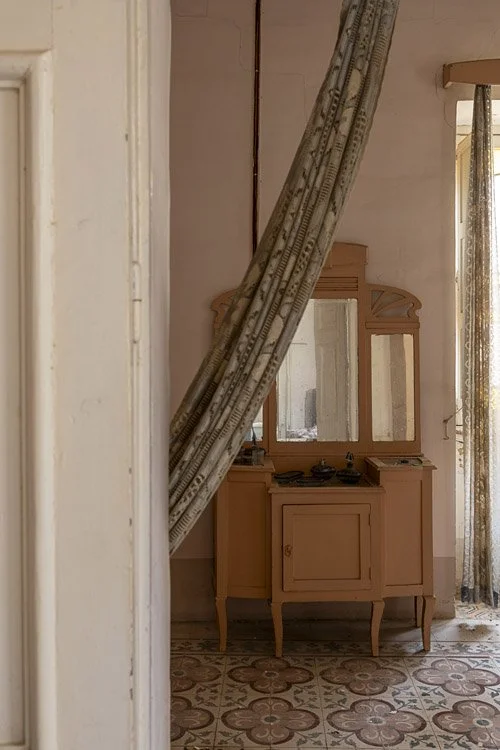
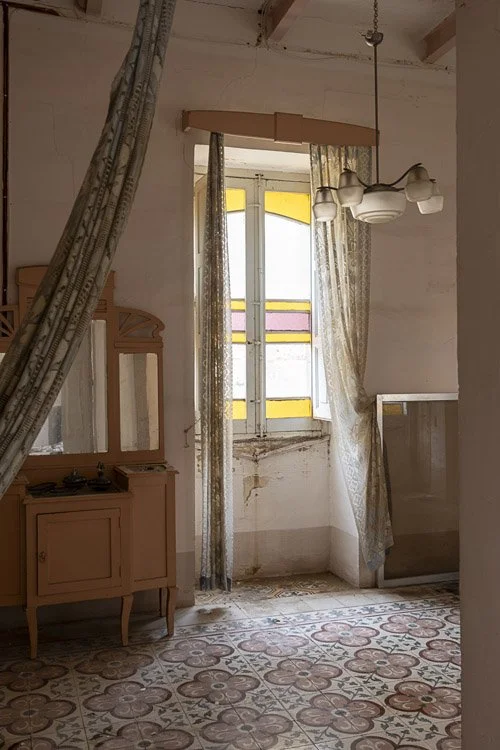
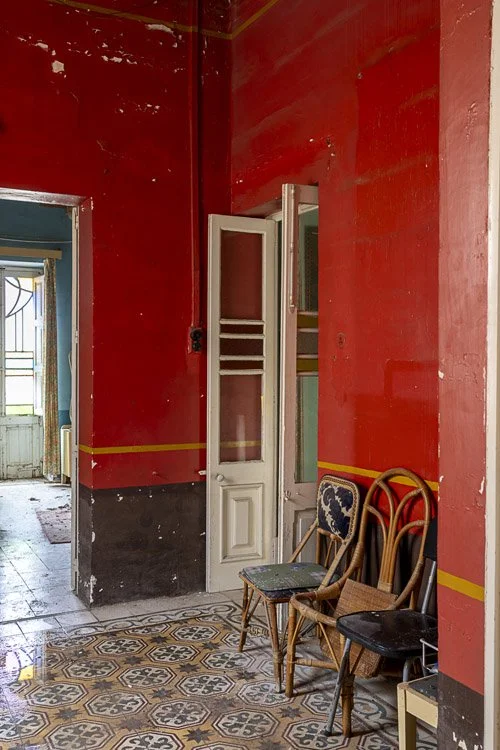
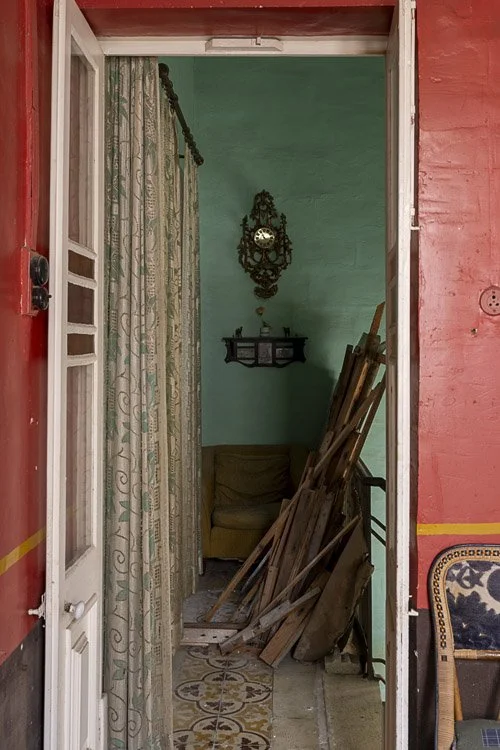
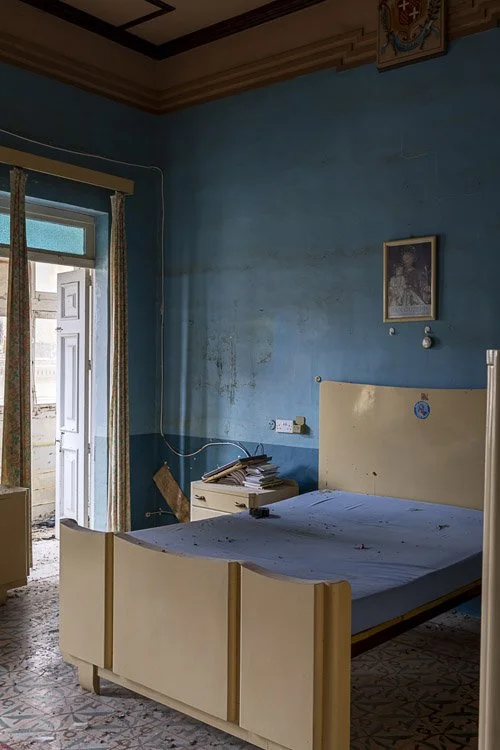
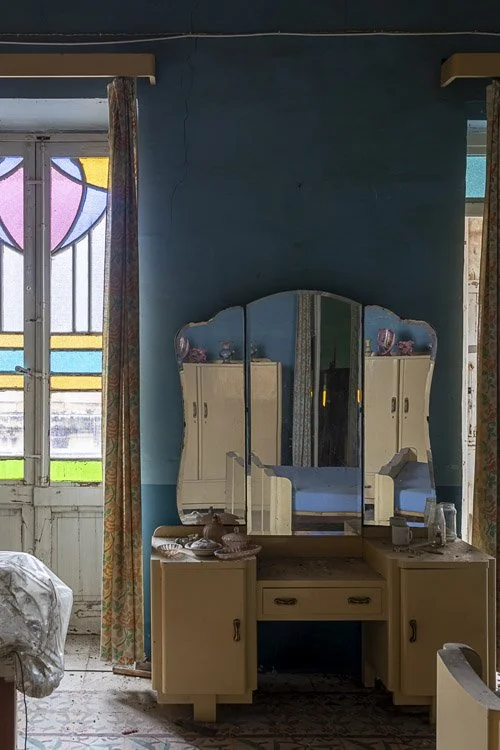
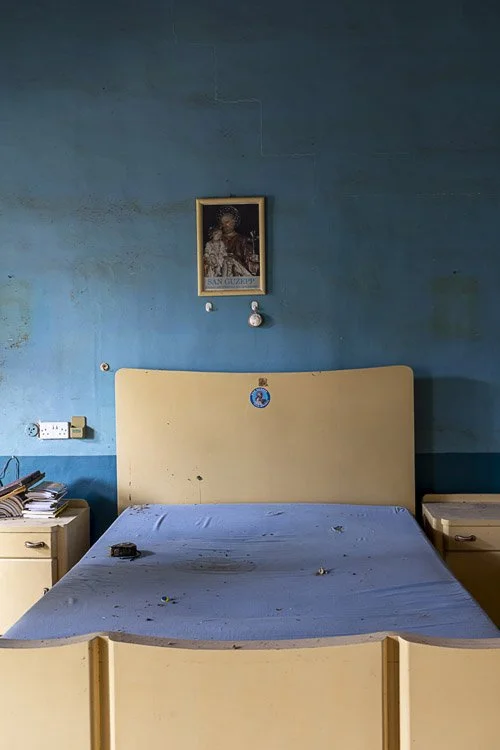
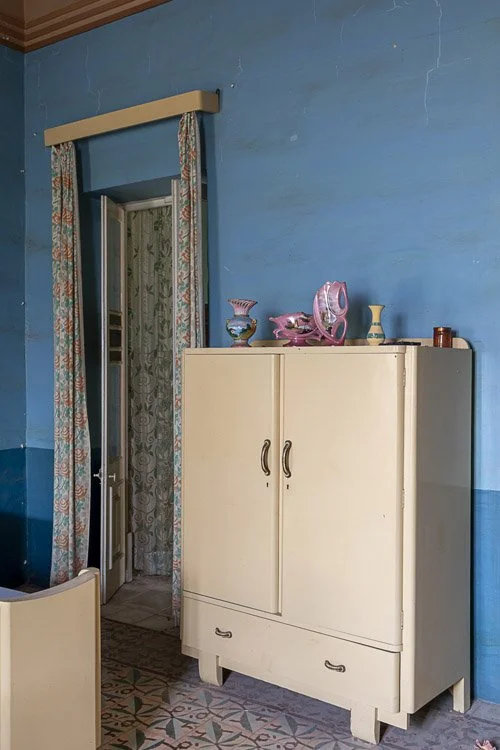
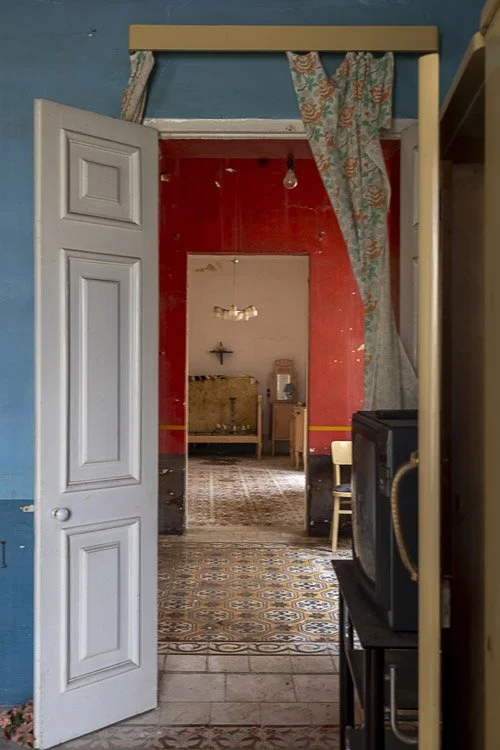
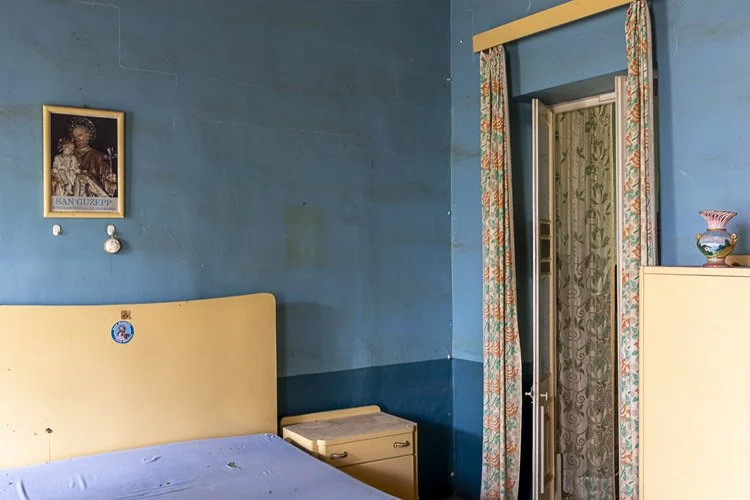
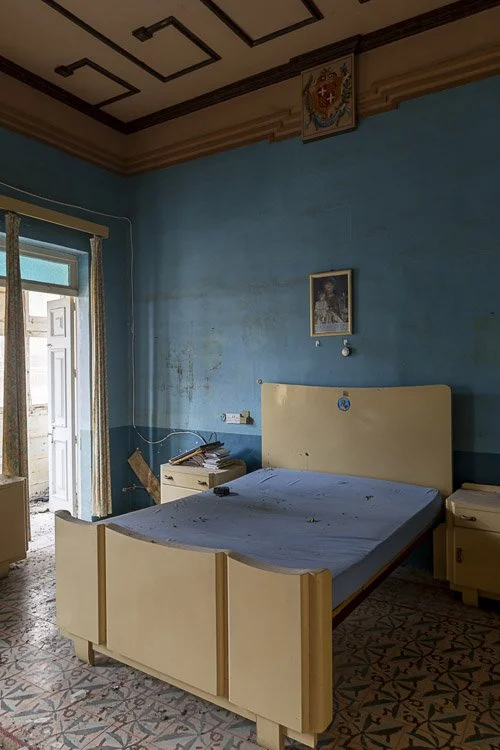
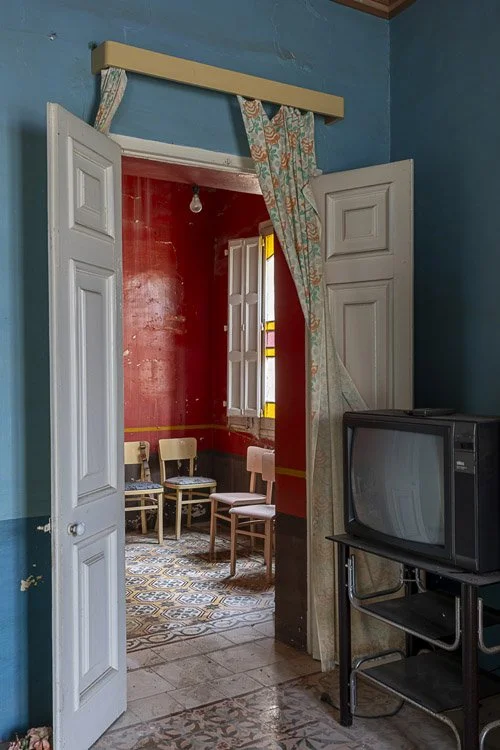
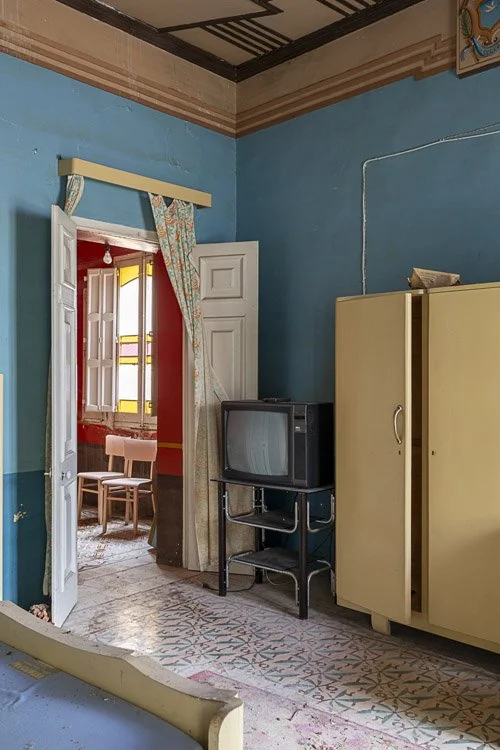
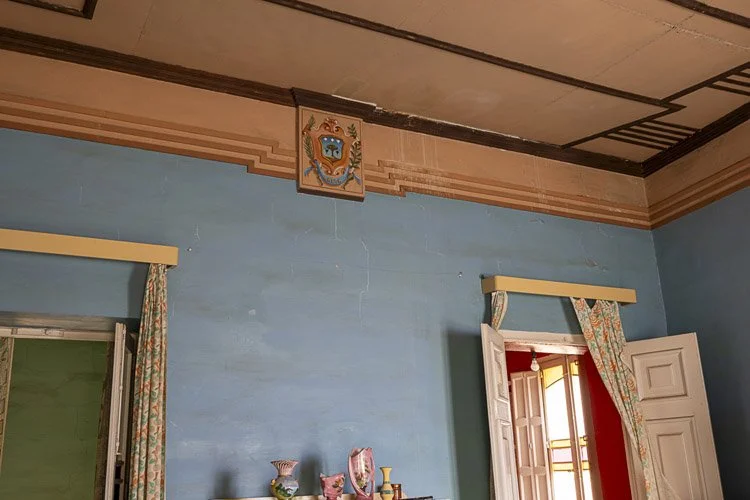
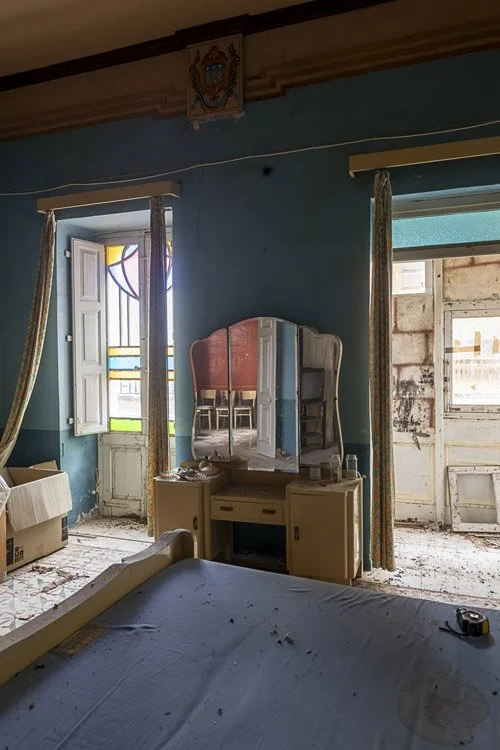
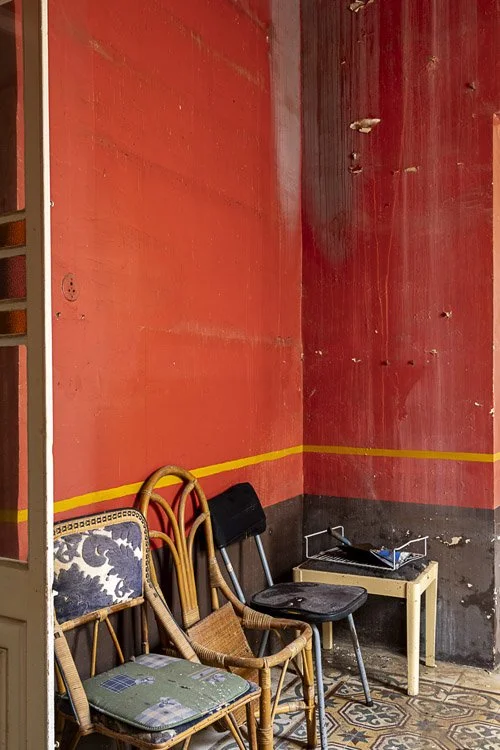
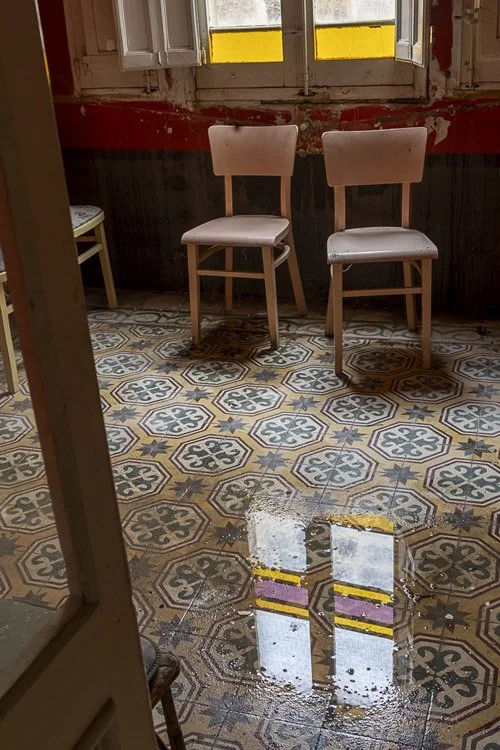
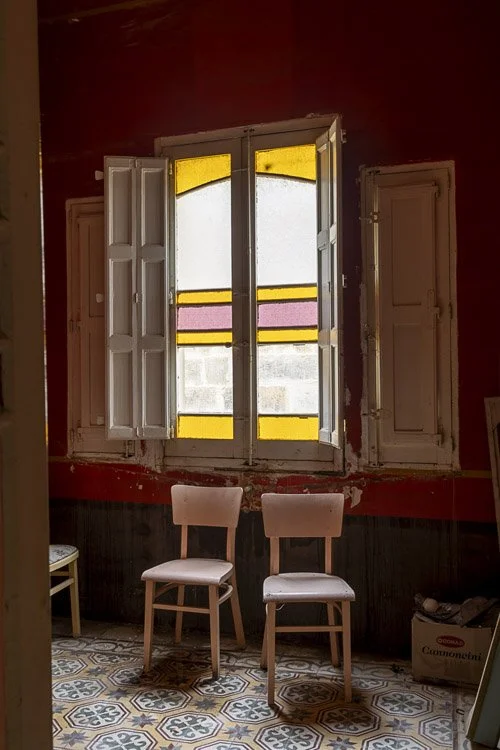
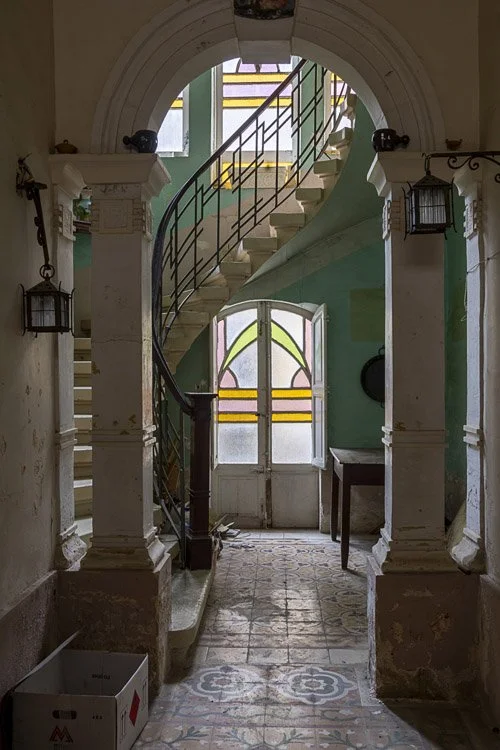
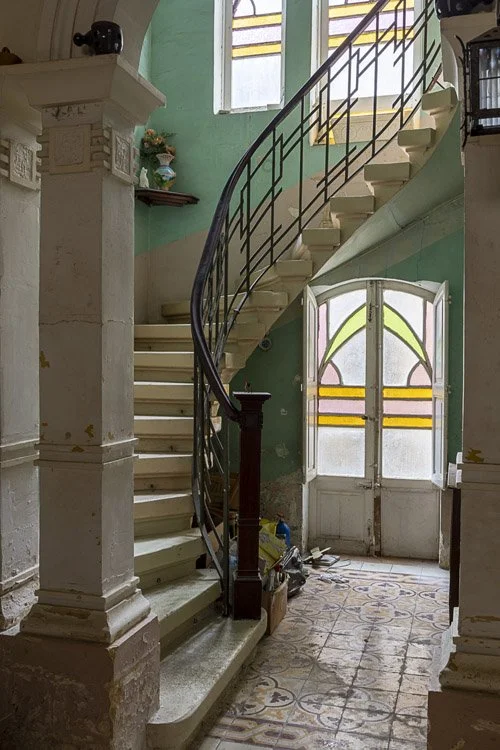
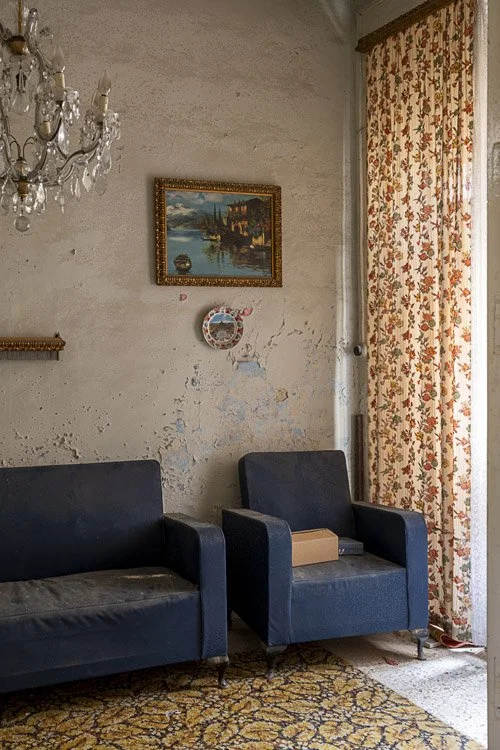
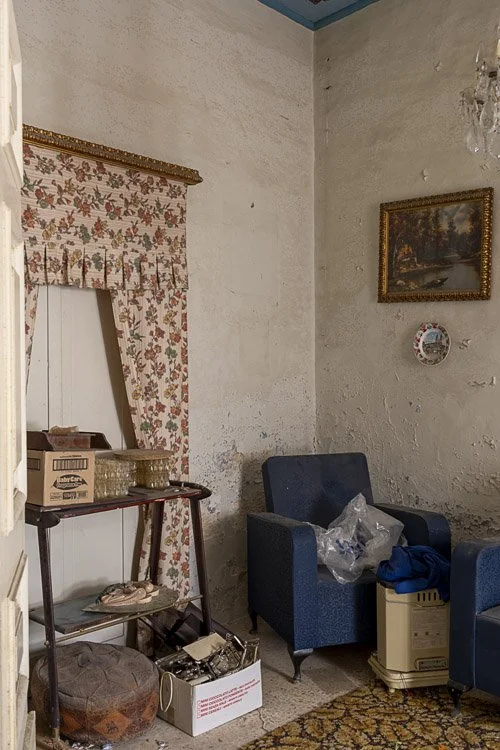
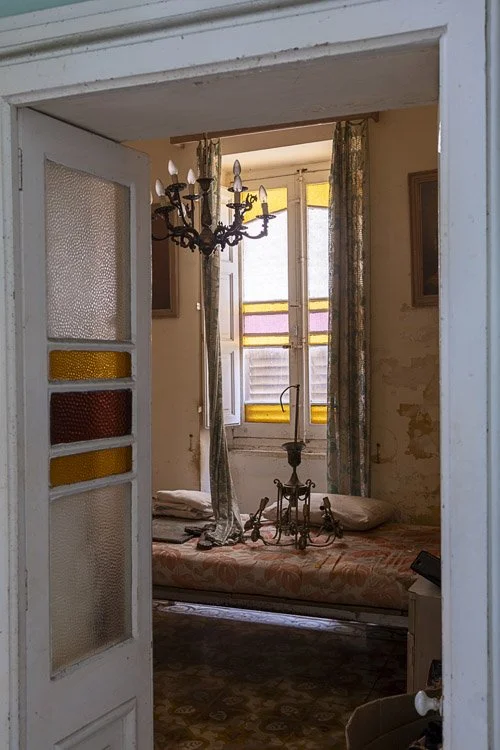
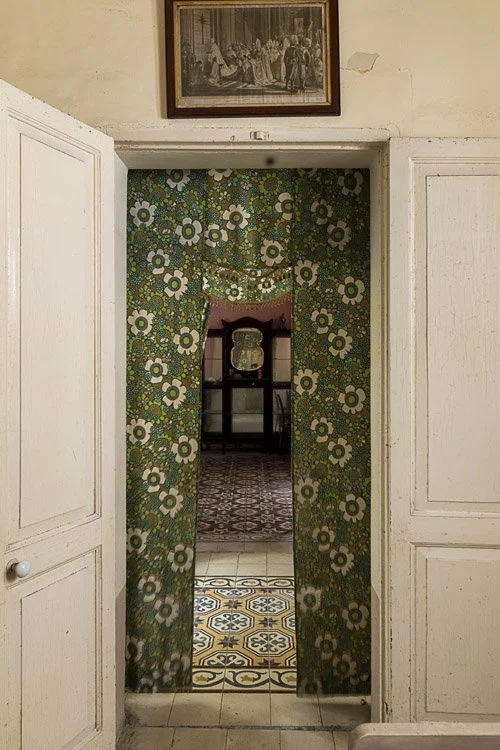
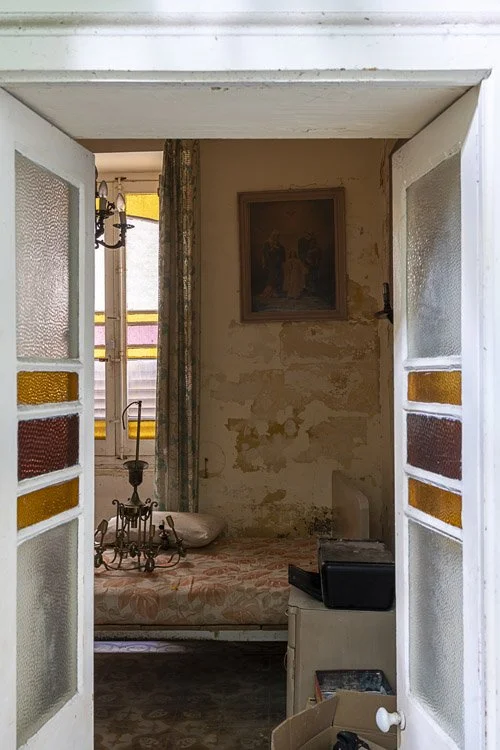
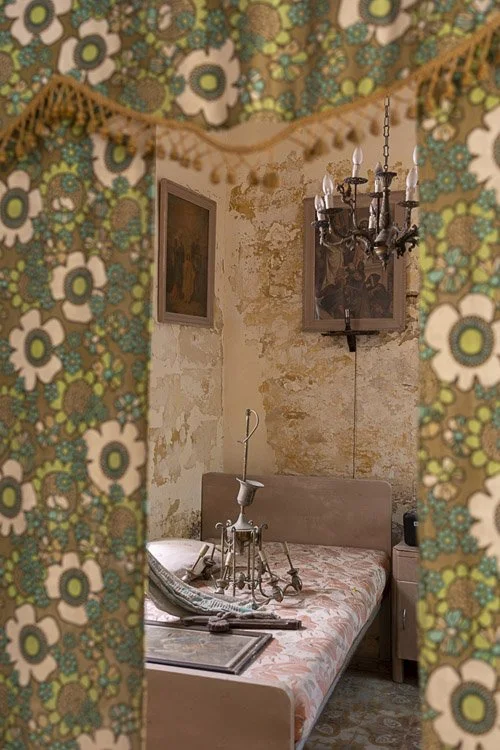
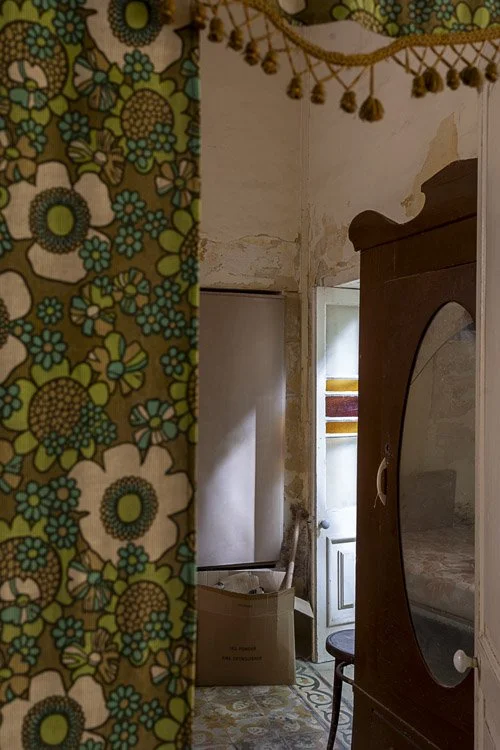
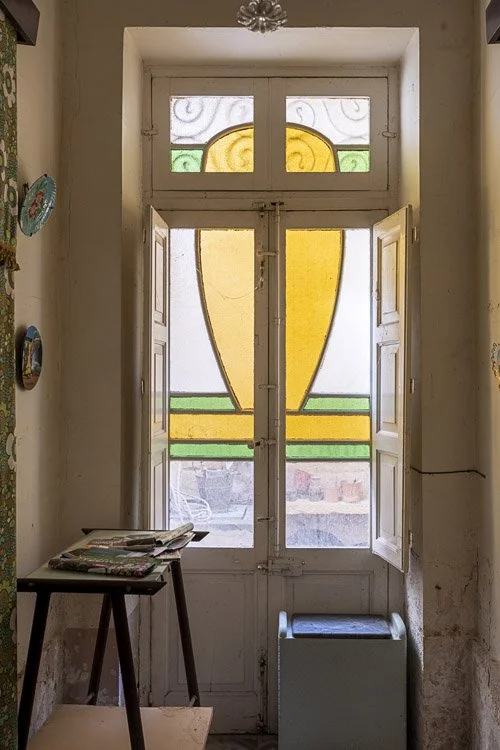
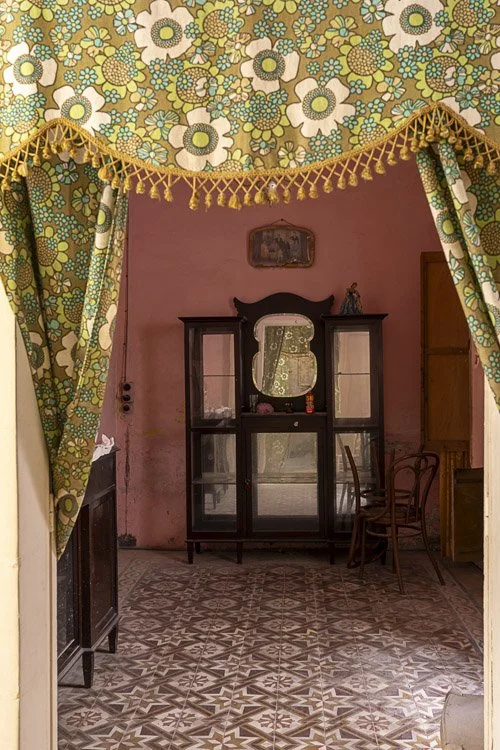
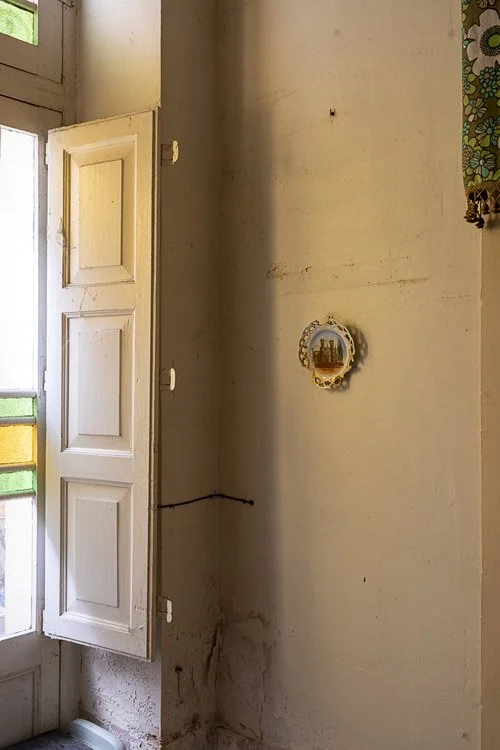
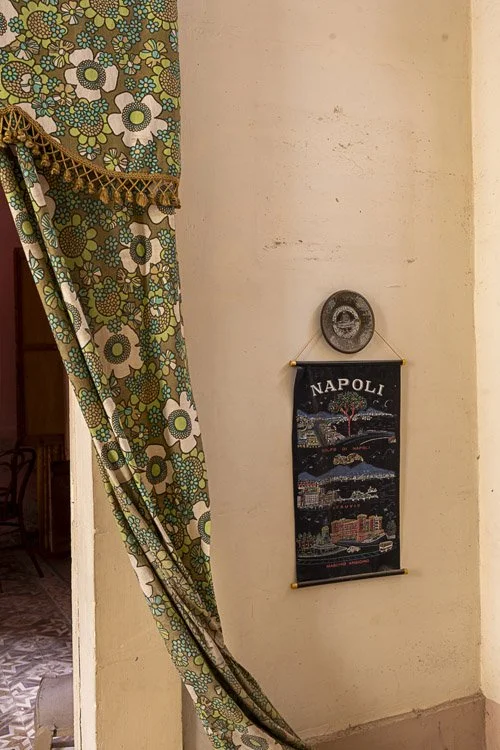
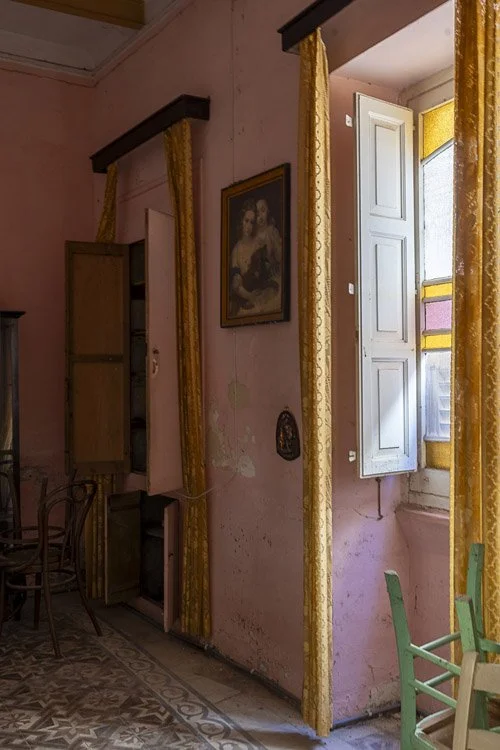
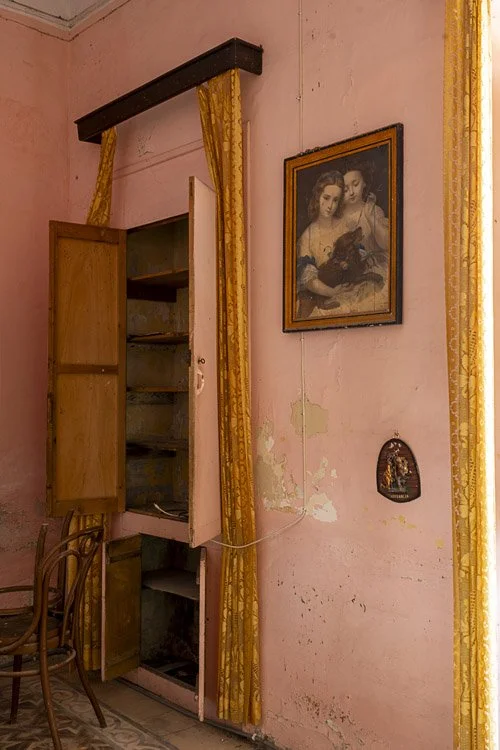
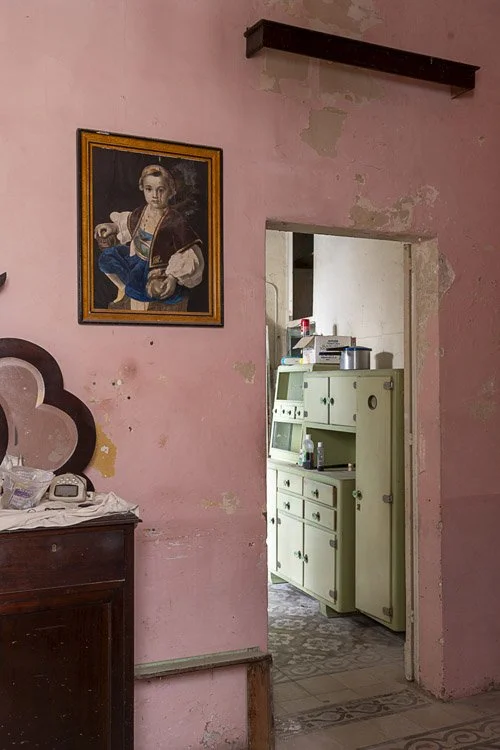
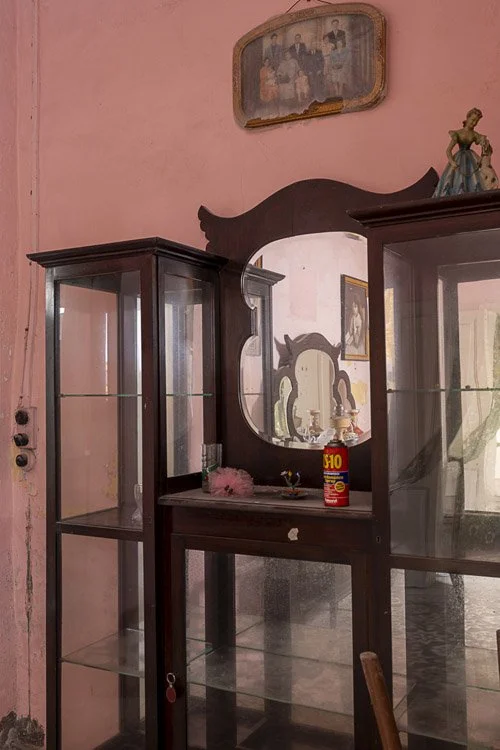
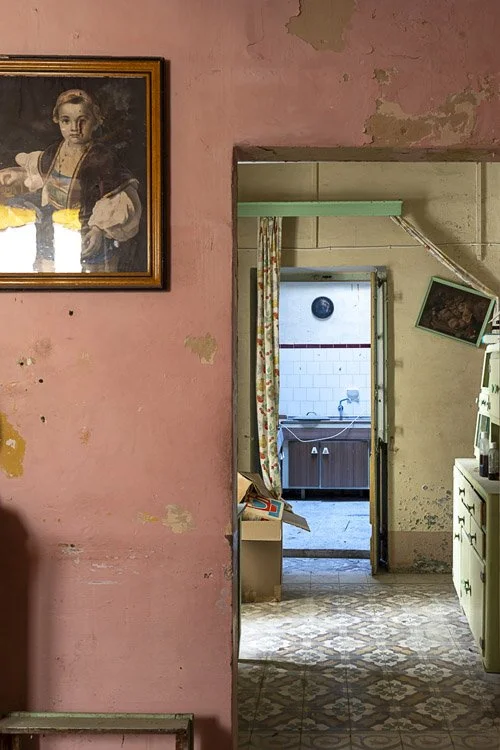
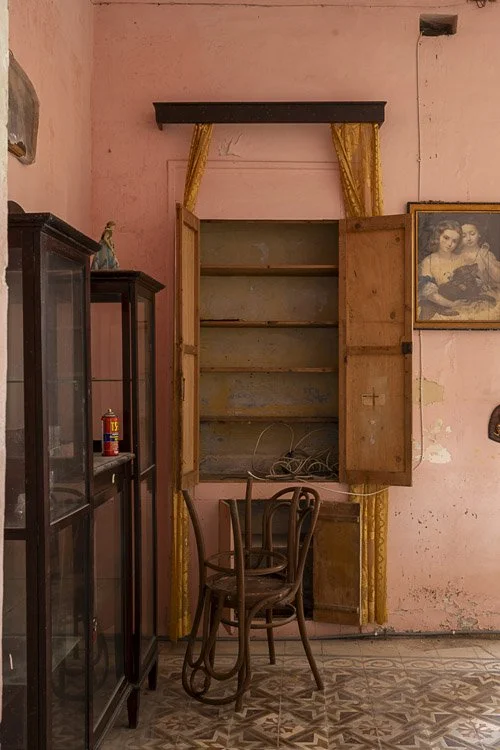
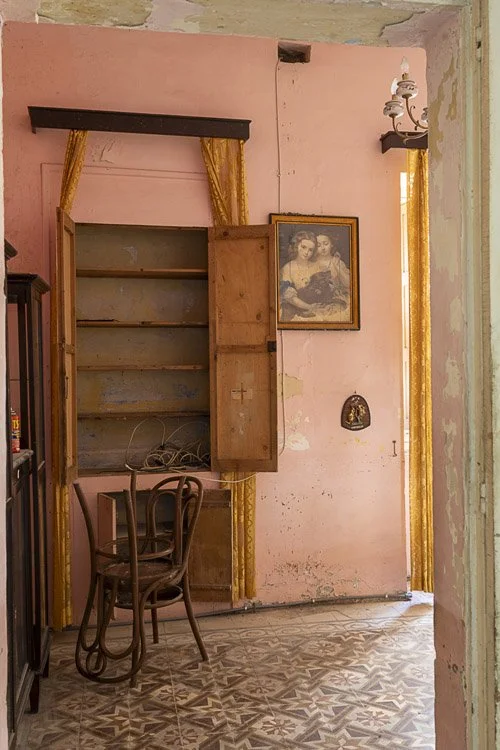
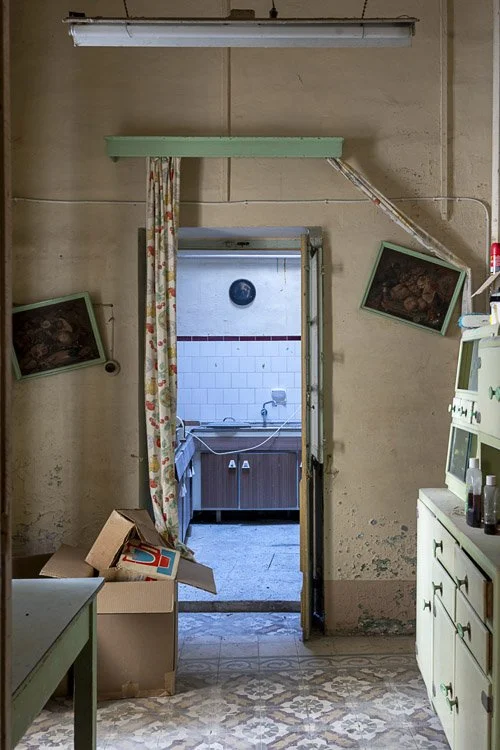
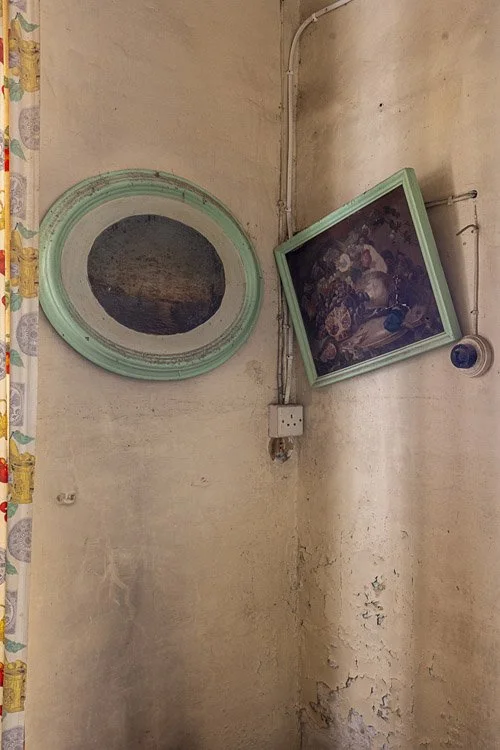
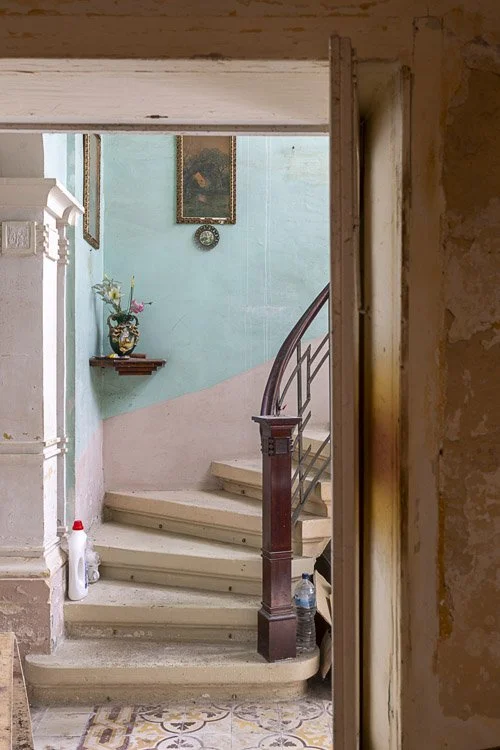
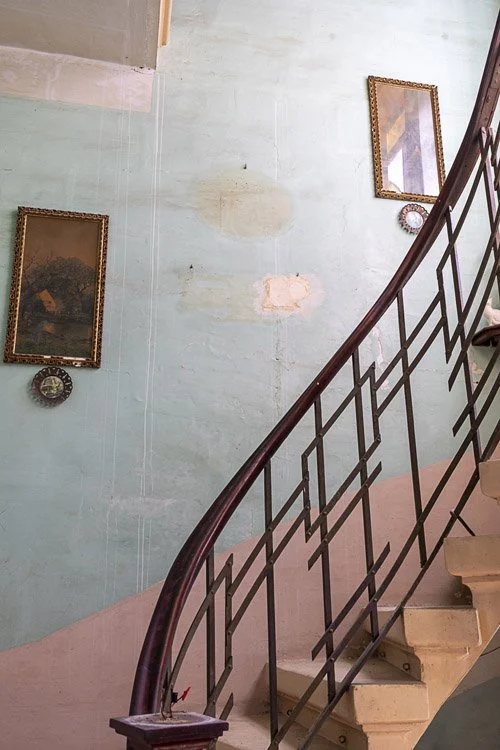
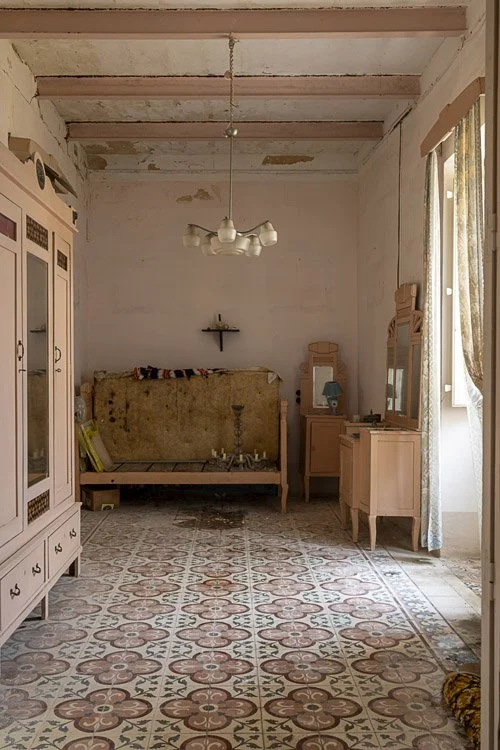
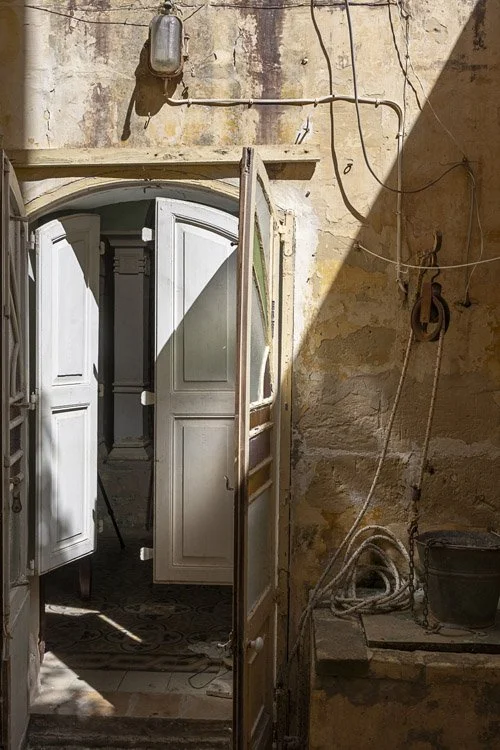
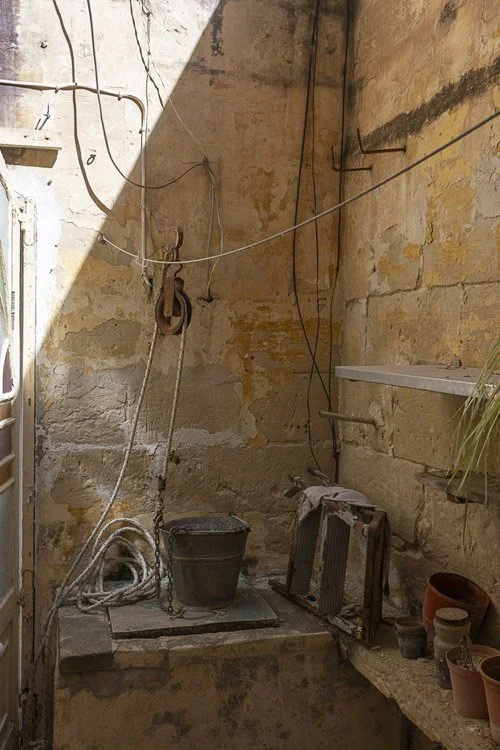
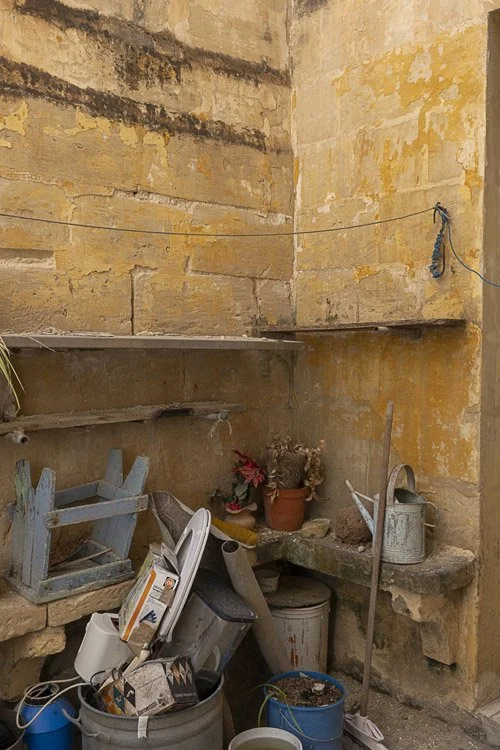
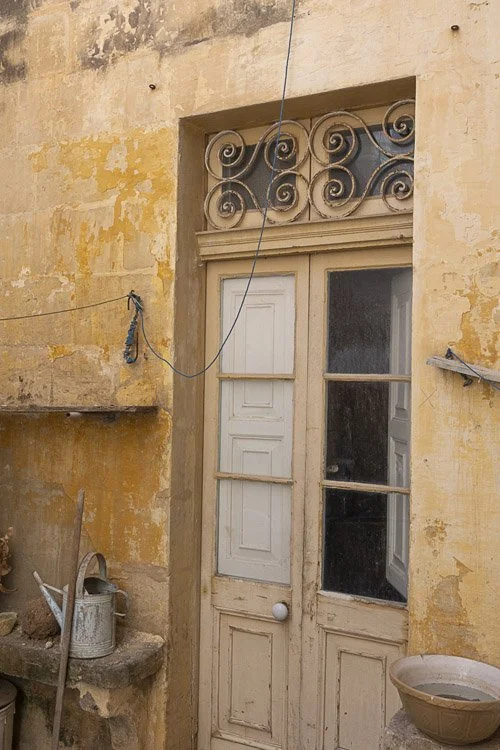
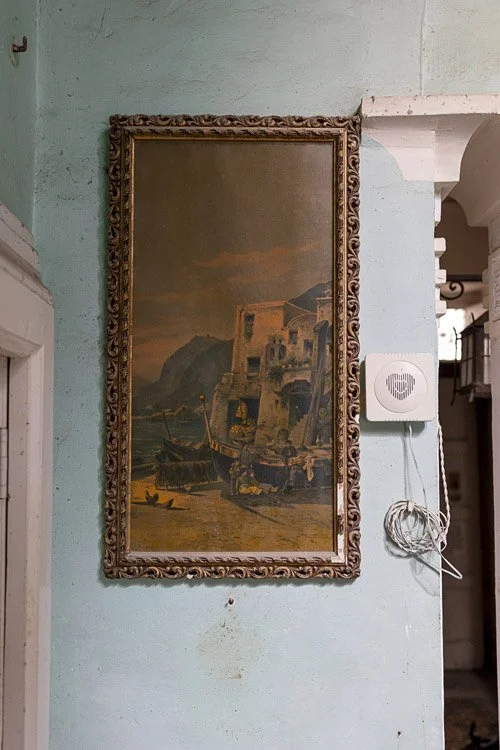
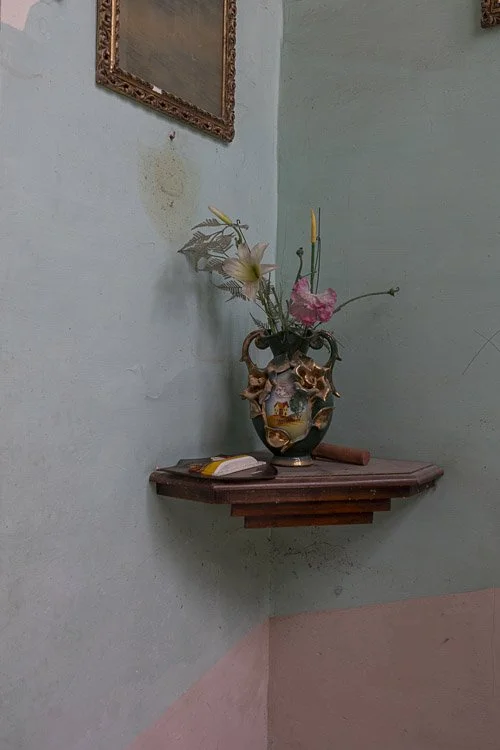
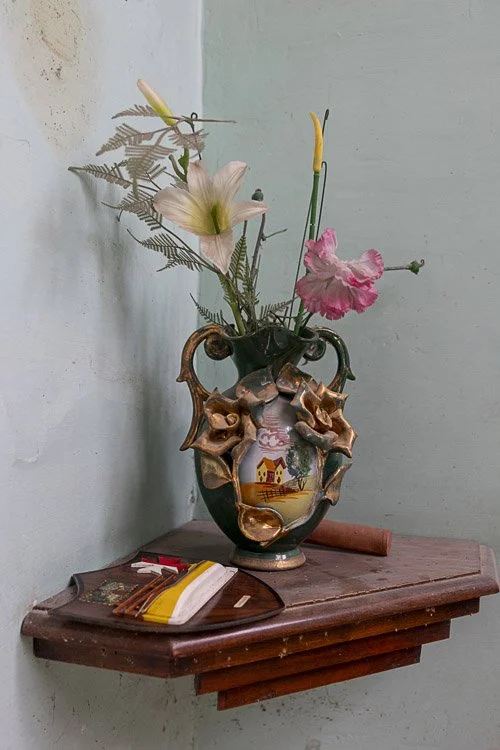
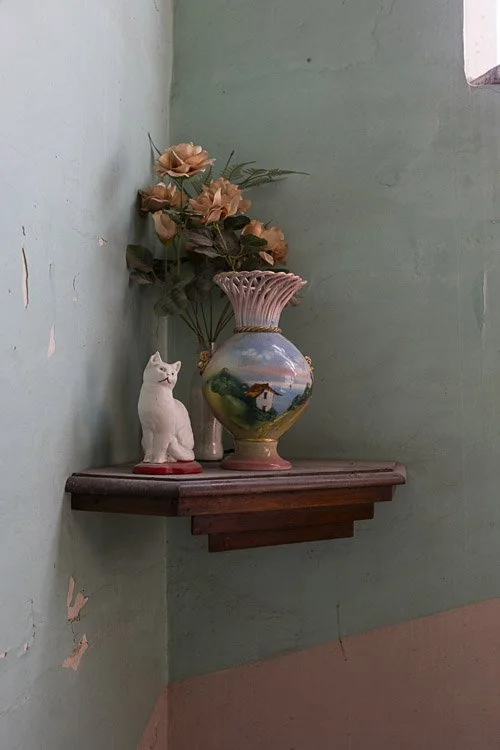
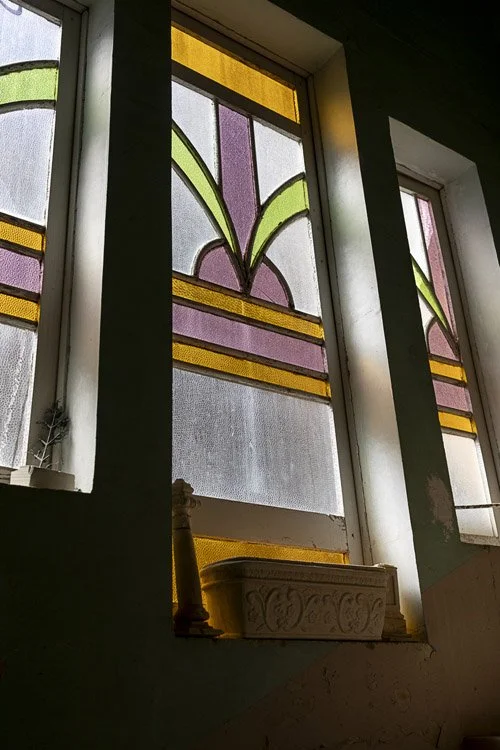
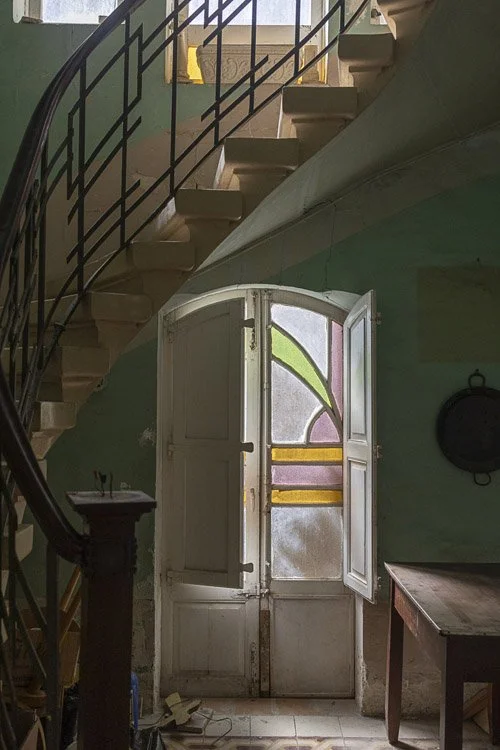
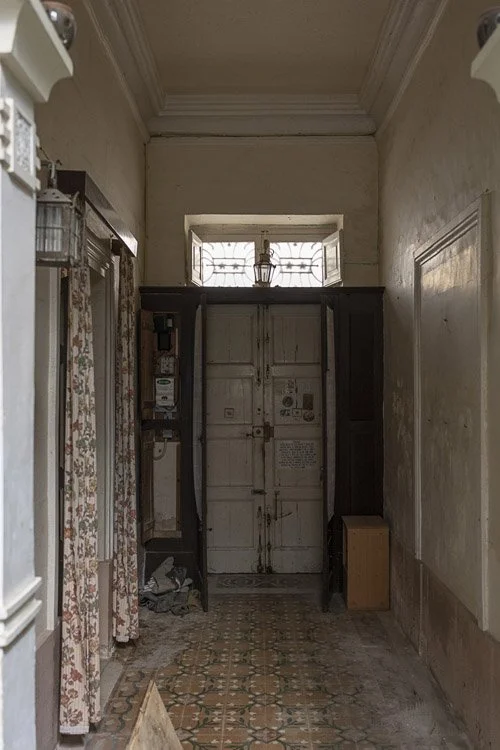
On the main street of Ħaż-Żebbuġ stands Rosie Corner—a corner house adorned with distinctive Art Deco features on its façade and charming interior tiling, characteristic of traditional Maltese homes. I visited the house after it had been sold to new owners, while it still lay untouched—dusty, yet steeped in the past. Each room felt like a chapter in a story waiting to unfold, with its own atmosphere shaped by the fading colours of the walls and the carefully chosen floor tiles. The attention to detail in these elements deepened the sense of a layered, evolving narrative held within the space.