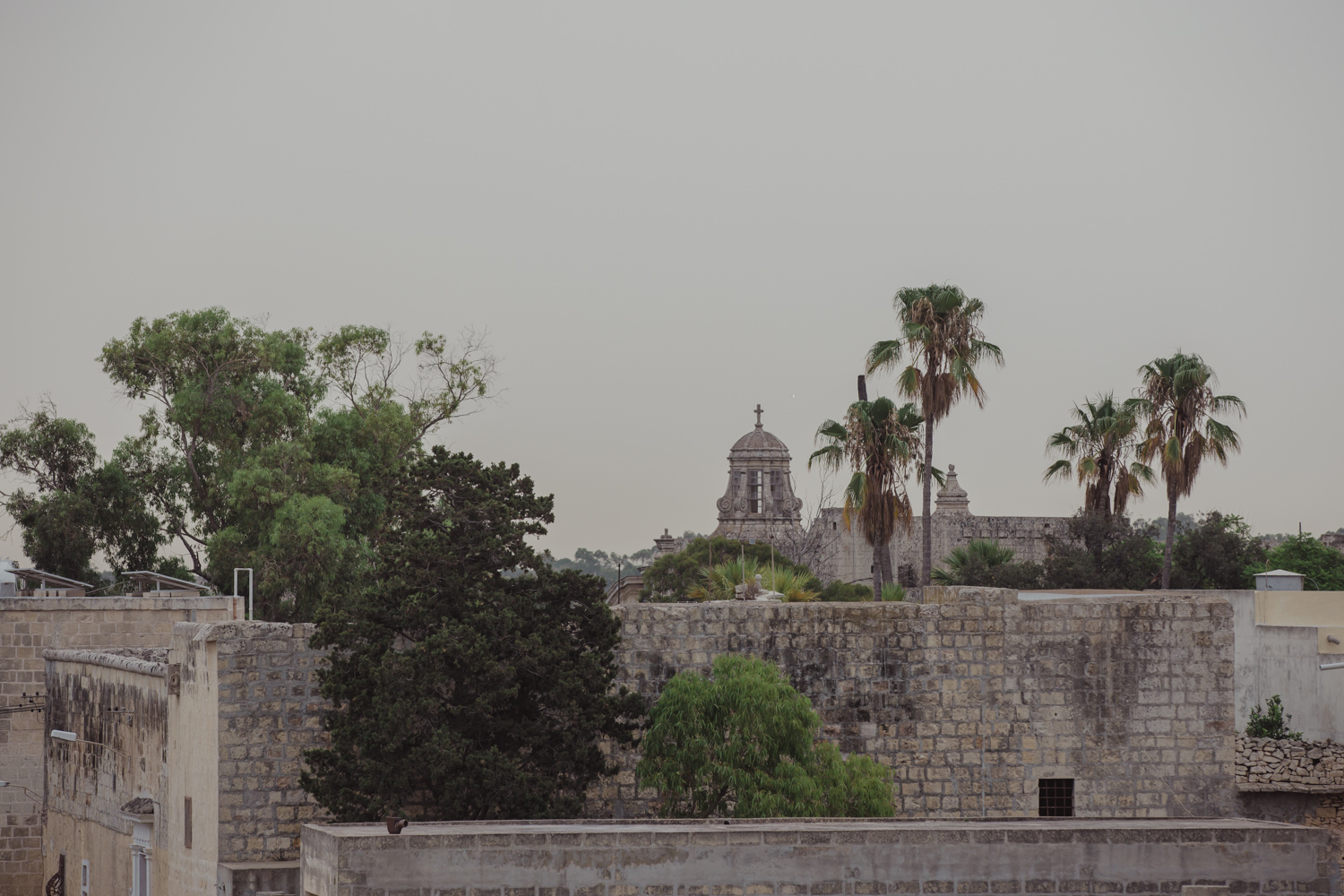
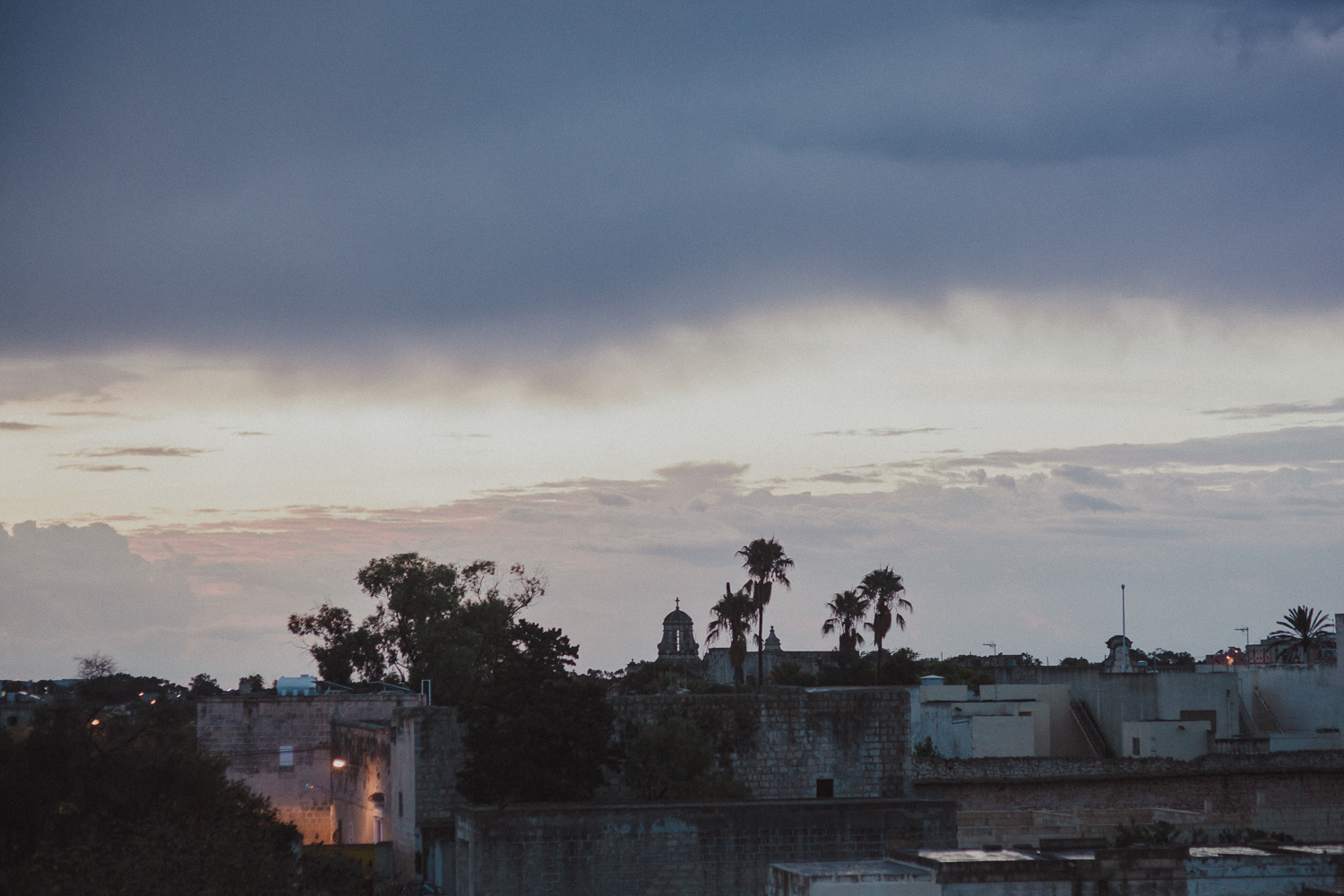
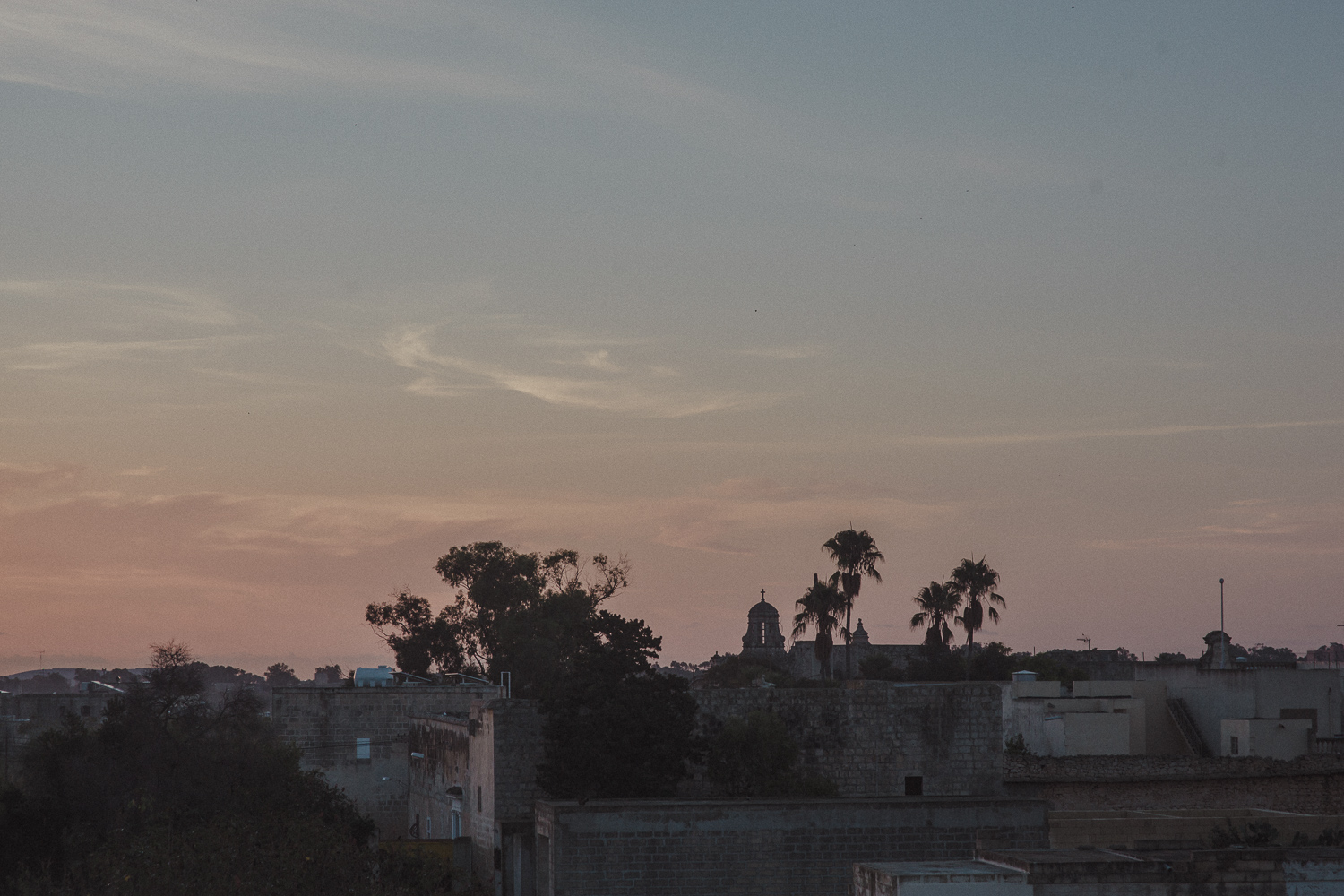
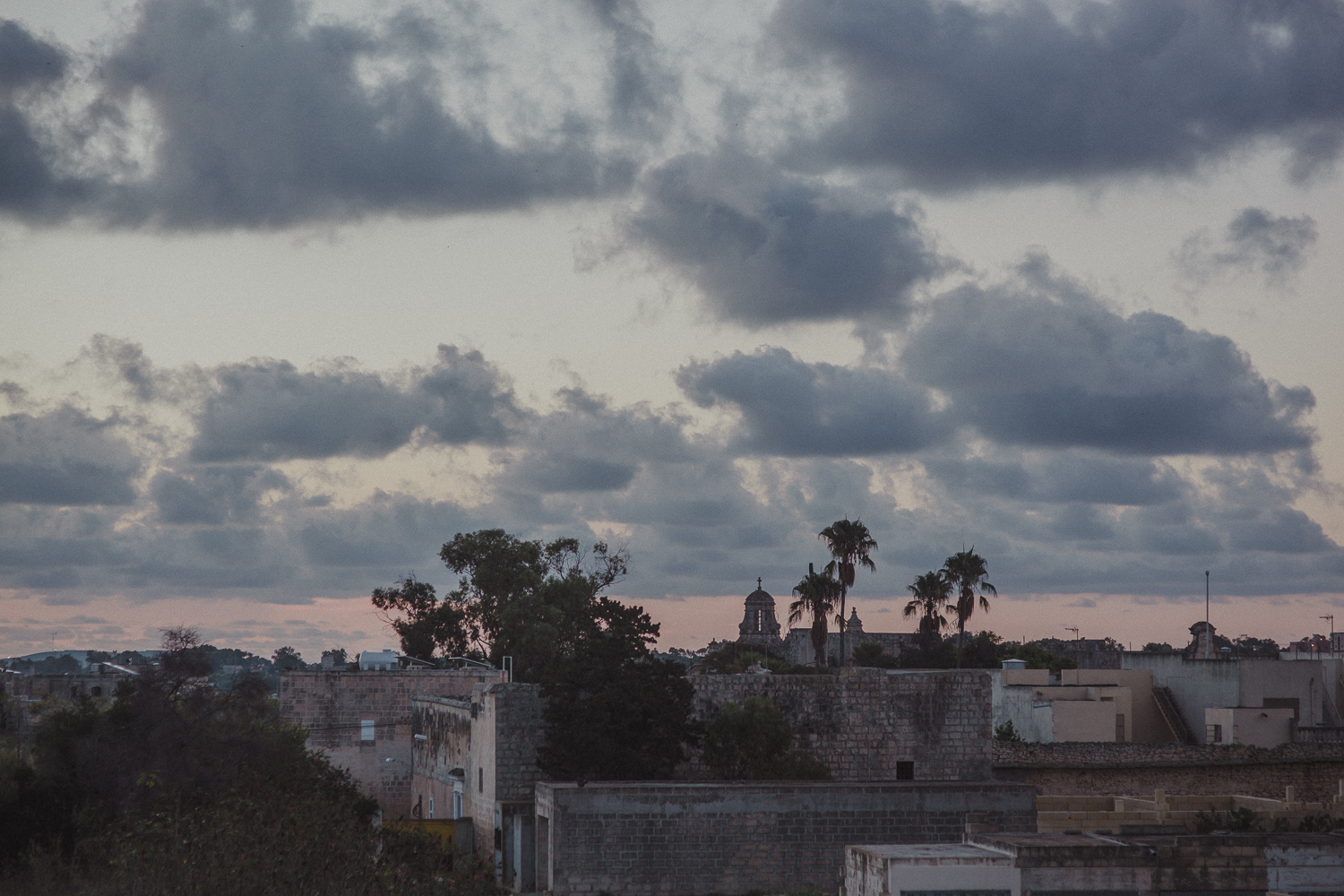
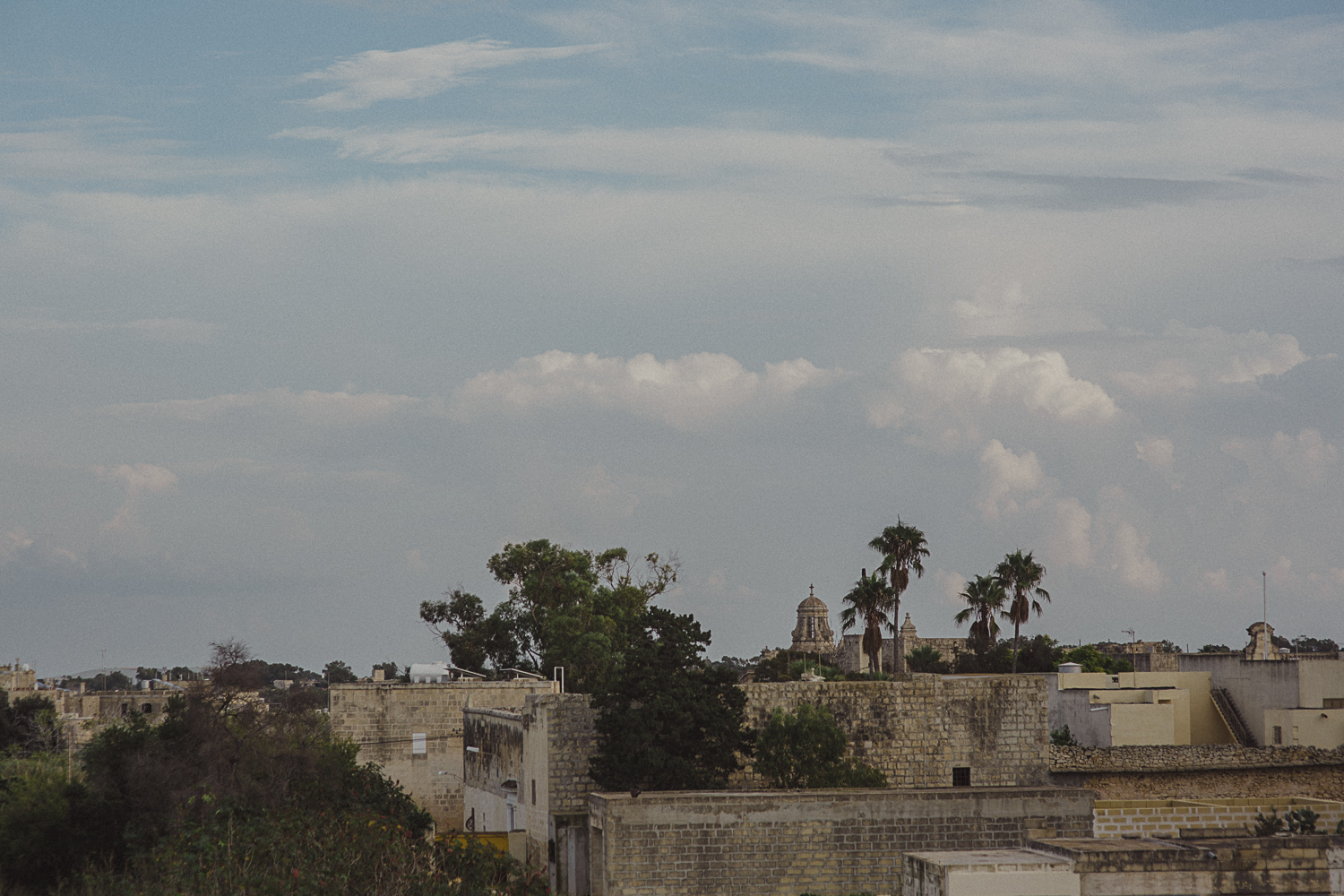
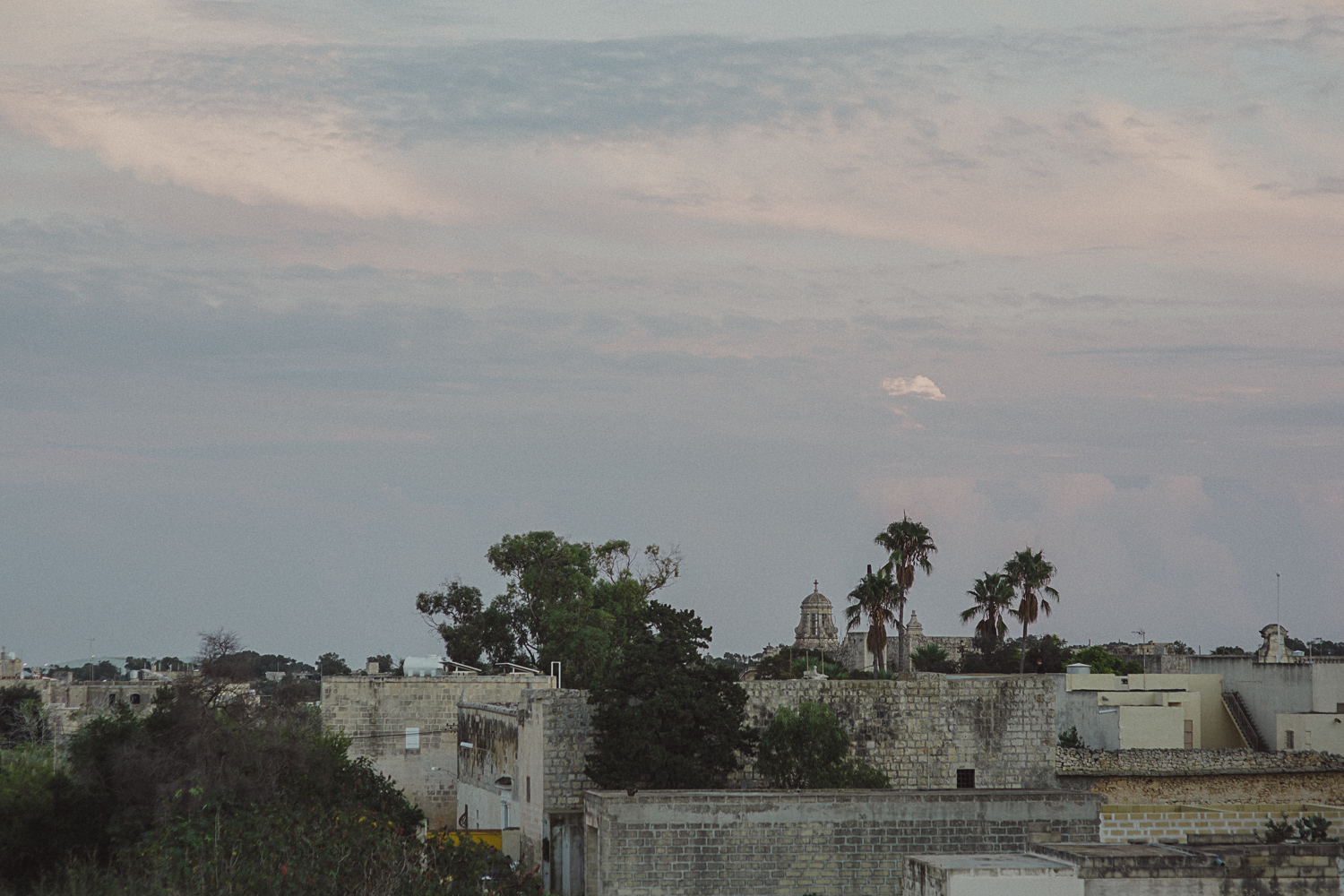
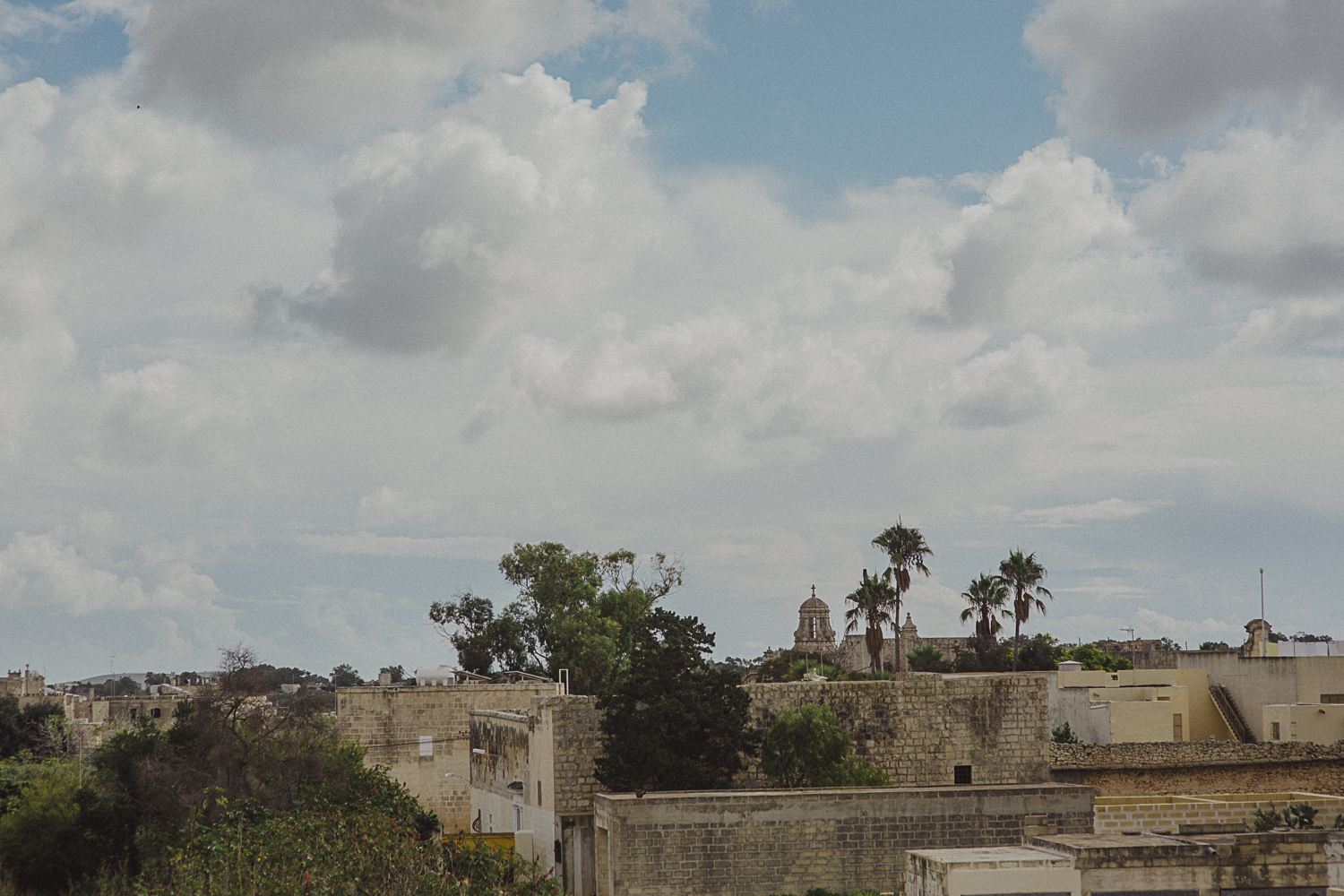
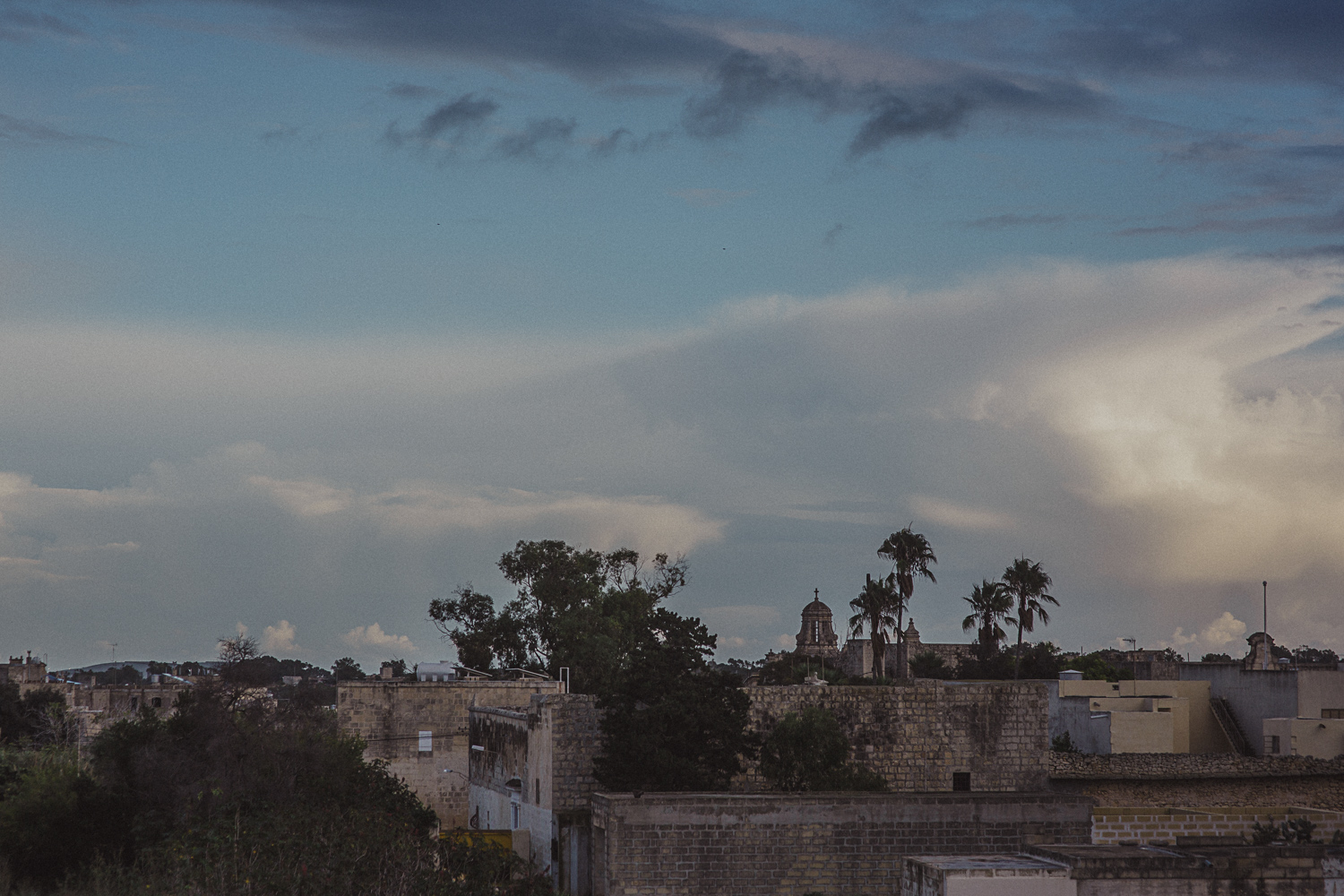
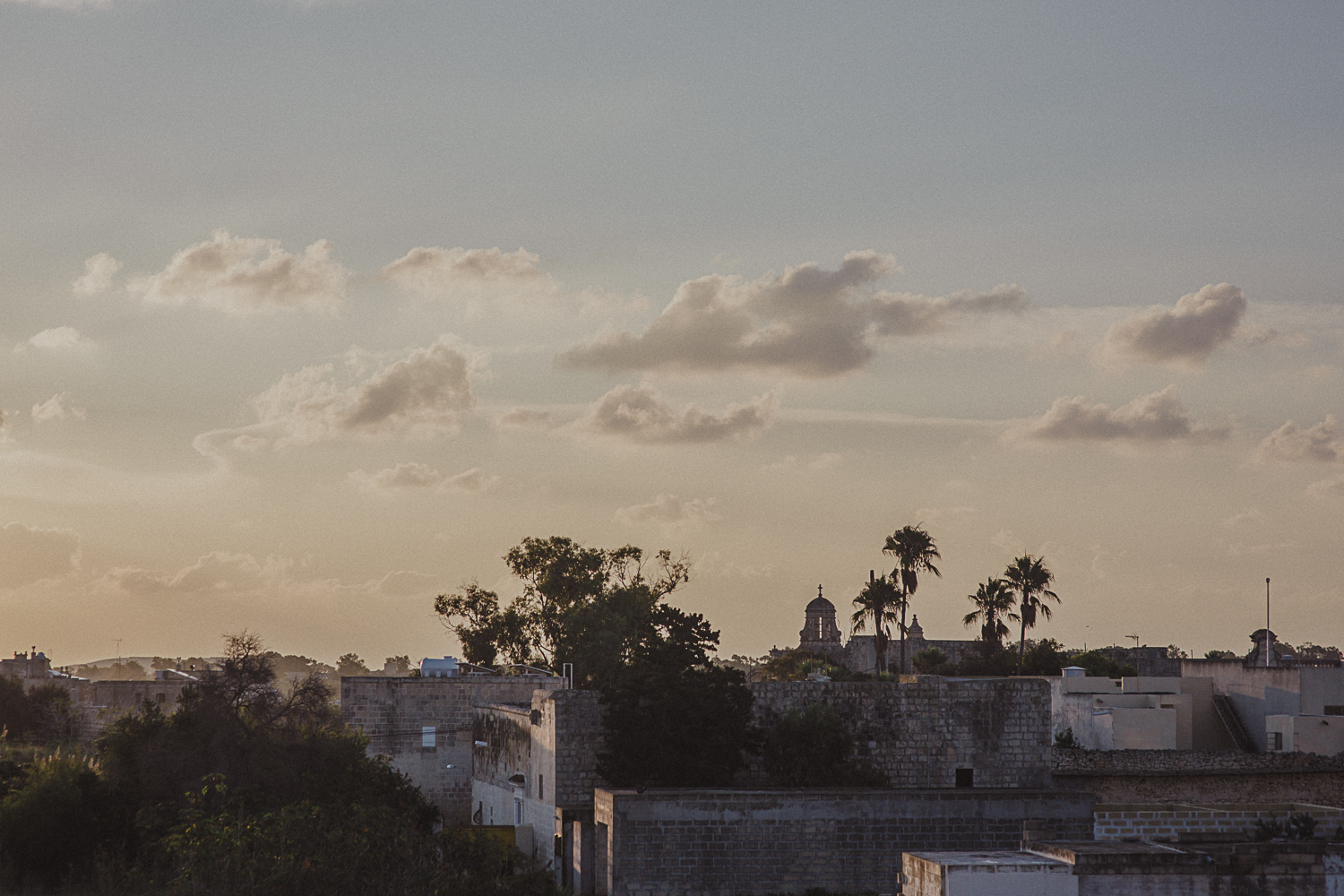
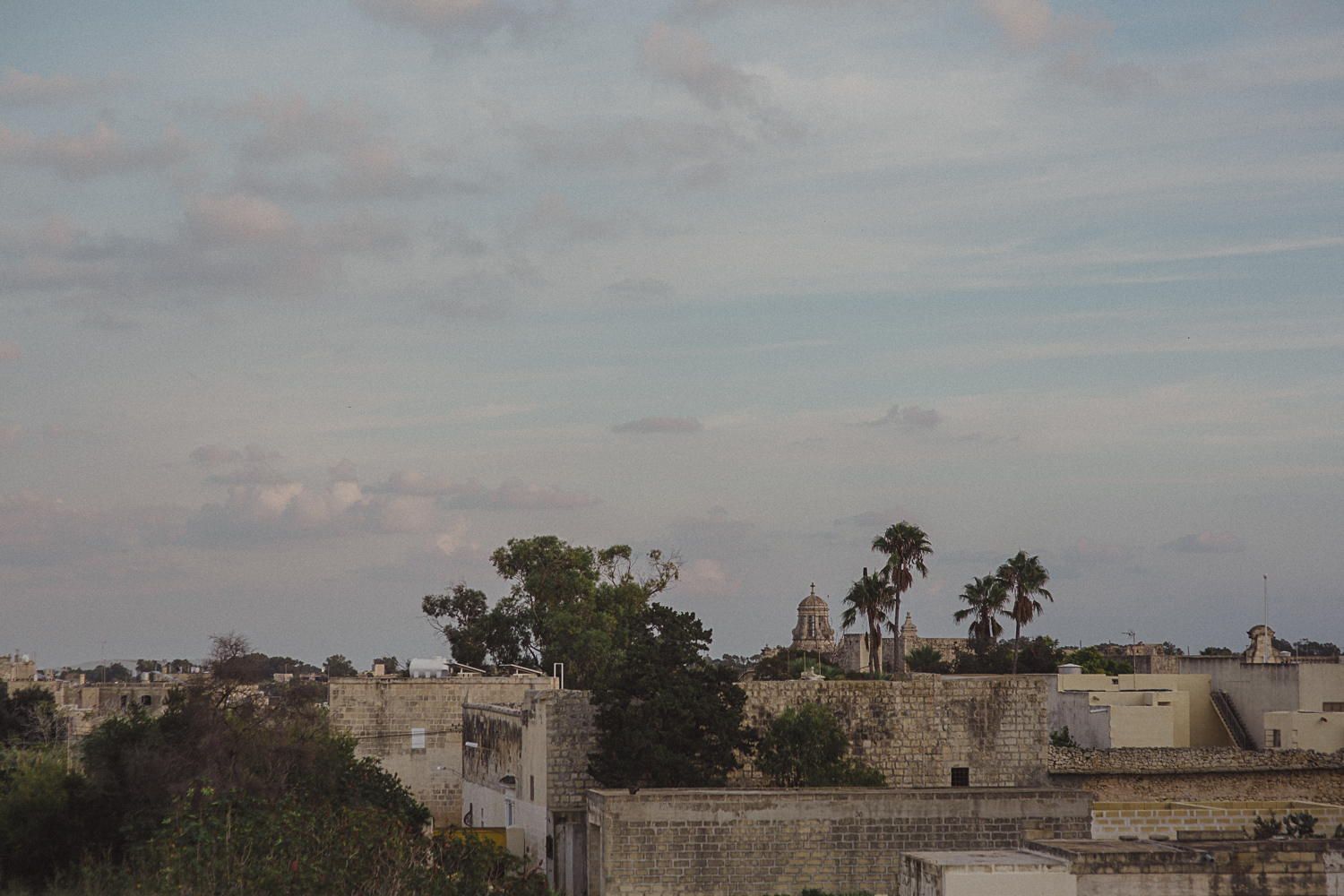
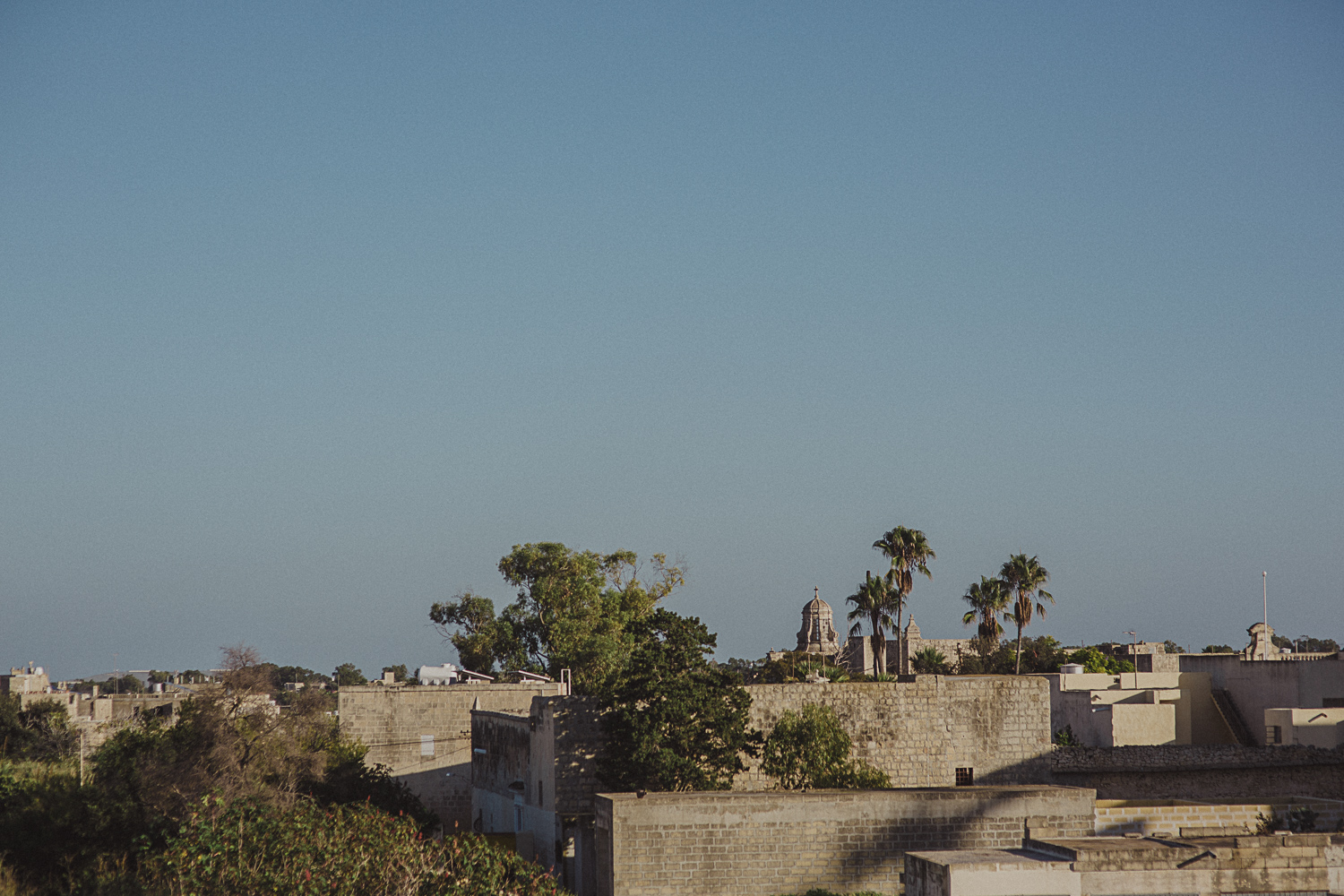
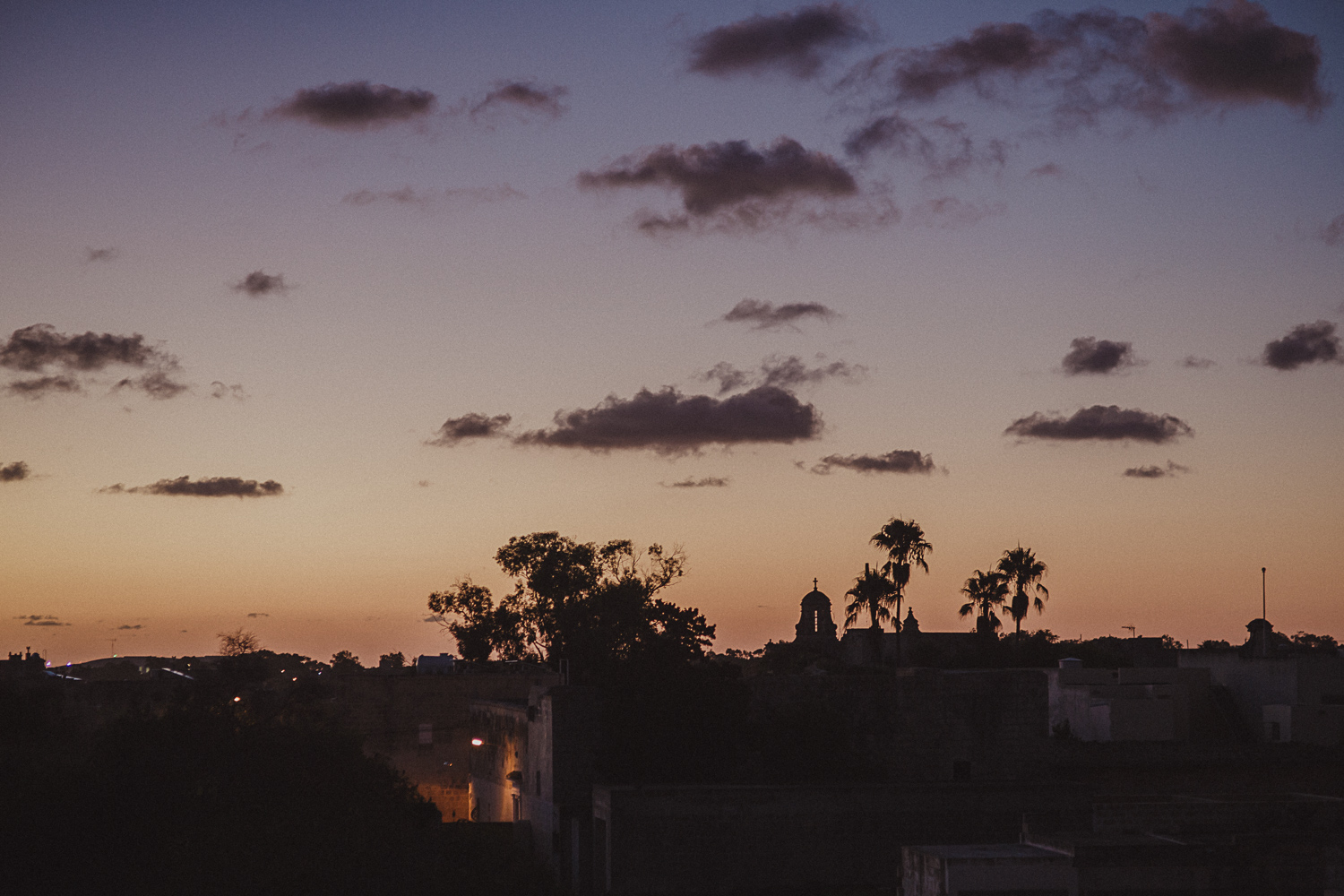
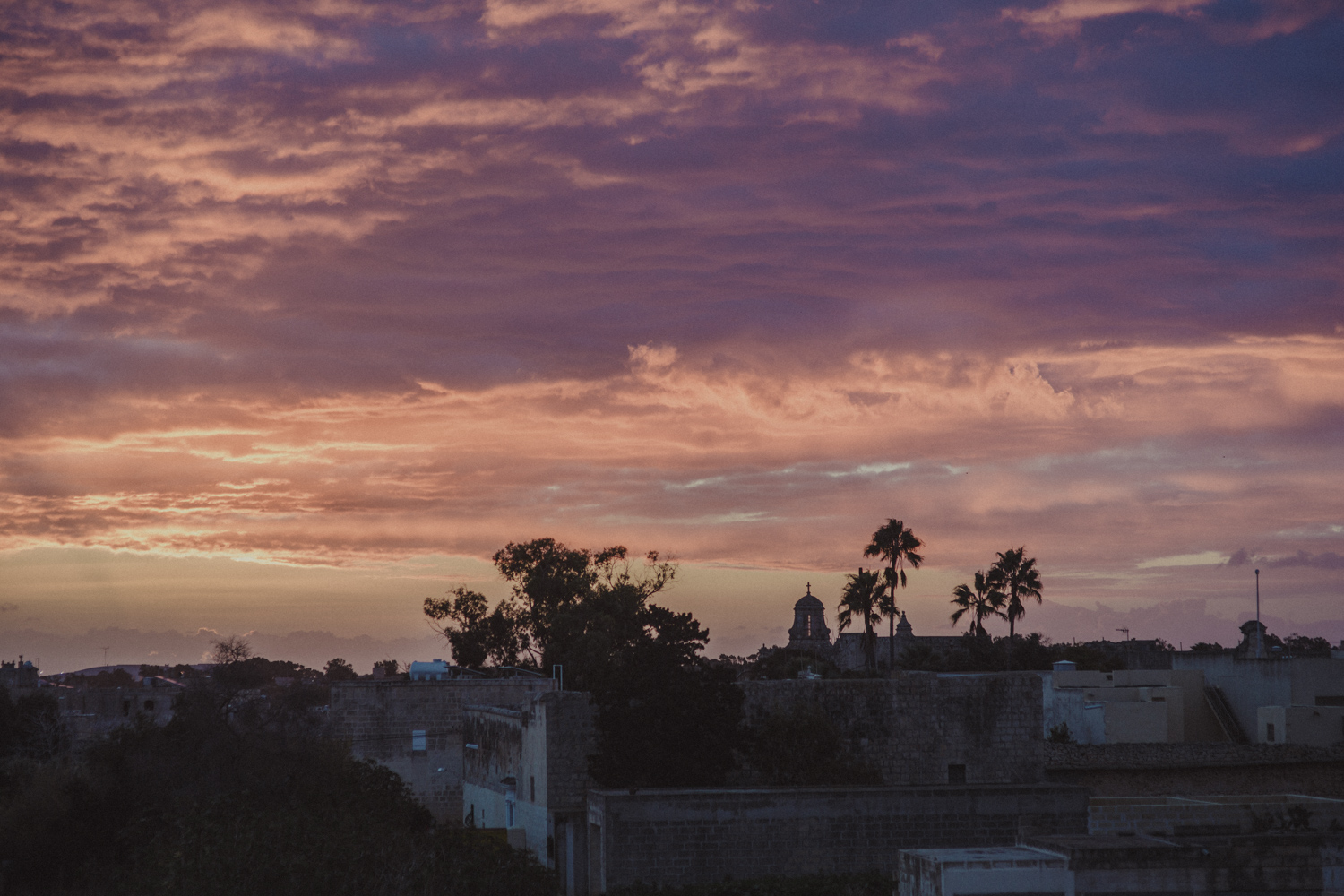
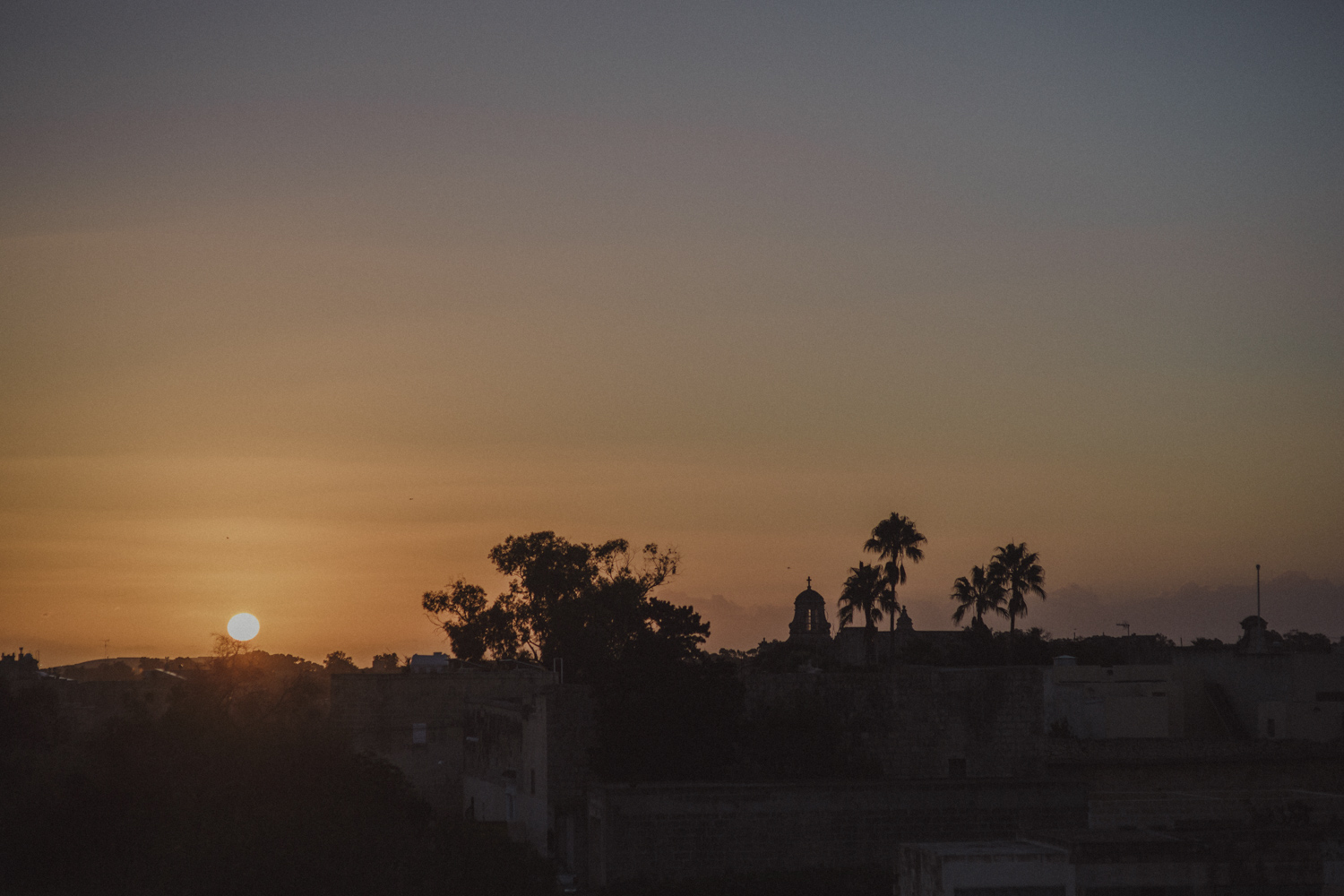
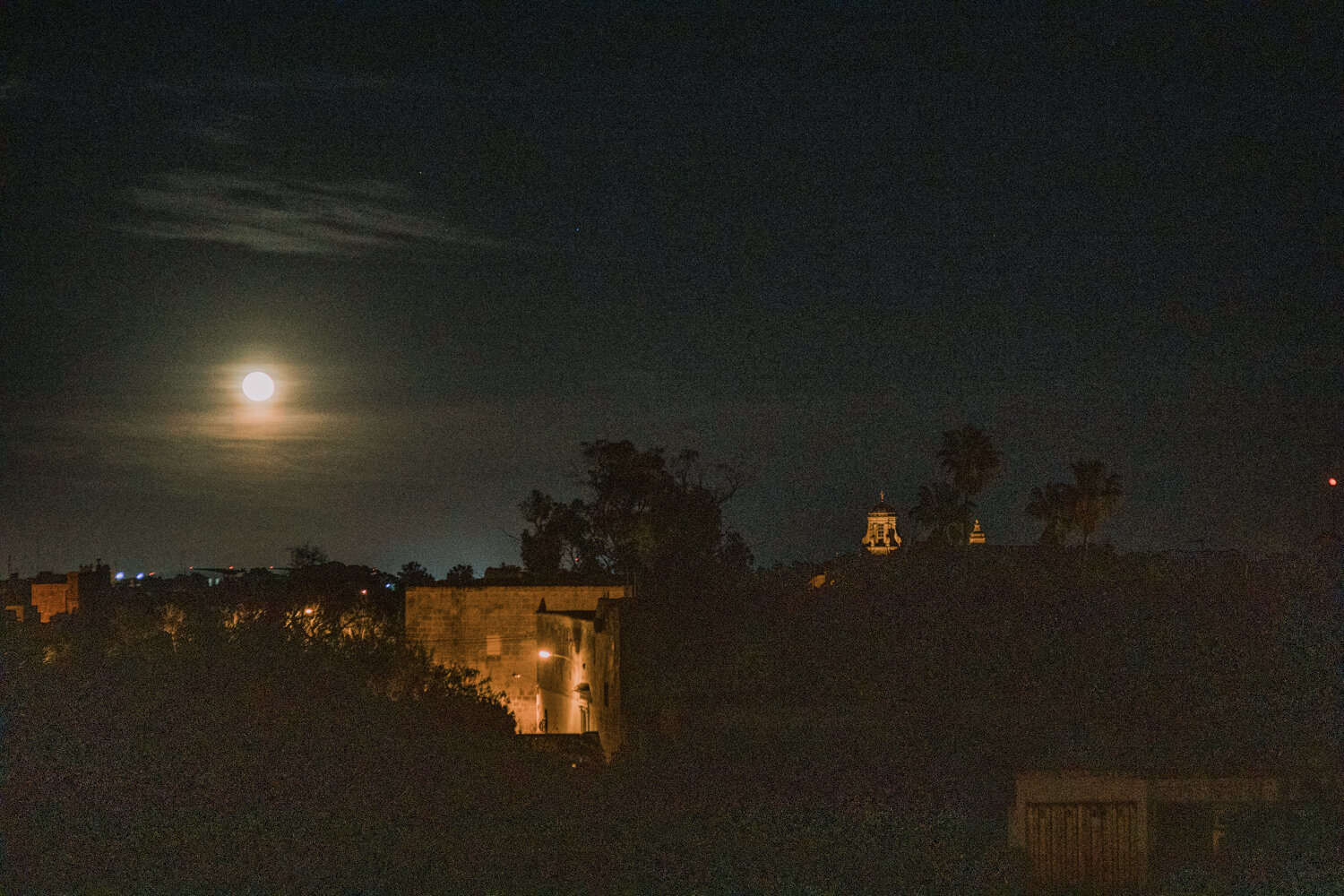
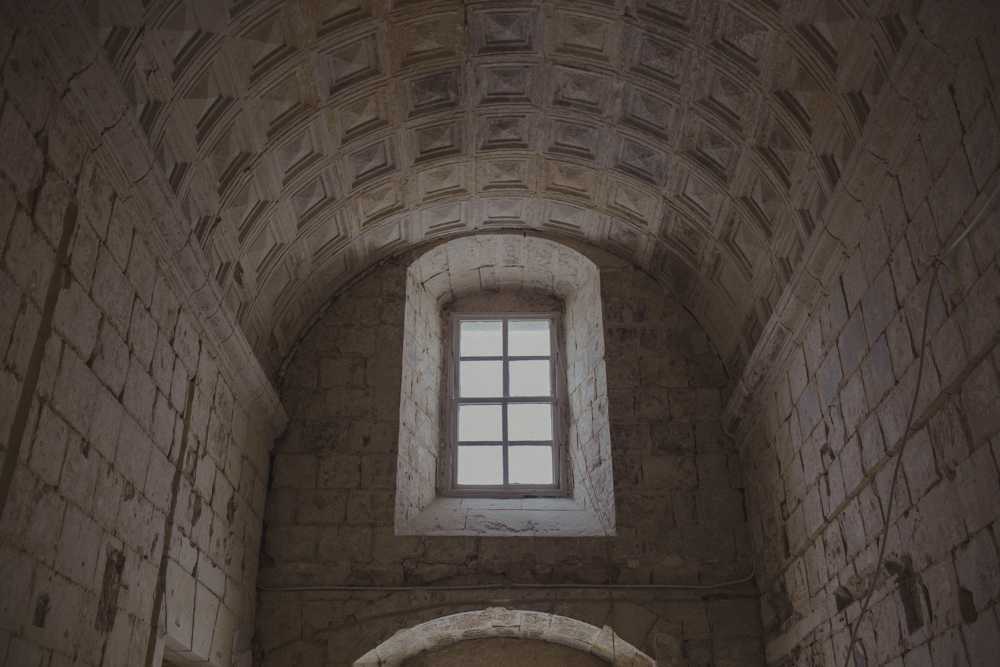
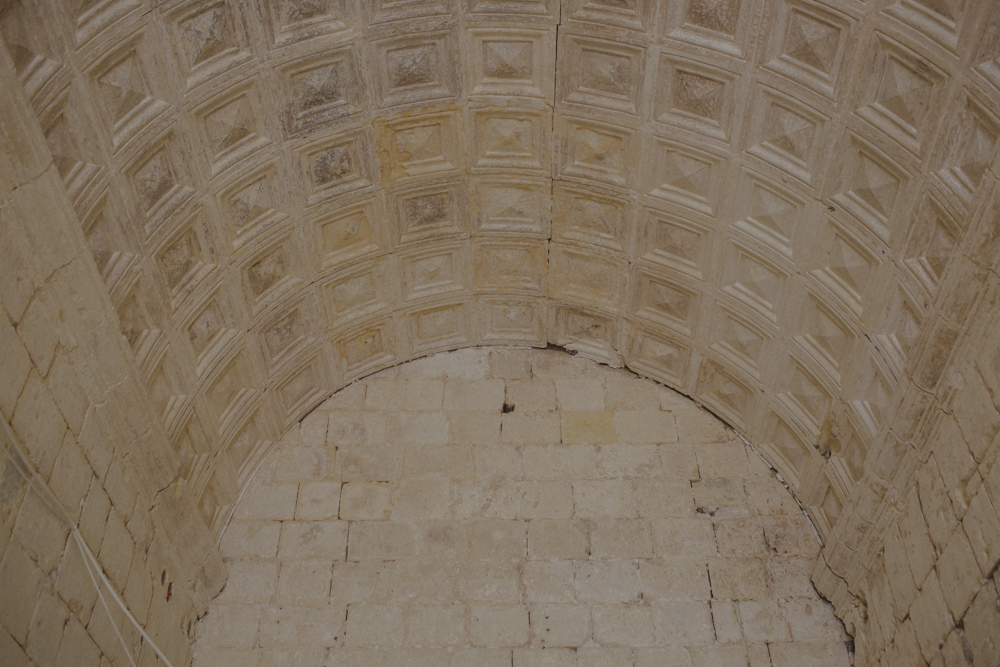
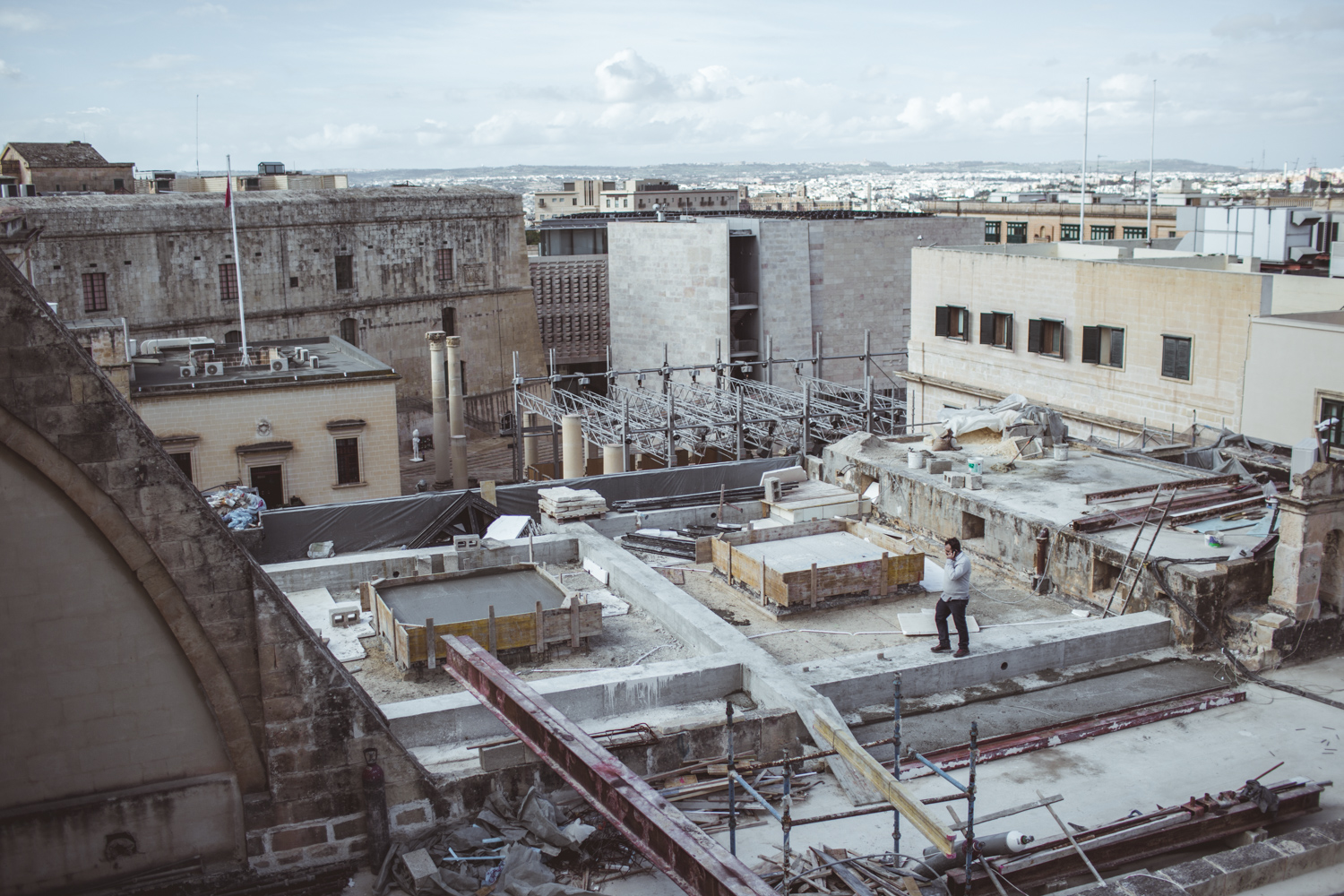
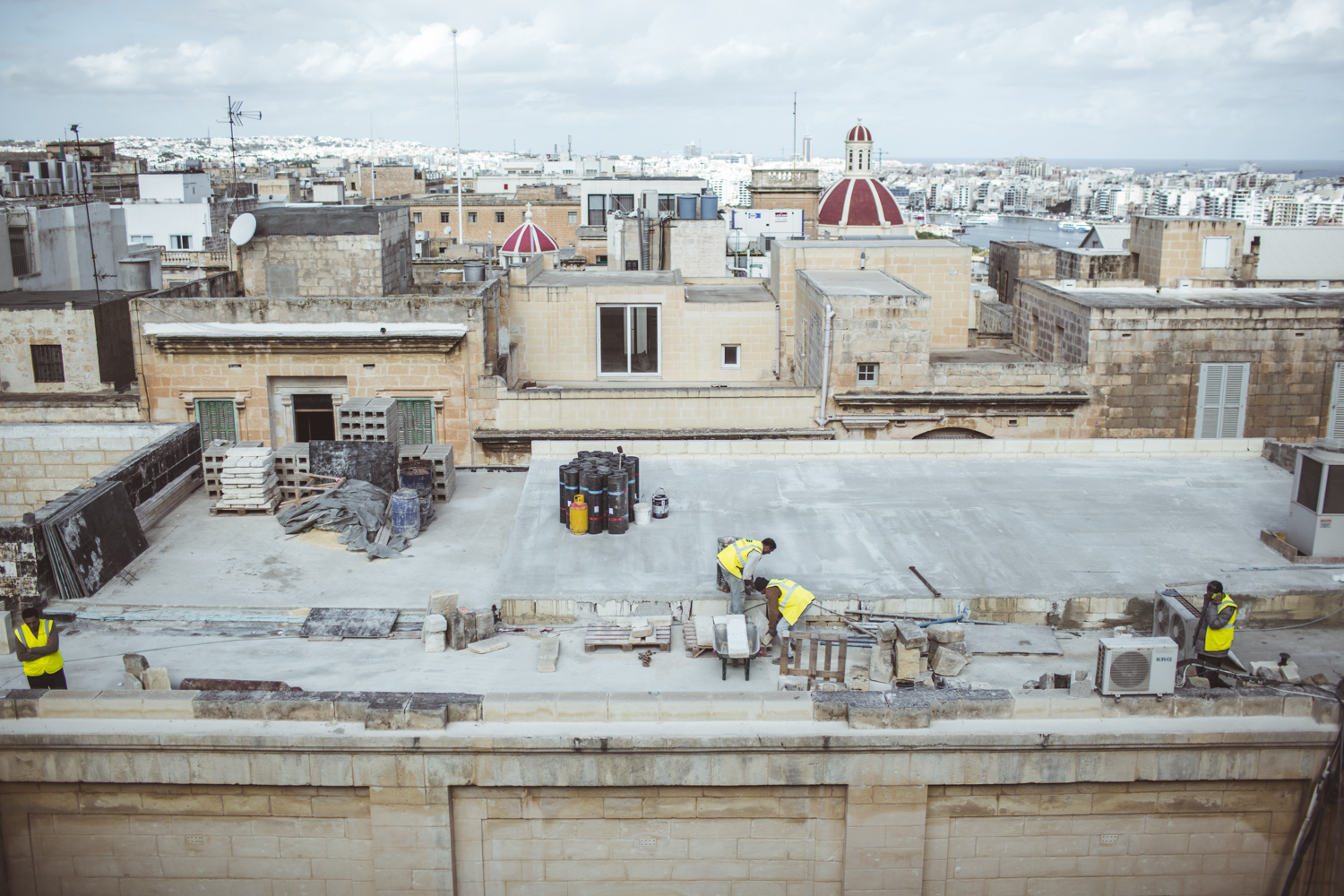
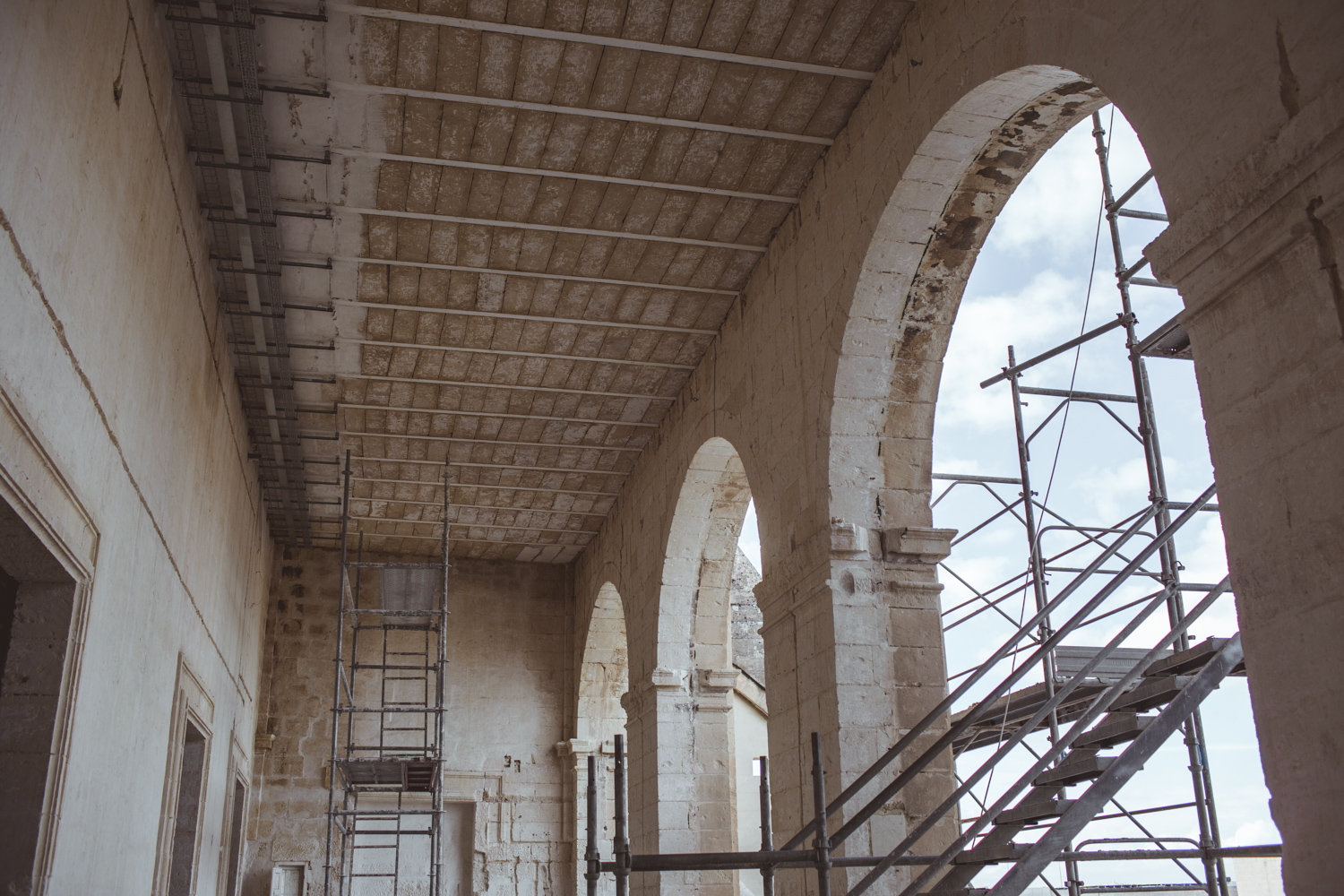
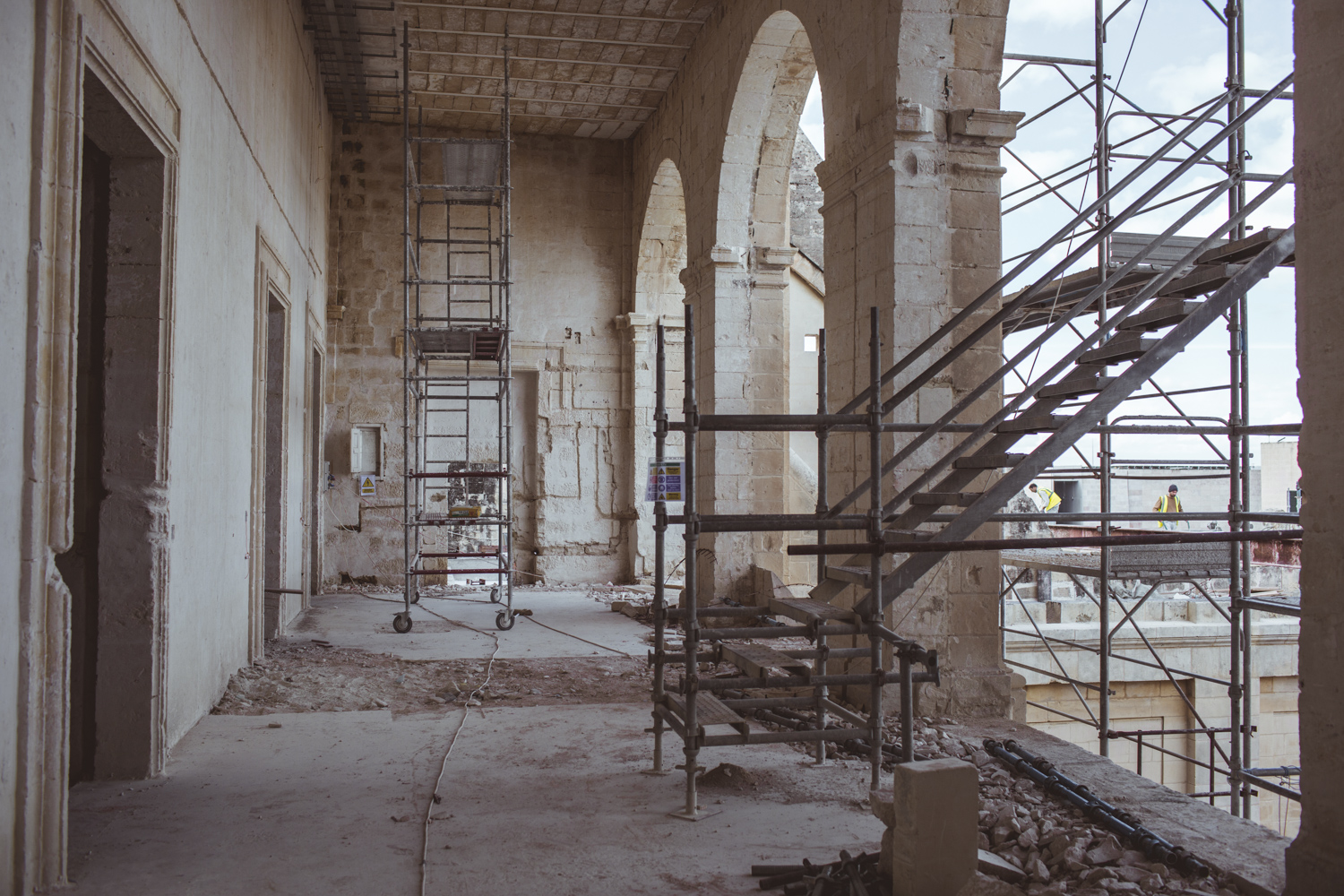
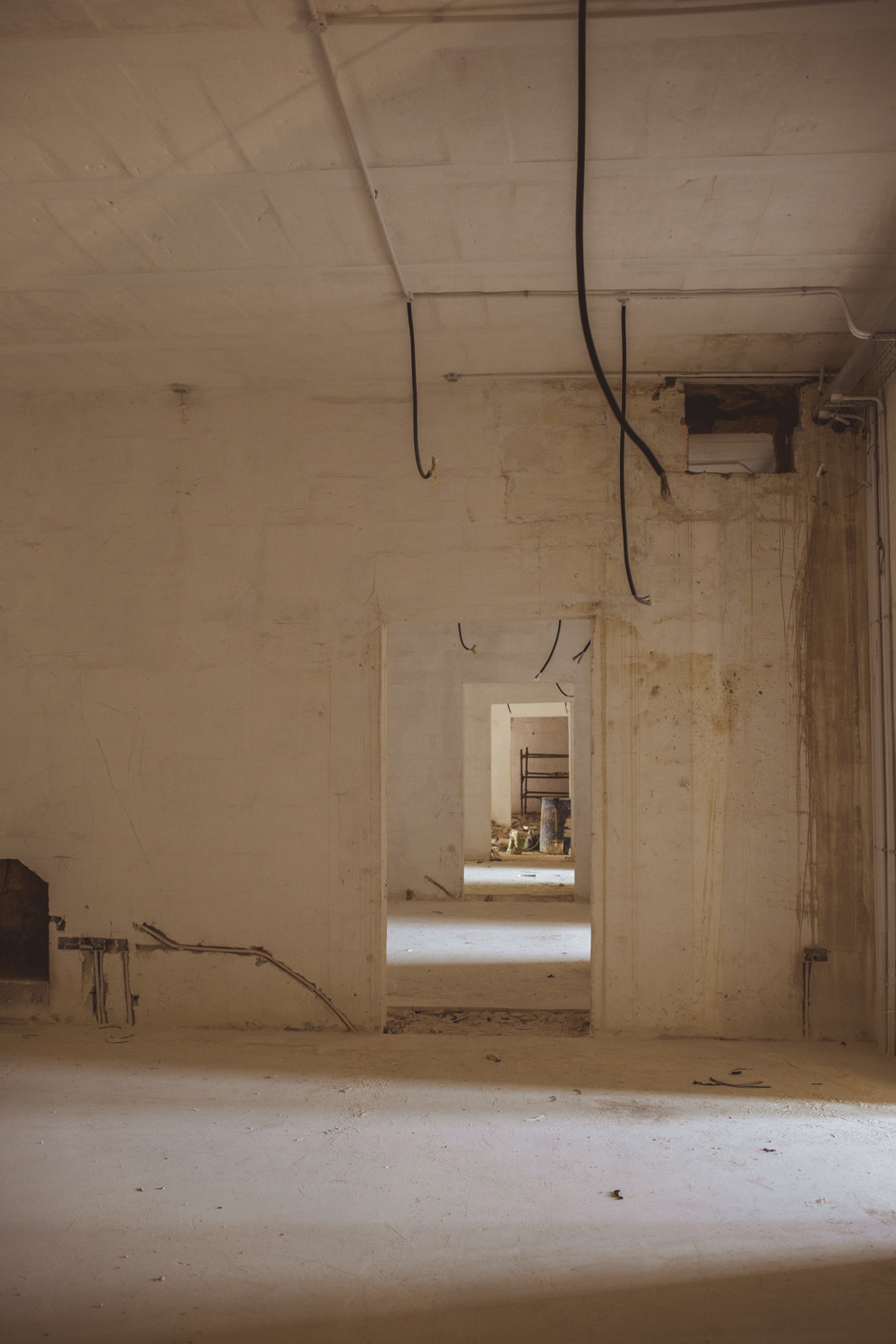
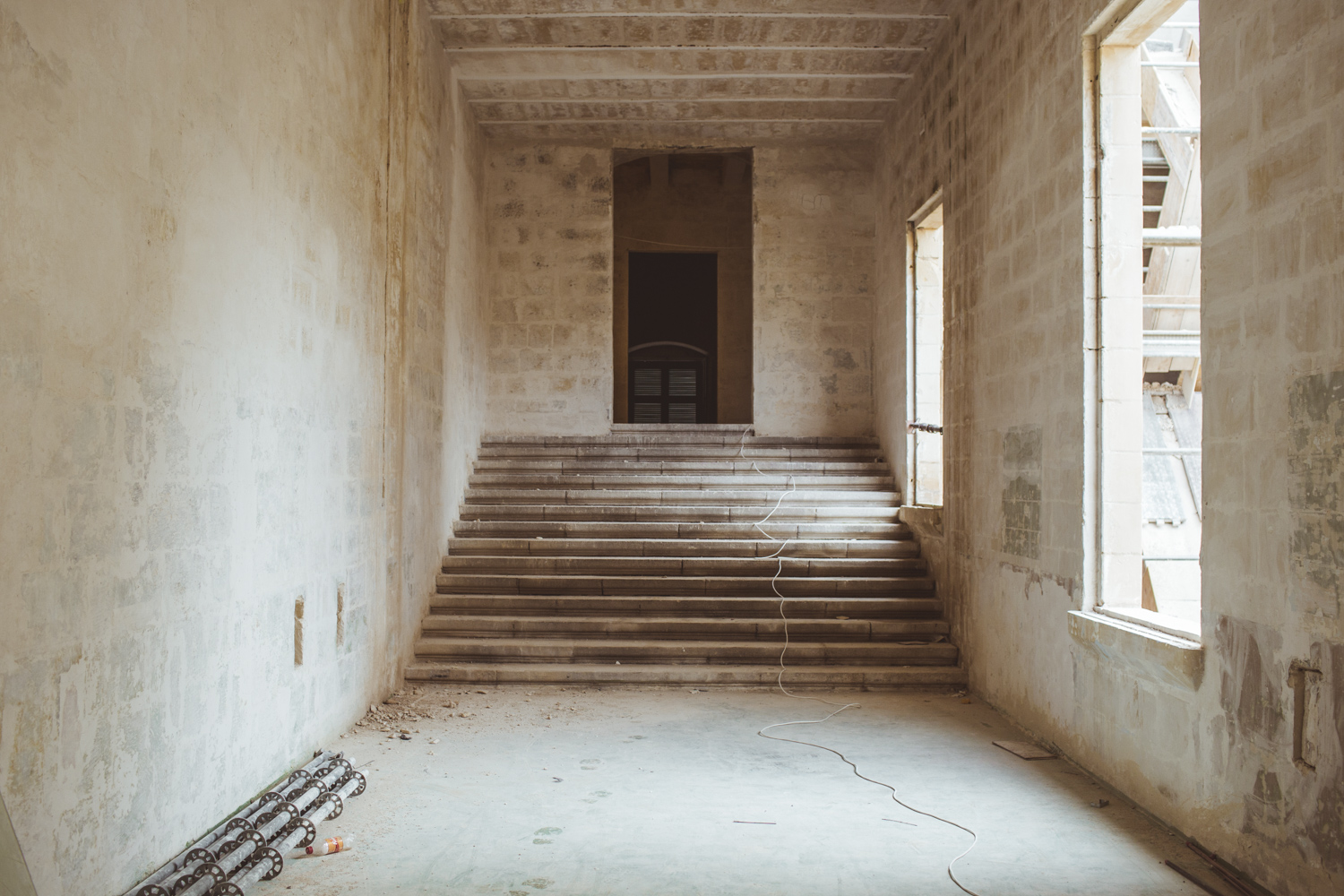
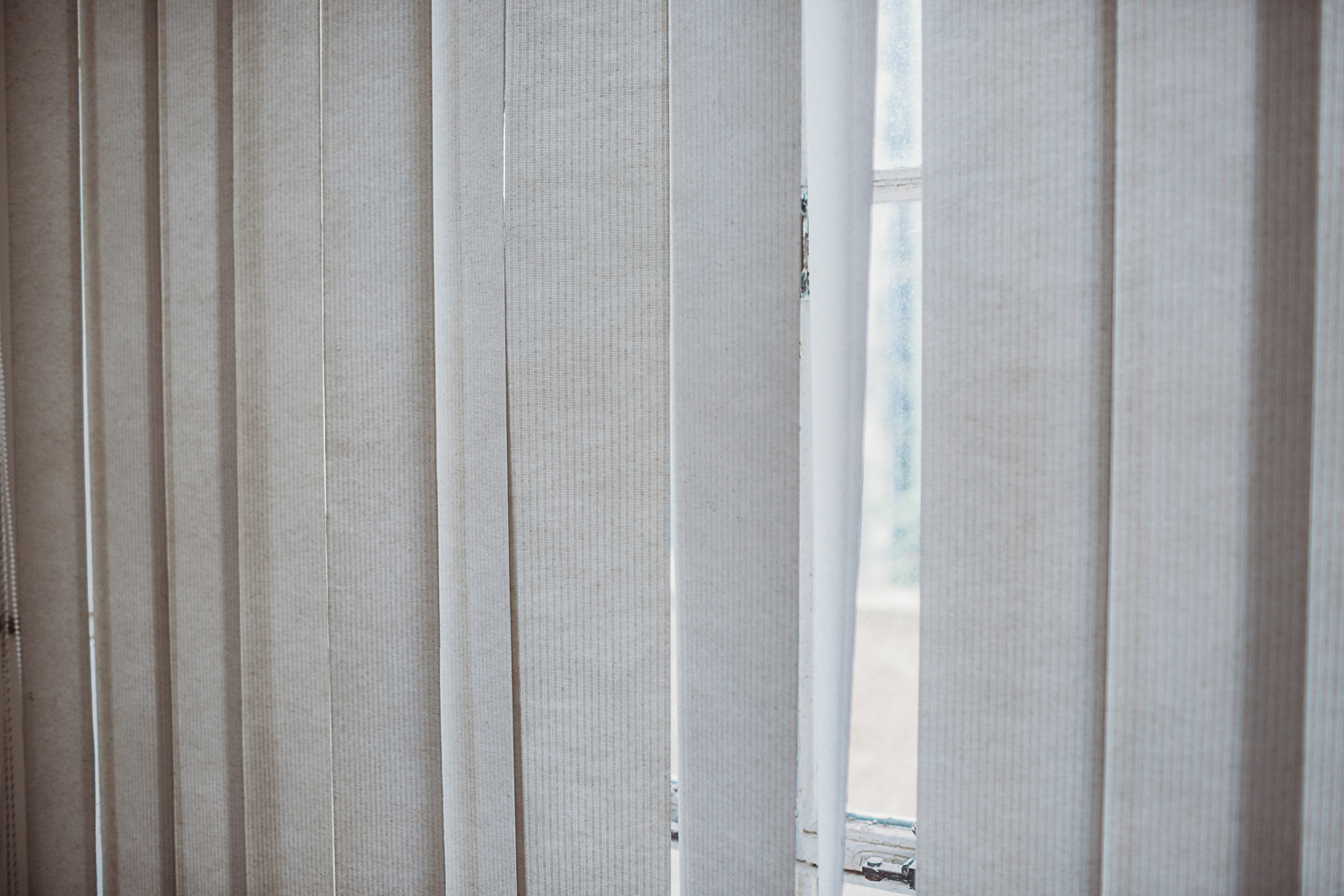
During the COVID-19 lockdown, my photographic practice was forced into stillness. Movement was restricted, familiar walking routes disappeared, and daily life contracted to the immediate surroundings of home. Rather than halting my research, this condition reshaped it. I began photographing the same view repeatedly from my balcony, not as a project driven by outcome, but as a way of staying with place over time.
Working from a fixed vantage point altered my relationship to photography. Instead of searching for images through movement or novelty, I became attentive to duration, repetition, and incremental change. Light, weather, atmosphere, and the quiet passage of time became the central variables. Photographing was no longer about seizing a moment, but about remaining present to what endures when very little seems to happen.
This sustained return made visible that a sense of place is not formed through singular events, but through continuity, familiarity, and lived encounter. Lockdown intensified my awareness of these conditions, revealing place as something slowly accumulated through presence. In this context, photography became an act of dwelling: a way of remaining with the landscape and attending to its subtle, ongoing life.
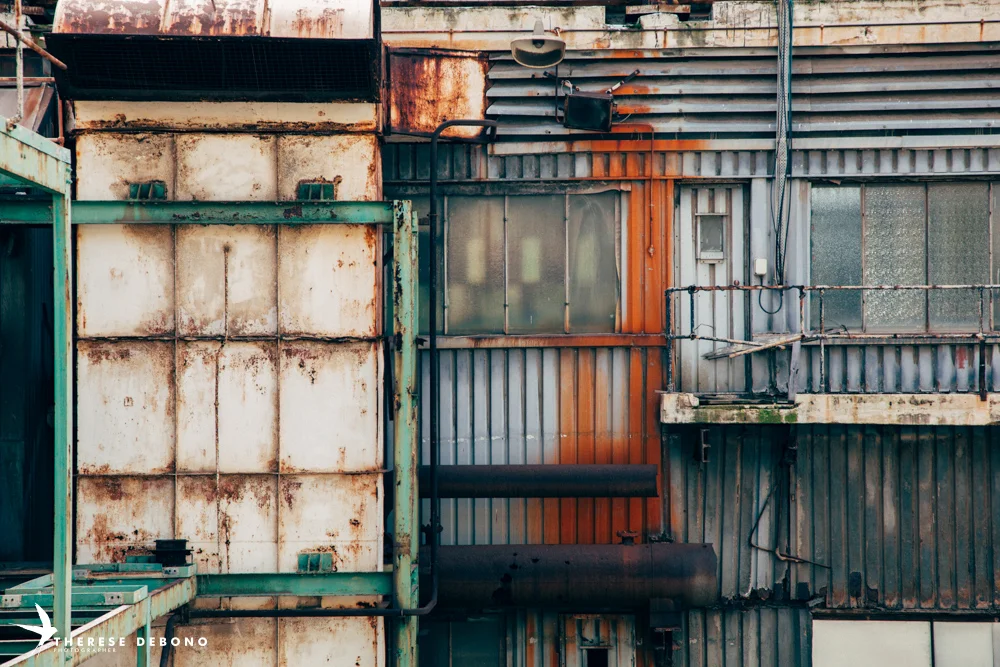
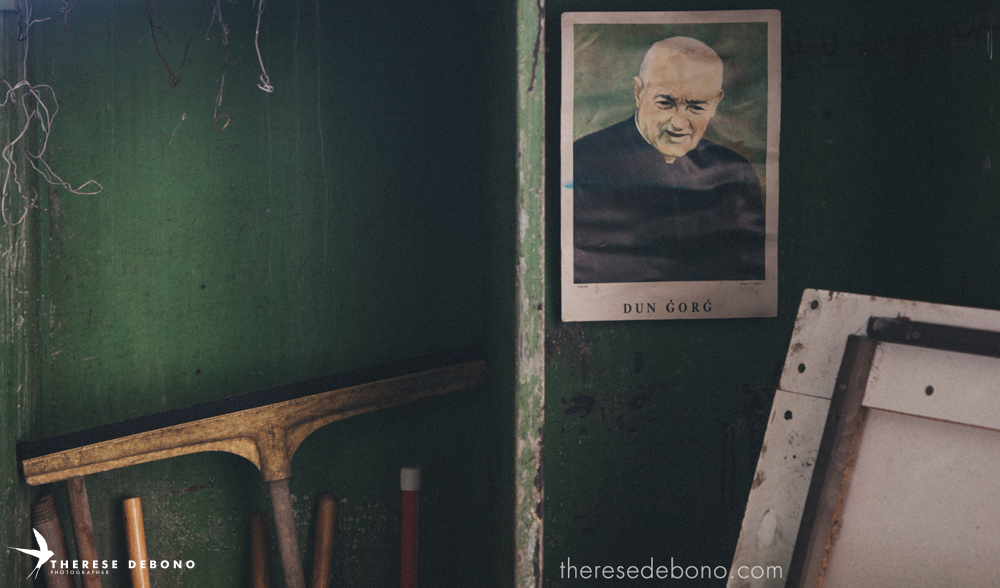
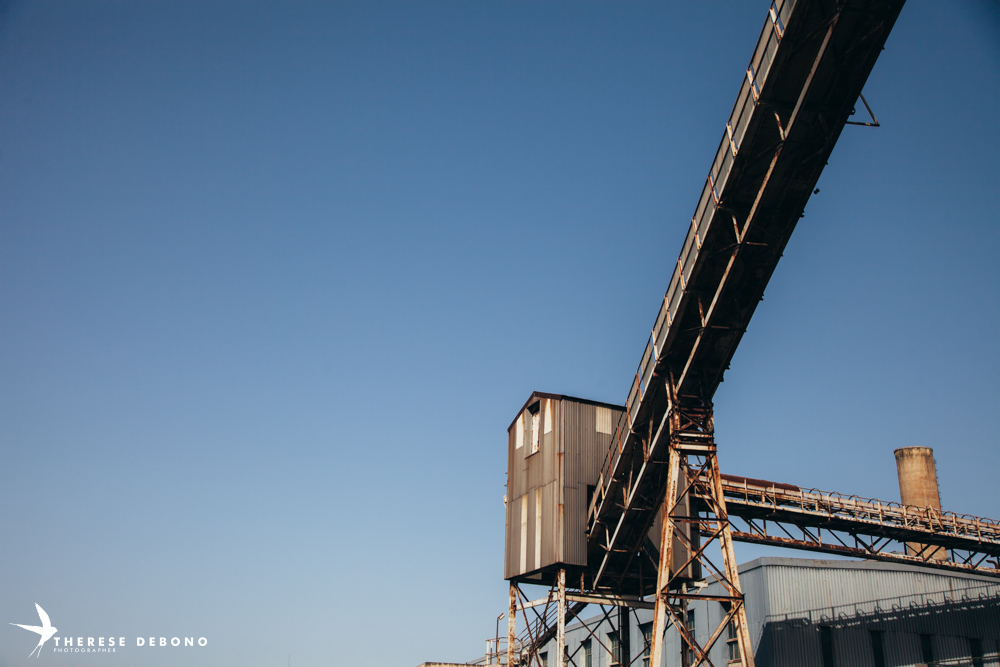
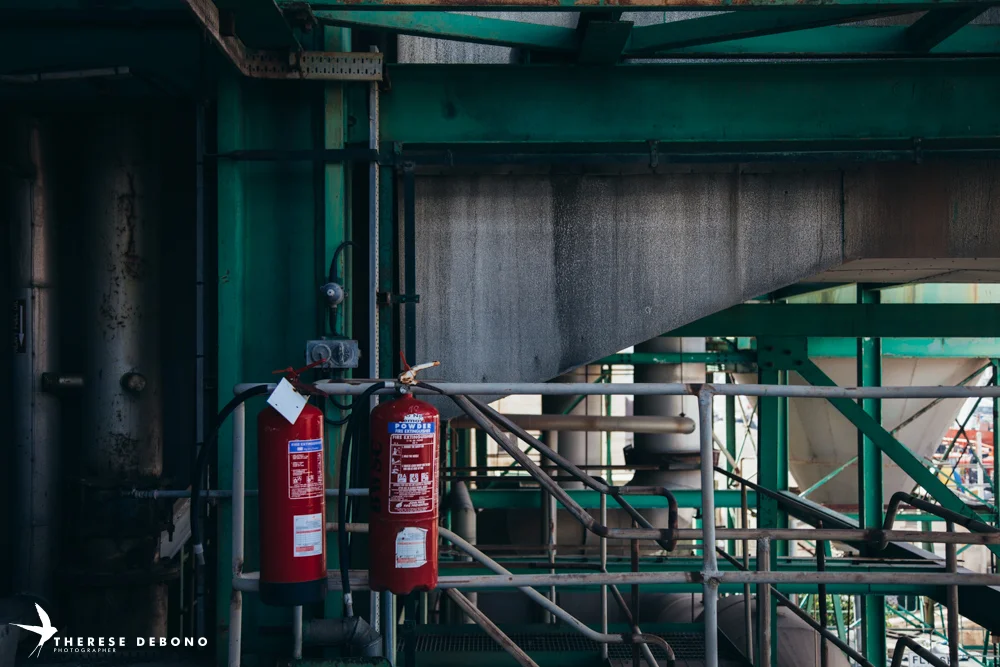
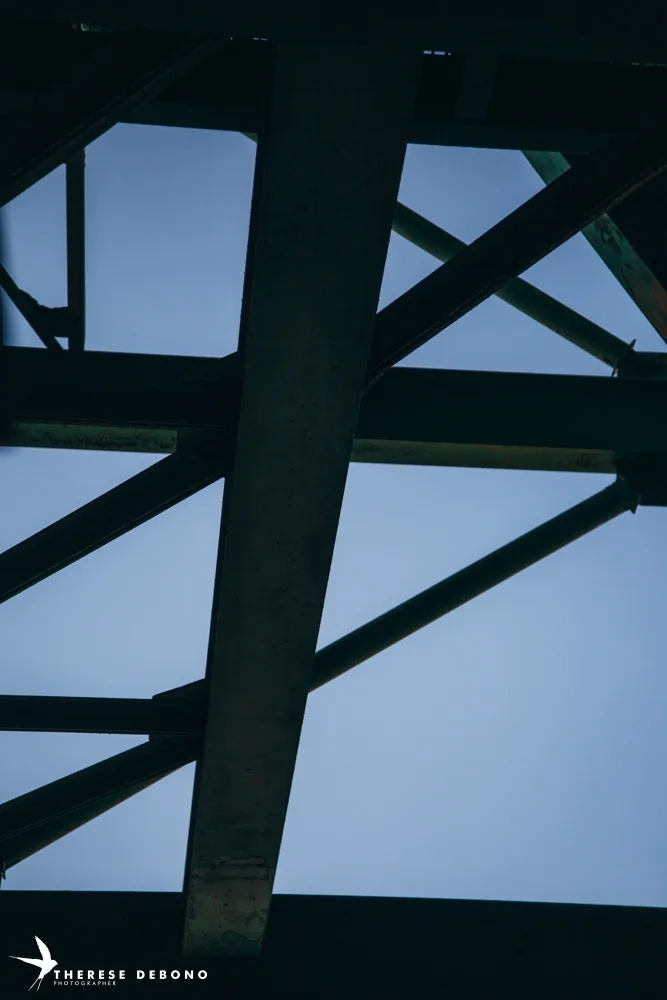
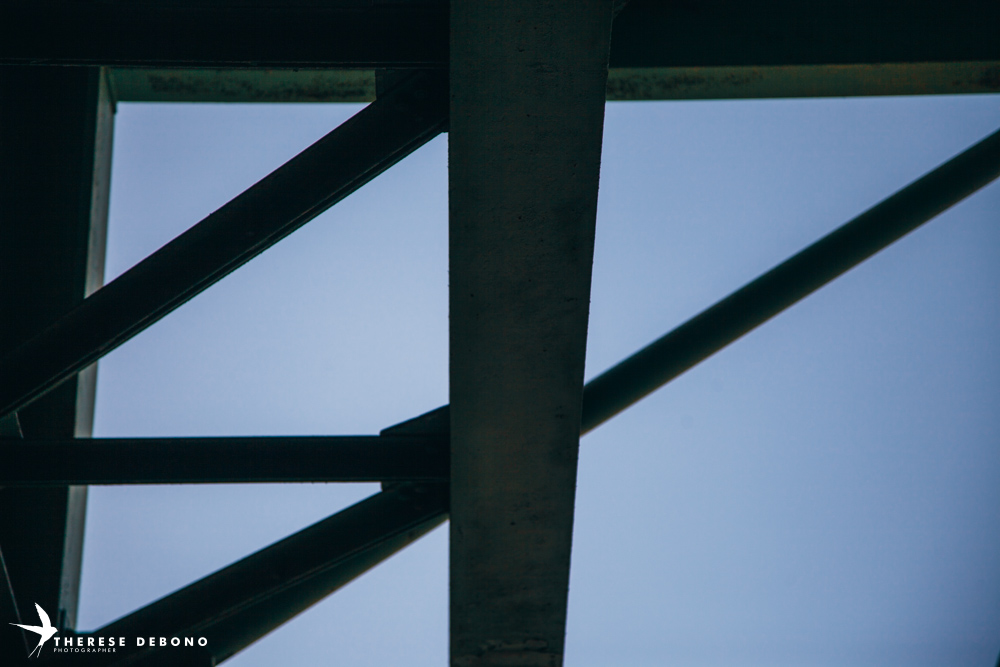
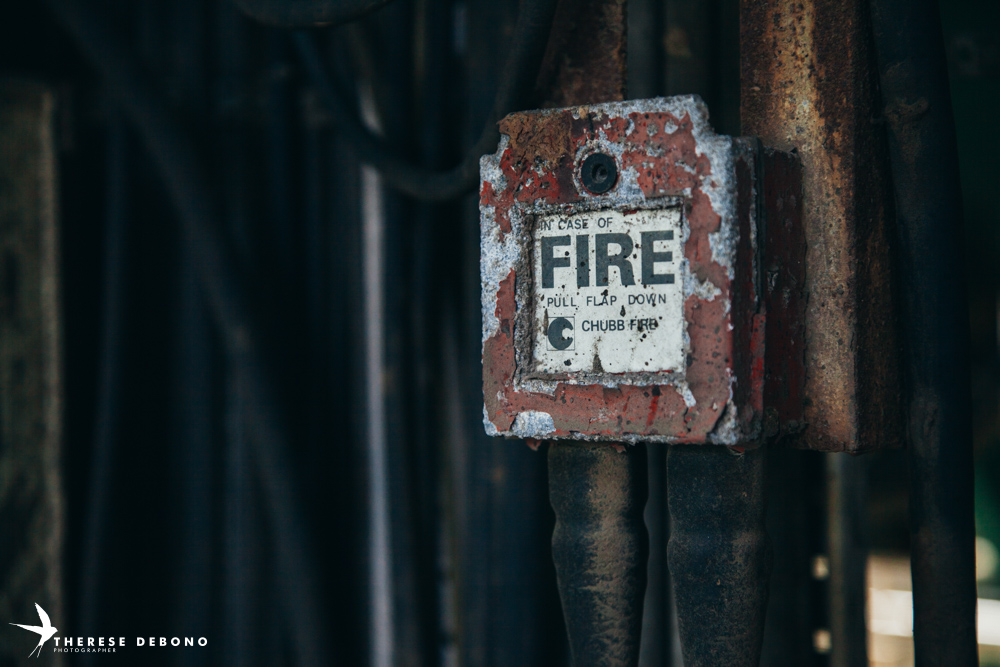
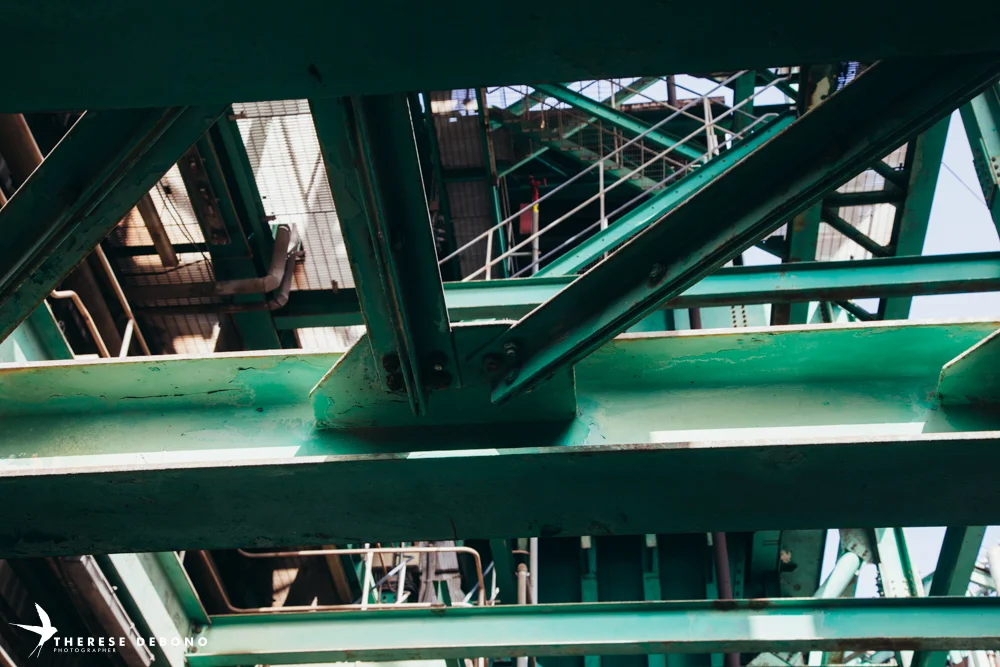
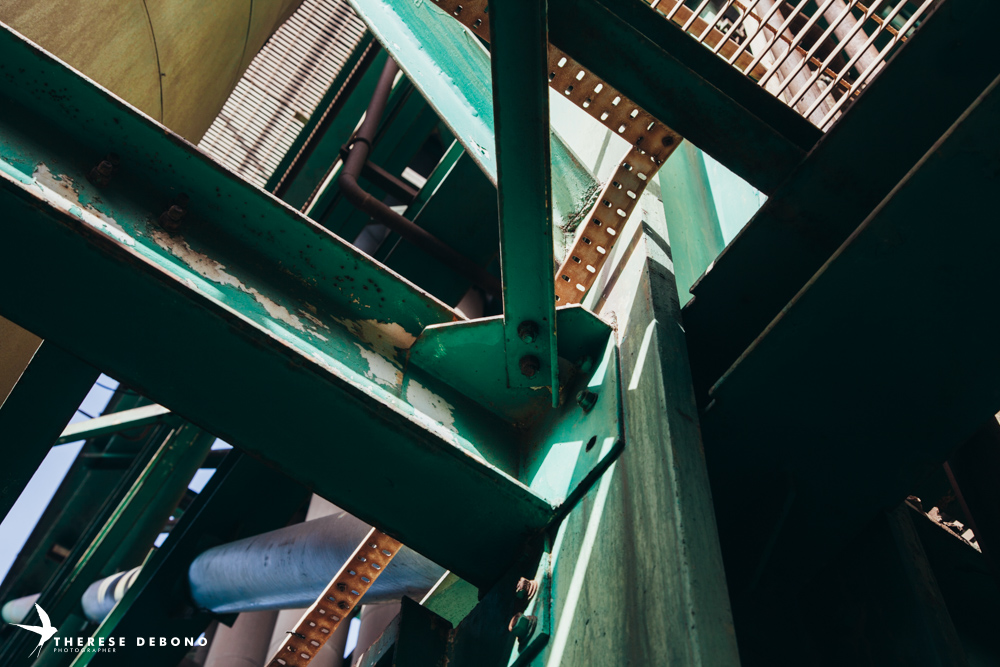
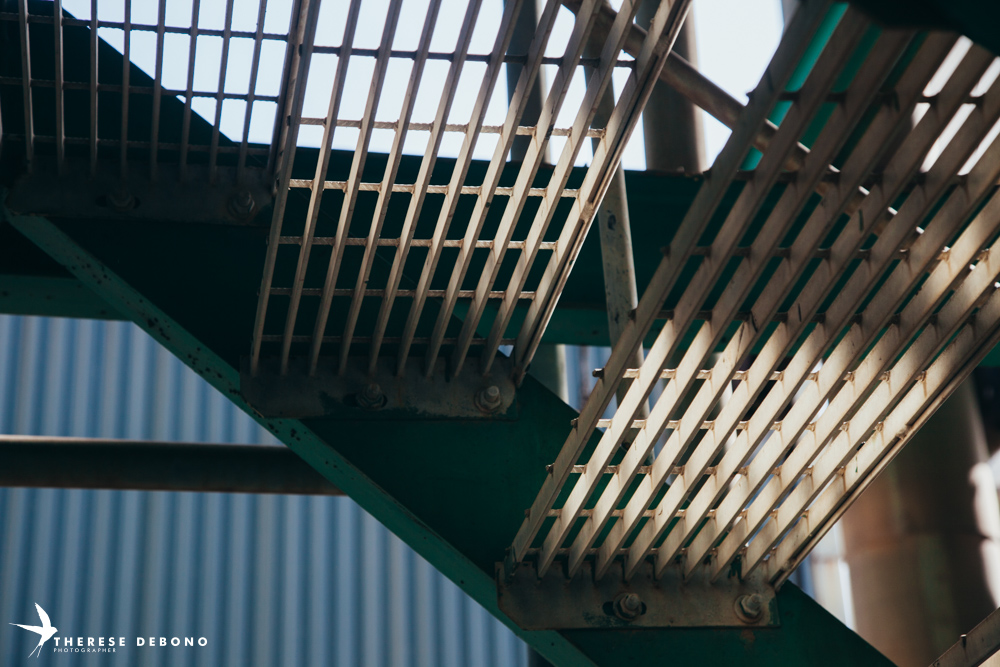
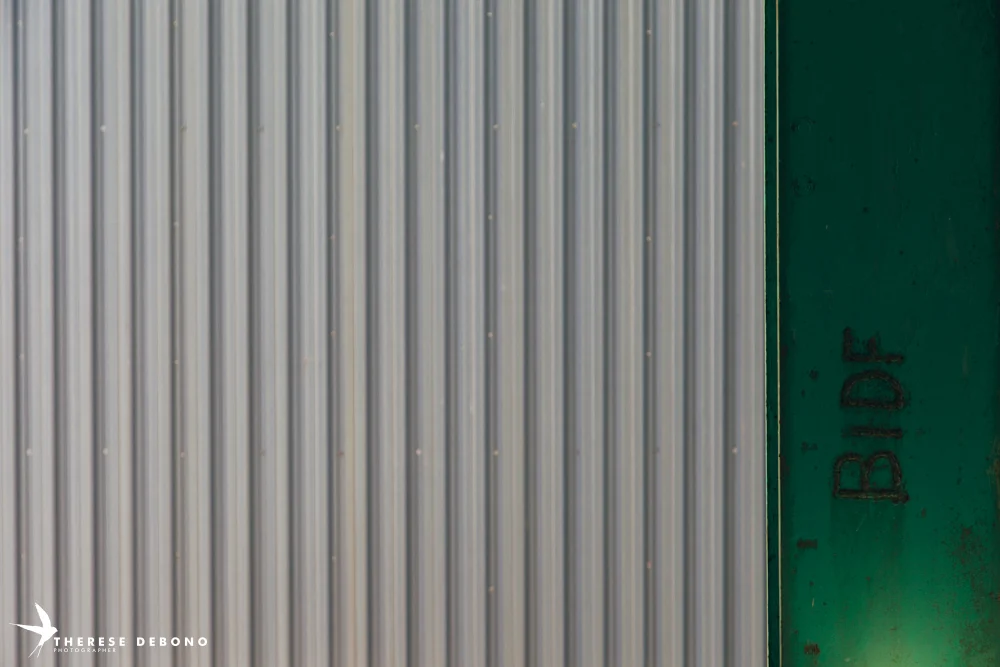
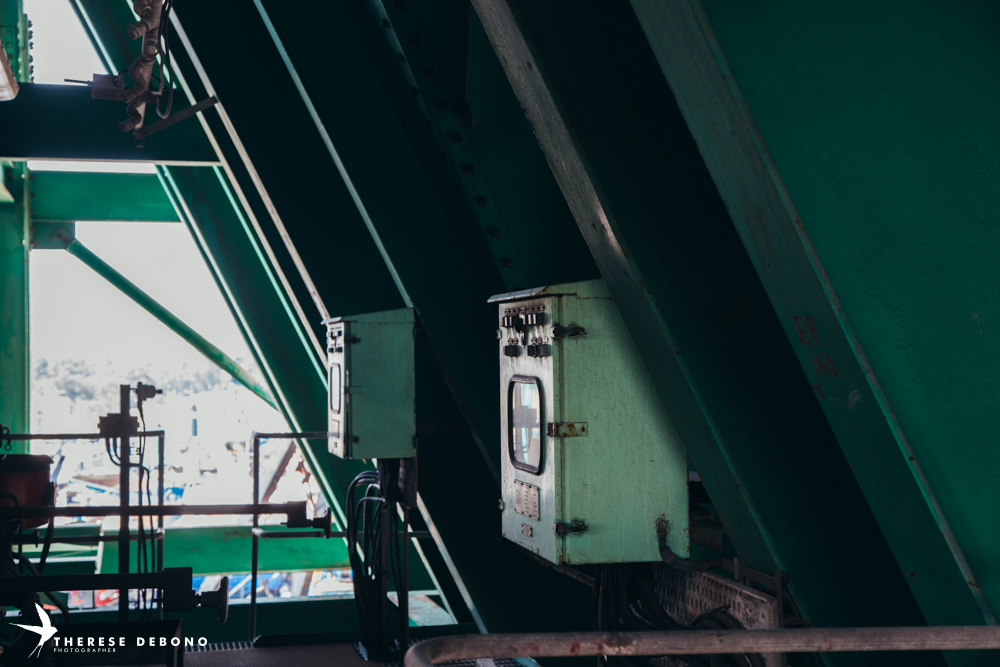
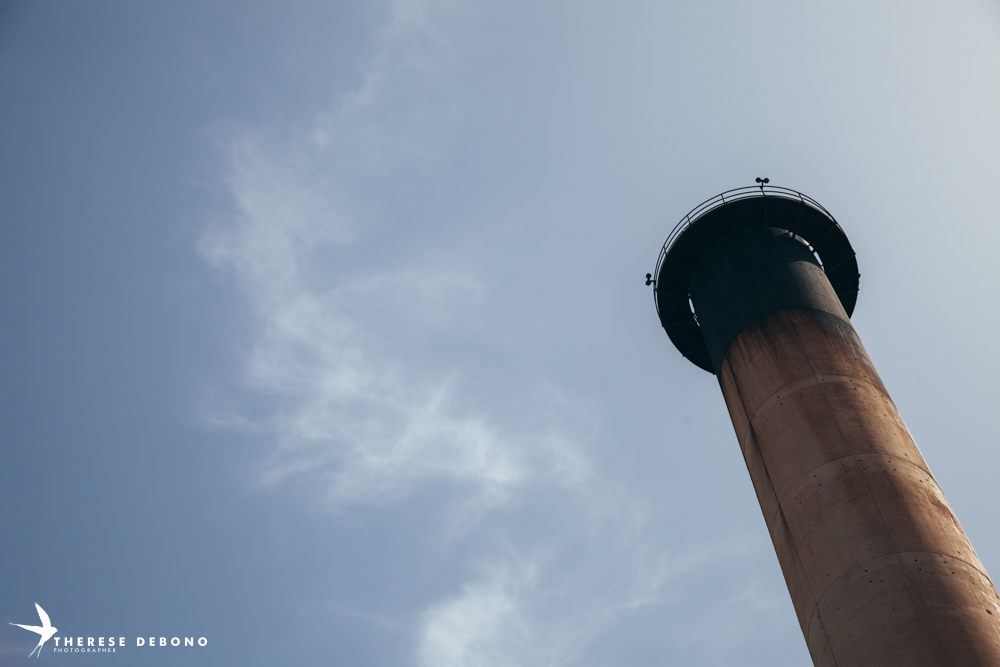
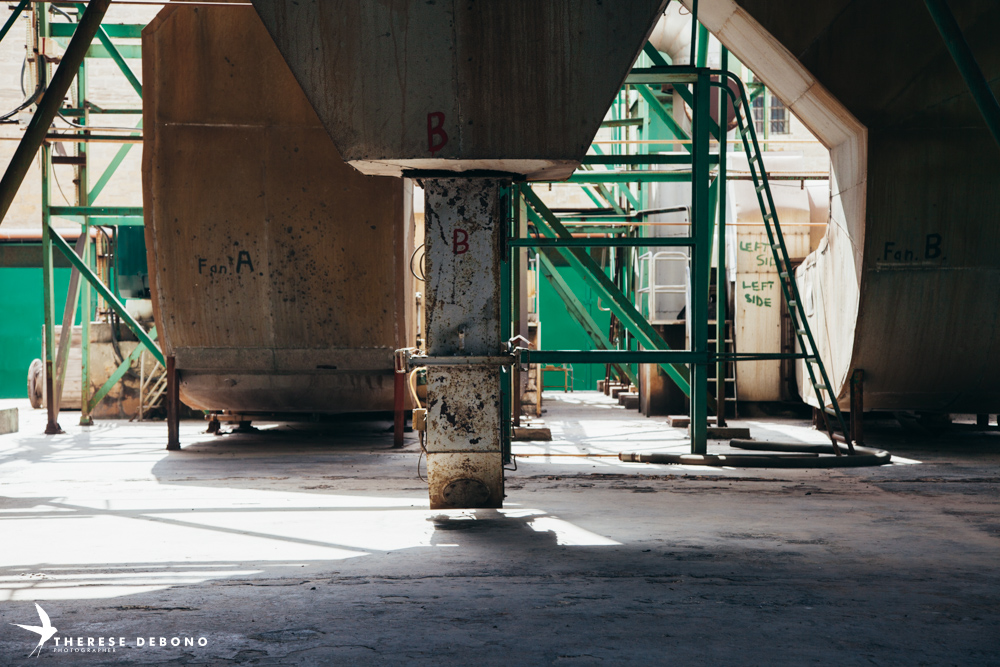
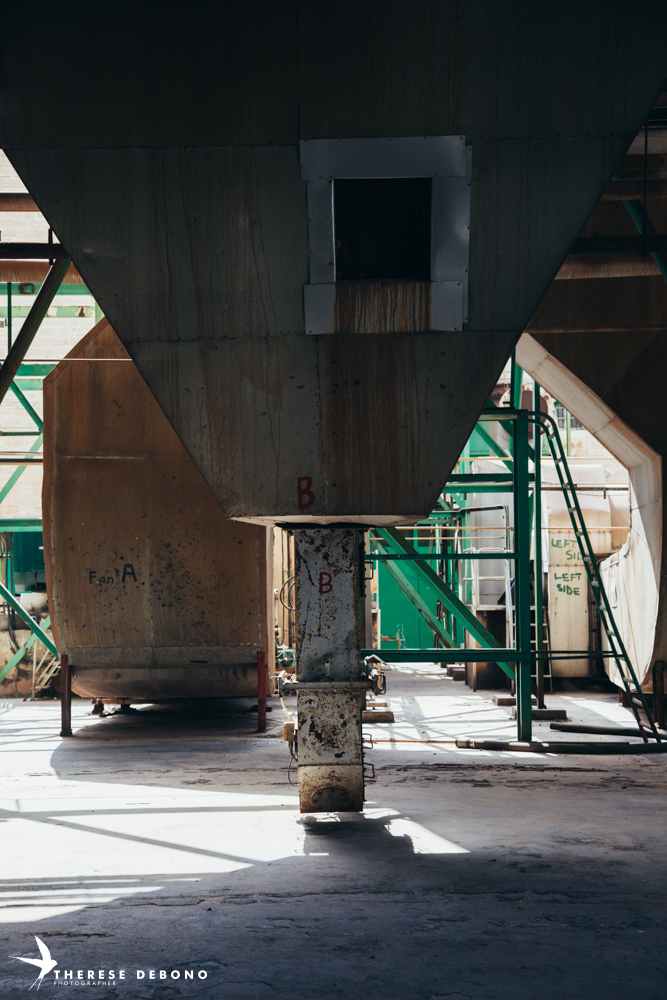
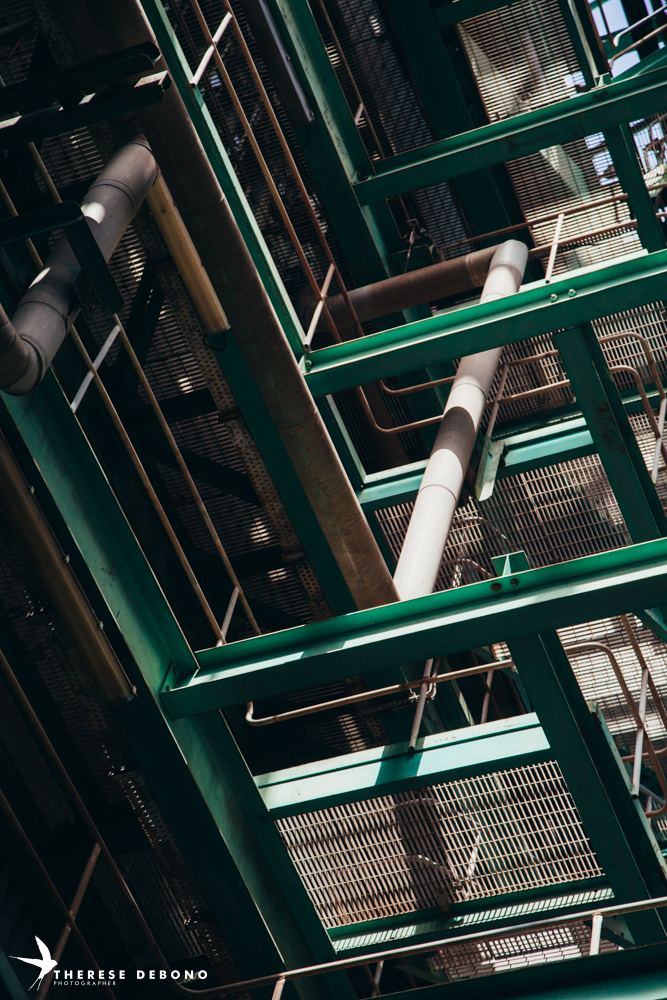
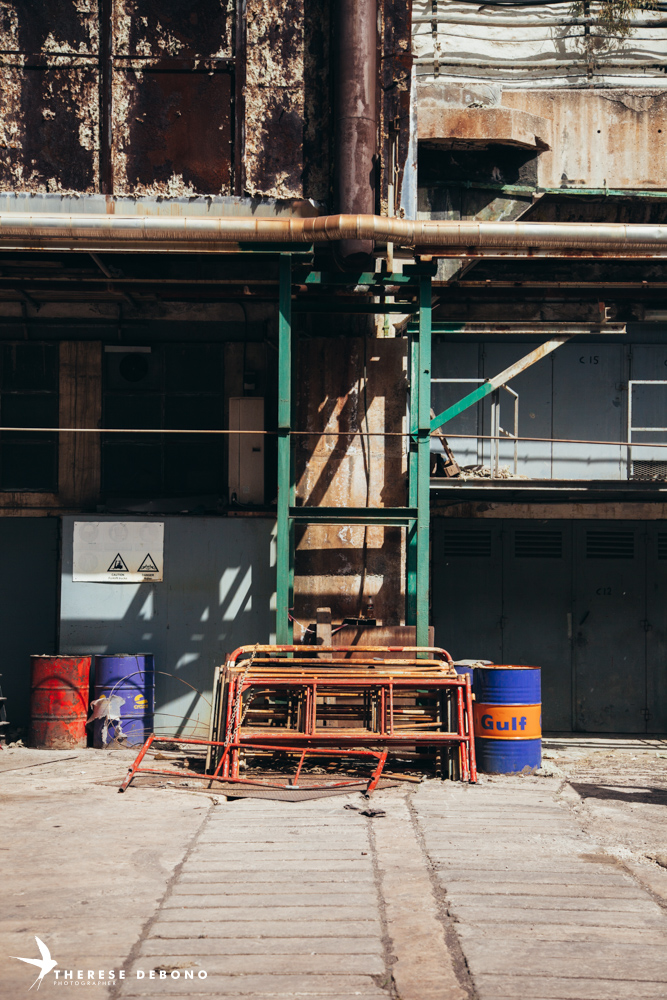
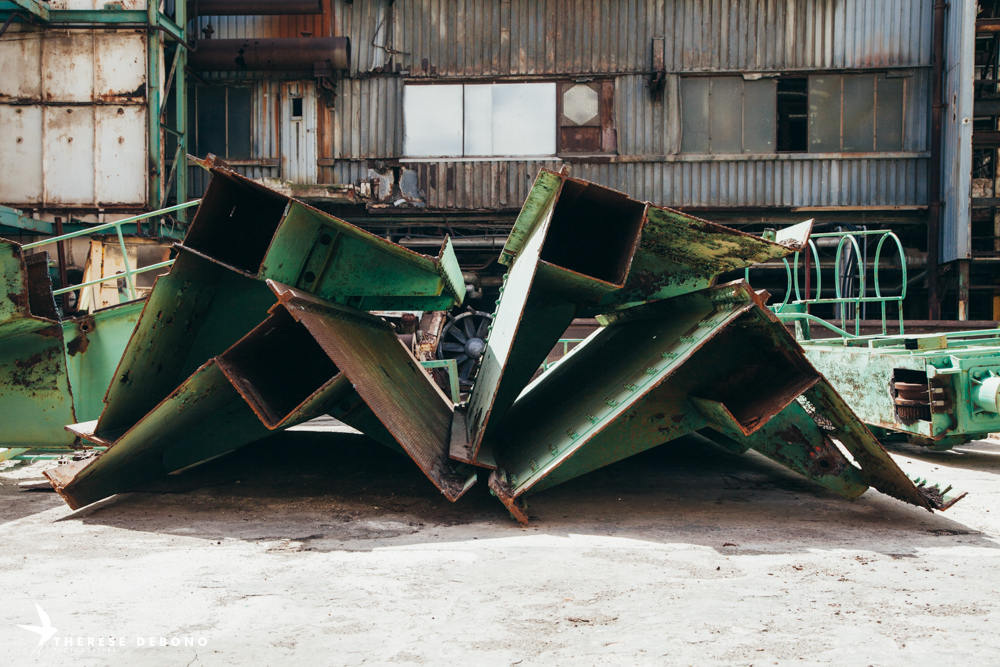
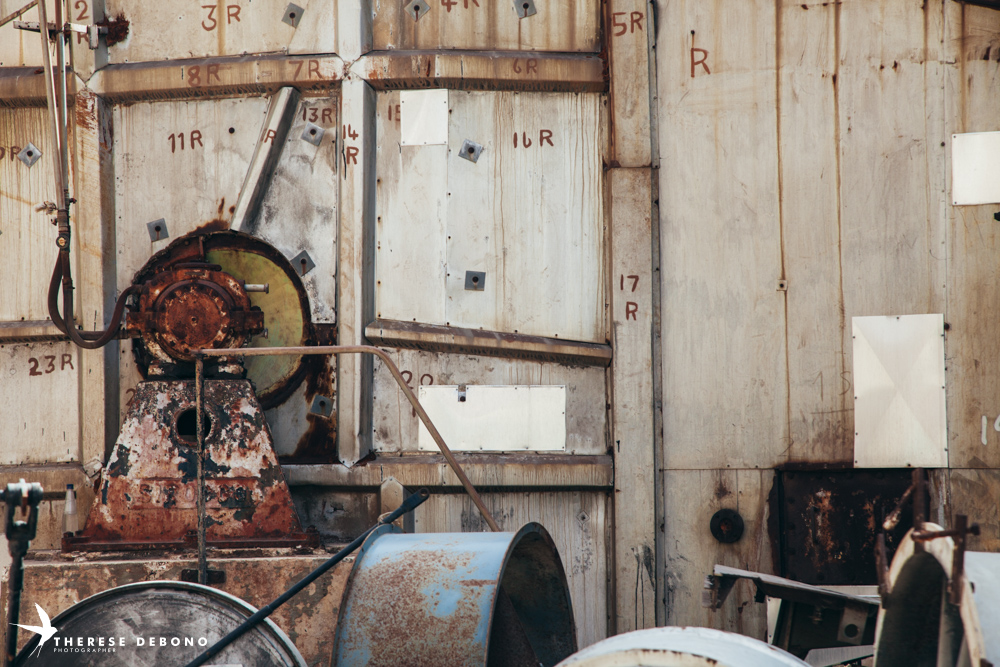
The decommissioned power plant in Malta, once operational for over sixty years, stands as a layered architectural structure shaped by continuous intervention. Successive additions and modifications, made to accommodate machinery and labour, have produced a fragmented material language. Steel, concrete, paint, and surface treatments accumulate not through design intention, but through necessity, resulting in an architecture defined by contingency rather than planning.
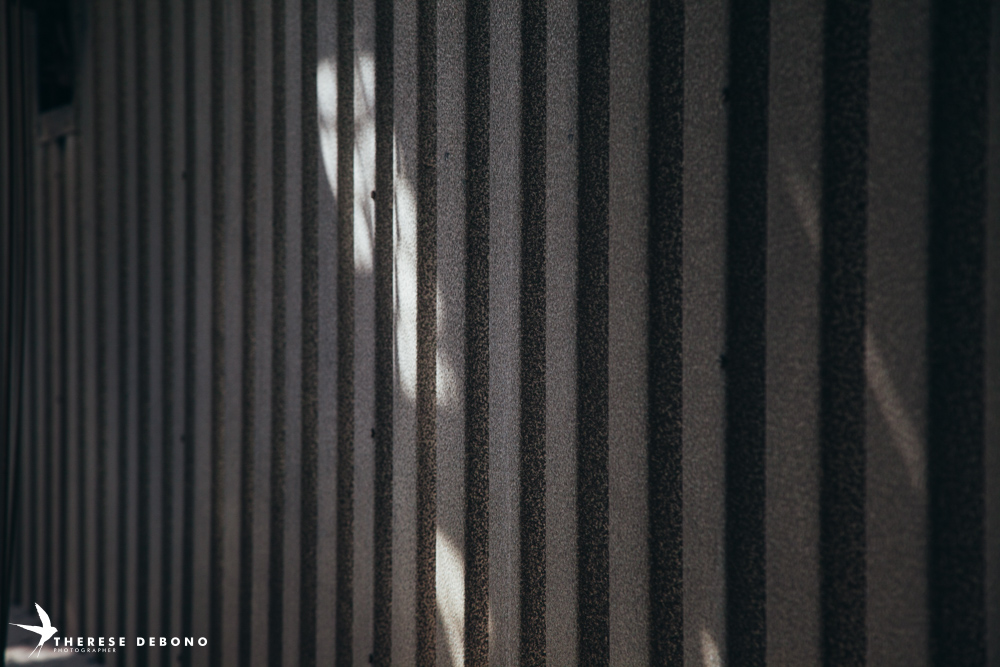
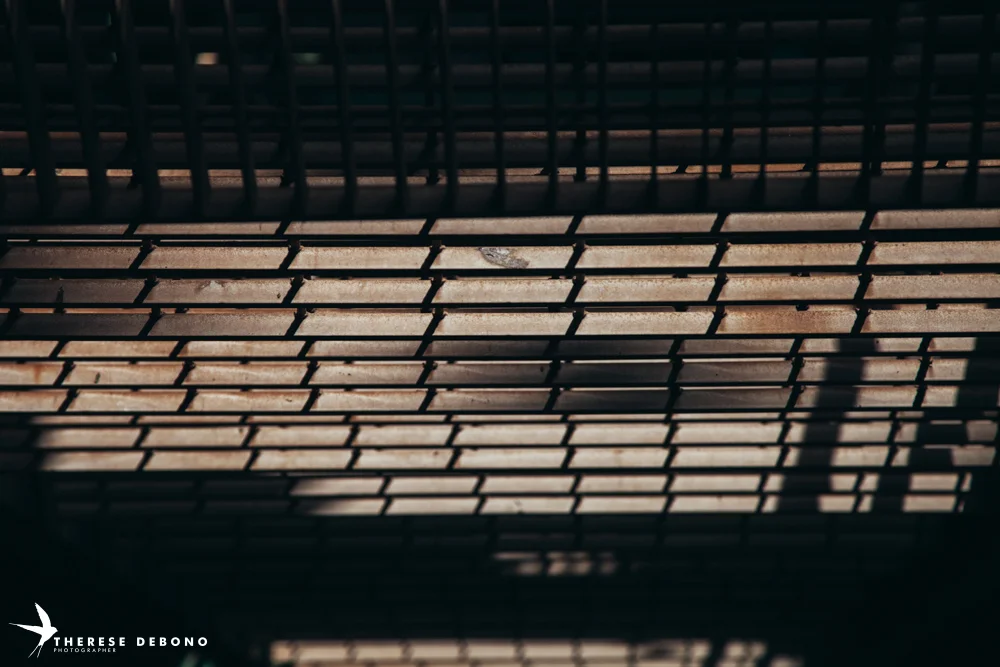
As the building ceased to function, its logic shifted. What remains is not simply decay, but a suspended state in which time becomes visible across surfaces. Weathering, corrosion, and material fatigue do not erase the structure, but re-articulate it. The site becomes still, yet active in its slow transformation.
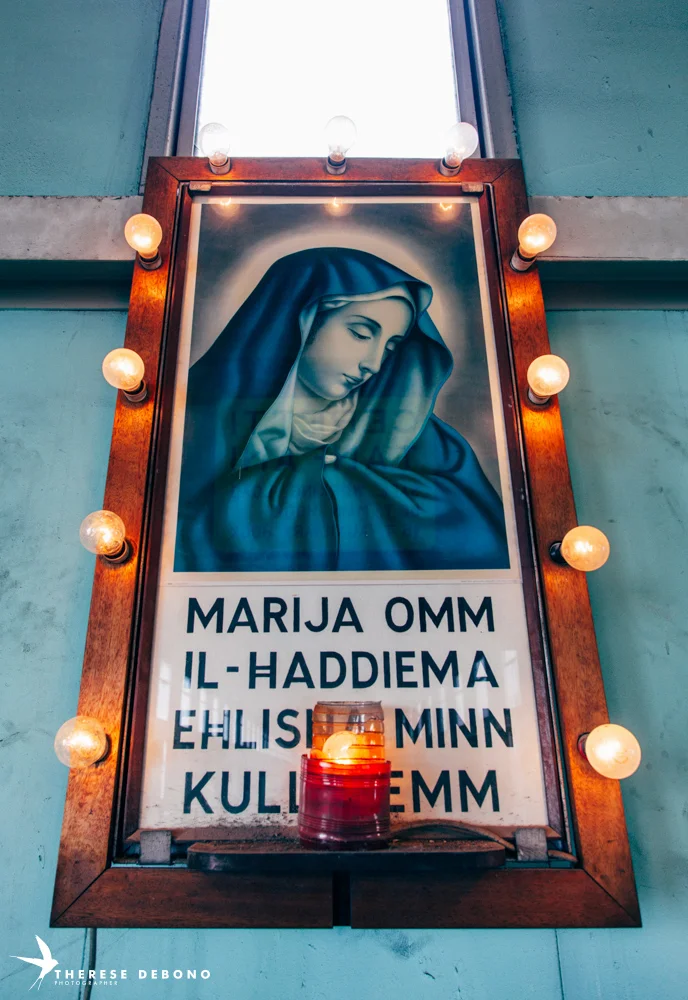
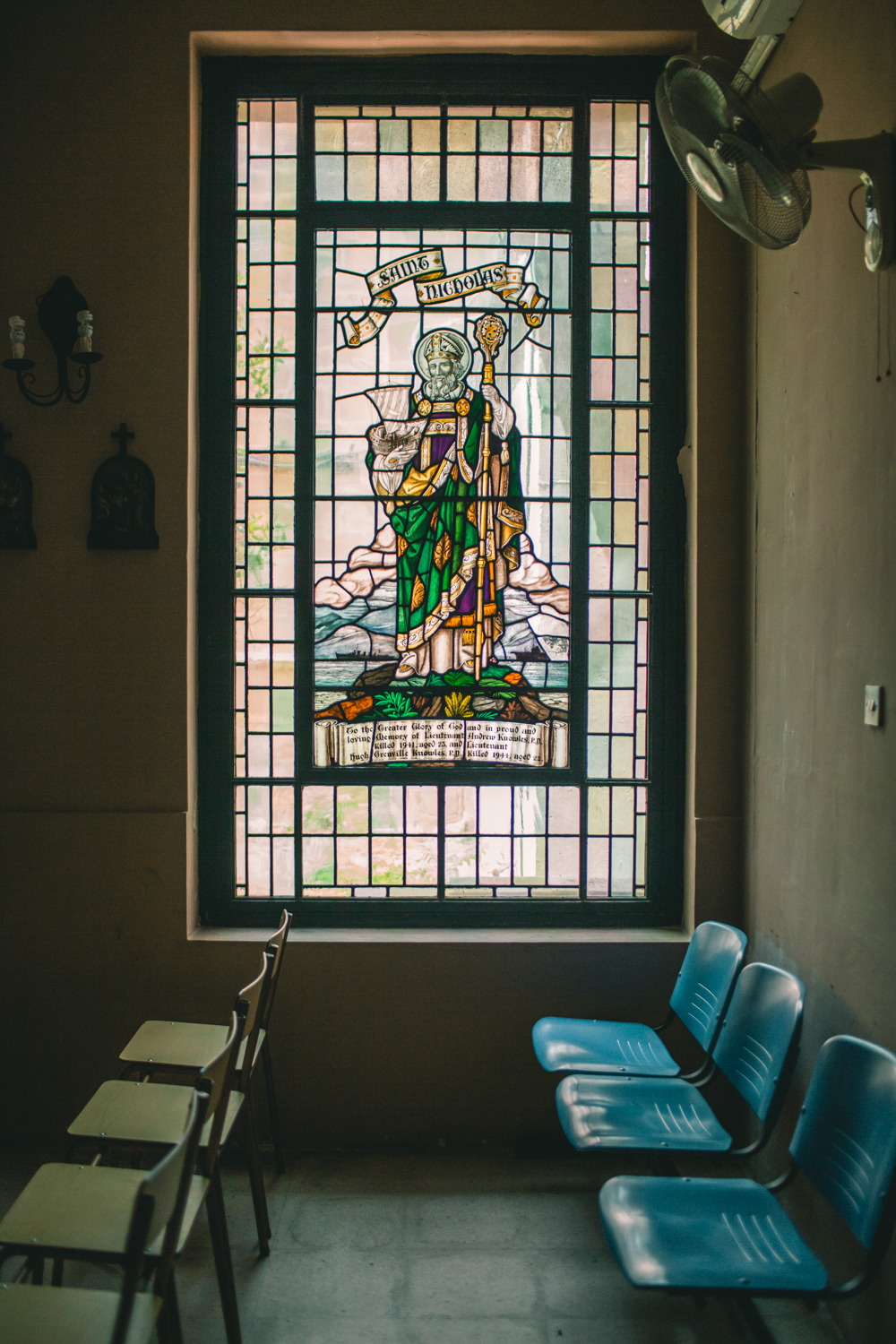
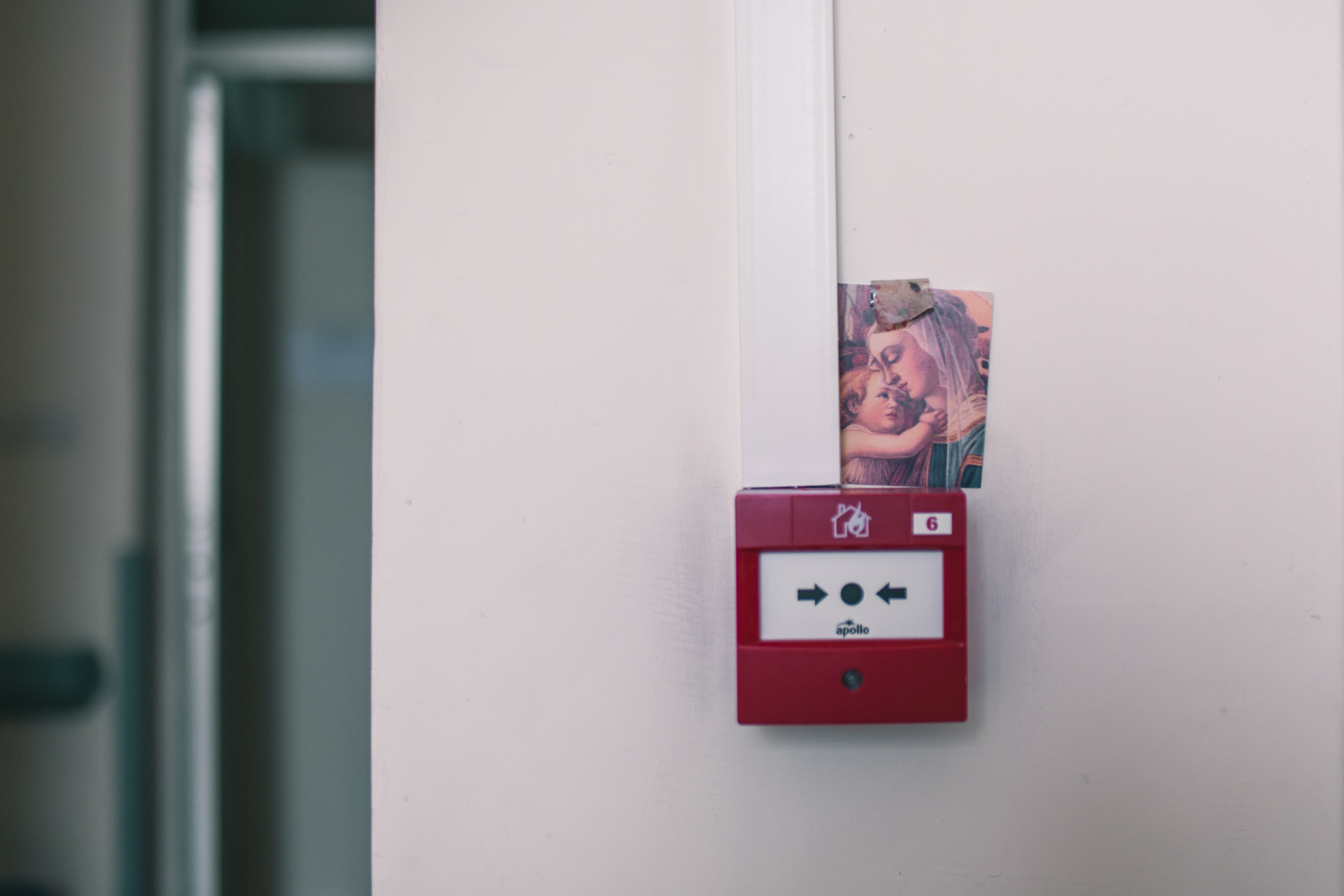
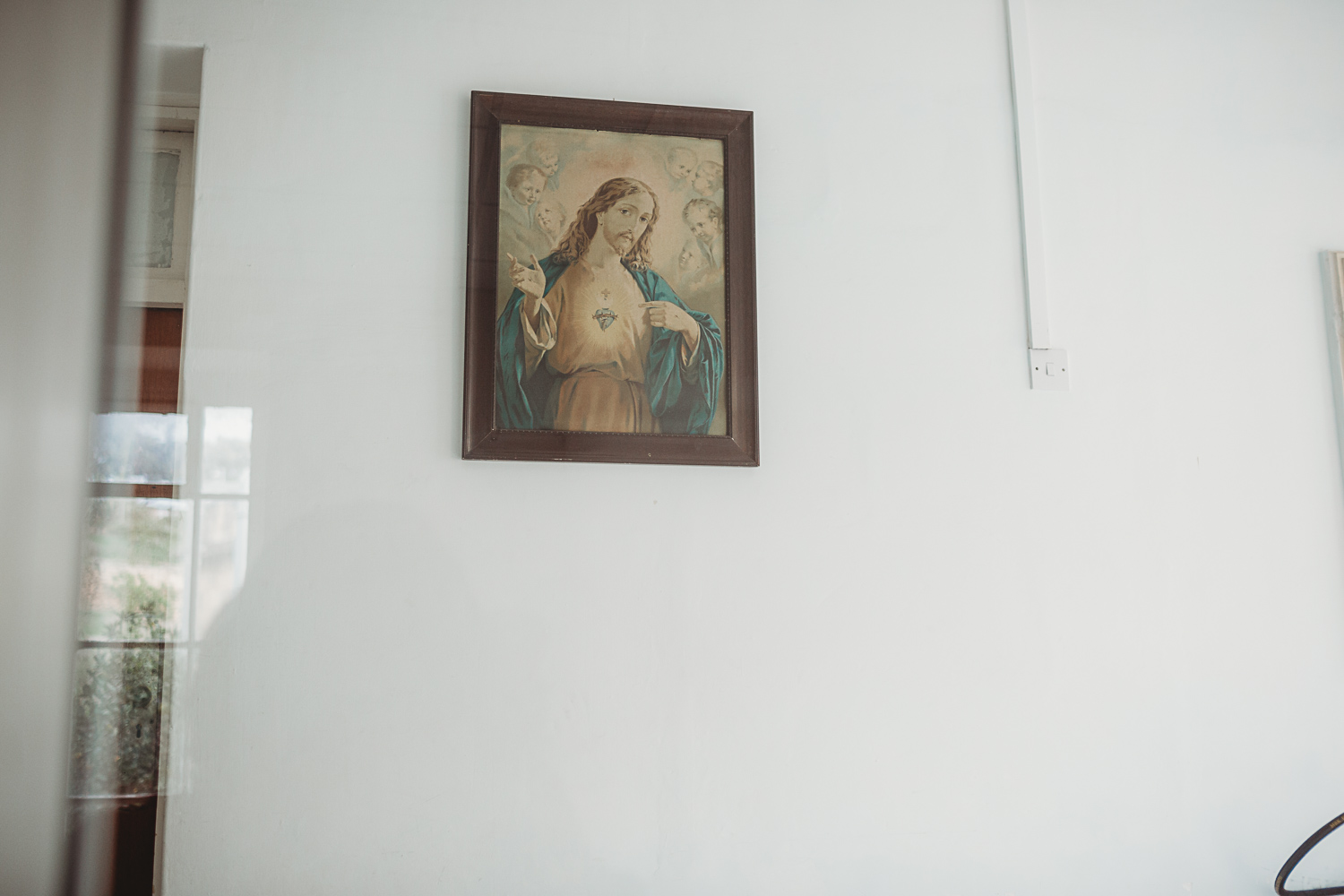
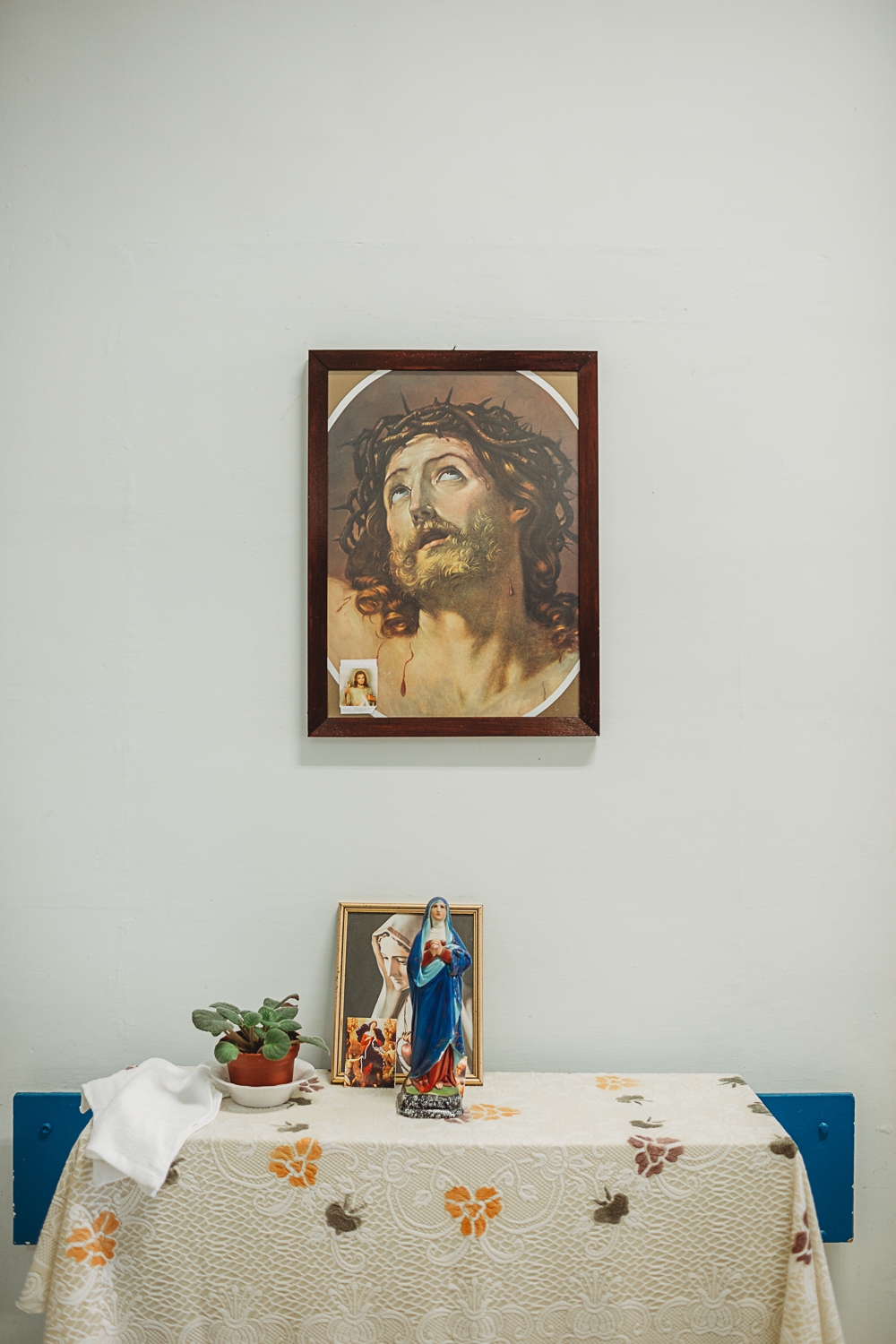
Within this stillness, traces of human presence persist. Religious imagery, such as depictions of Our Lady of Sorrows and various saints, appears within workspaces and utility areas, revealing attempts to inscribe familiarity and belief within an industrial environment. These gestures complicate the reading of the site, positioning it not only as a space of labour, but as one shaped by personal and cultural rituals.
This body of work examines how these accumulated traces, architectural, material, and human, intersect. The power plant emerges as a site of layered temporality, where use, abandonment, and residual presence coexist, forming a visual field that resists a singular narrative.
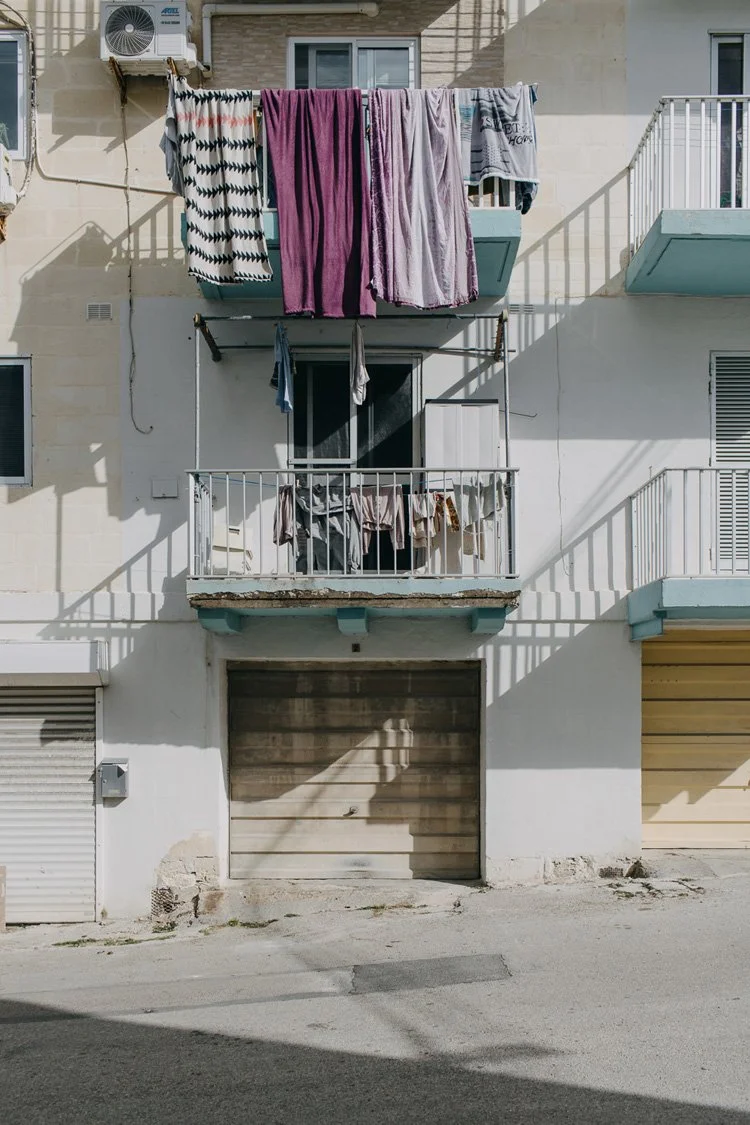
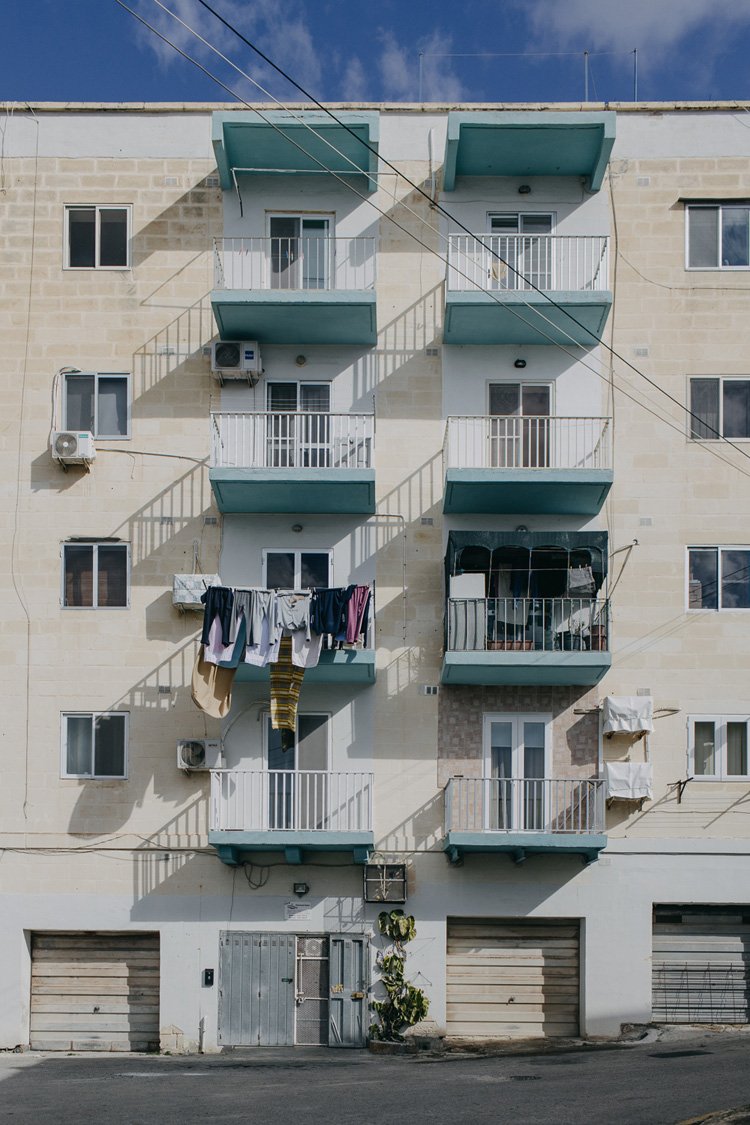
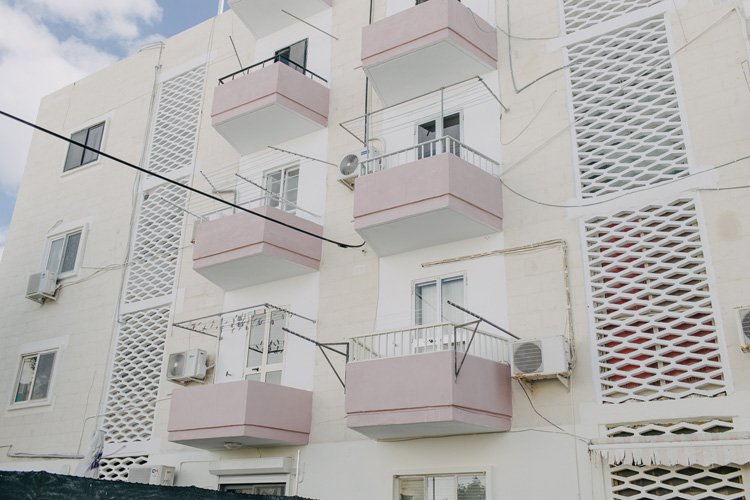
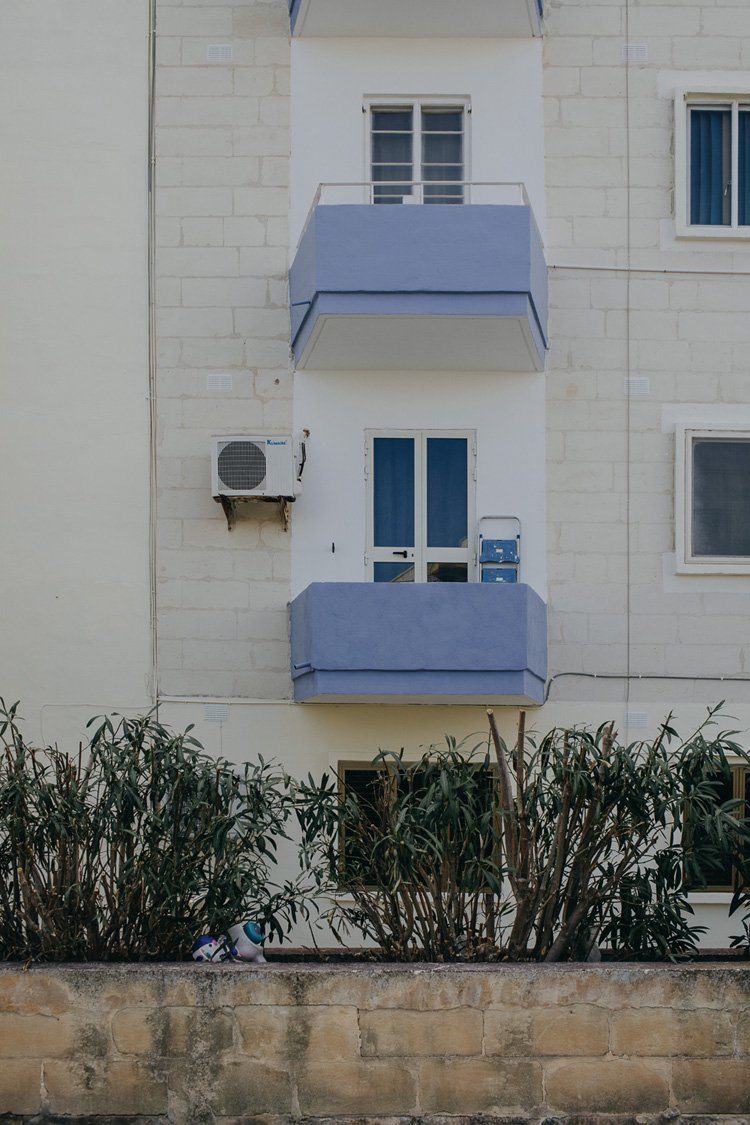
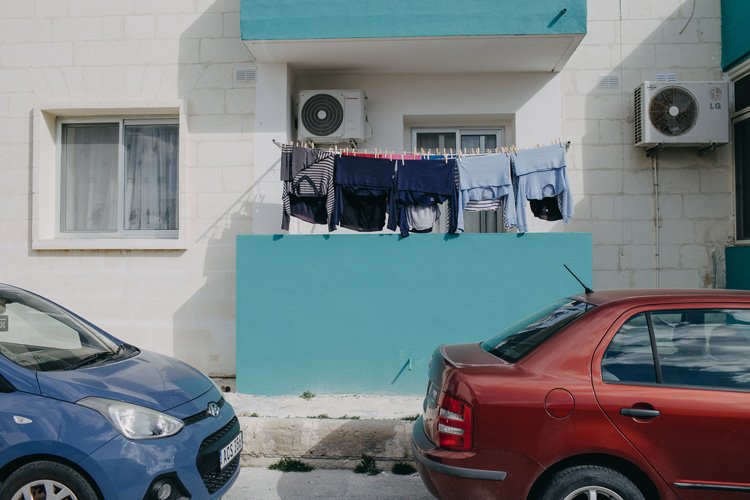
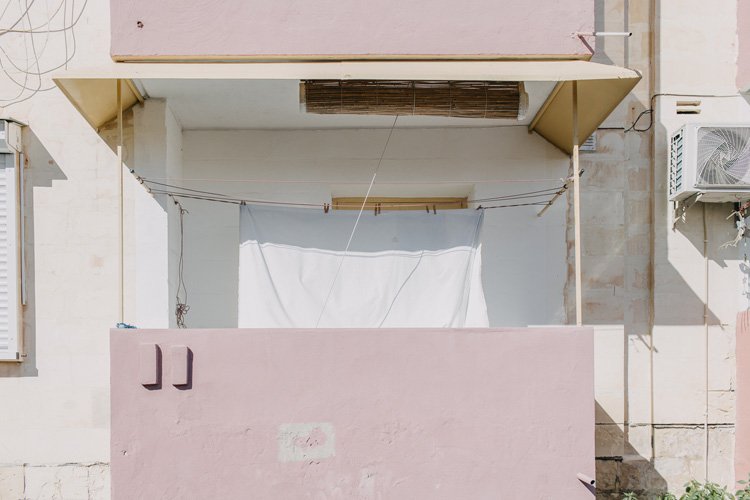
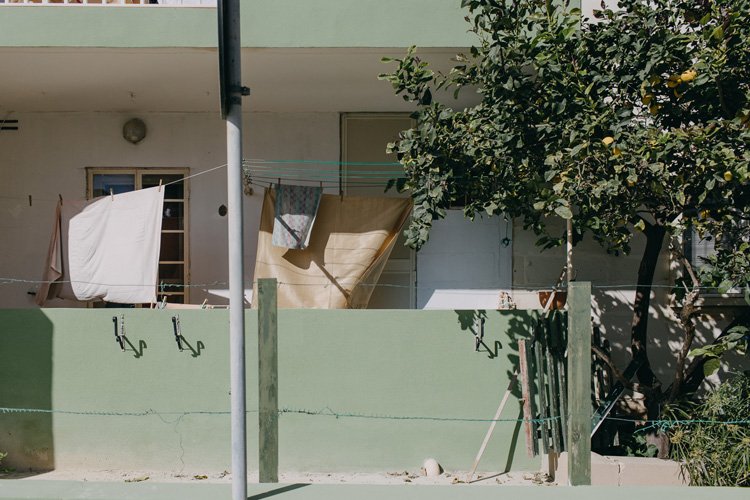
Social housing is often perceived as anonymous spaces where repetition, standardisation, and uniform planning produce environments that appear visually indistinct. In San Ġwann, this apparent homogeneity is immediately disrupted upon closer attention. Balconies, improvised enclosures, laundry, colour, and personal objects begin to surface, revealing the everyday lives embedded within the architecture.
Constructed during the 1960s and 1970s in response to rapid population growth, this housing estate reflects a modernist logic of efficiency and provision. Yet, over time, its uniform structures have been continually altered through small-scale, individual interventions. These incremental acts of personalisation, subtle, informal, and often unregulated, rework the façade into a layered surface of difference.
This work examines the tension between imposed architectural order and lived experience. While the buildings suggest conformity, the accumulated traces of habitation resist this reading, producing a shifting visual field where repetition and variation coexist. Social housing emerges not as a fixed typology, but as an evolving environment shaped as much by its residents as by its original design.
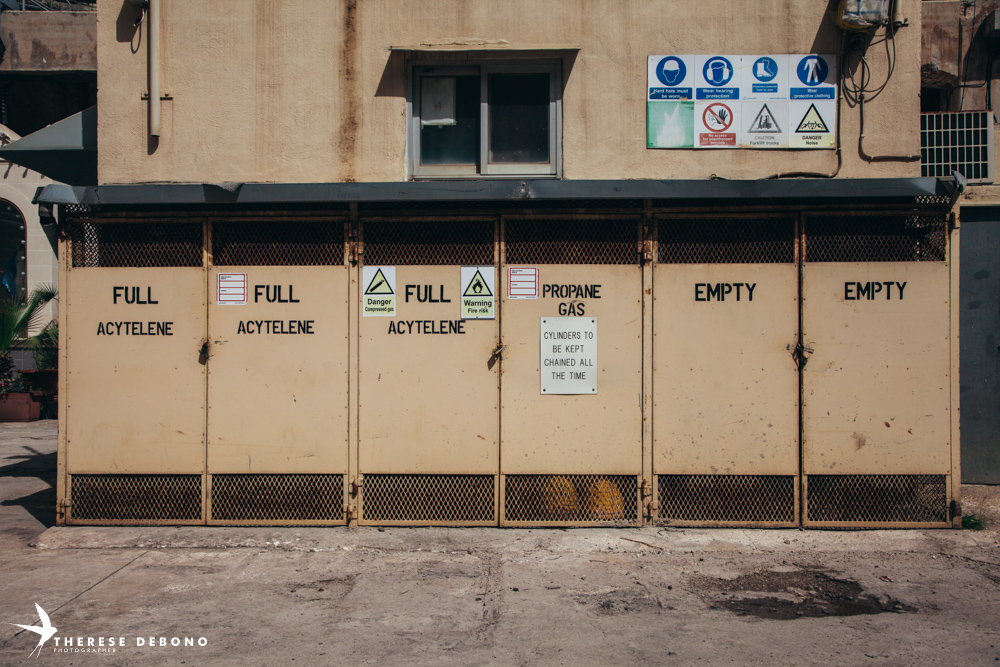
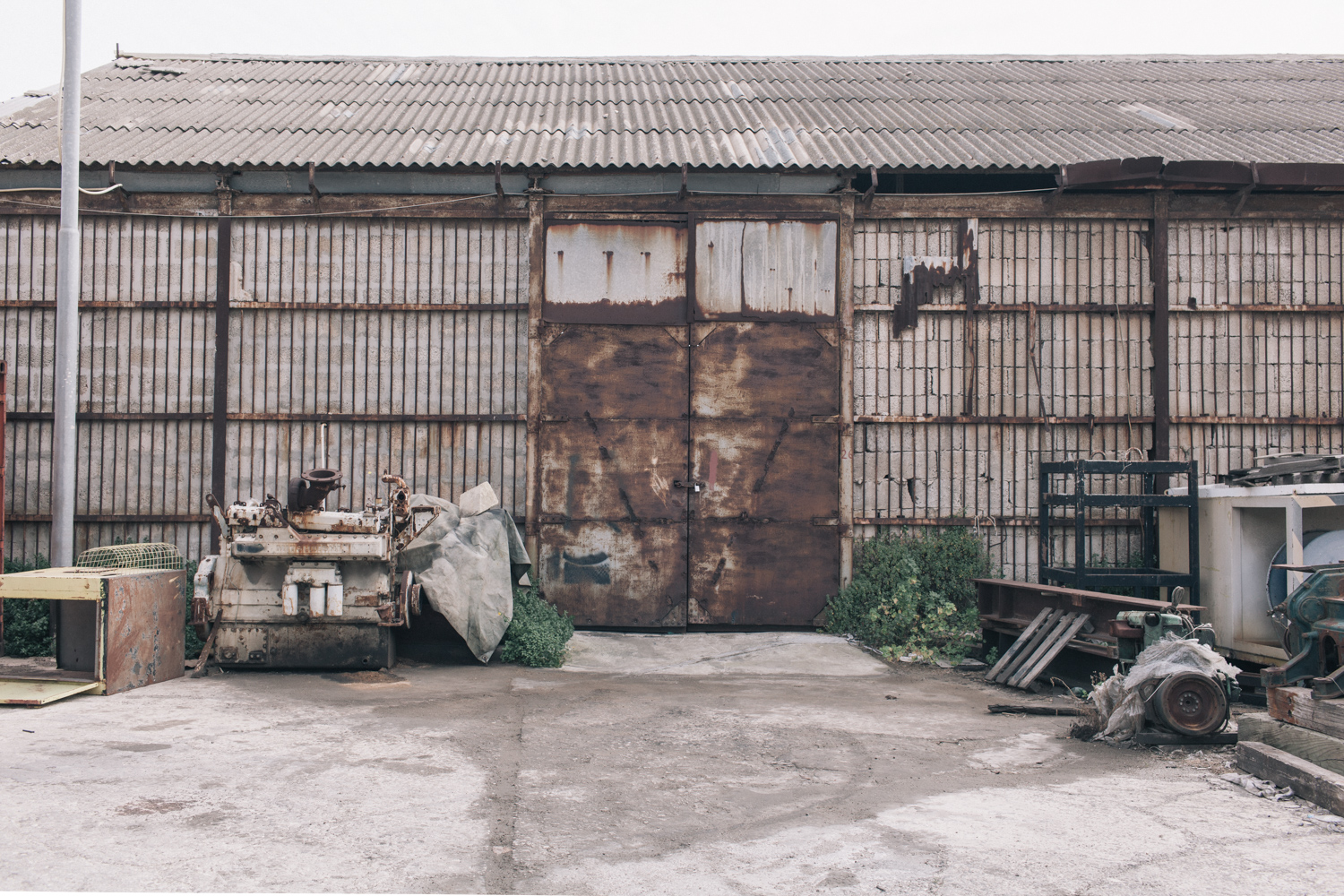
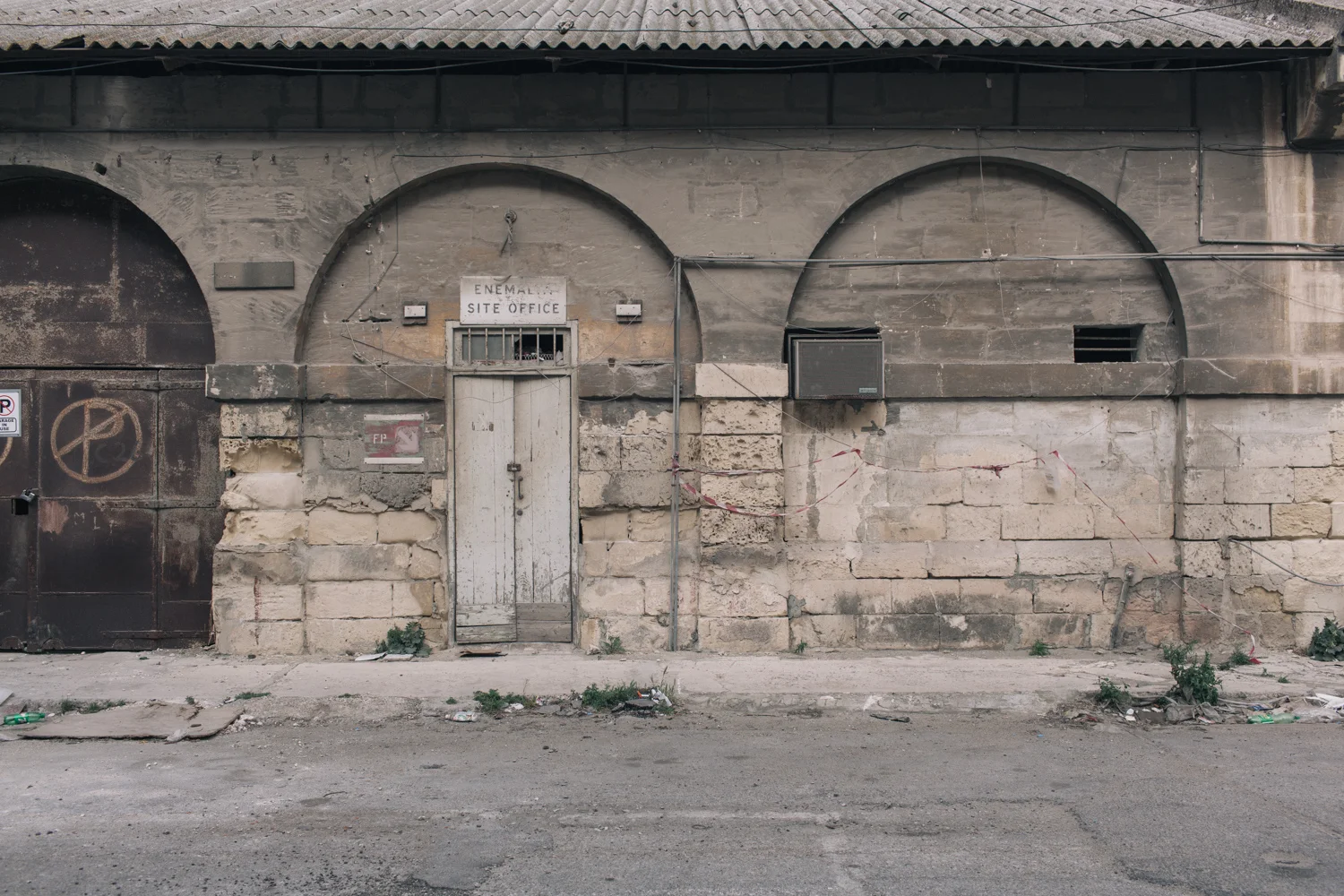
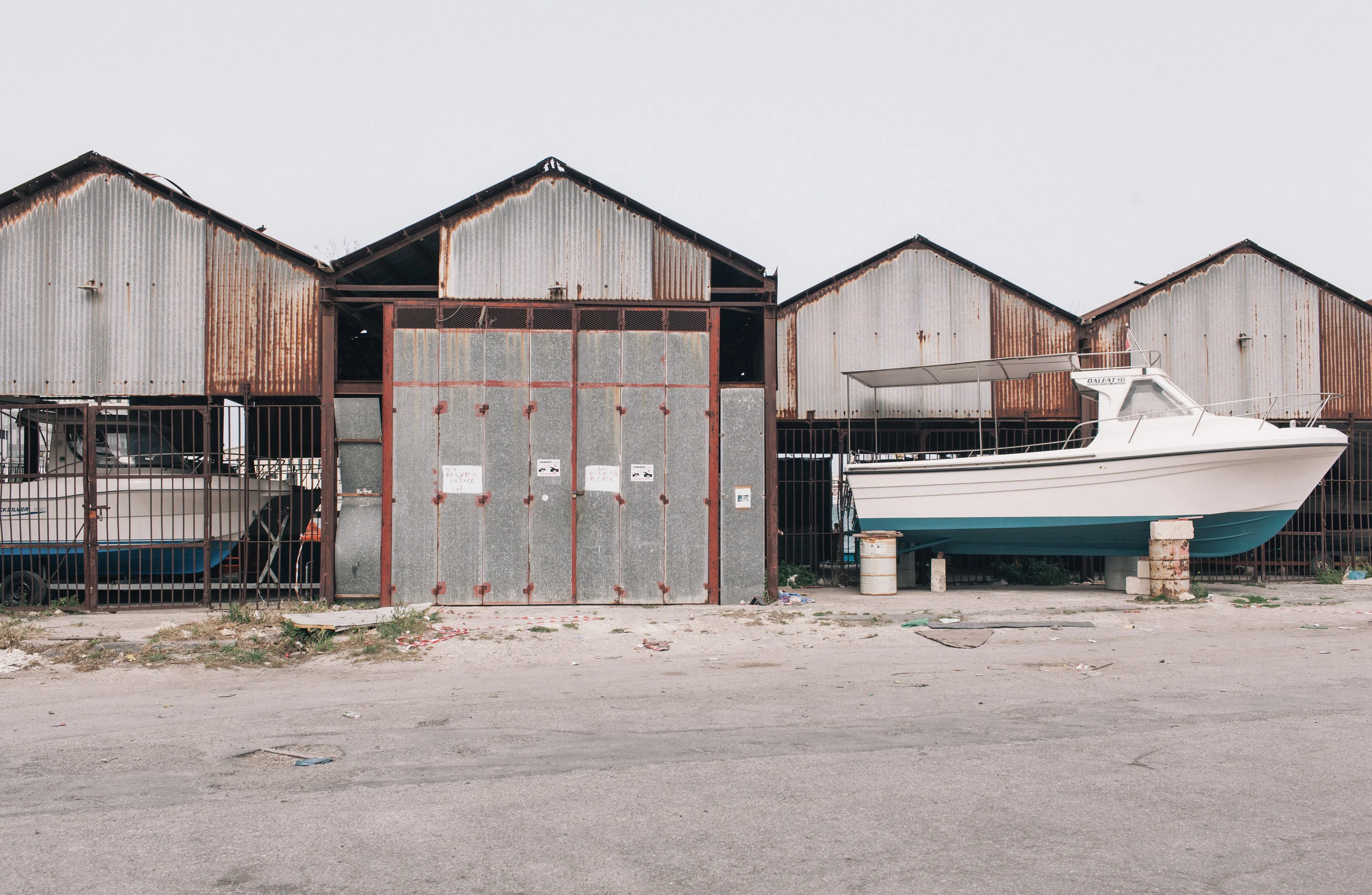
These images document a series of industrial buildings in Malta prior to their demolition and subsequent redevelopment. Photographed frontally, the structures are presented without dramatization, aligning with a topographic mode of observation that privileges clarity, repetition, and surface over narrative.
At the time of making, the work functioned as a formal exercise, an engagement with framing, alignment, and the discipline of looking associated with the New Topographics. The buildings were approached as typological forms: modular, restrained, and shaped by functional modernist design.
With their disappearance, these images have shifted in significance. They no longer operate solely as formal studies, but as records of structures that have since been erased from the landscape. What was once an exercise in observation now carries the weight of absence.
Rather than positioning these buildings within a discourse of heritage, the work is concerned with their quiet removal and the conditions under which such architectures pass unnoticed. The images hold a moment before transformation, before intervention, redevelopment, and the reconfiguration of space, marking a threshold between presence and disappearance.
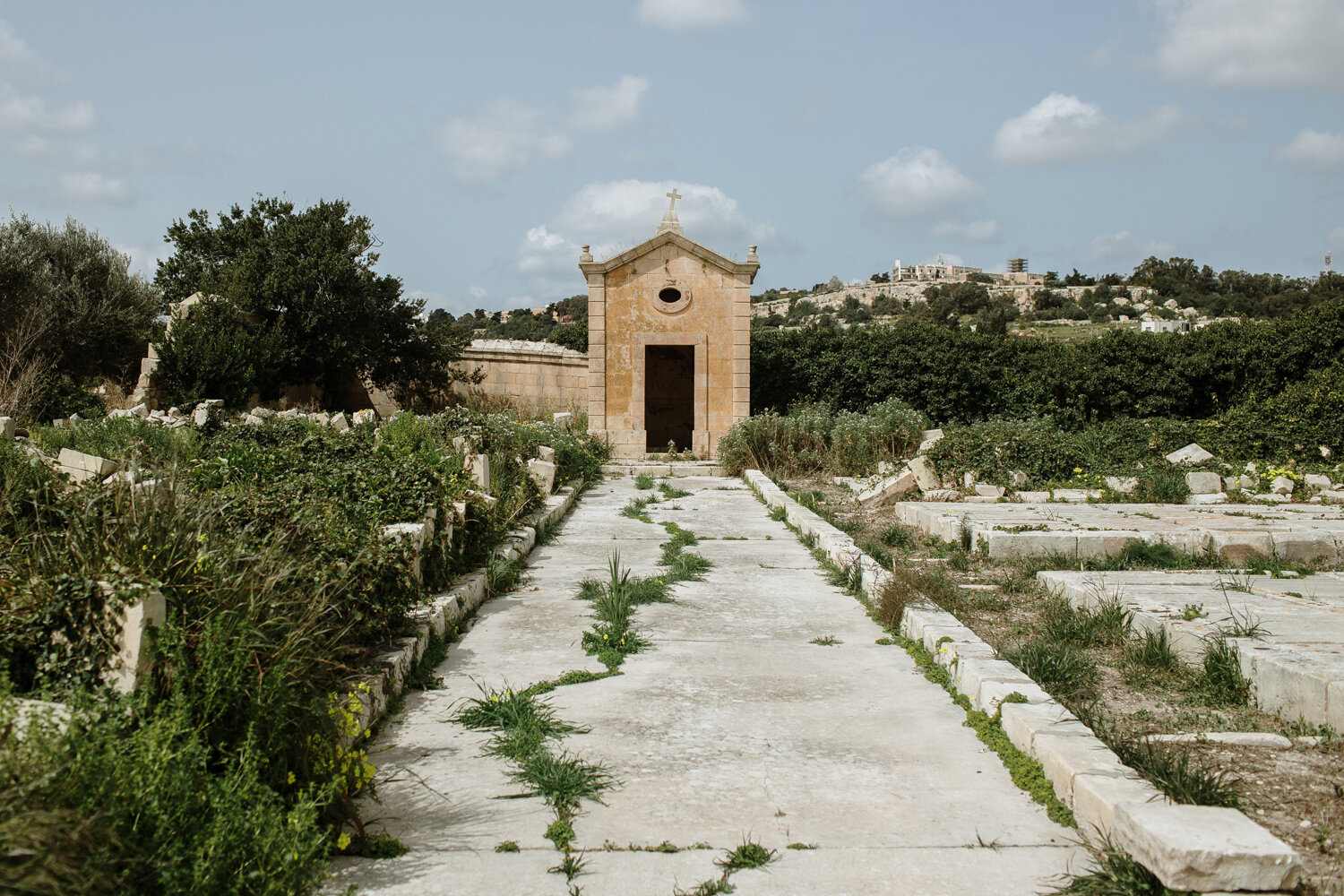
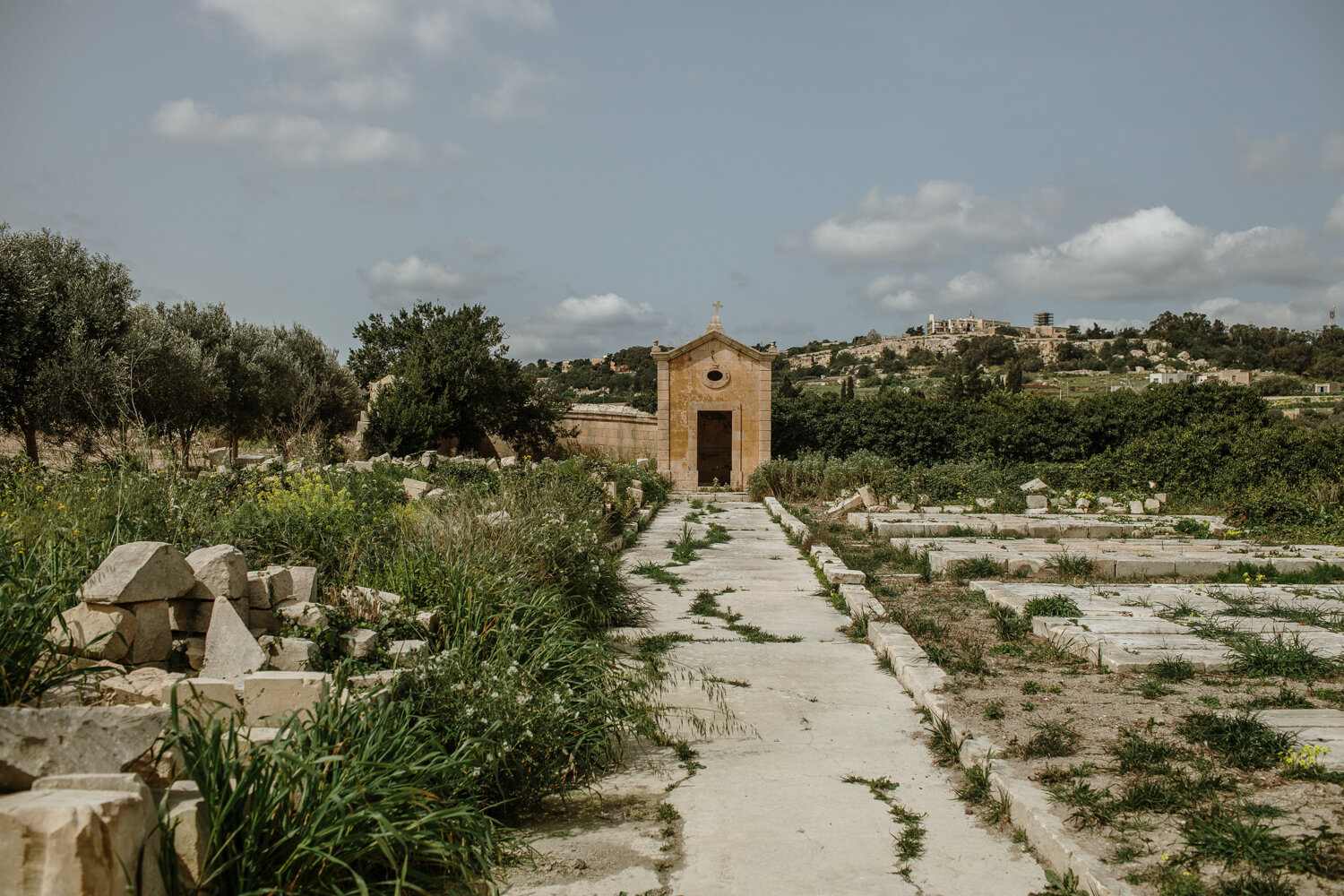
This site was encountered repeatedly in passing, visible, yet largely unnoticed. Situated just below Mdina, the cemetery exists in a state of quiet suspension, neither fully maintained nor entirely abandoned.
At the time of photographing, the work began as a response to familiarity and repetition. The site was not sought out, but returned to. Its presence lingered without immediate explanation.
What emerged was a subtle but persistent tension. Open graves, empty, exposed, disrupt the expected function of the space. The cemetery no longer operates solely as a place of burial, but as a site where absence becomes materially present. What should be contained is instead visible, unresolved.
This work engages with that condition. The images do not attempt to narrate or explain, but to hold the space in its ambiguity where the boundaries between presence and absence, function and disuse, remain unsettled.
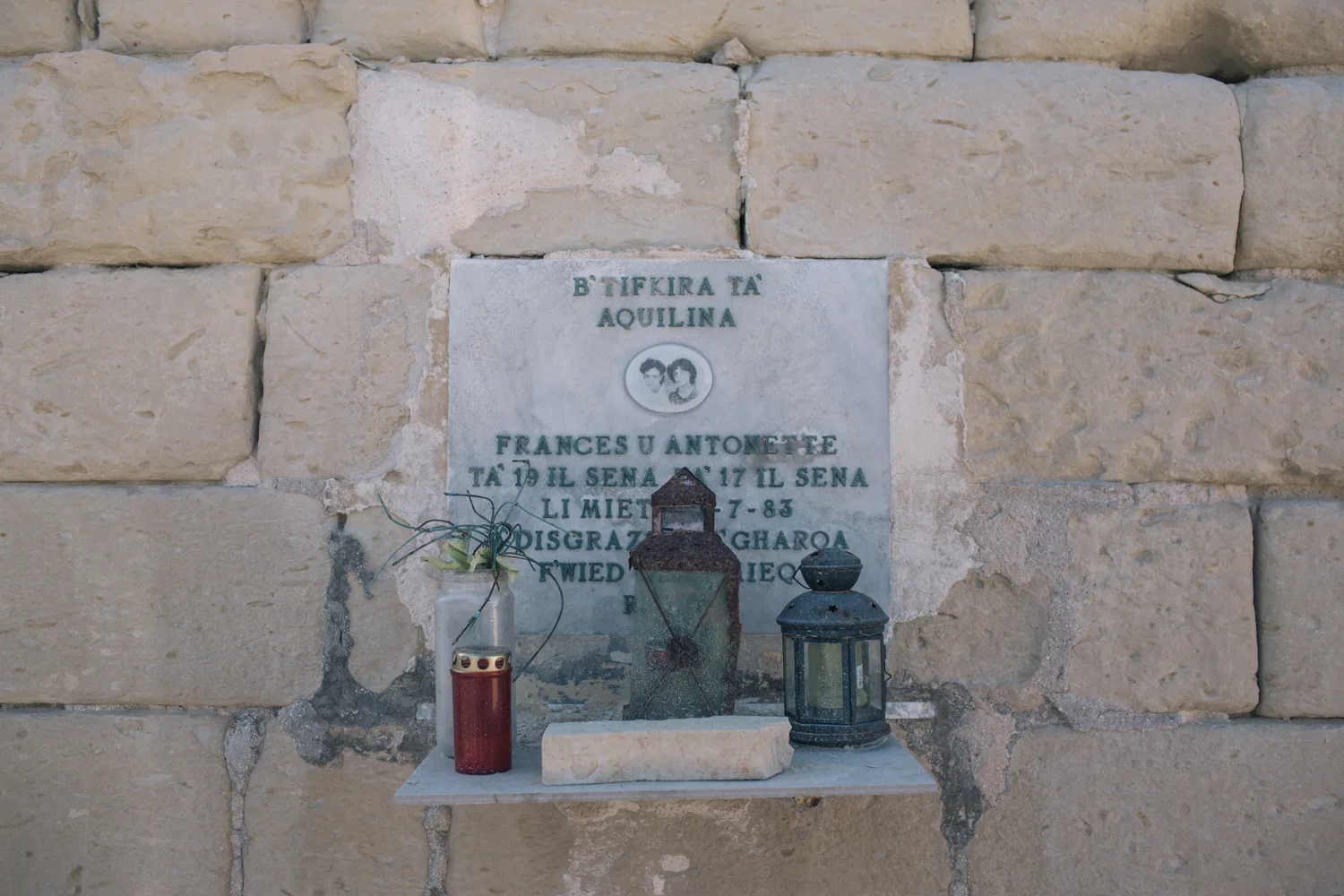
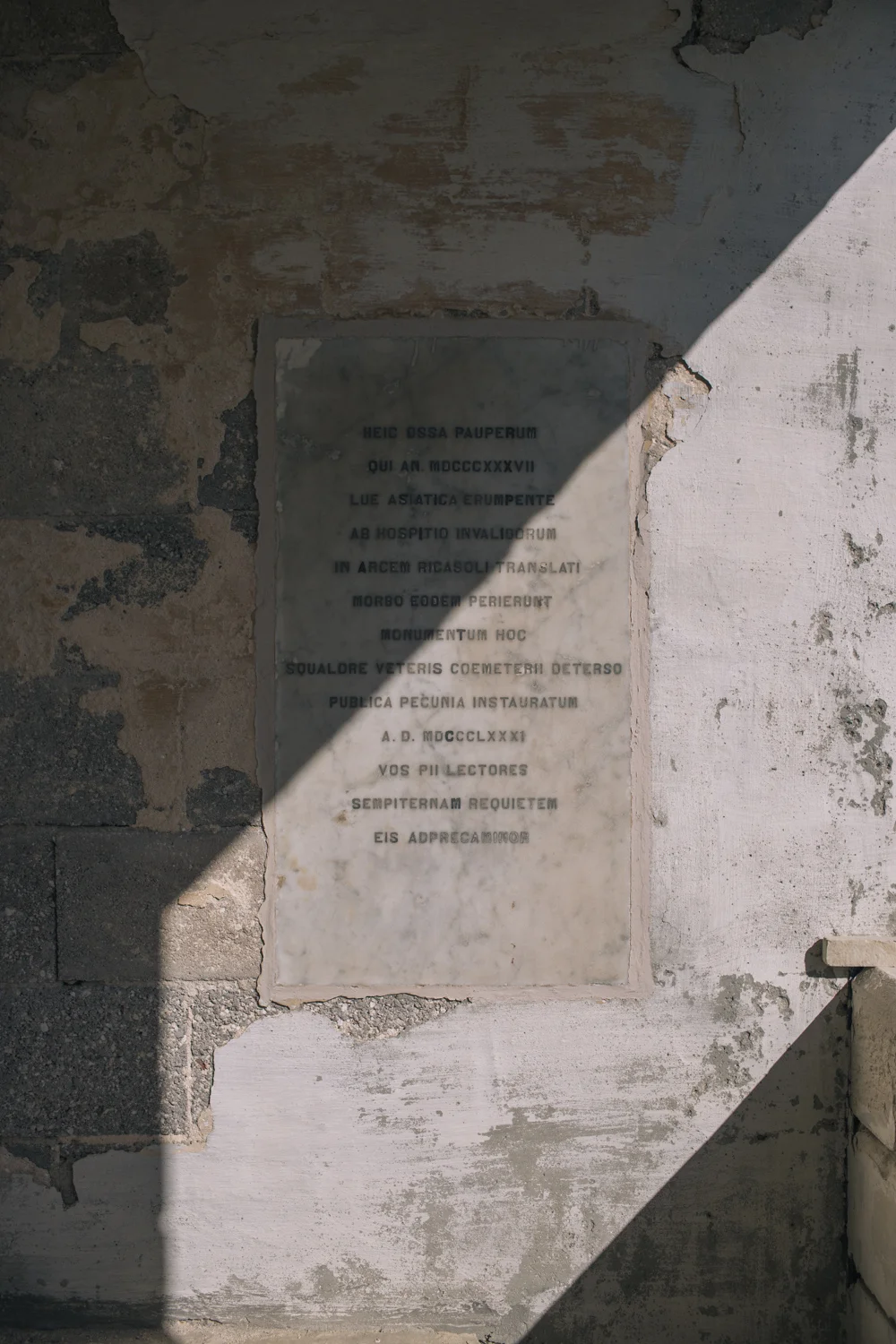
Located at the edge of Fort Ricasoli, the Plague Cemetery in Kalkara sits in relative isolation, removed from the rhythms of the surrounding landscape. Its presence is not immediately legible since it is set apart, enclosed, and rarely encountered.
Entry into the site produces a shift. The space is quiet, but not neutral. It carries an atmosphere that suggests reverence, despite the absence of clear activity or use. The gate remains open, yet the function of the site is uncertain. There are no visible signs of recent burial, no indication of regular visitation except for a few candles, flowers, matchsticks, yet no clarity as to whether the space remains active or has lapsed into disuse or about to.
This ambiguity structures the experience of the site. Elements such as benches, pathways, and the chapel suggest former patterns of gathering and ritual, yet their current status is unresolved. The cemetery operates between states, neither fully maintained nor entirely abandoned.
This work engages with that condition. The images hold a space where temporal layers overlap, and where the expectations of use, memory, and reverence persist without confirmation. The site remains active not necessarily through function, but through the behaviour it continues to impose.
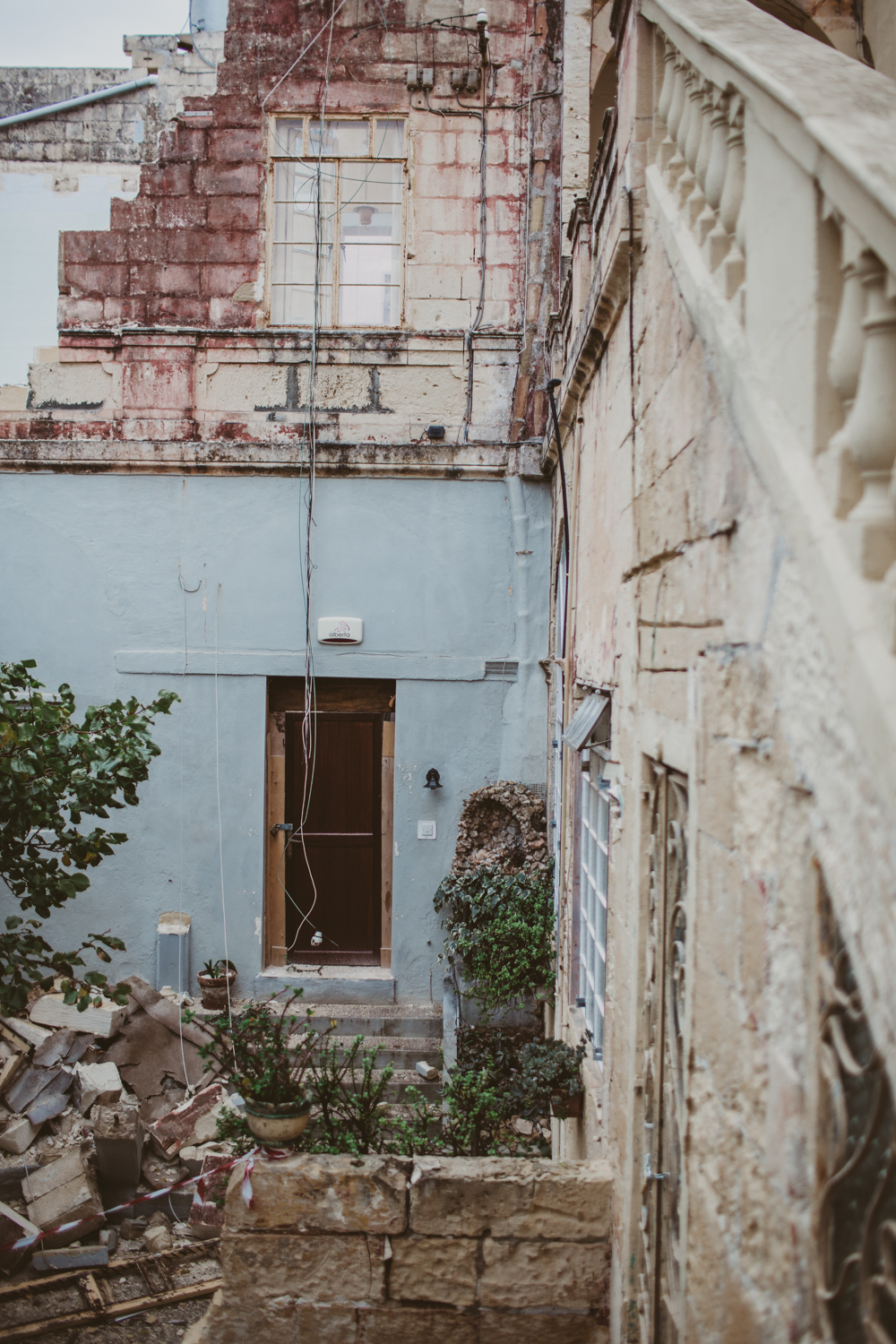
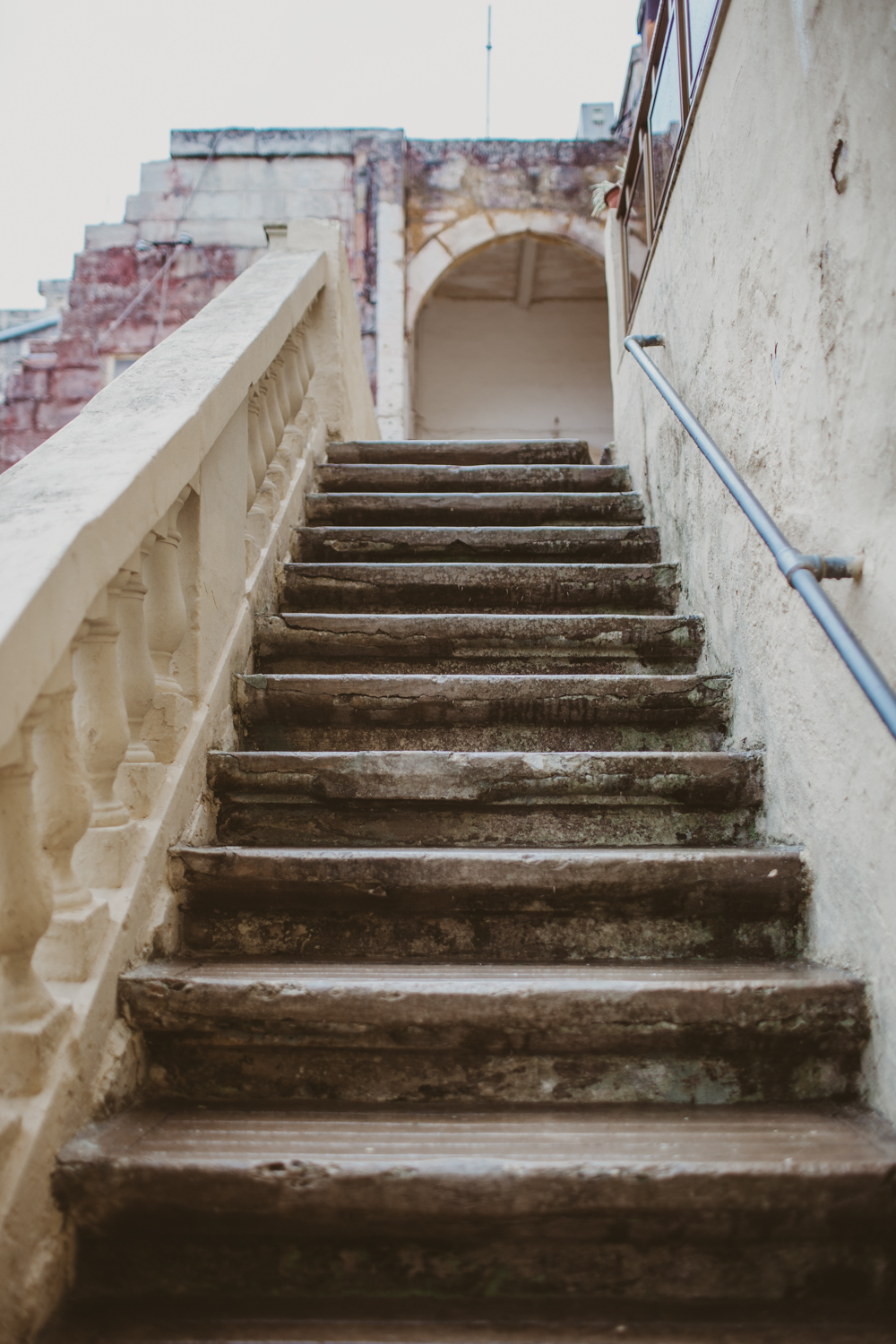
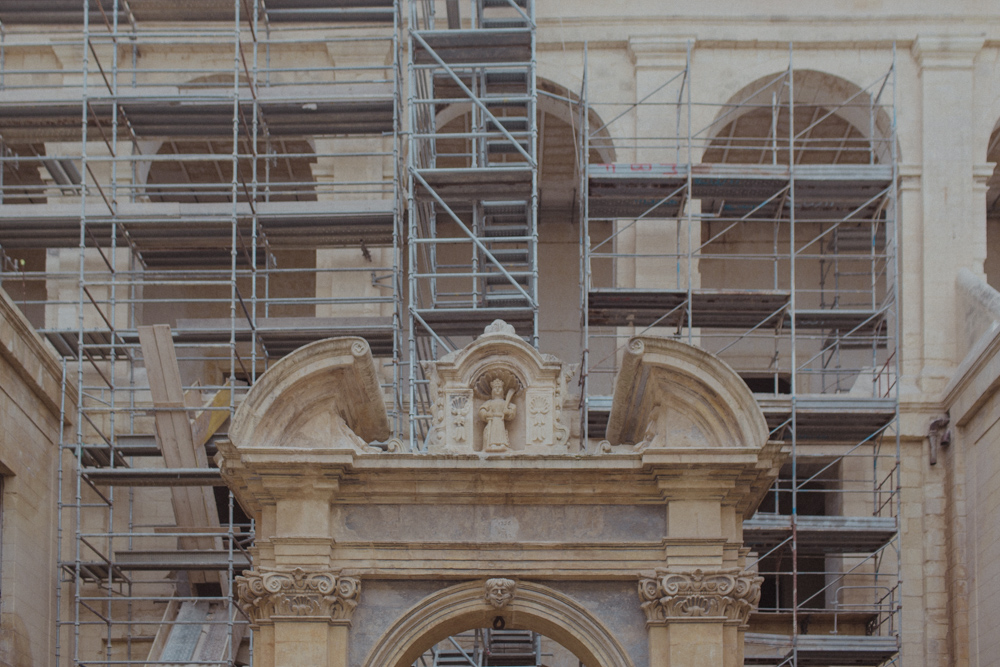
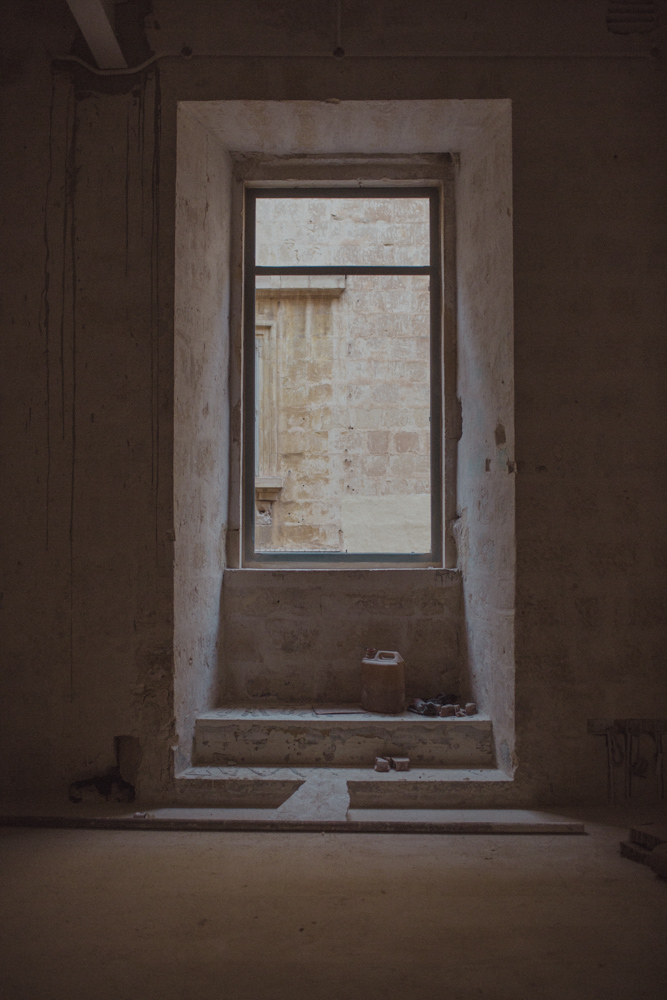
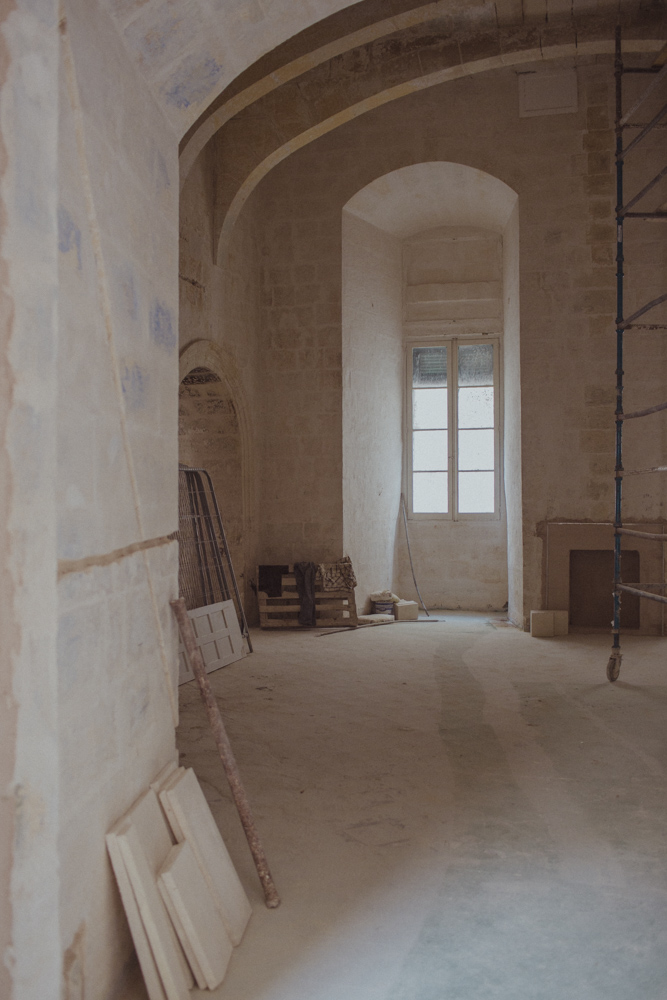
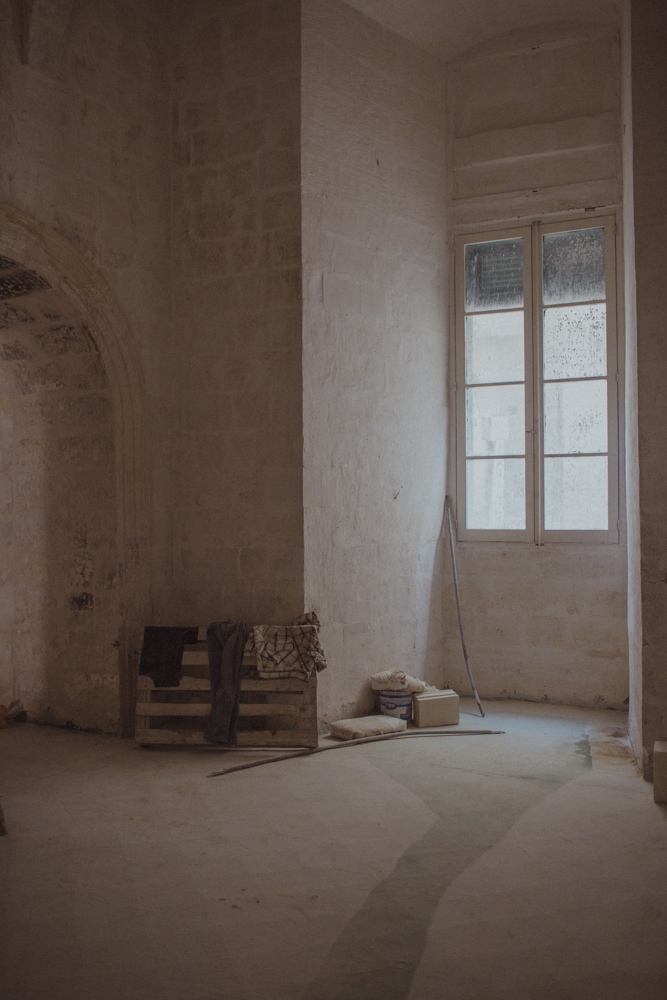
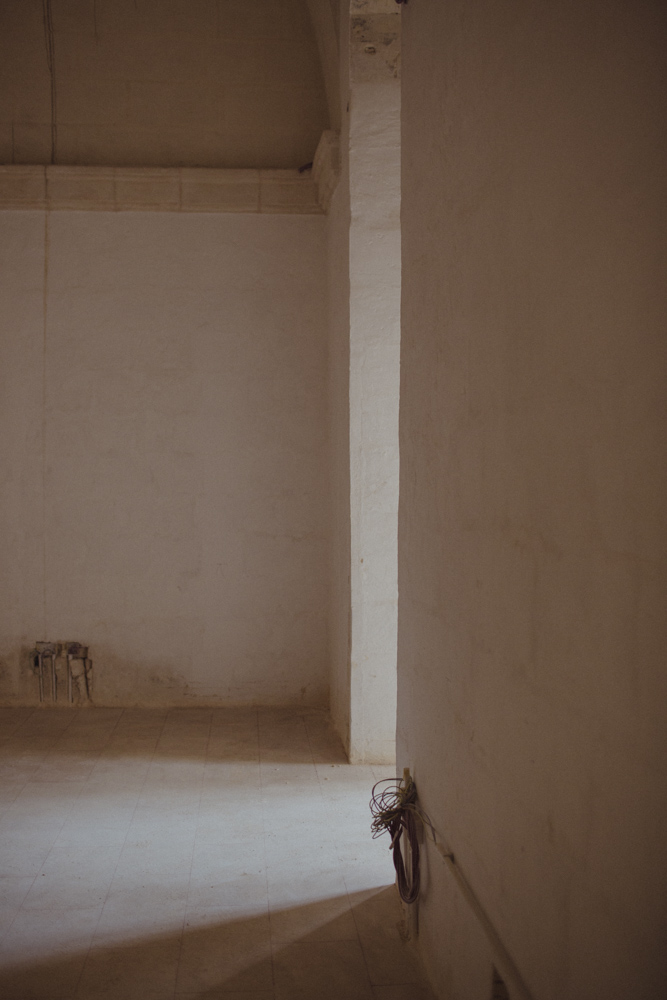
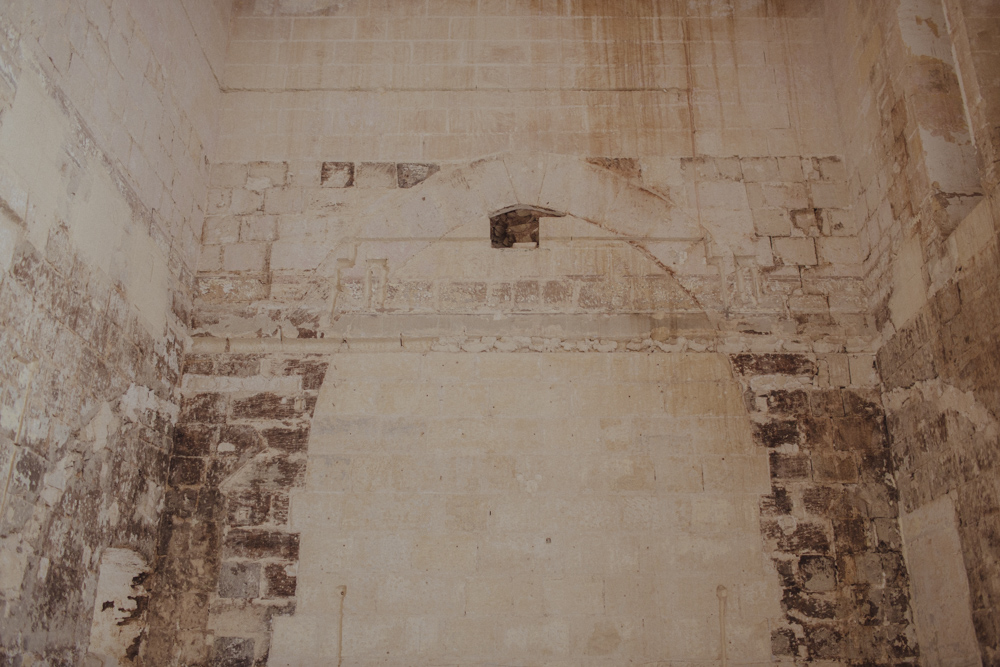
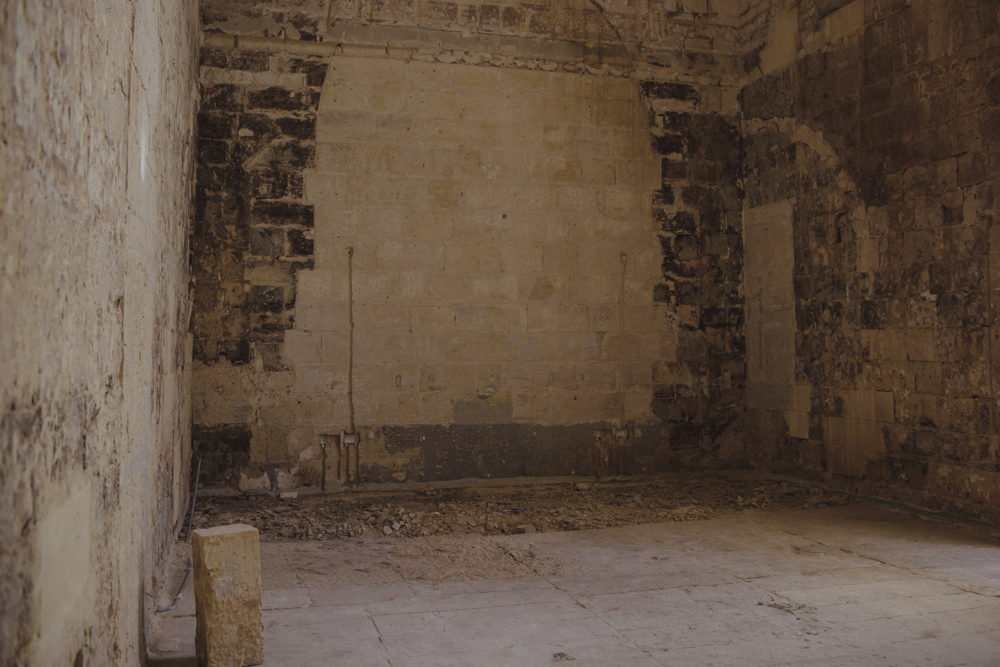
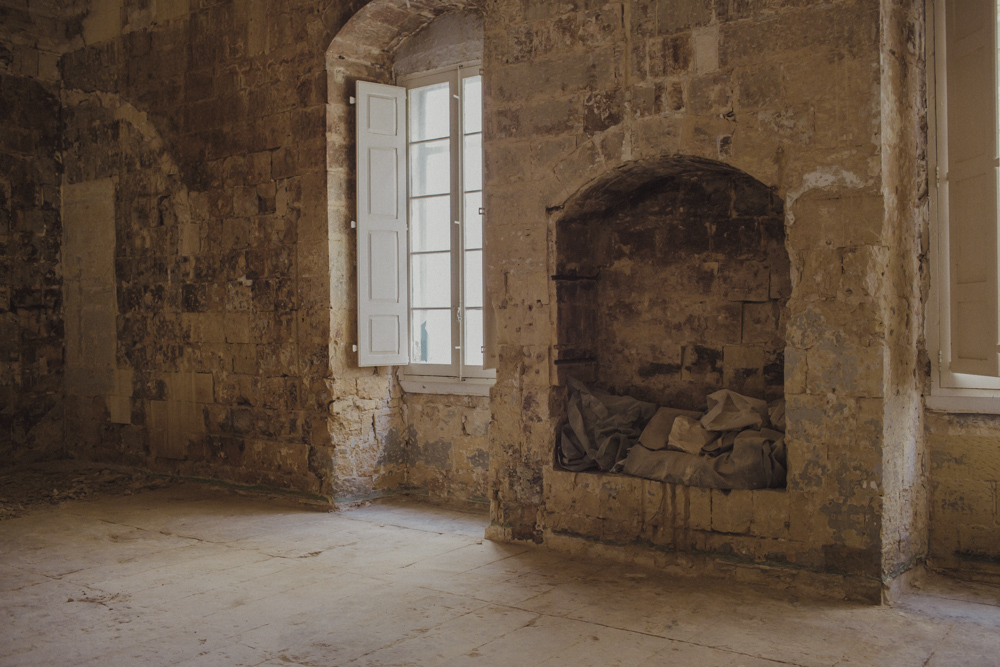
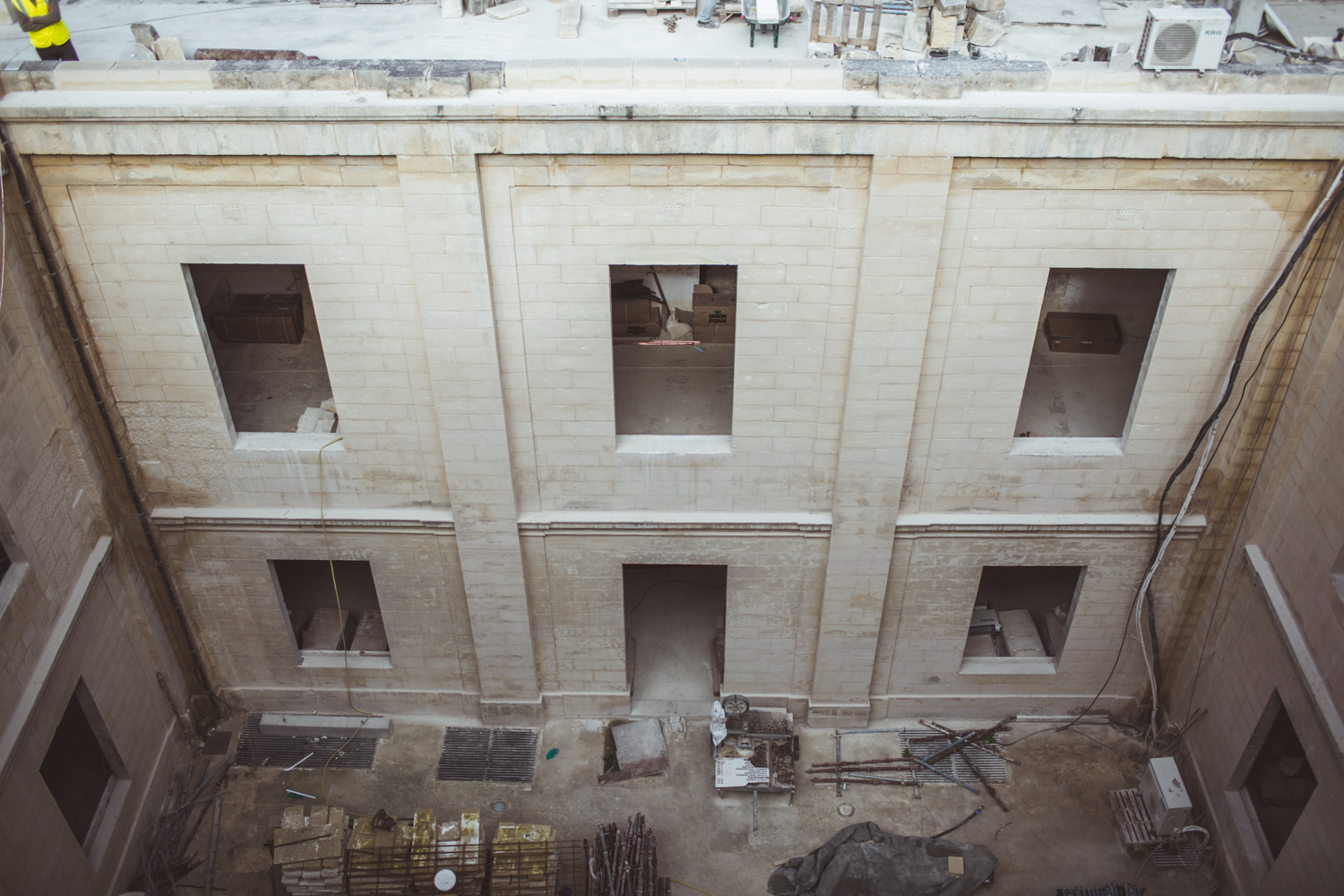
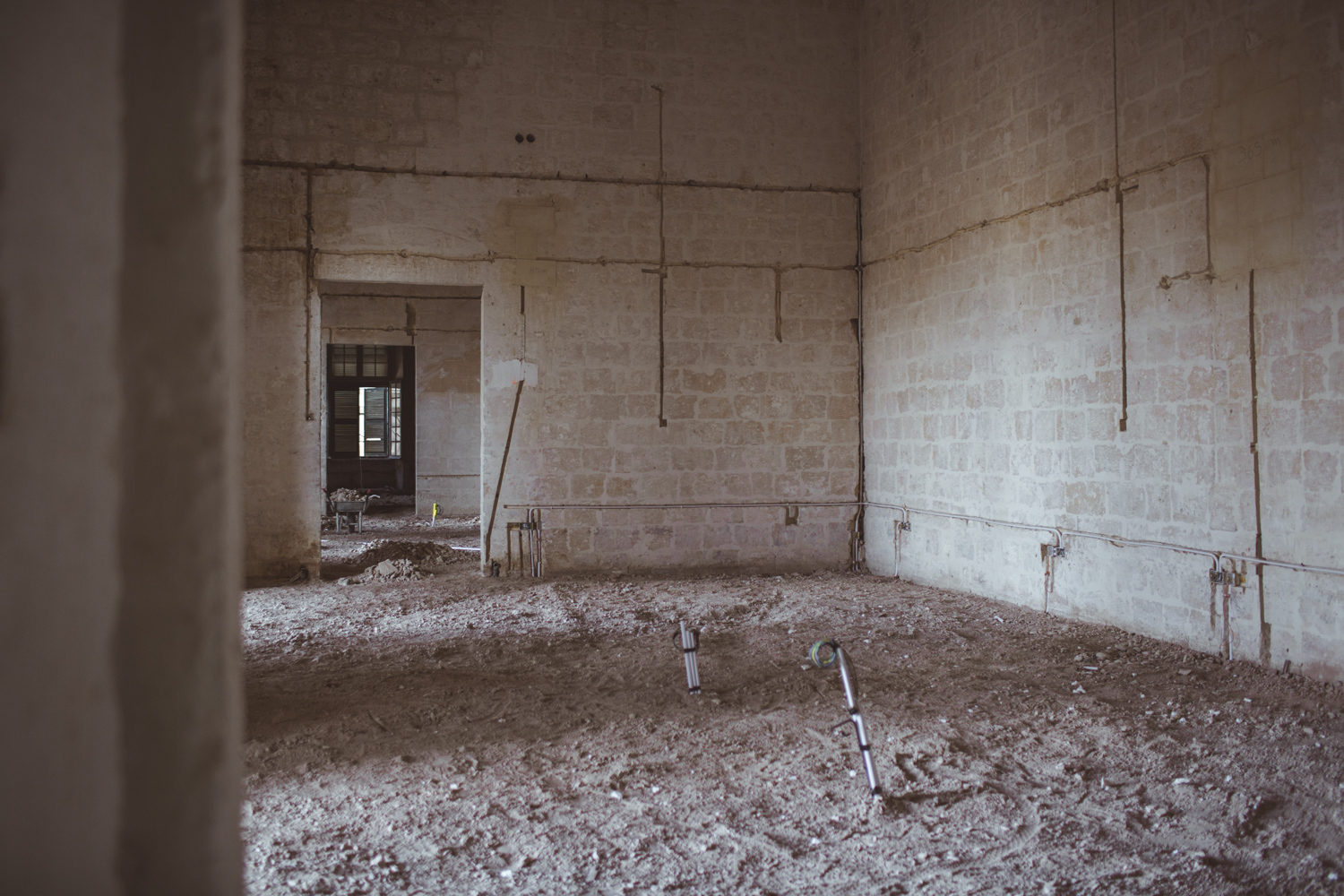
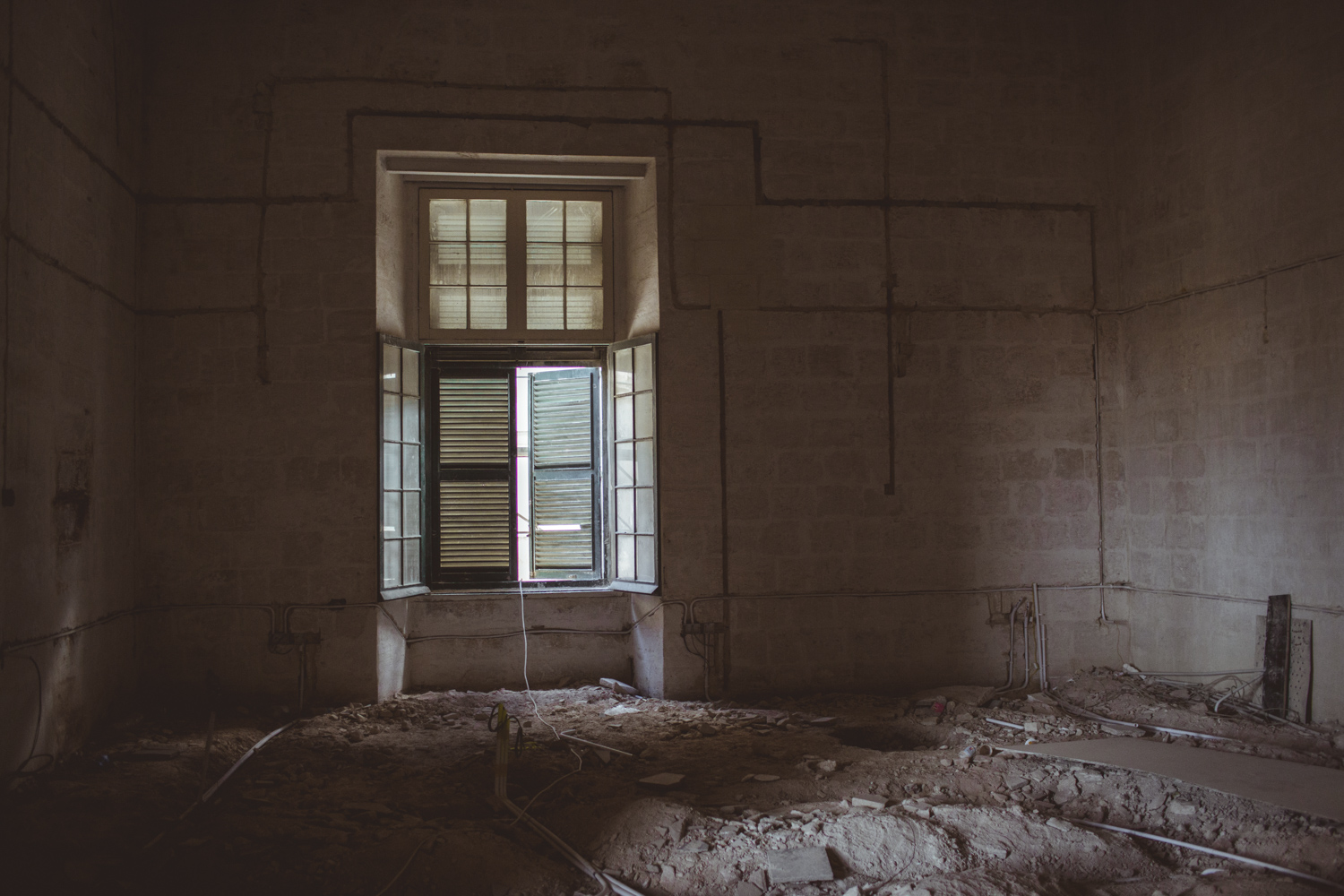
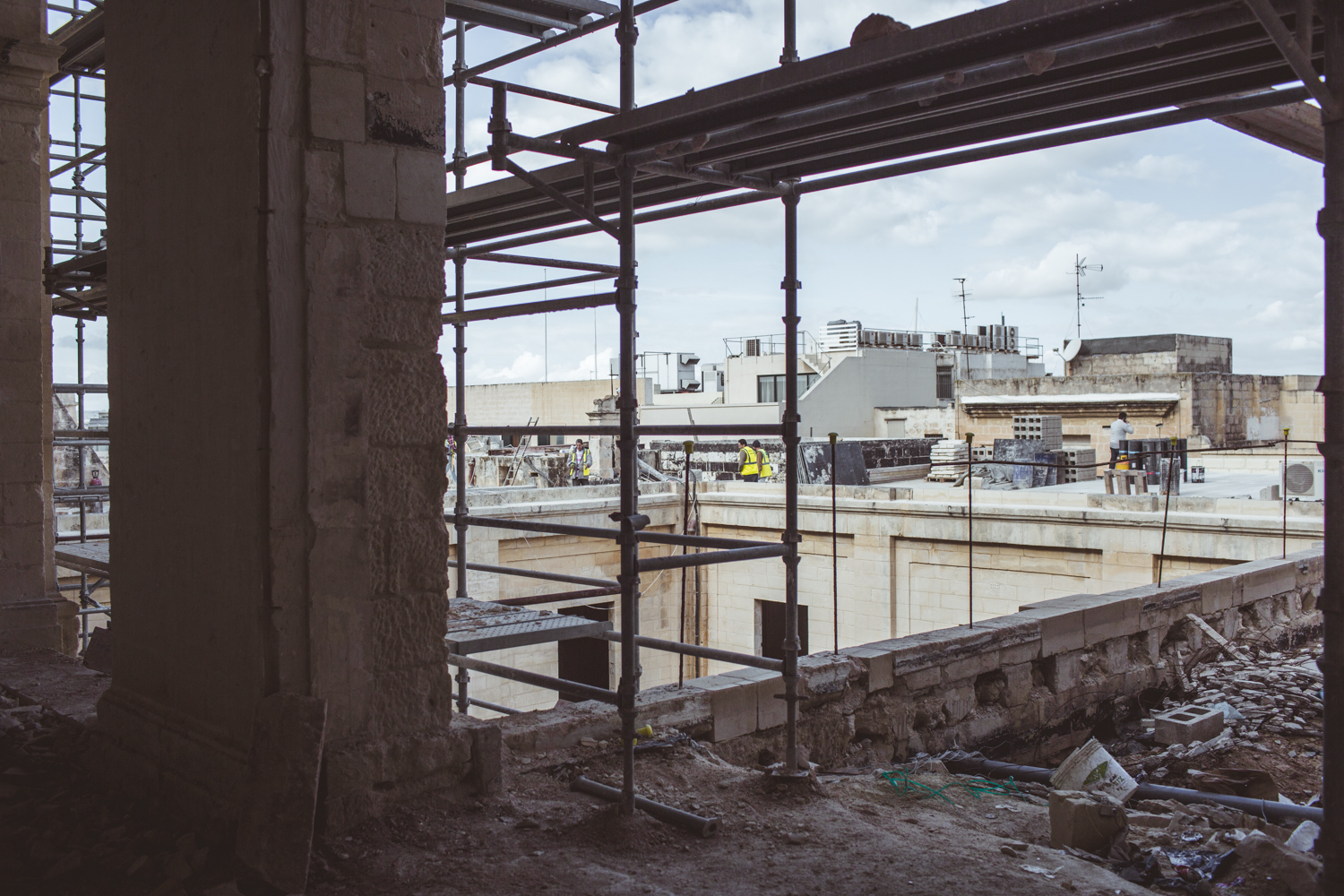
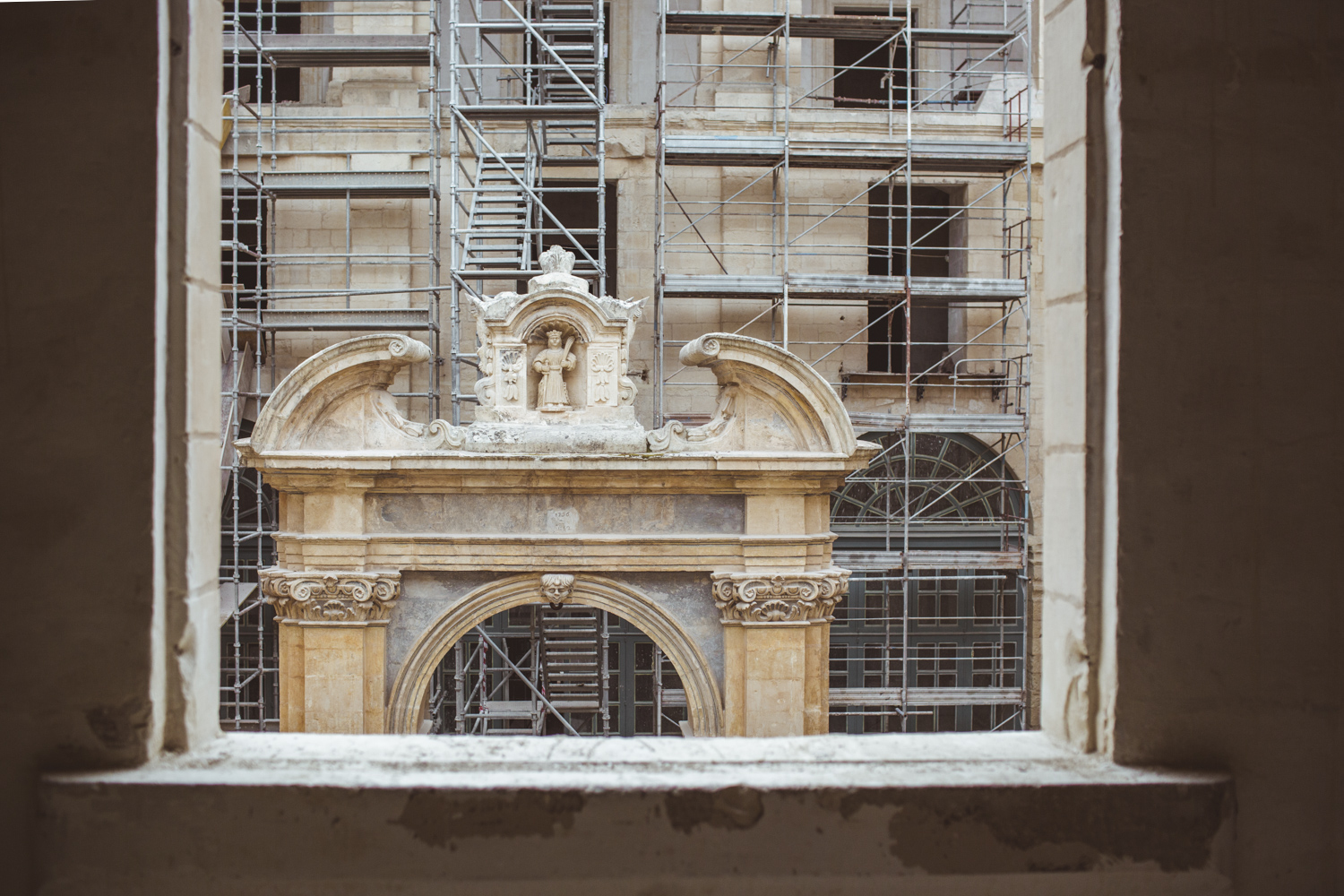
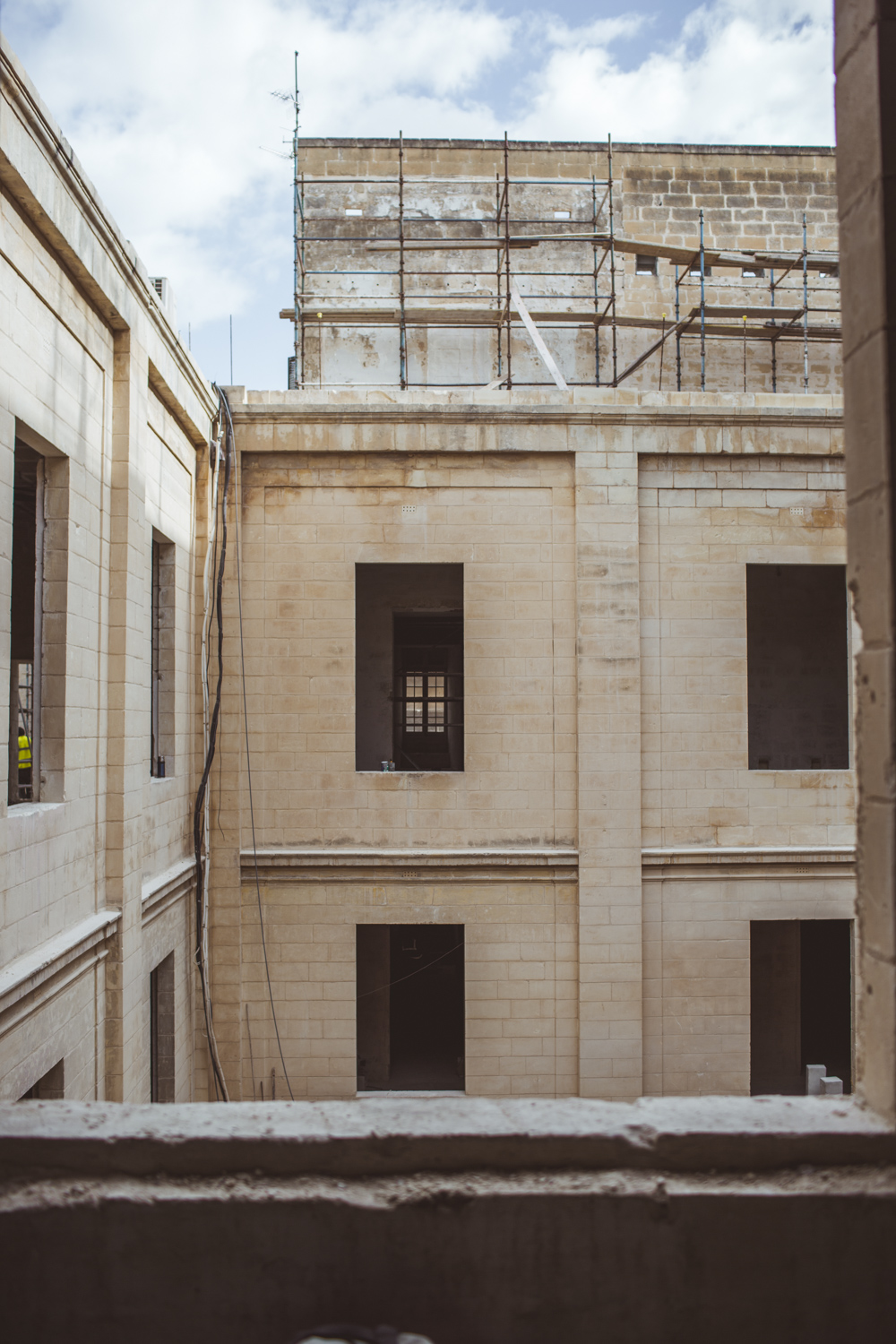
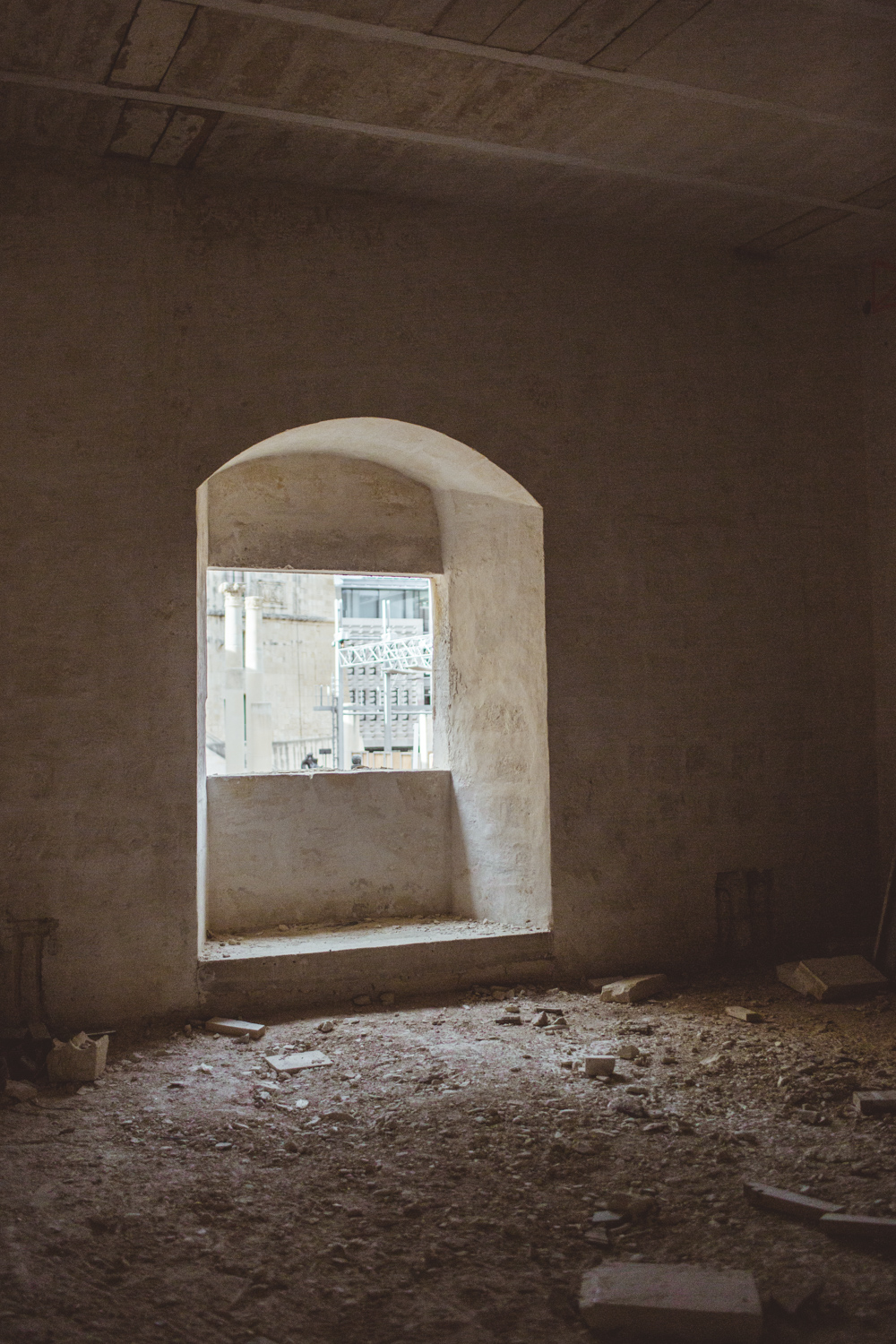
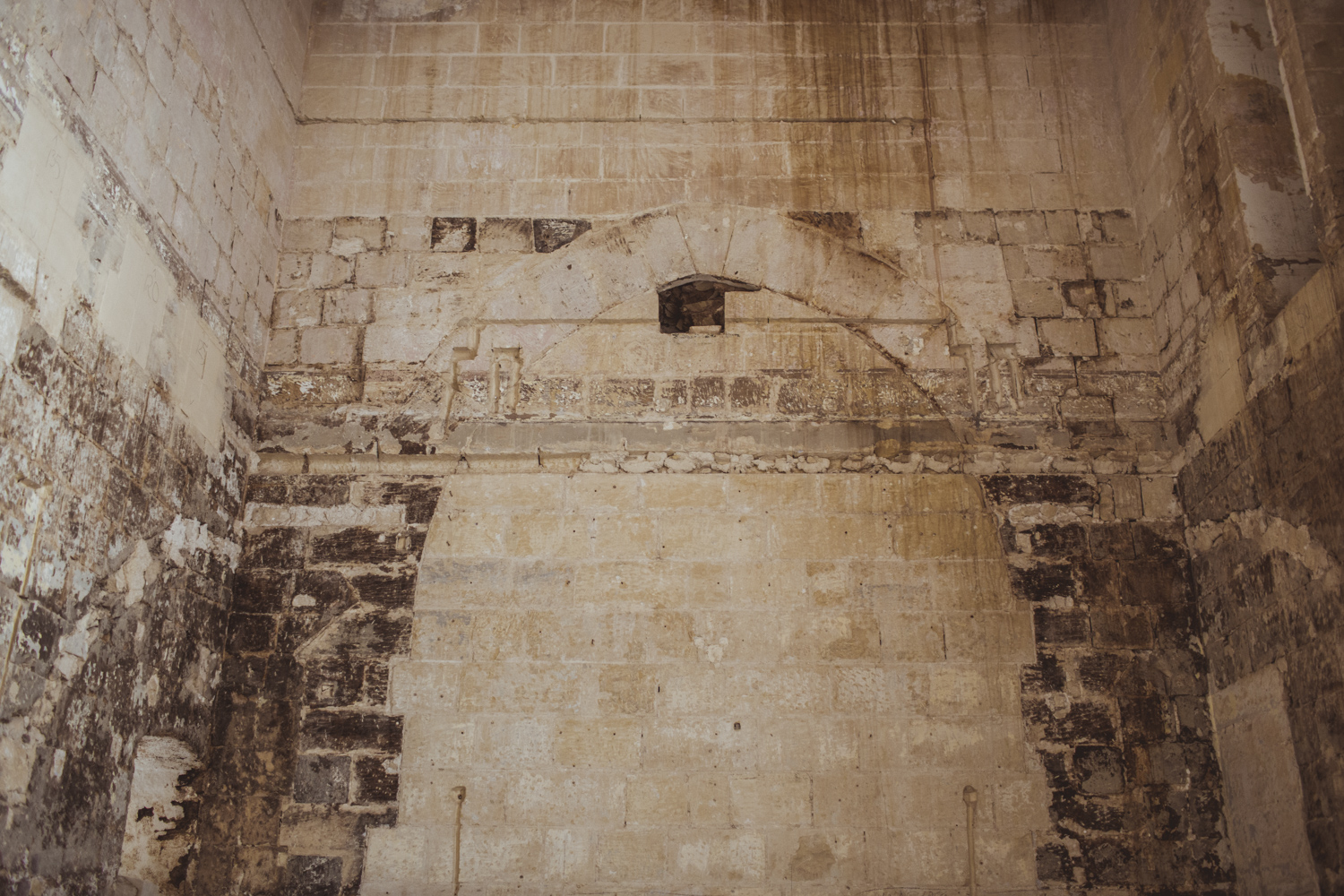
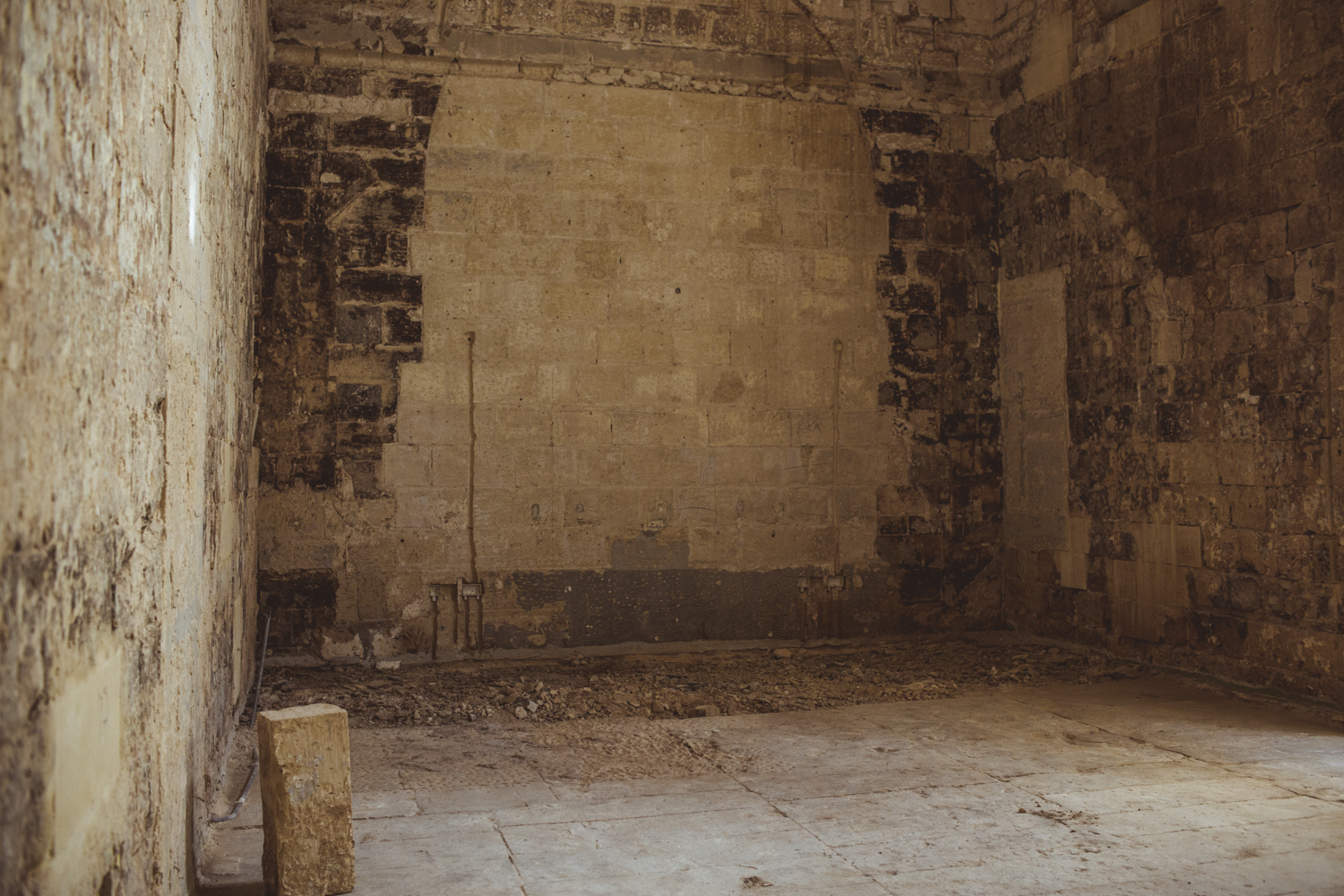
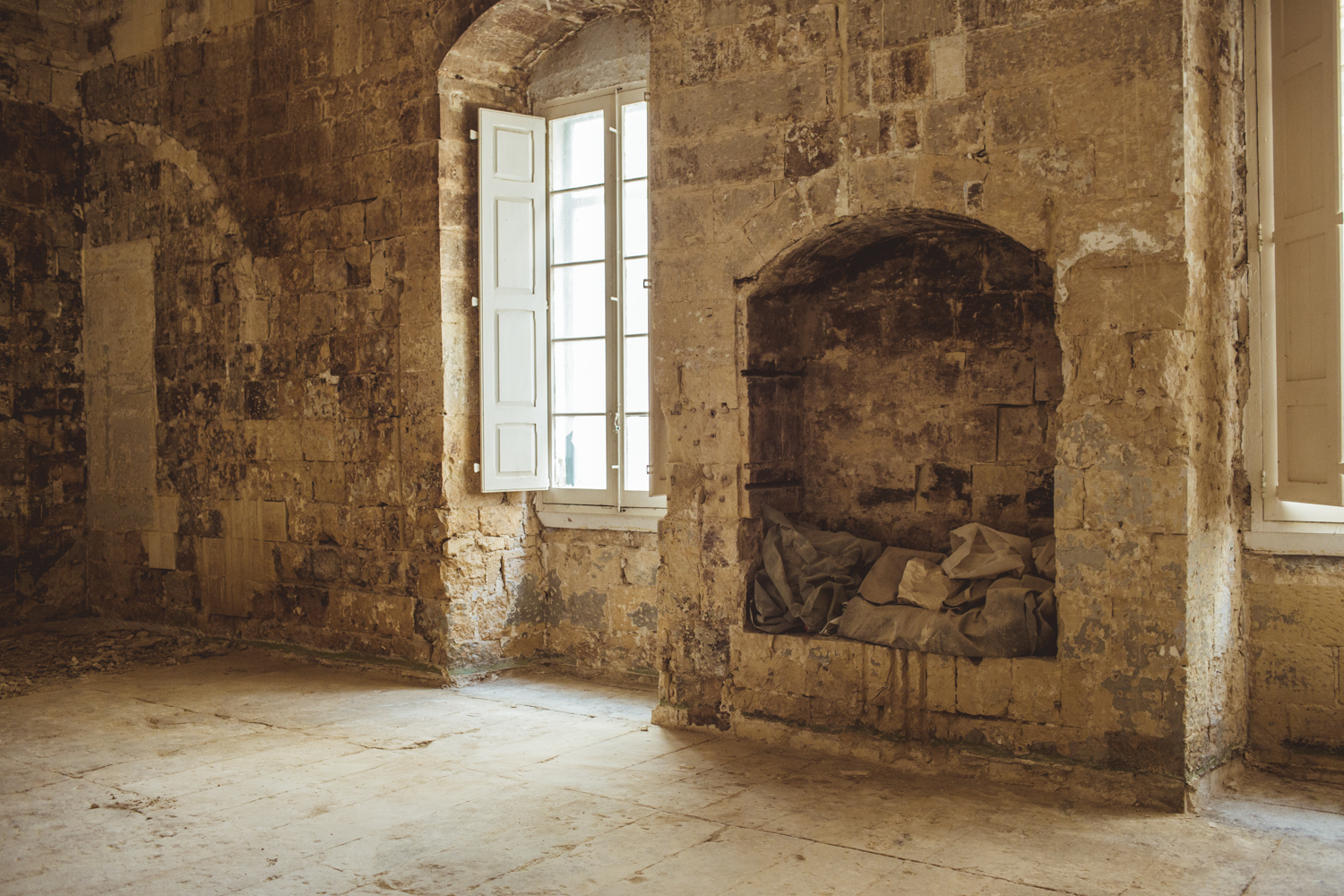
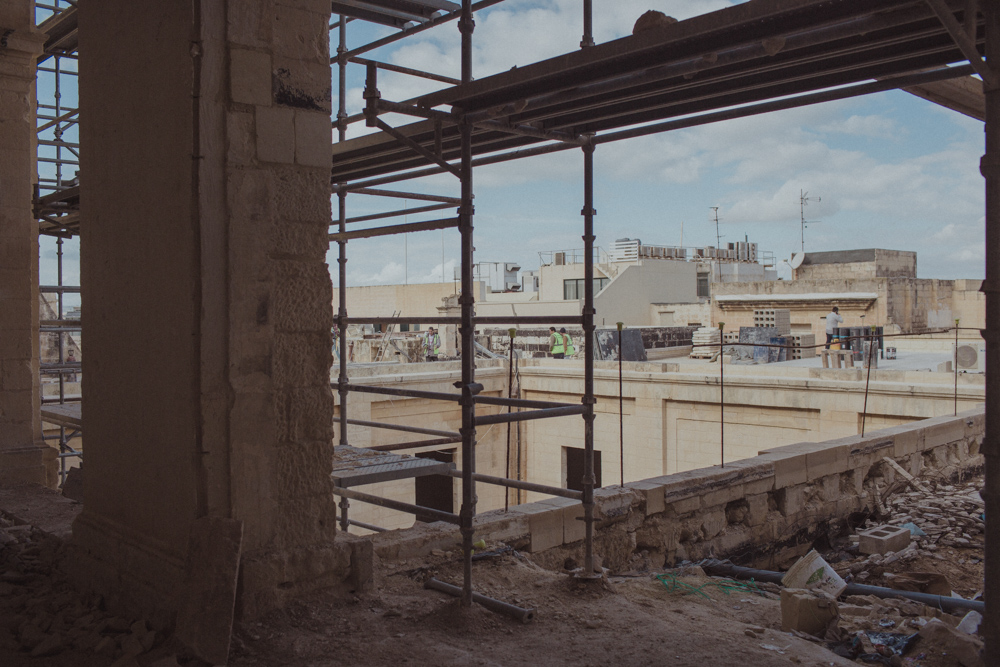
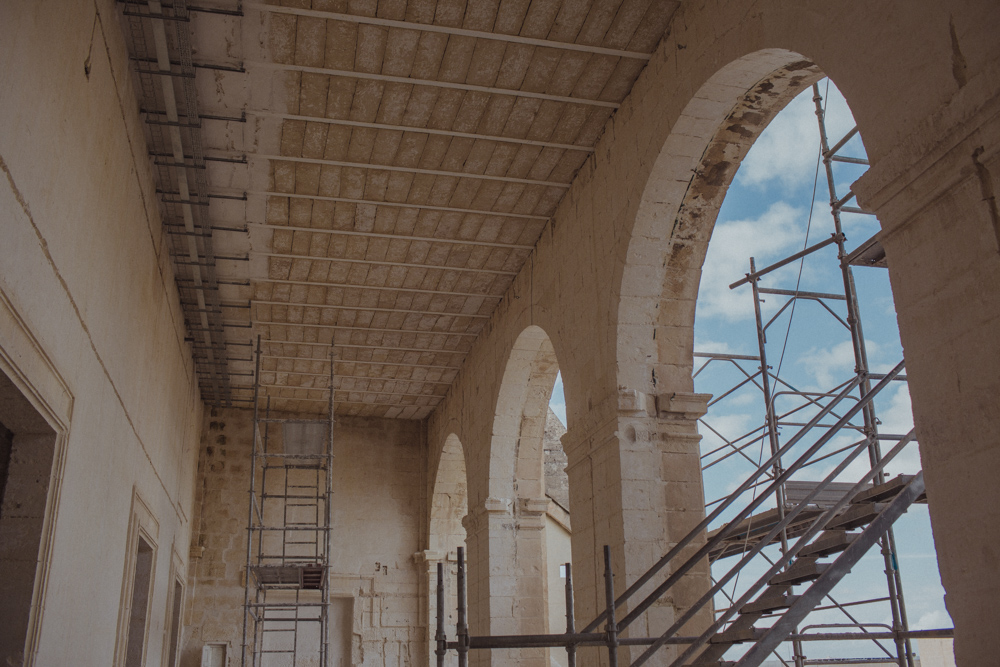
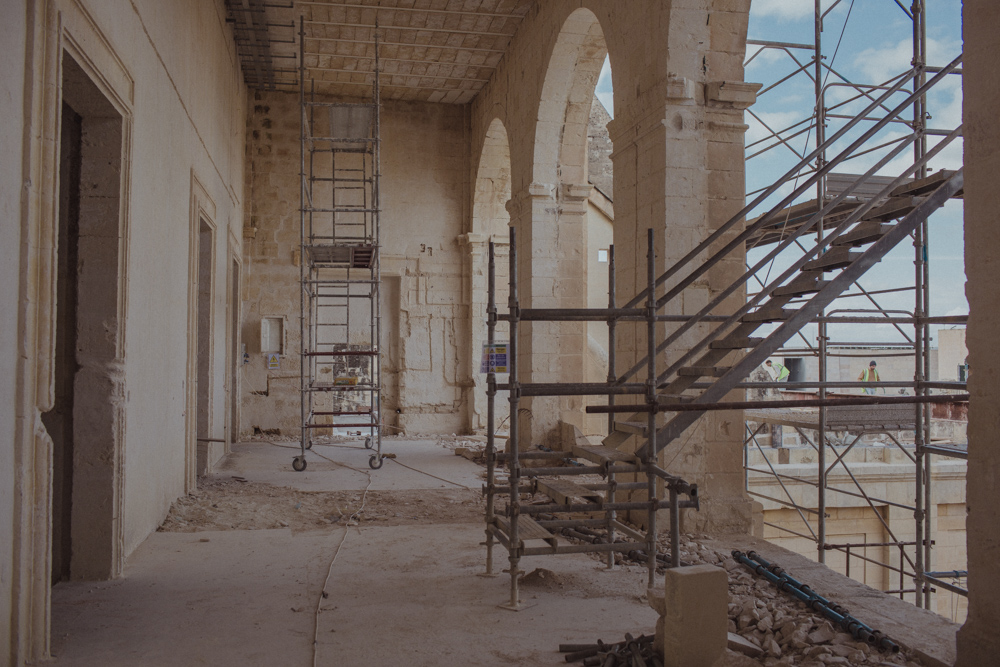
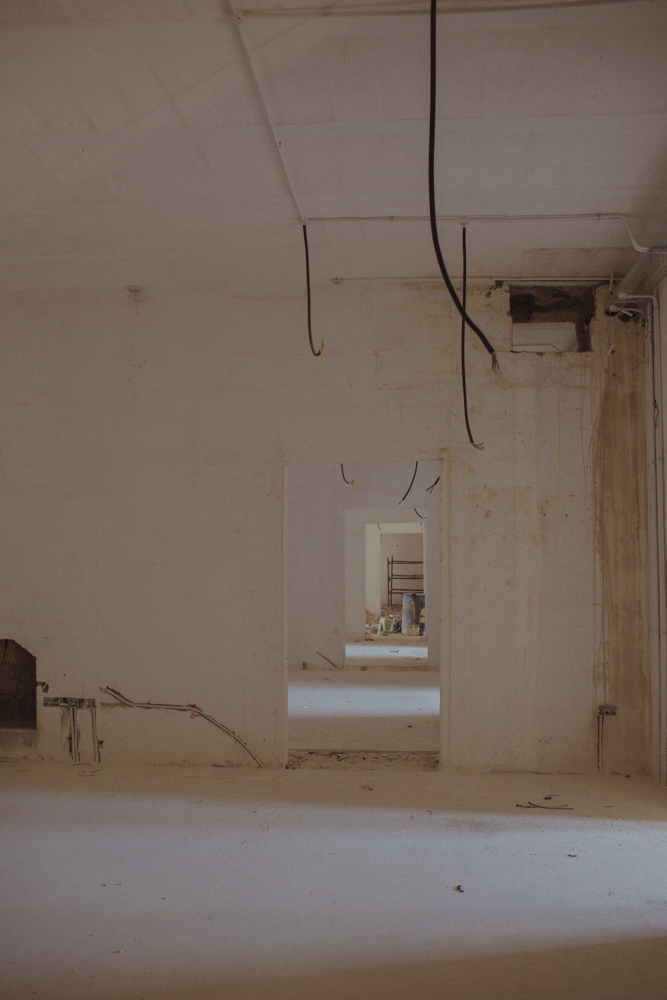
This work documents the partial demolition of St Ignatius Villa, once situated within a broader landscape that has since been extensively transformed. What remains is not a complete structure, but a fragment, an interrupted space where elements of domestic life persist alongside active removal.
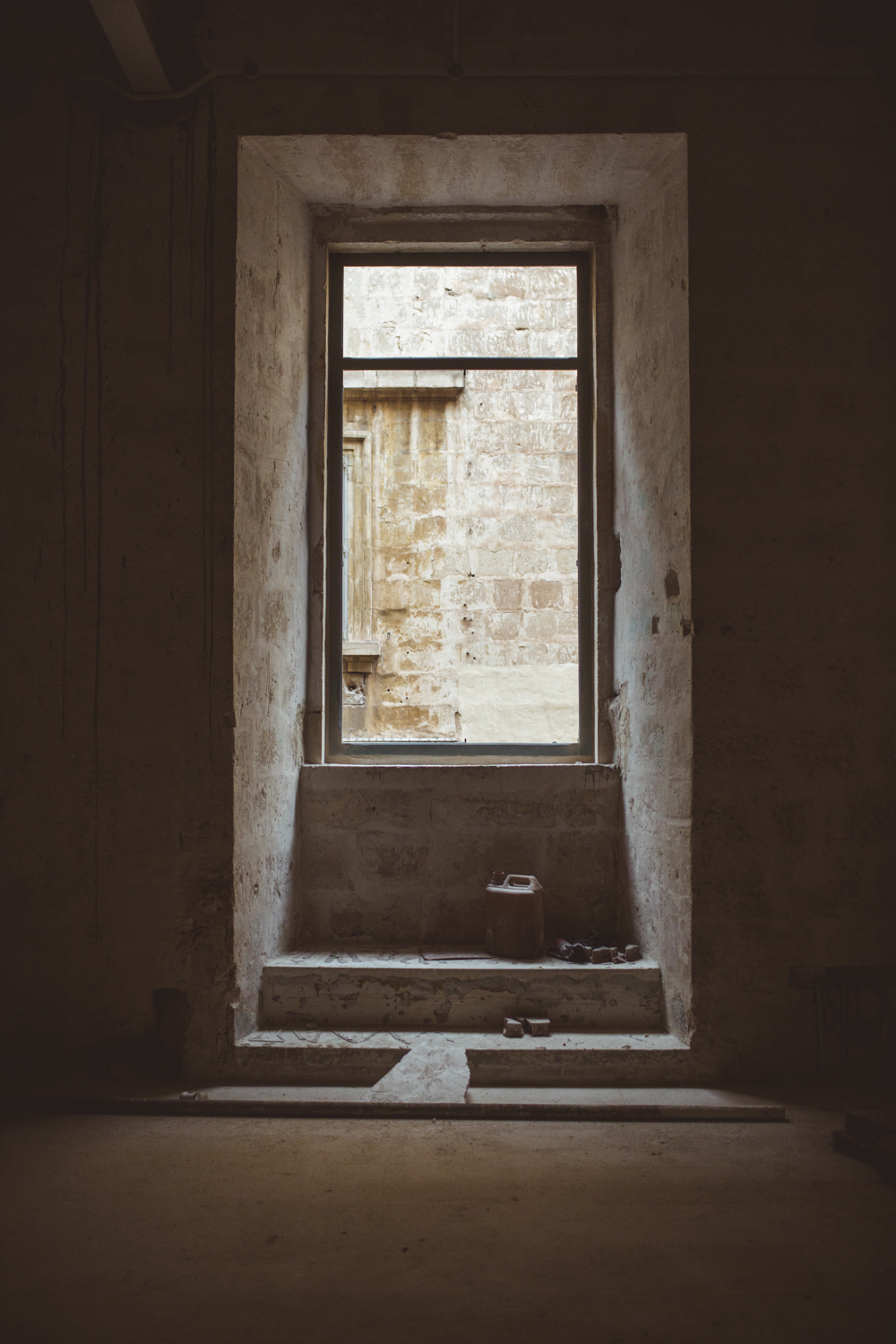
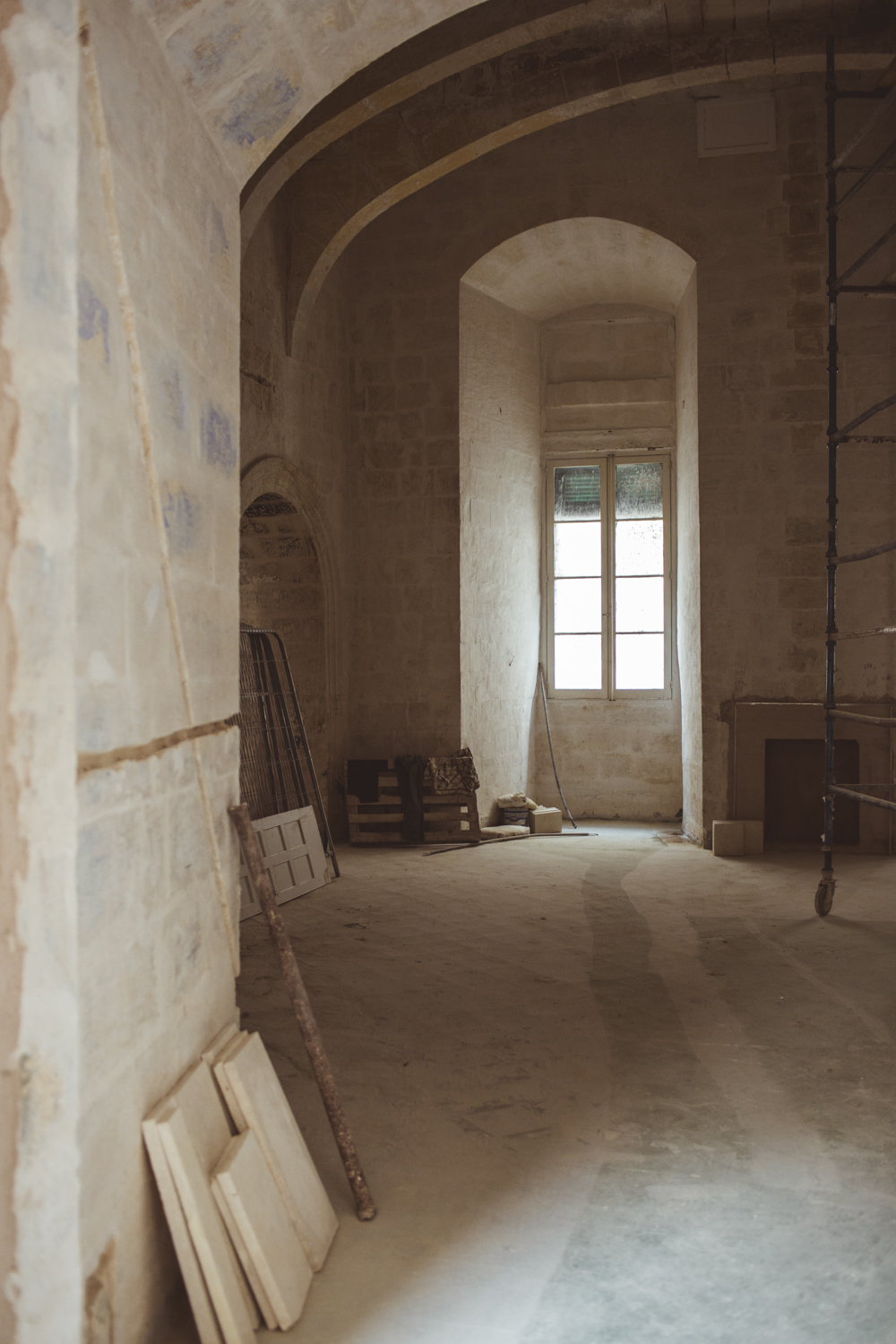
The site presents a condition of disjunction. Walls are broken, materials displaced, and architectural continuity disrupted, yet traces of habitation remain visible: thresholds, surfaces, and fragments that still suggest use. The space no longer functions as a coherent whole, but has not yet fully transitioned into absence.
Rather than framing the site through loss or preservation, this work engages with the moment of rupture itself. The images hold a state in which construction and erasure overlap, producing a space that is neither intact nor entirely gone.
This condition resists resolution. The villa exists here as a fragment in transition, caught between presence and disappearance, where the process of removal becomes more visible than what once stood.
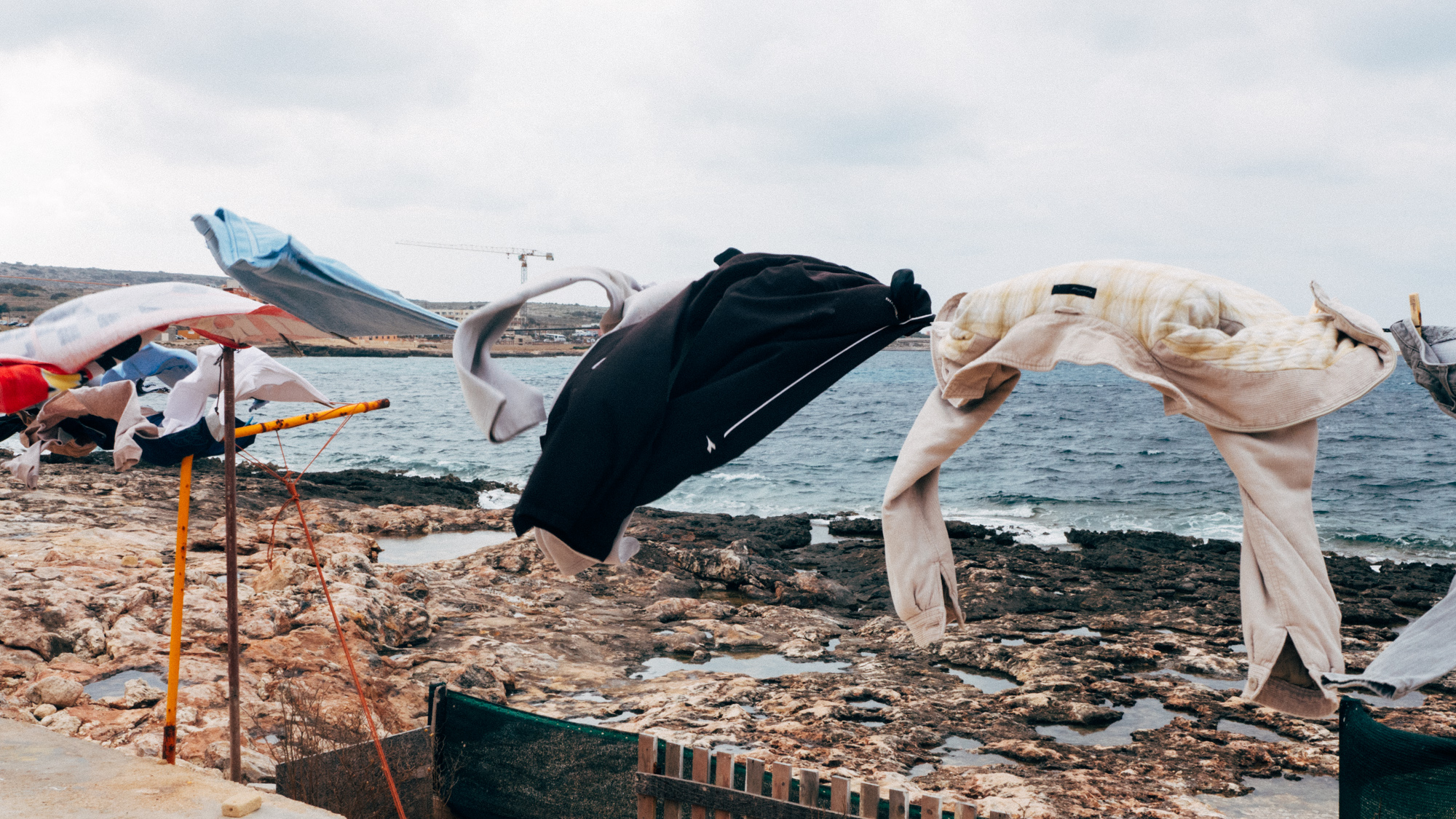
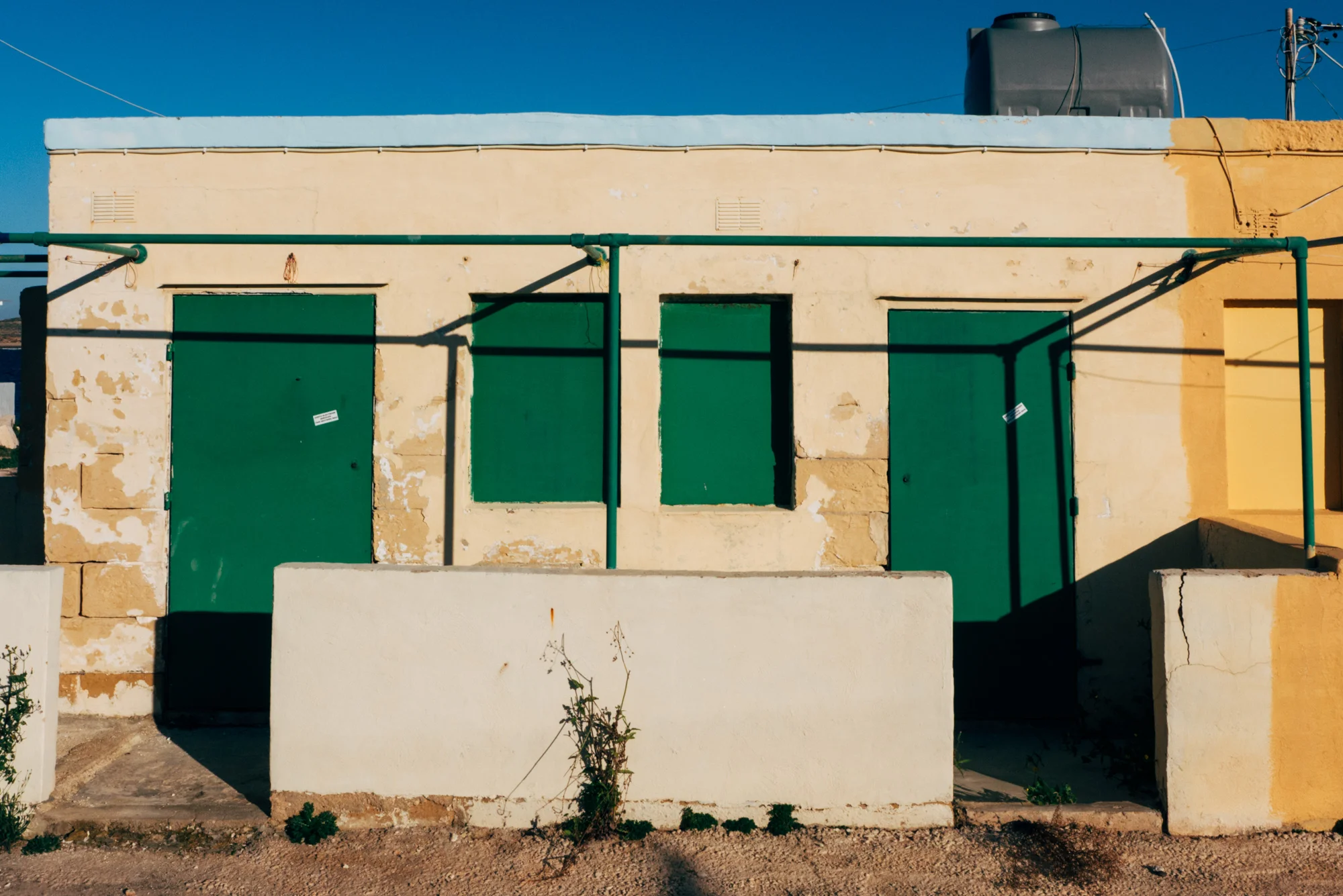
Located along the northern coast of Malta, Armier exists as a seasonal settlement shaped through informal occupation and gradual accumulation. While commonly understood as a summer retreat, the site operates as a distinct spatial condition; one that sits outside conventional frameworks of planning, permanence, and architectural order.
The dwellings, composed of caravans, adapted structures, and incrementally built enclosures, form a landscape defined by improvisation rather than design. Materials are assembled, extended, and modified over time, producing a fragmented environment where boundaries between temporary and permanent begin to blur.
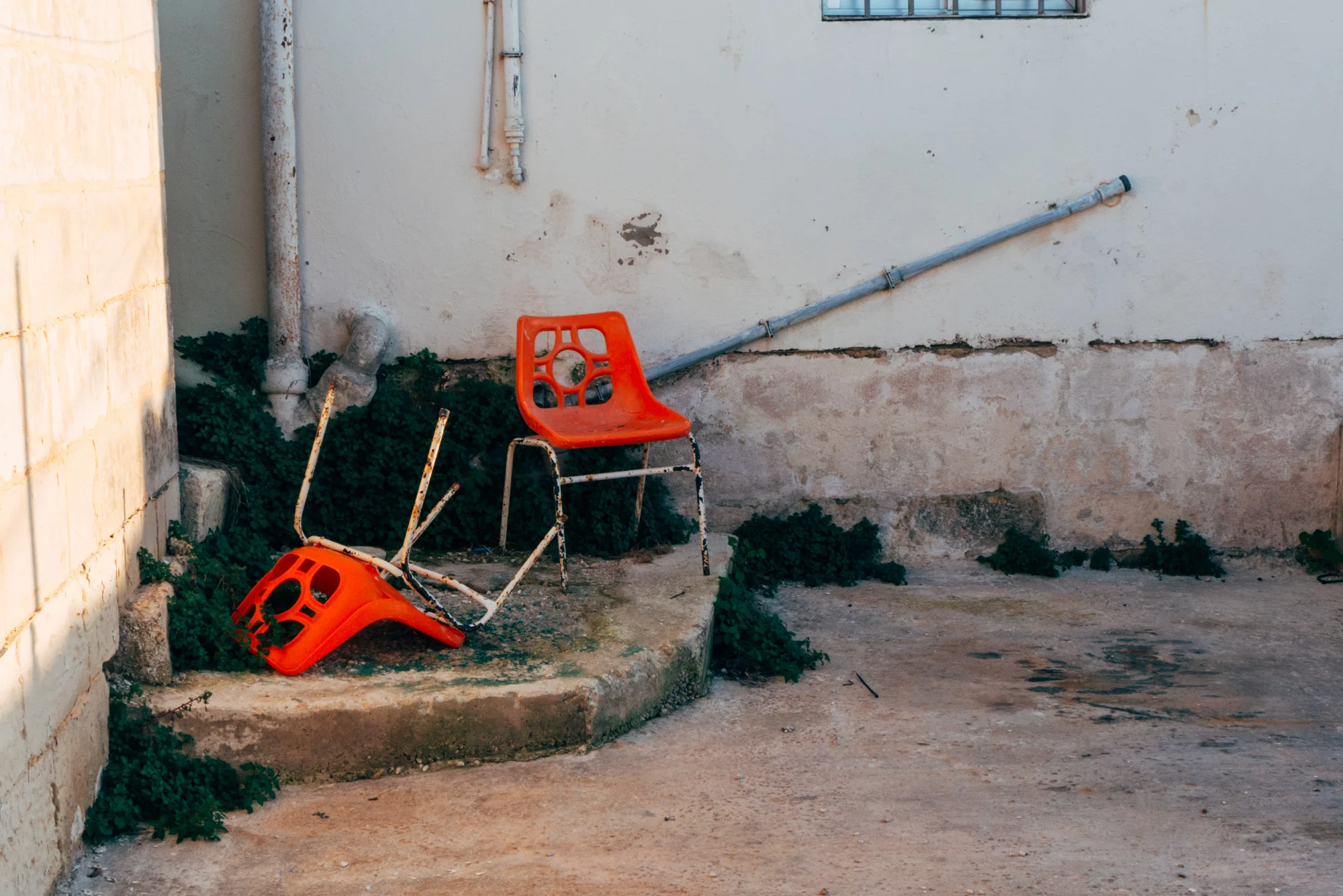
Despite its provisional nature, the site sustains a strong sense of community. Domestic rituals persist: gathering, inhabiting, decorating, and marking space. Objects, surfaces, and symbols accumulate, embedding traces of use and familiarity within an otherwise unstable setting.
Religious imagery appears within this context, not as formal insertion but as an extension of lived practice. These elements do not stabilise the space, but coexist within its informality, reinforcing a condition where structure, belief, and occupation remain loosely held.
This work engages with Armier as a site of negotiated presence, where architecture is neither fully authorised nor entirely temporary, and where space is continuously shaped through use rather than fixed intention.
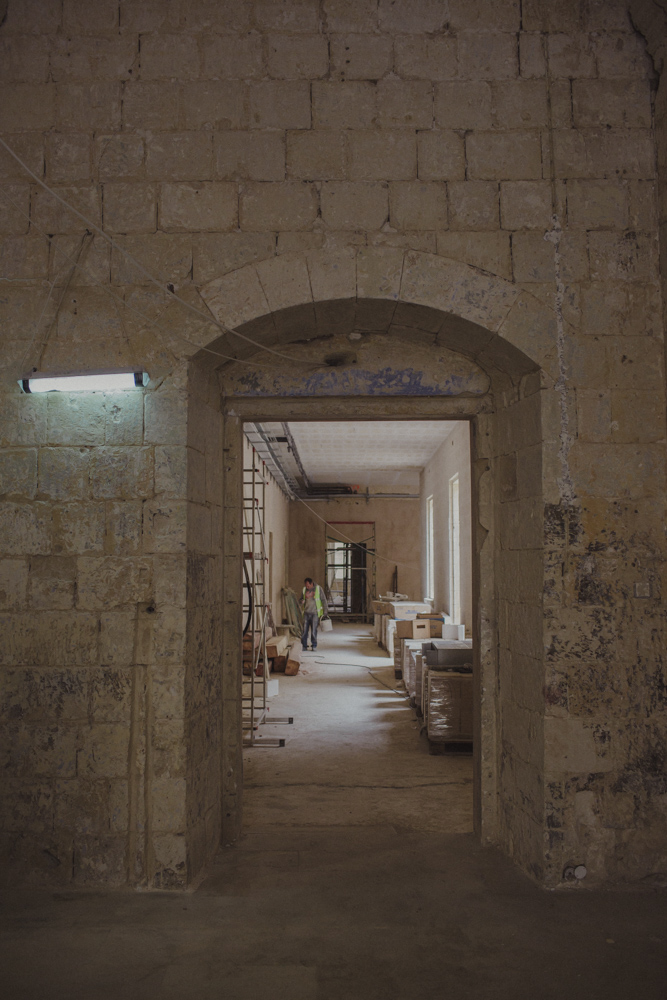
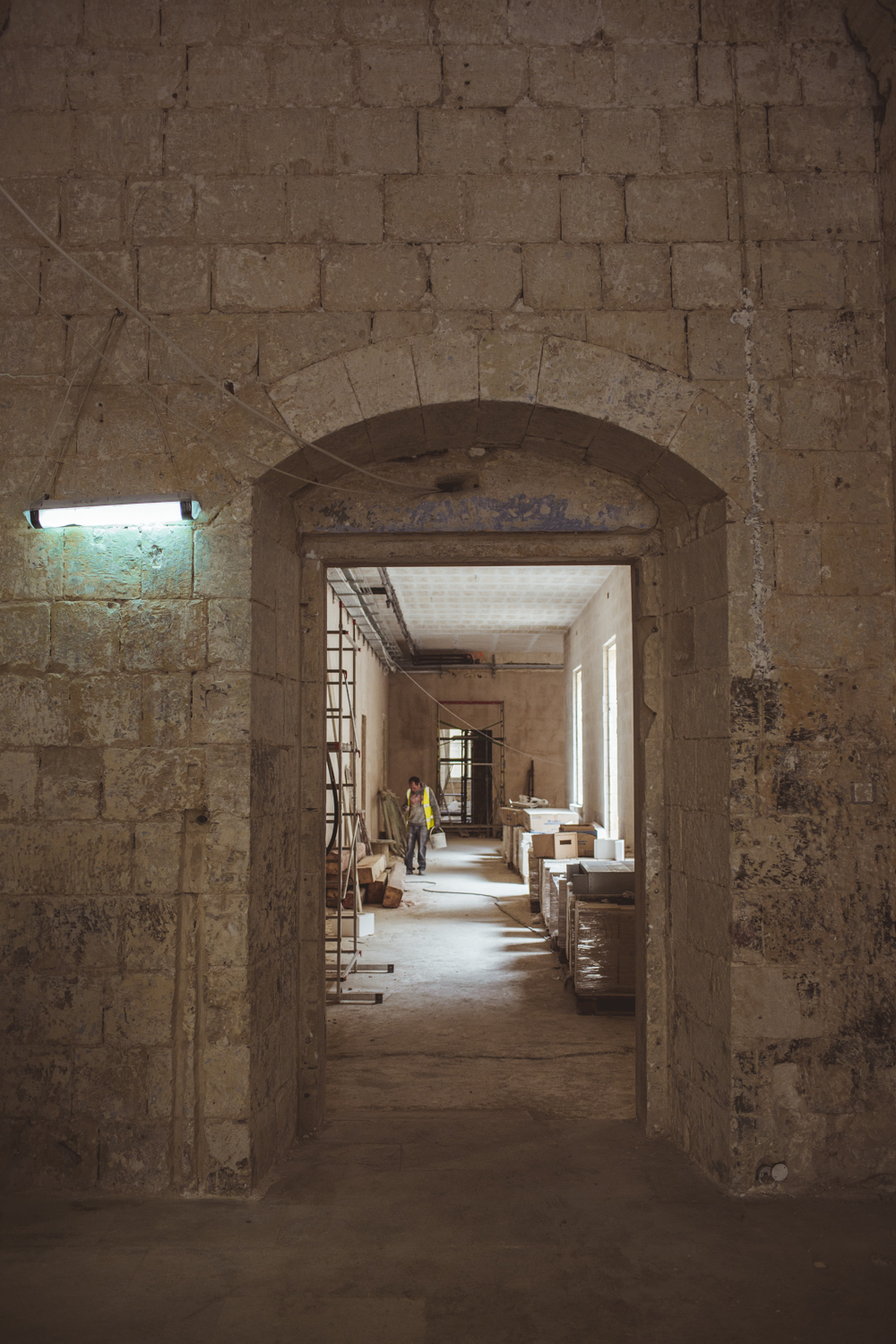
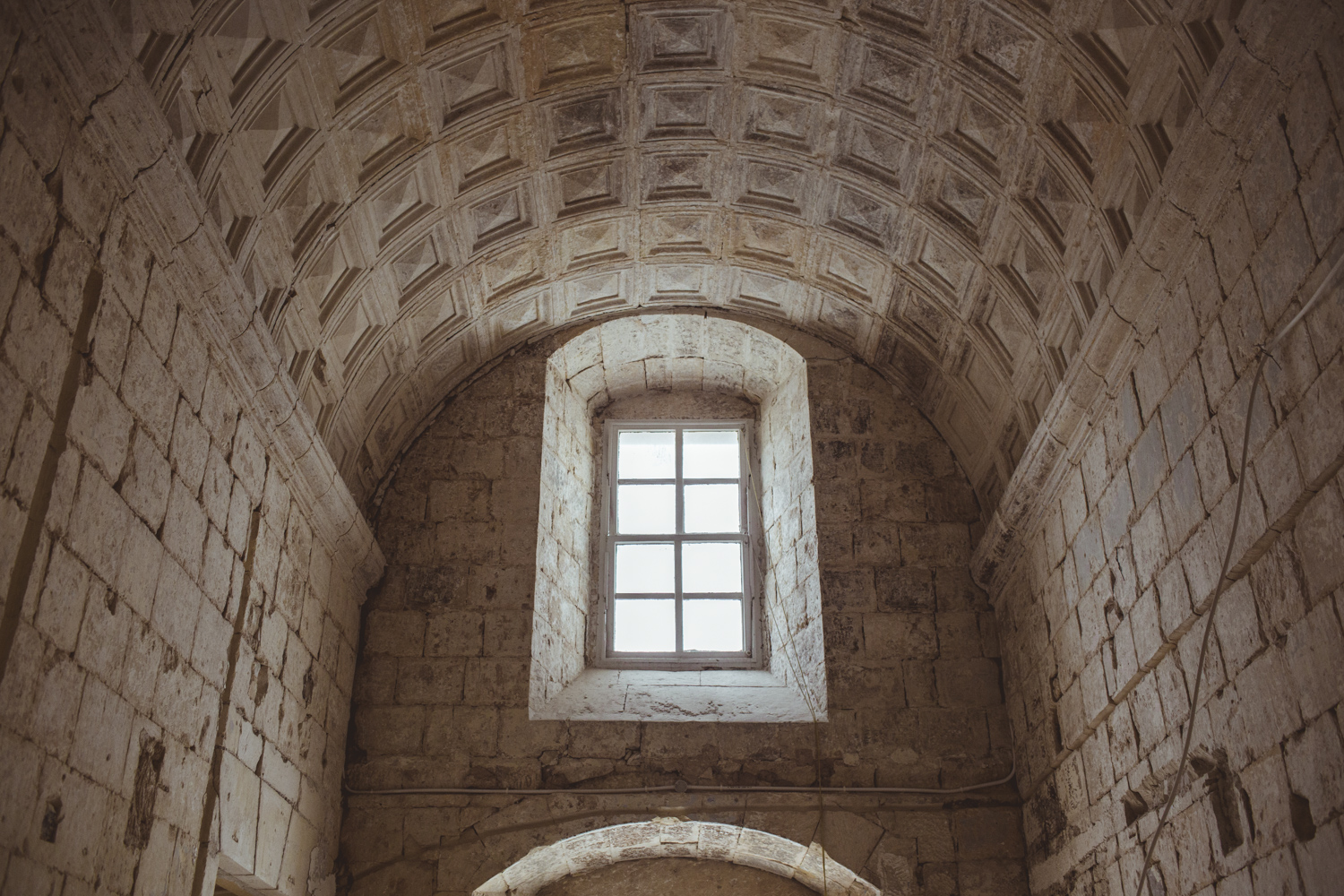
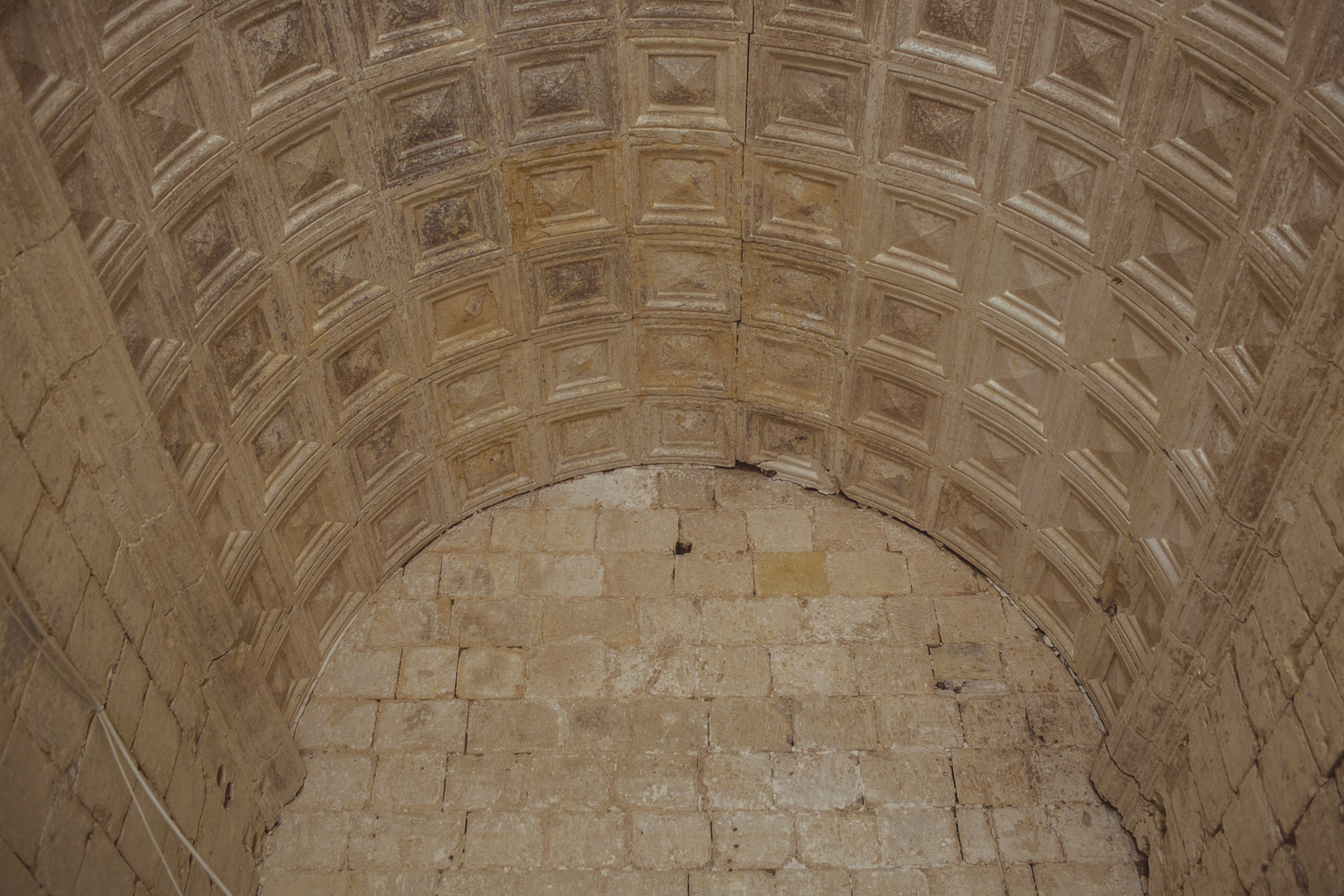
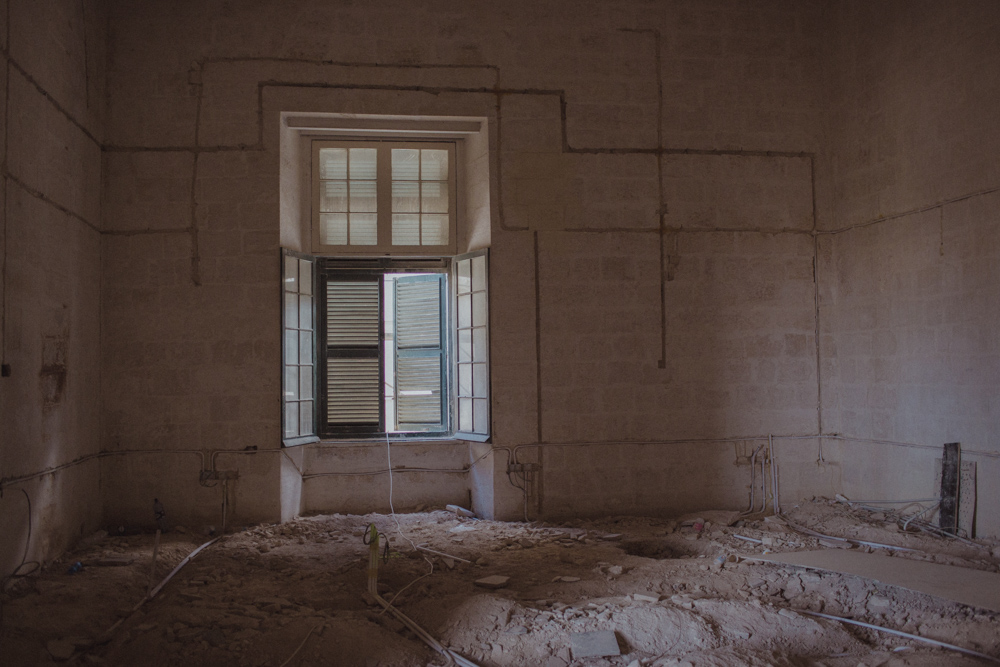
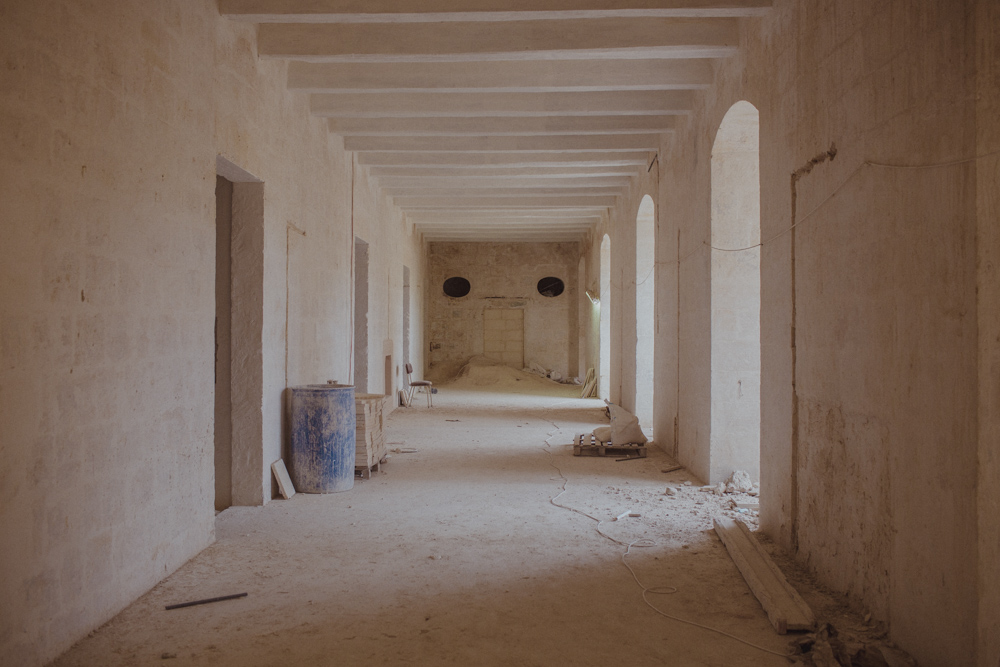
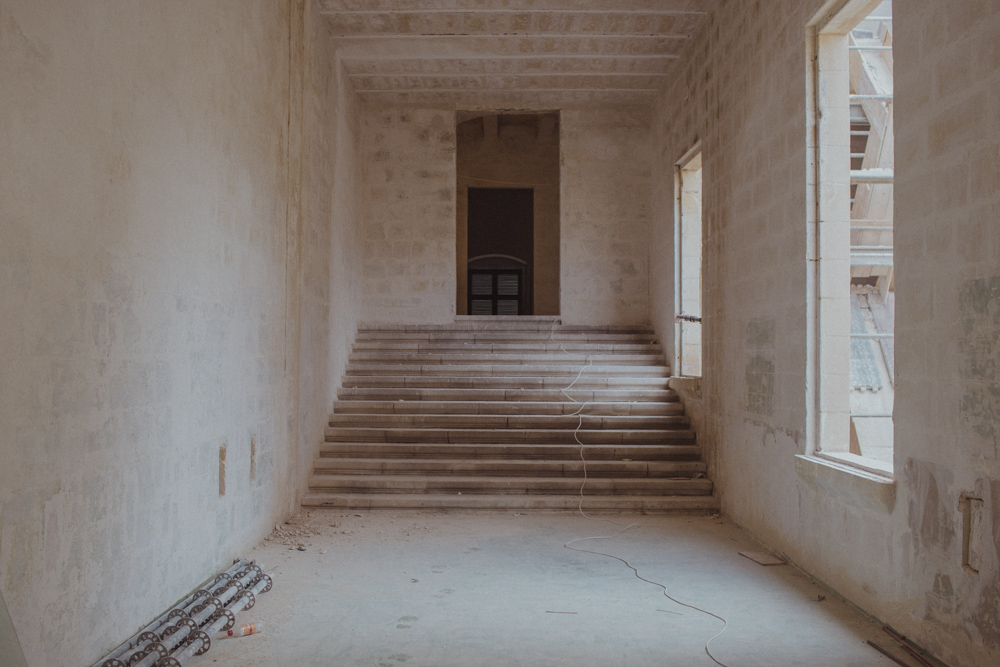
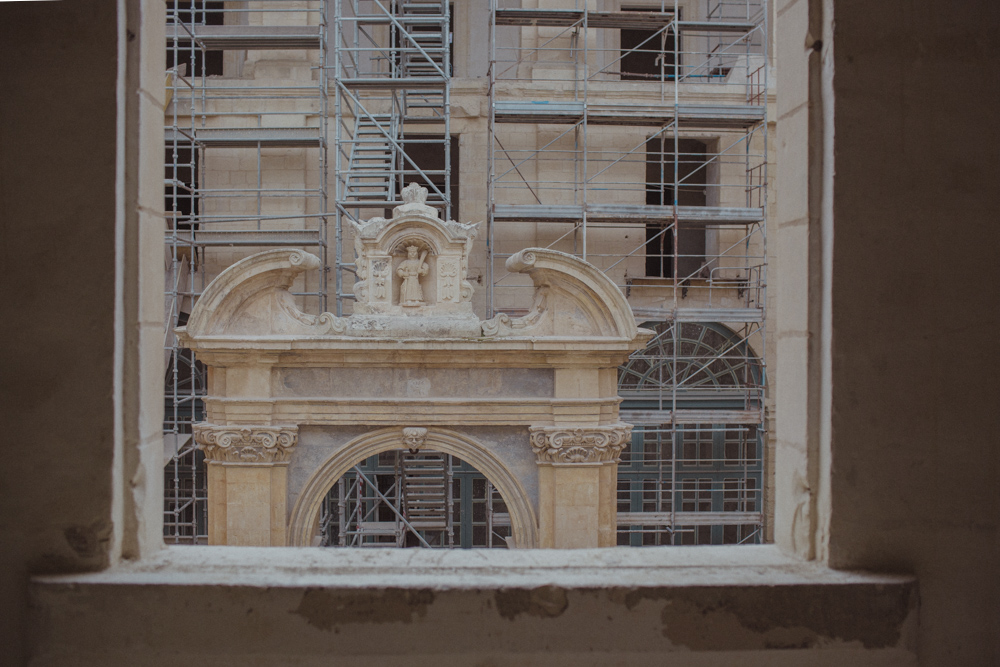
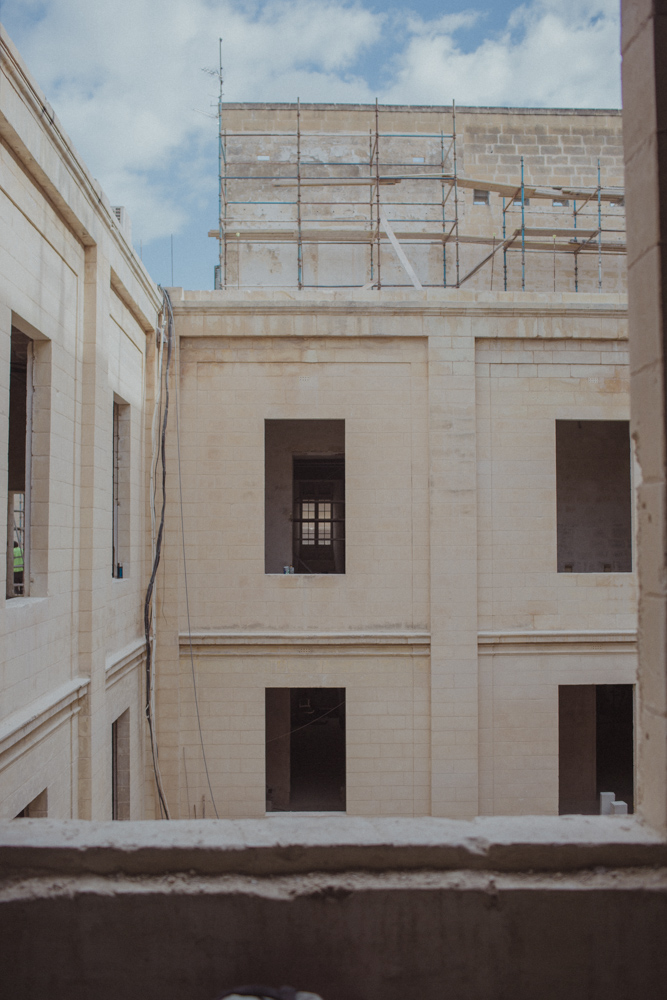
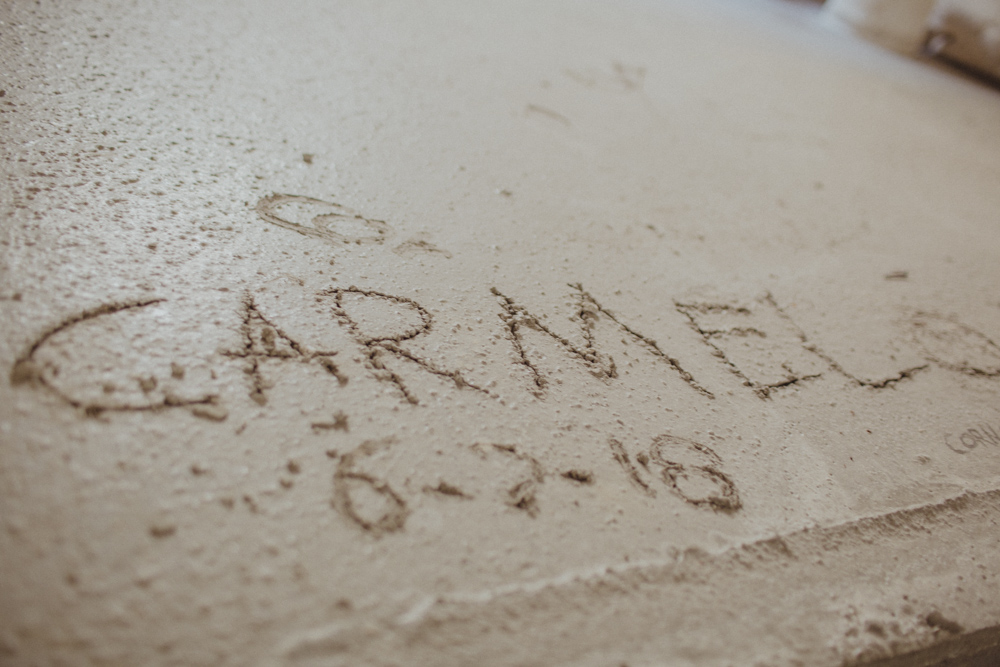
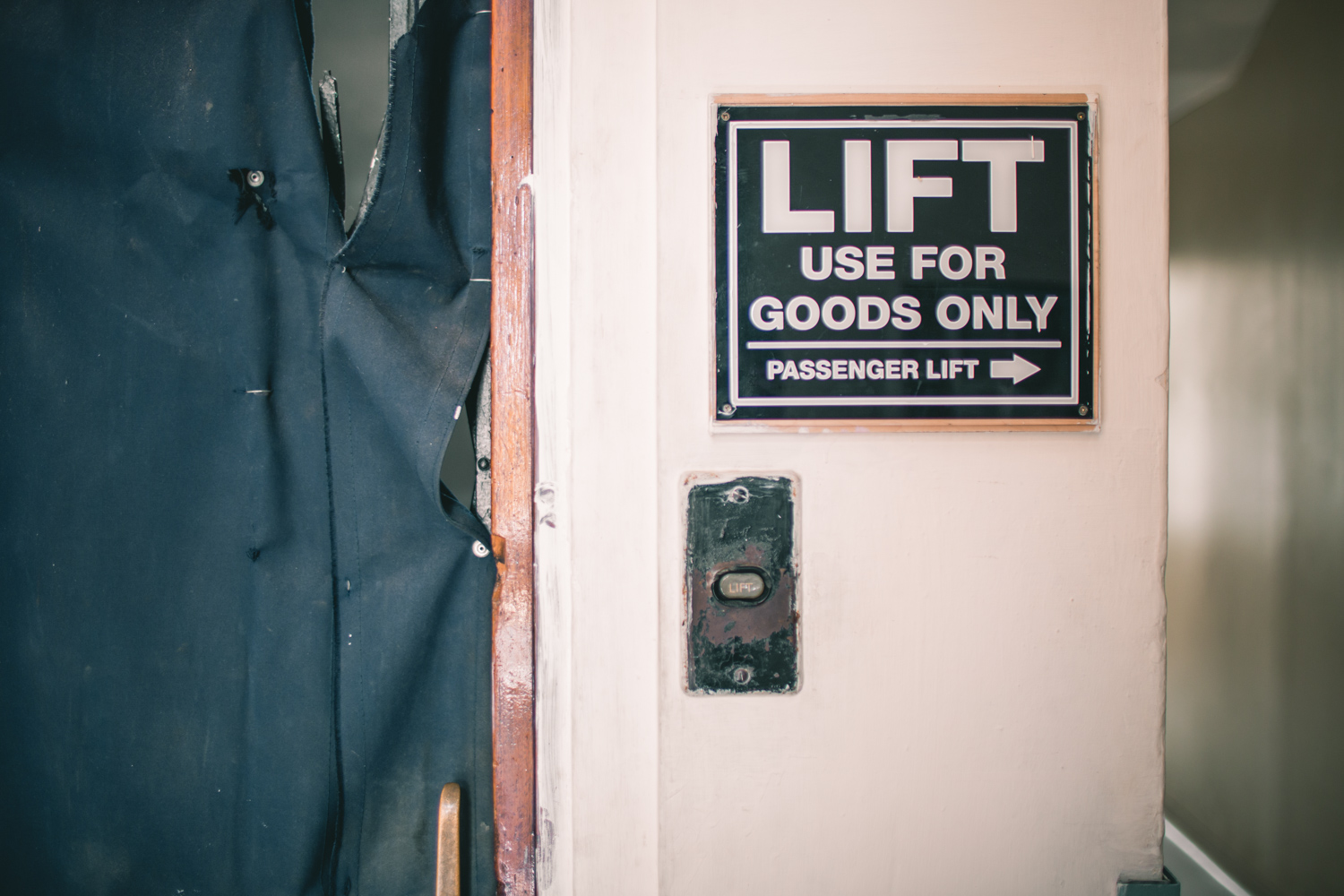
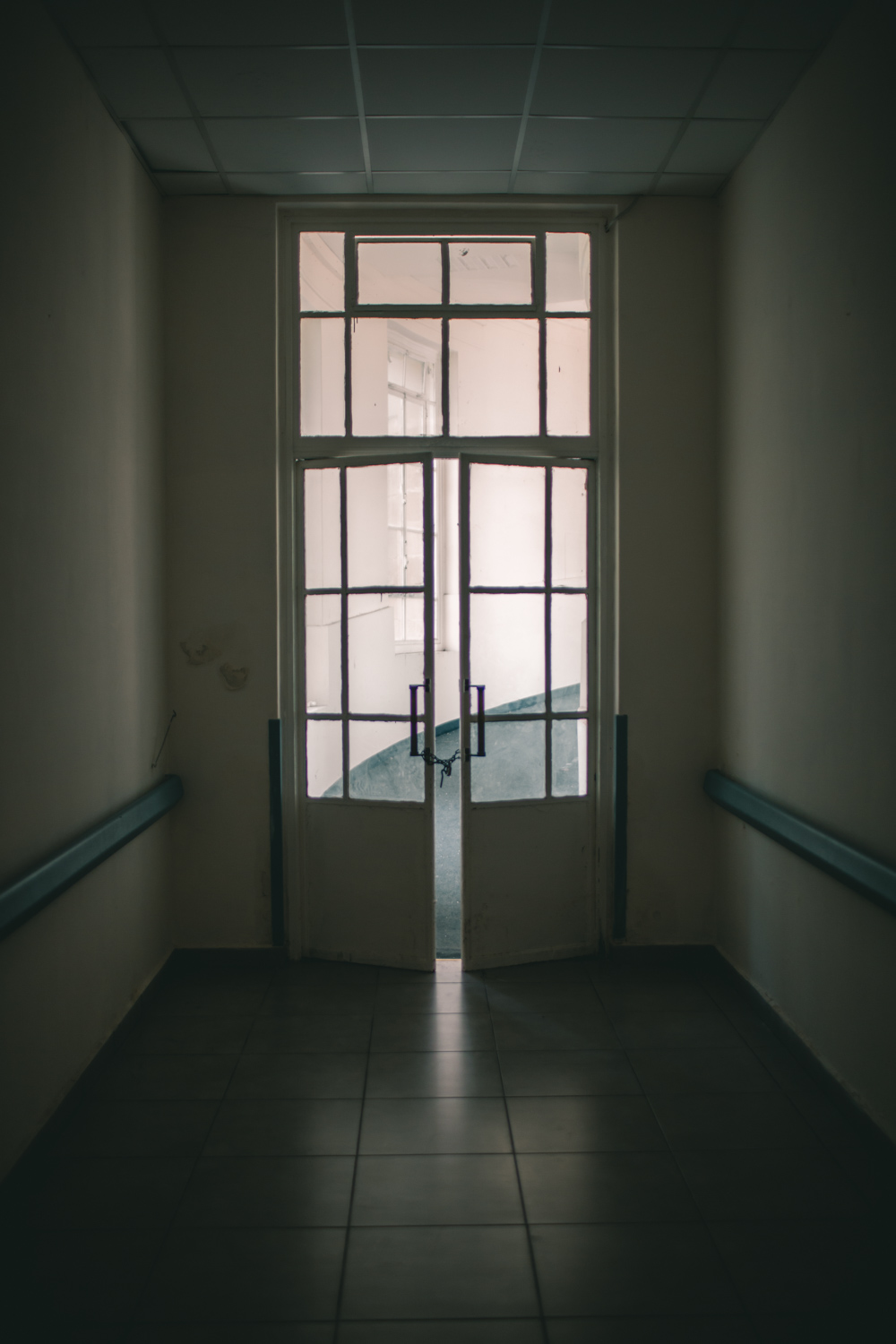
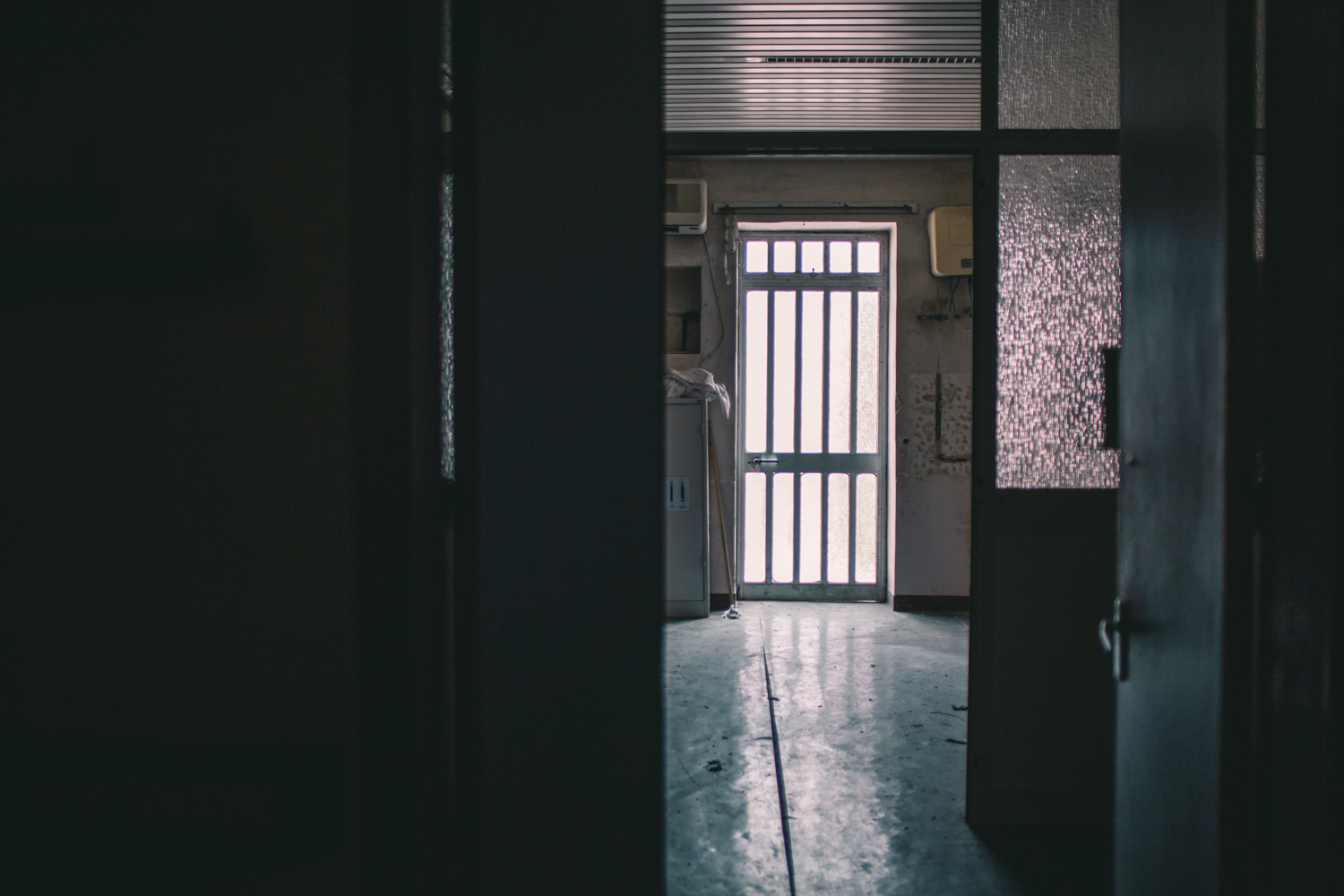
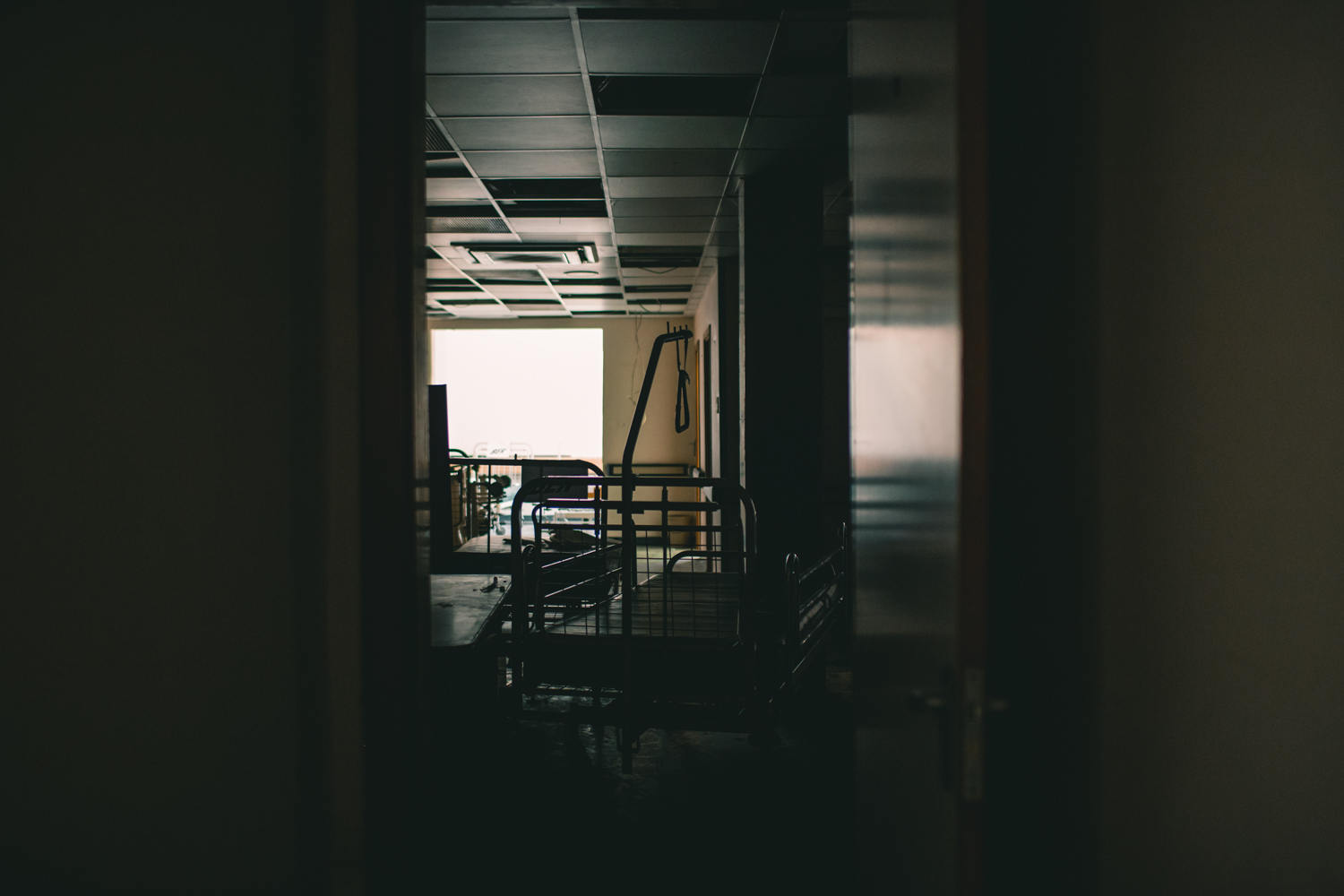
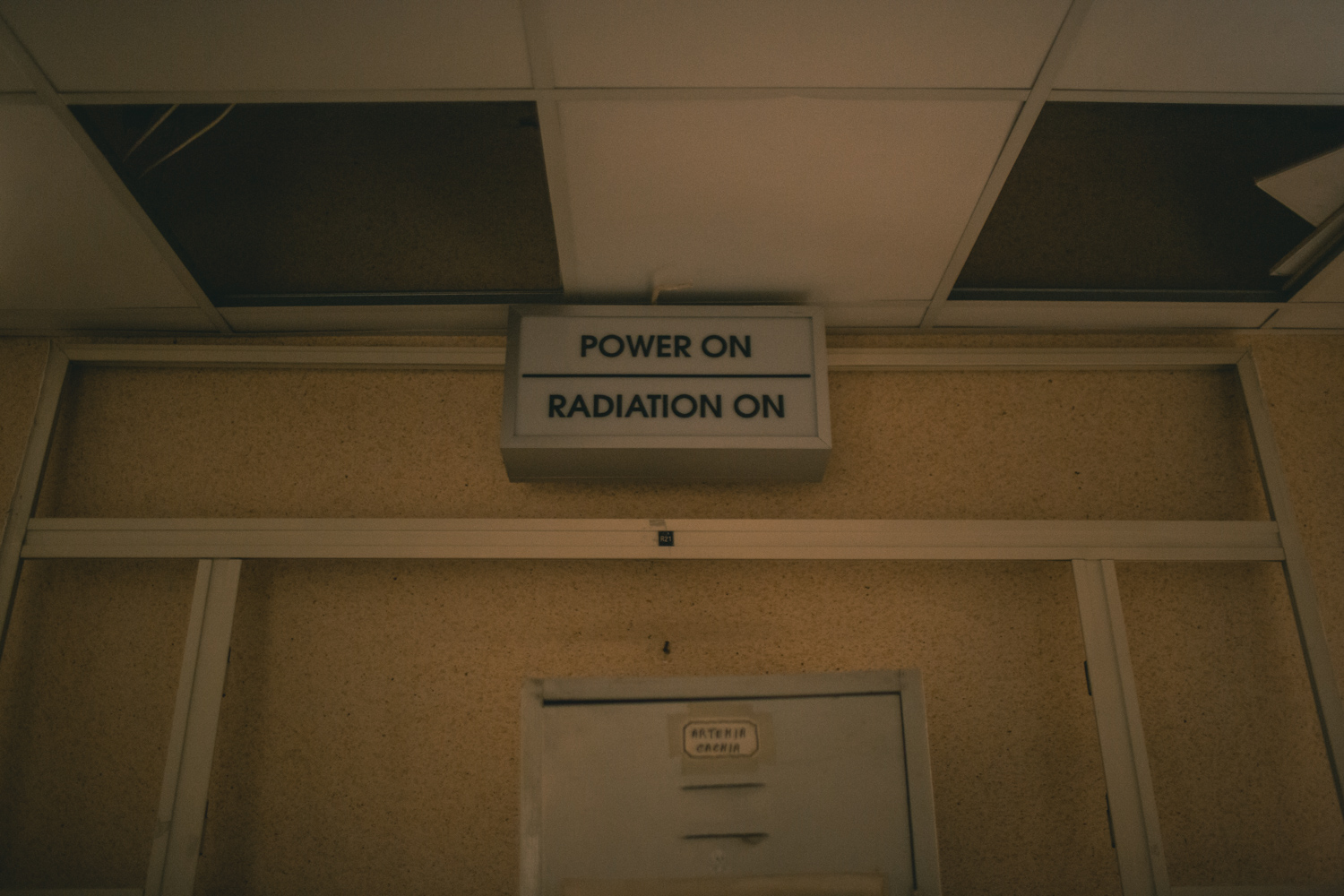
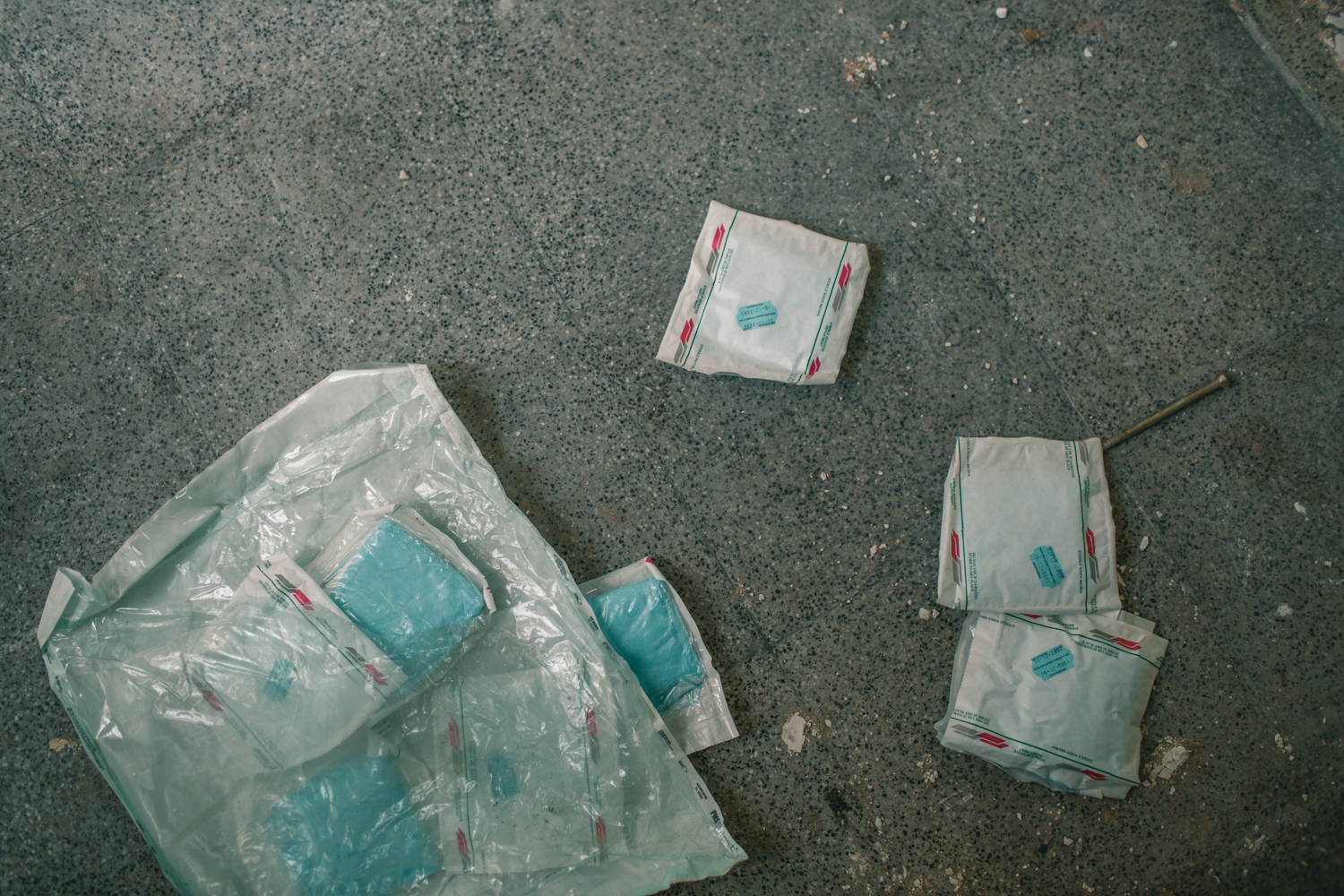
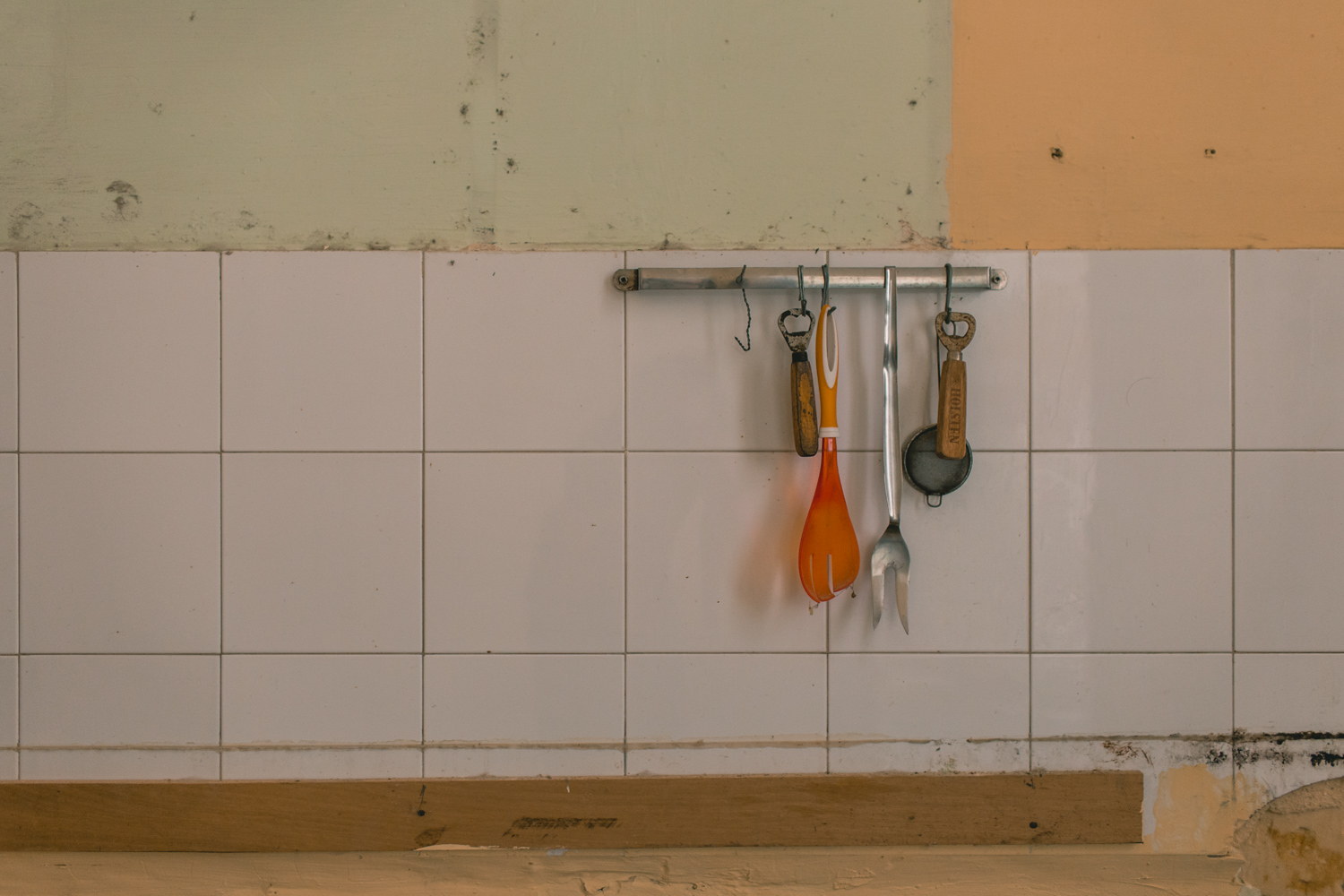
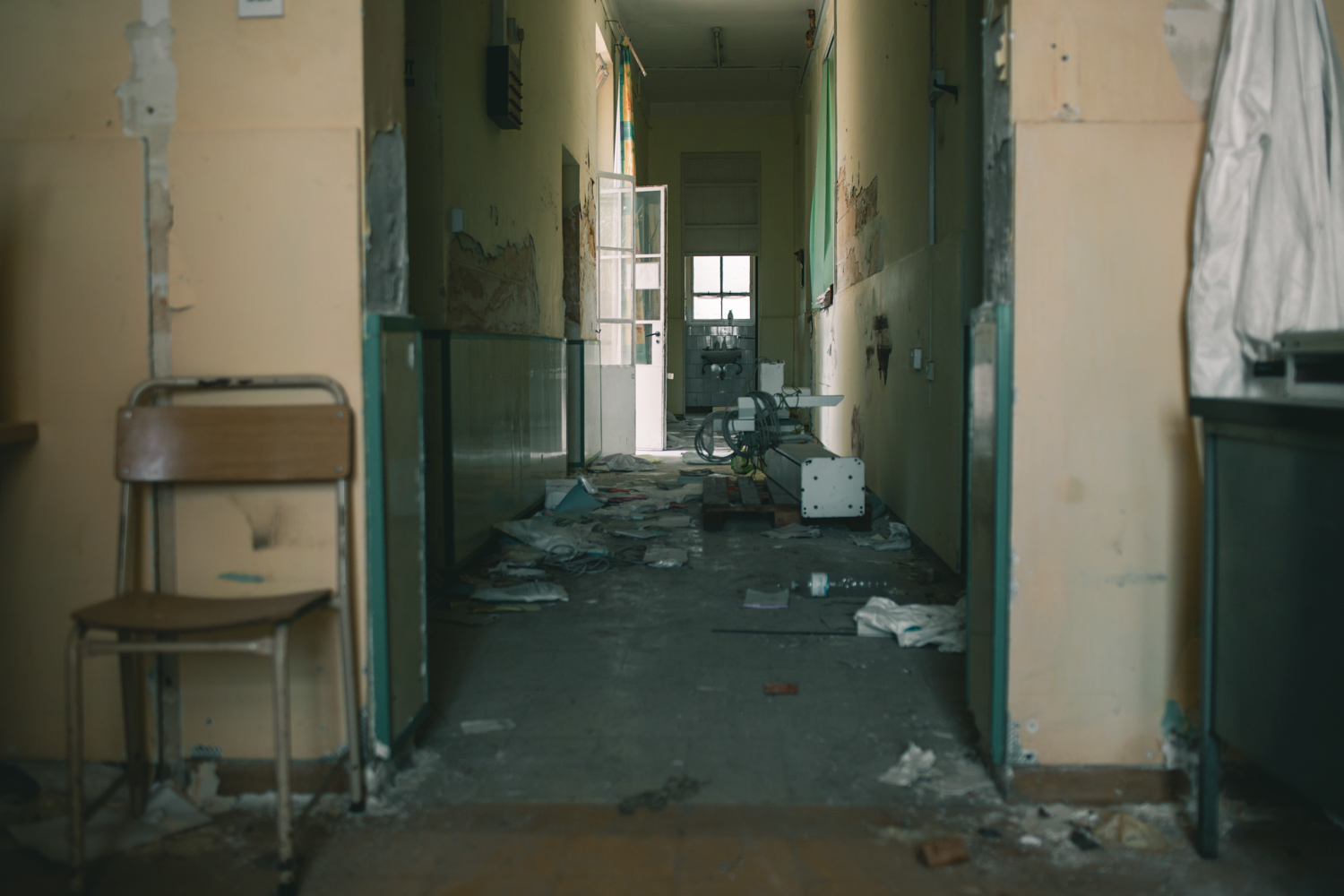
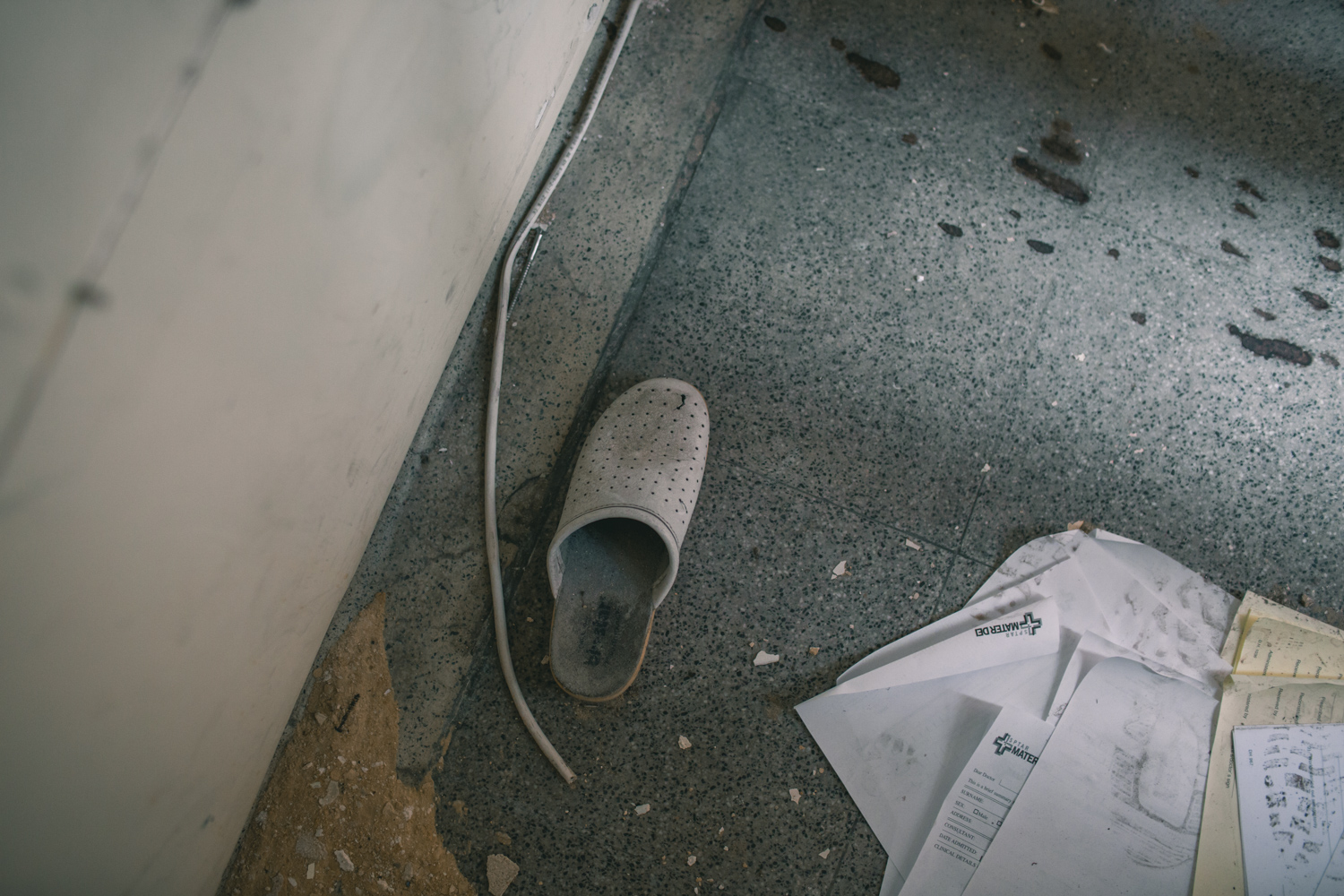
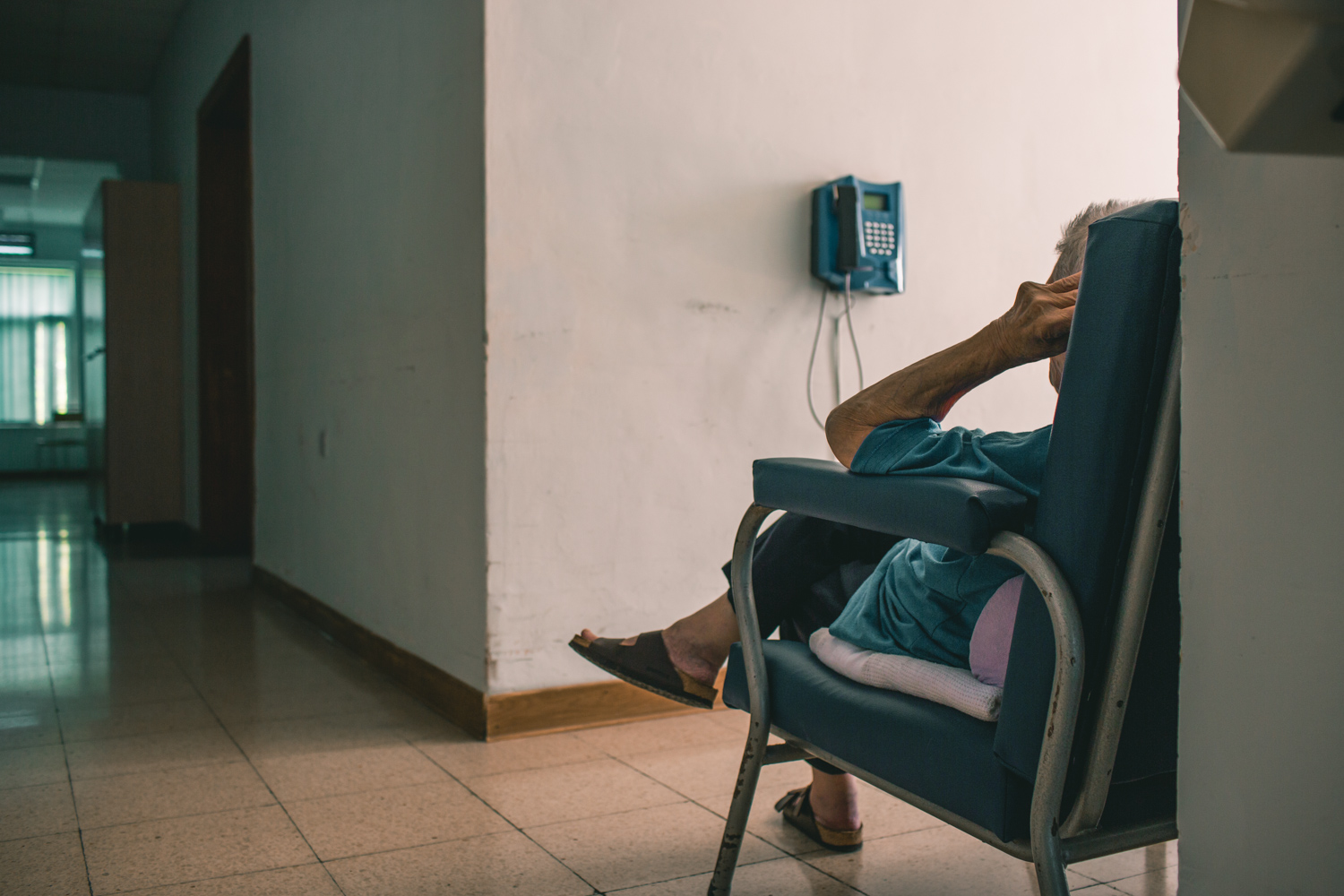
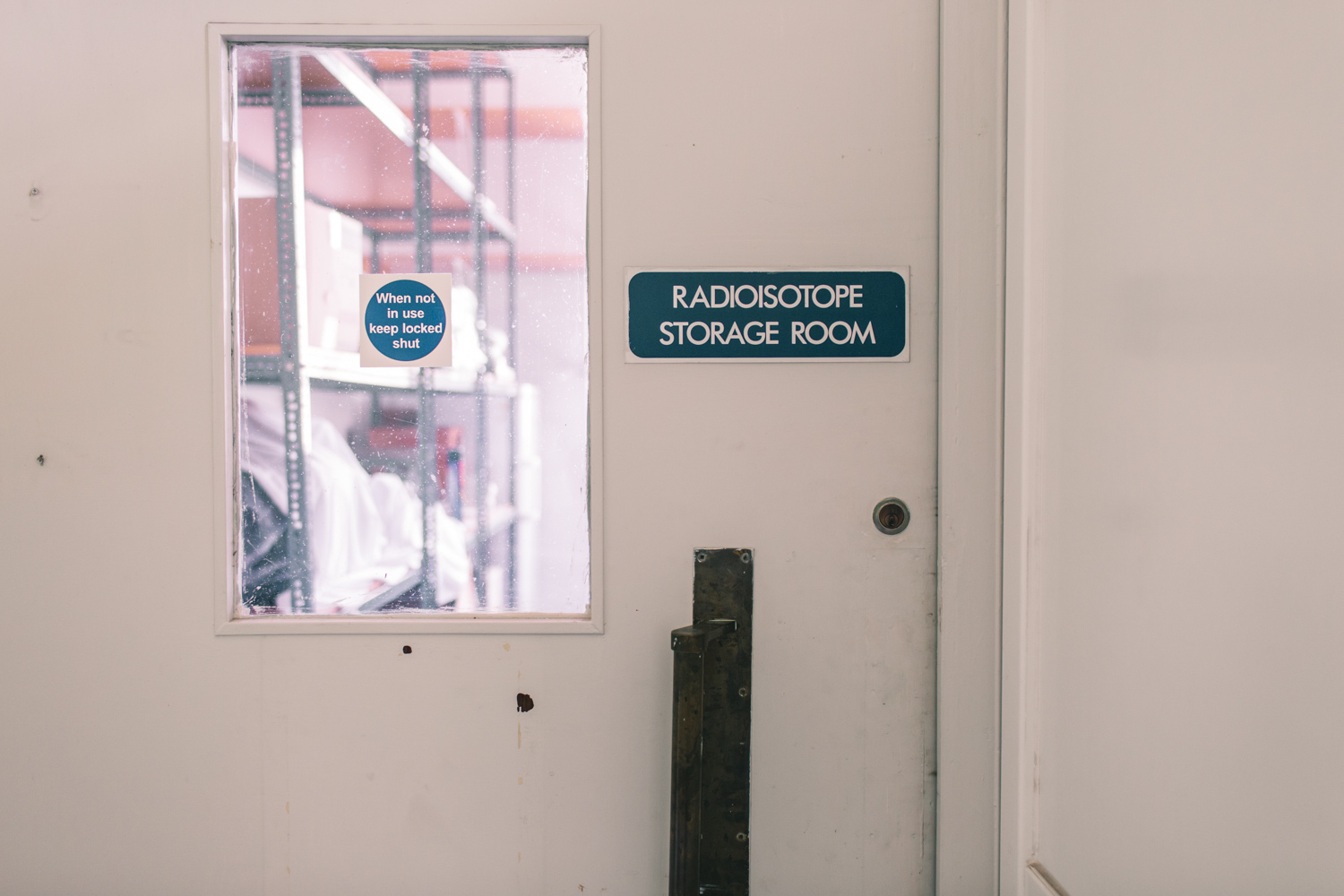
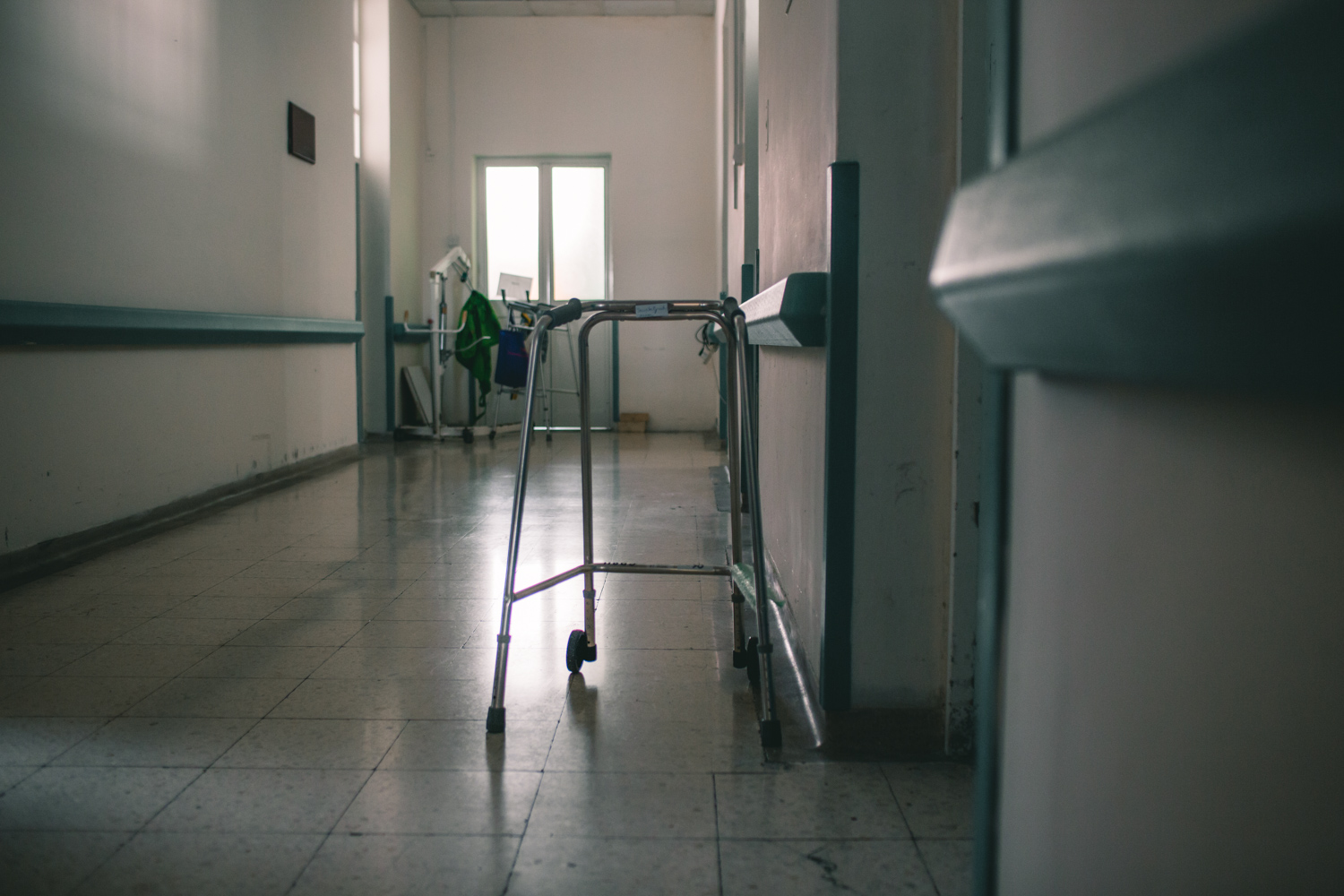
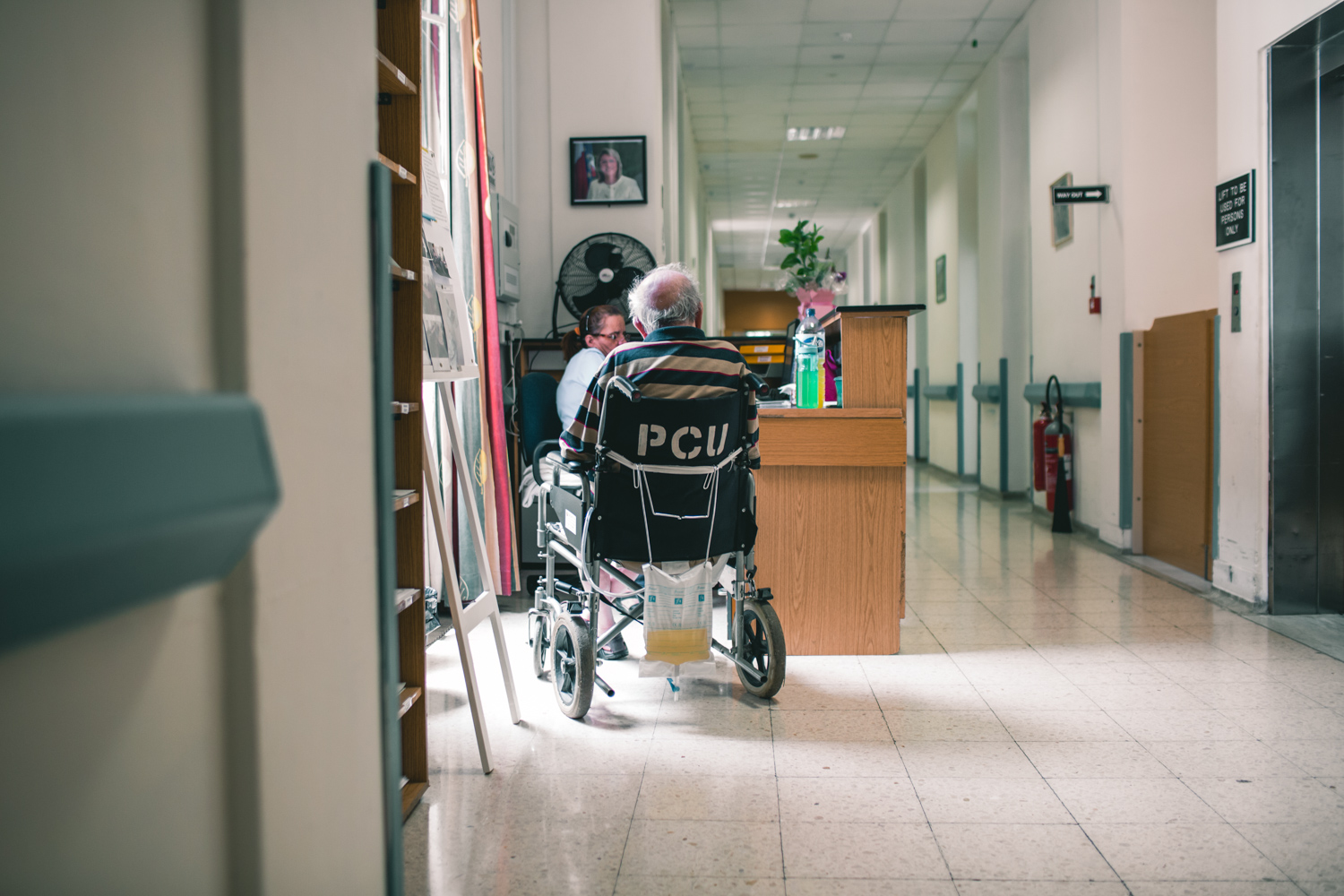
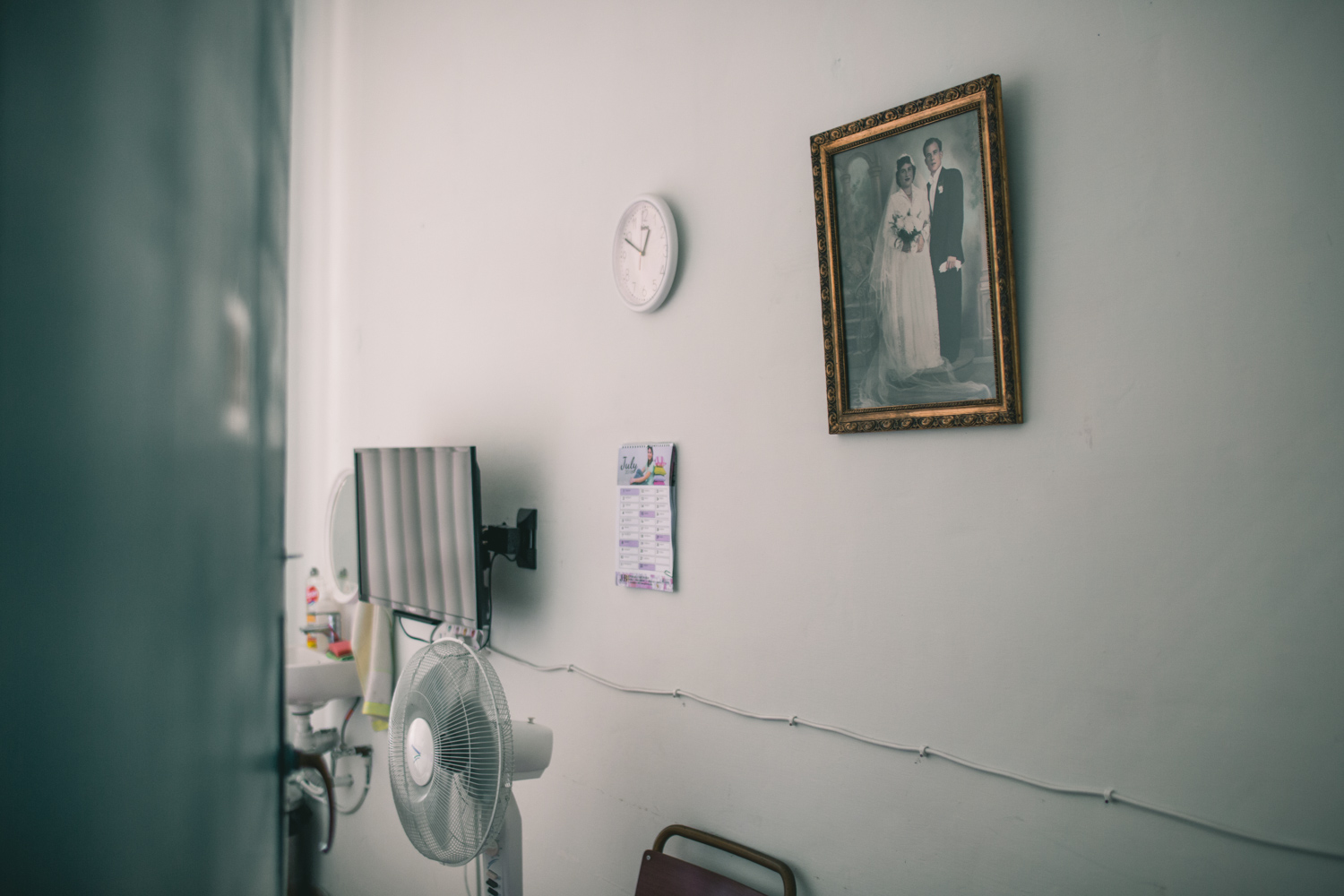
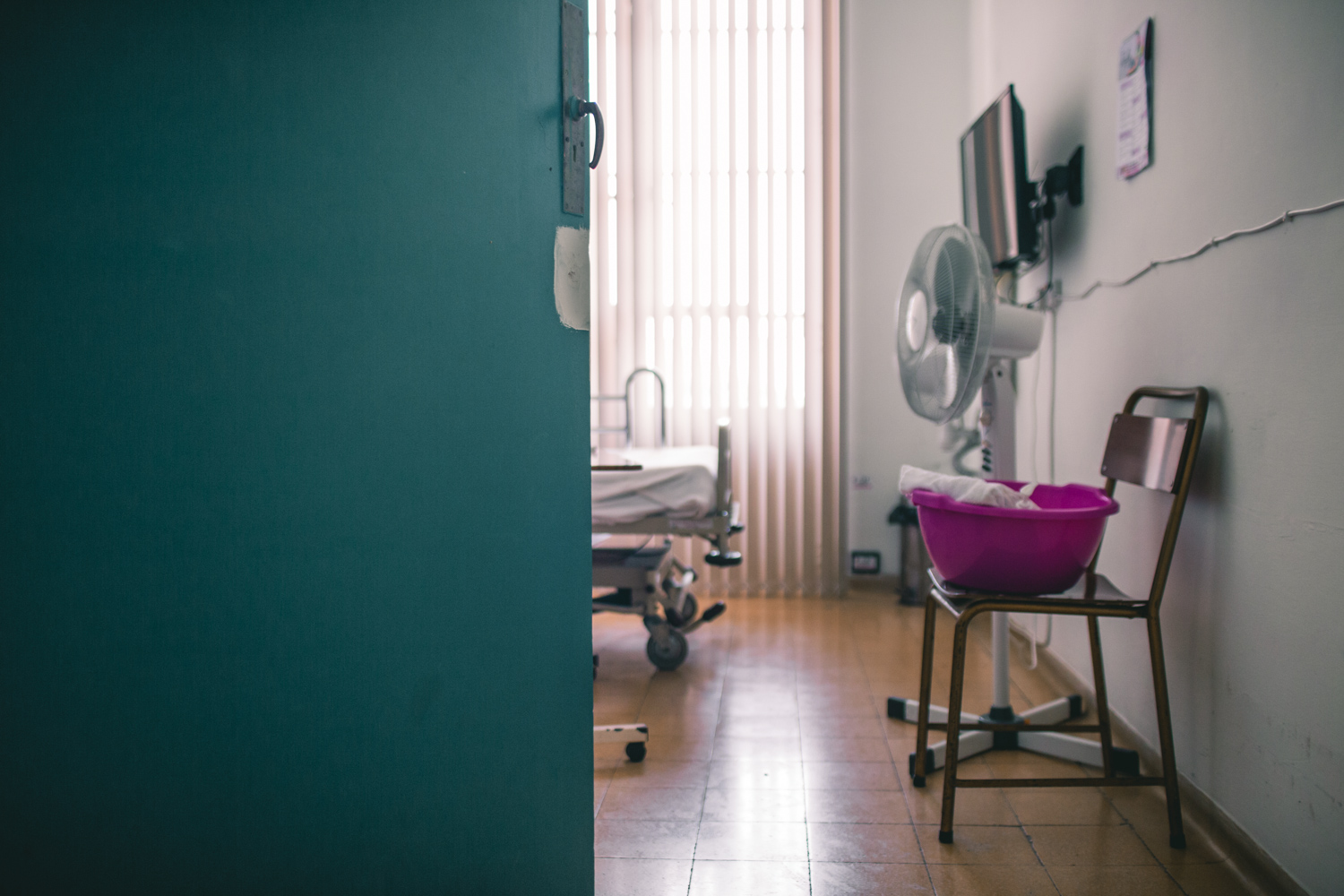
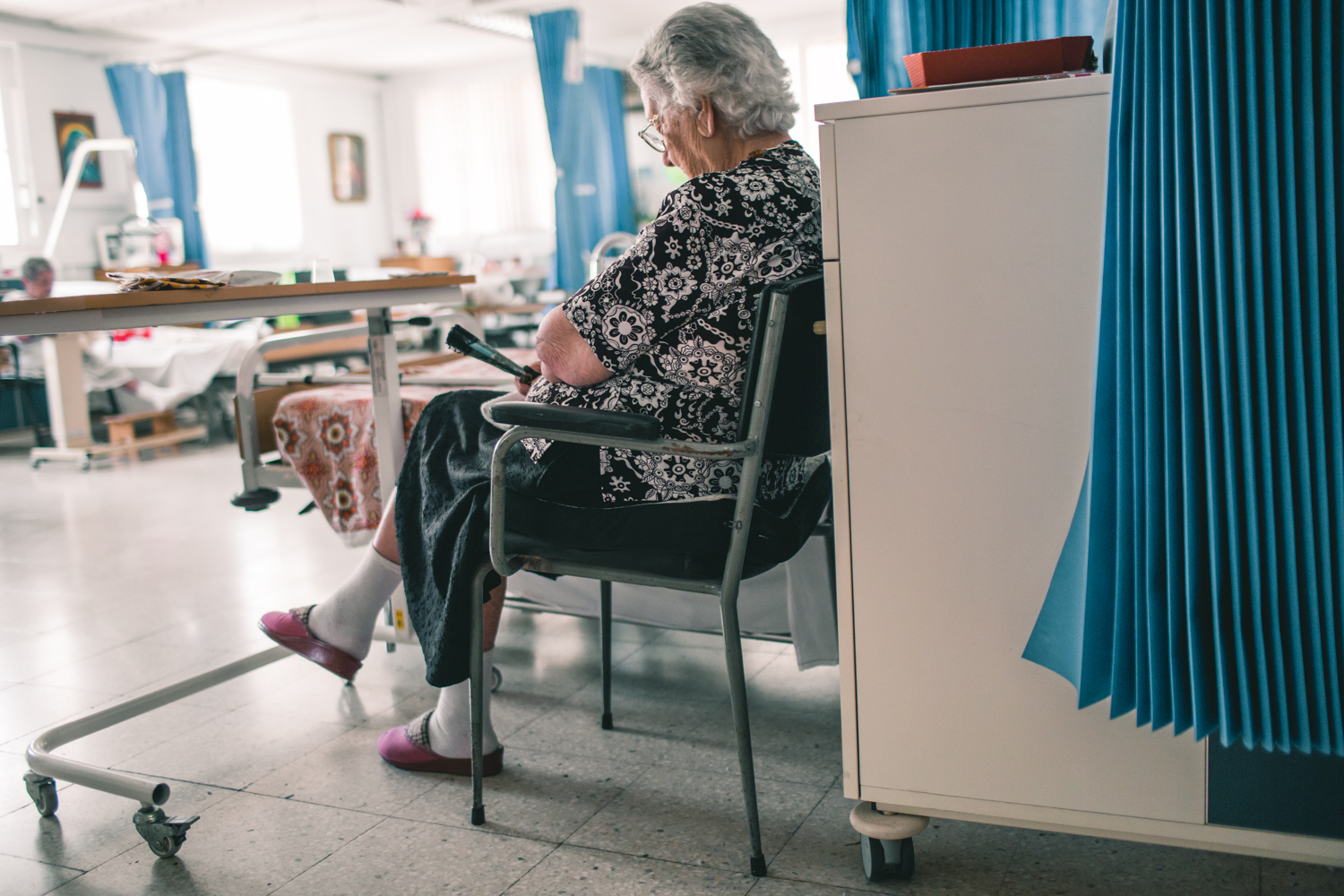
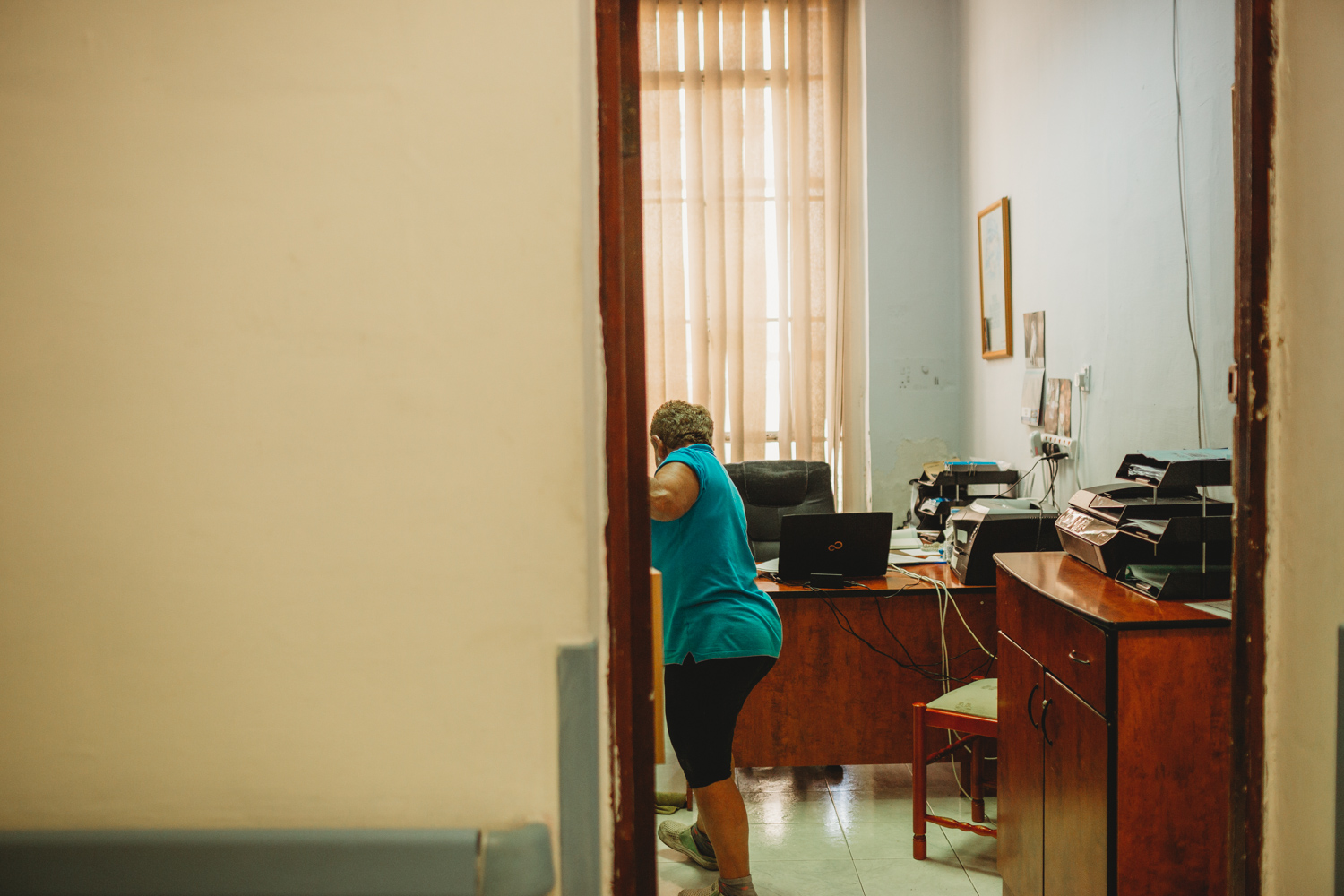
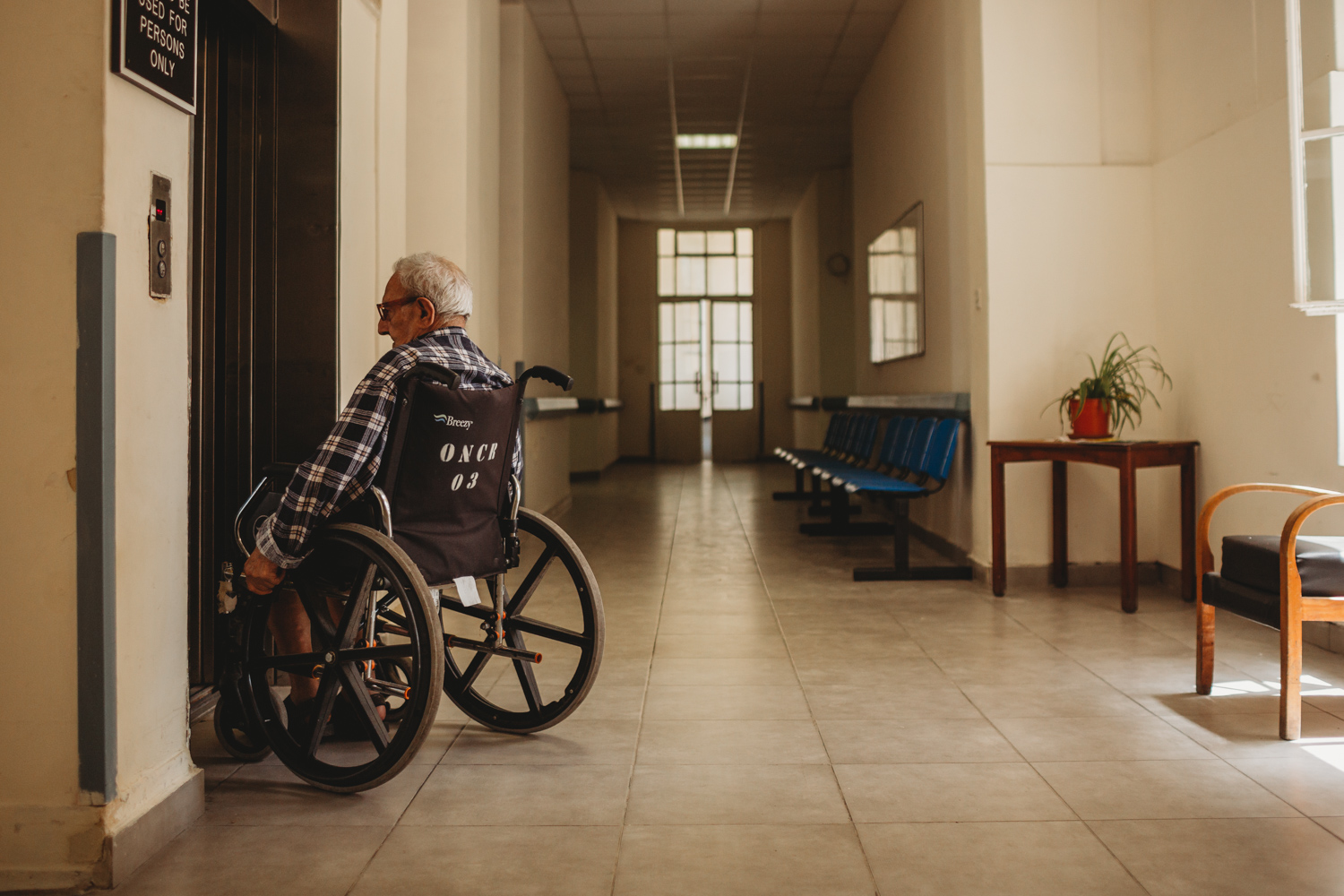
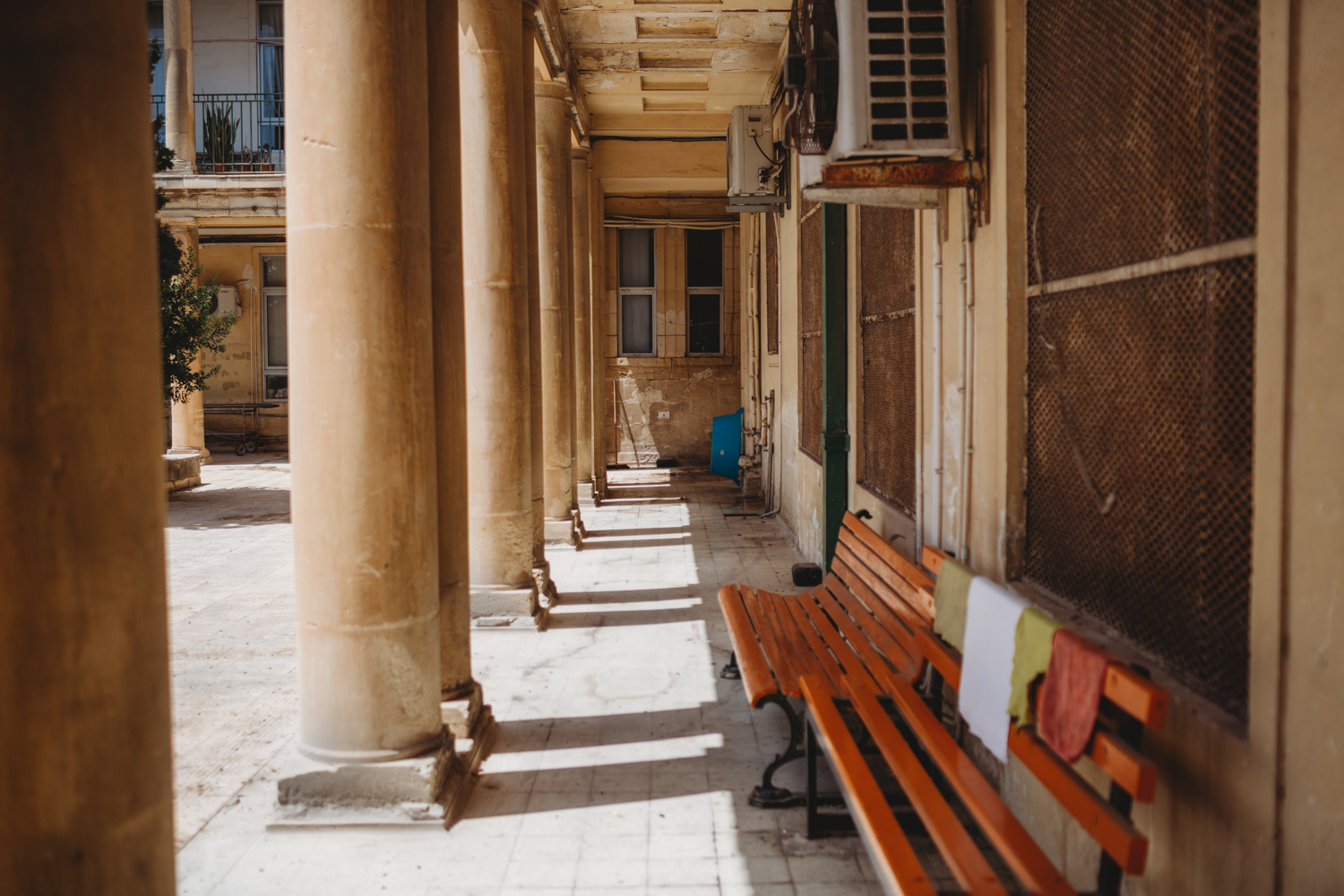
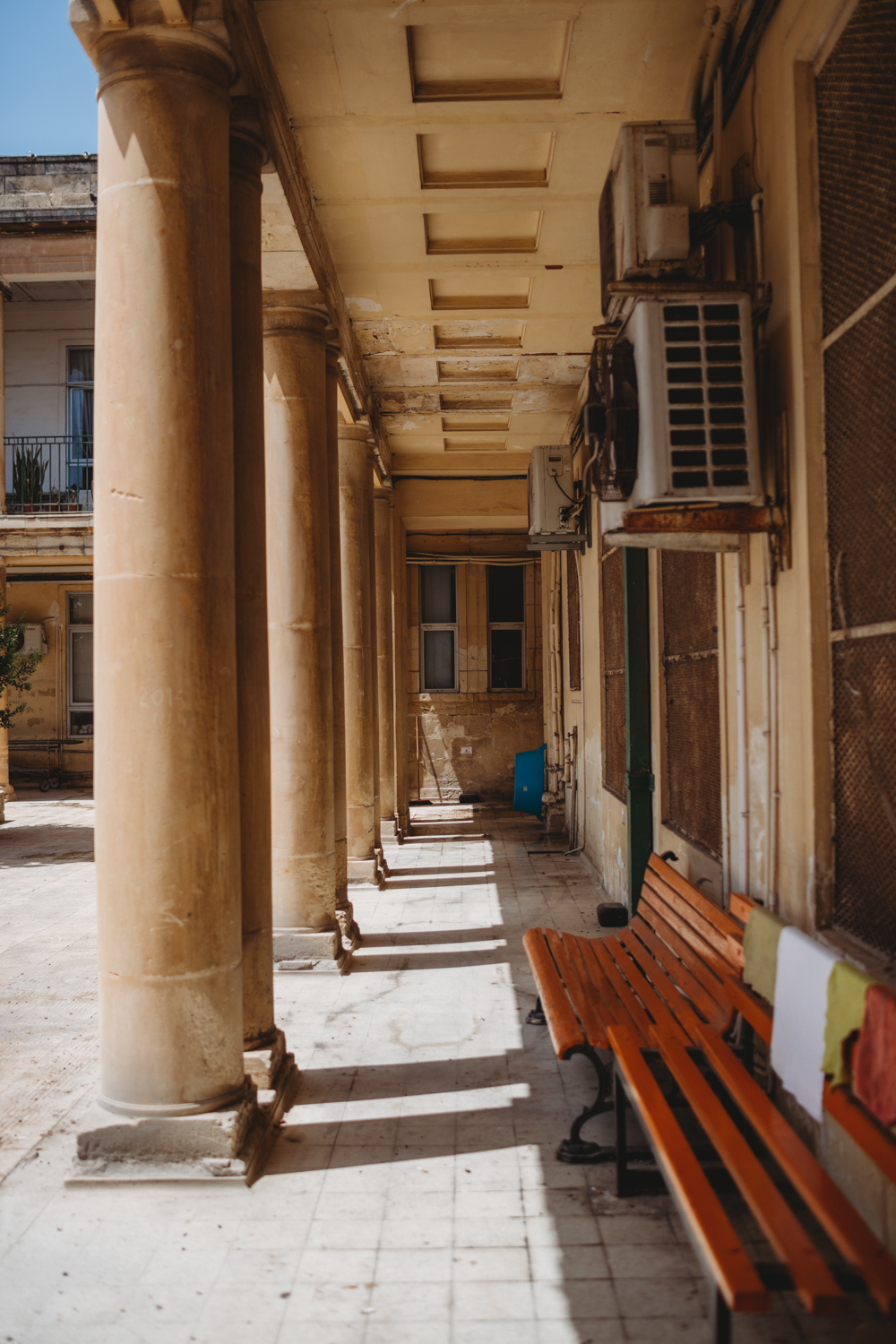
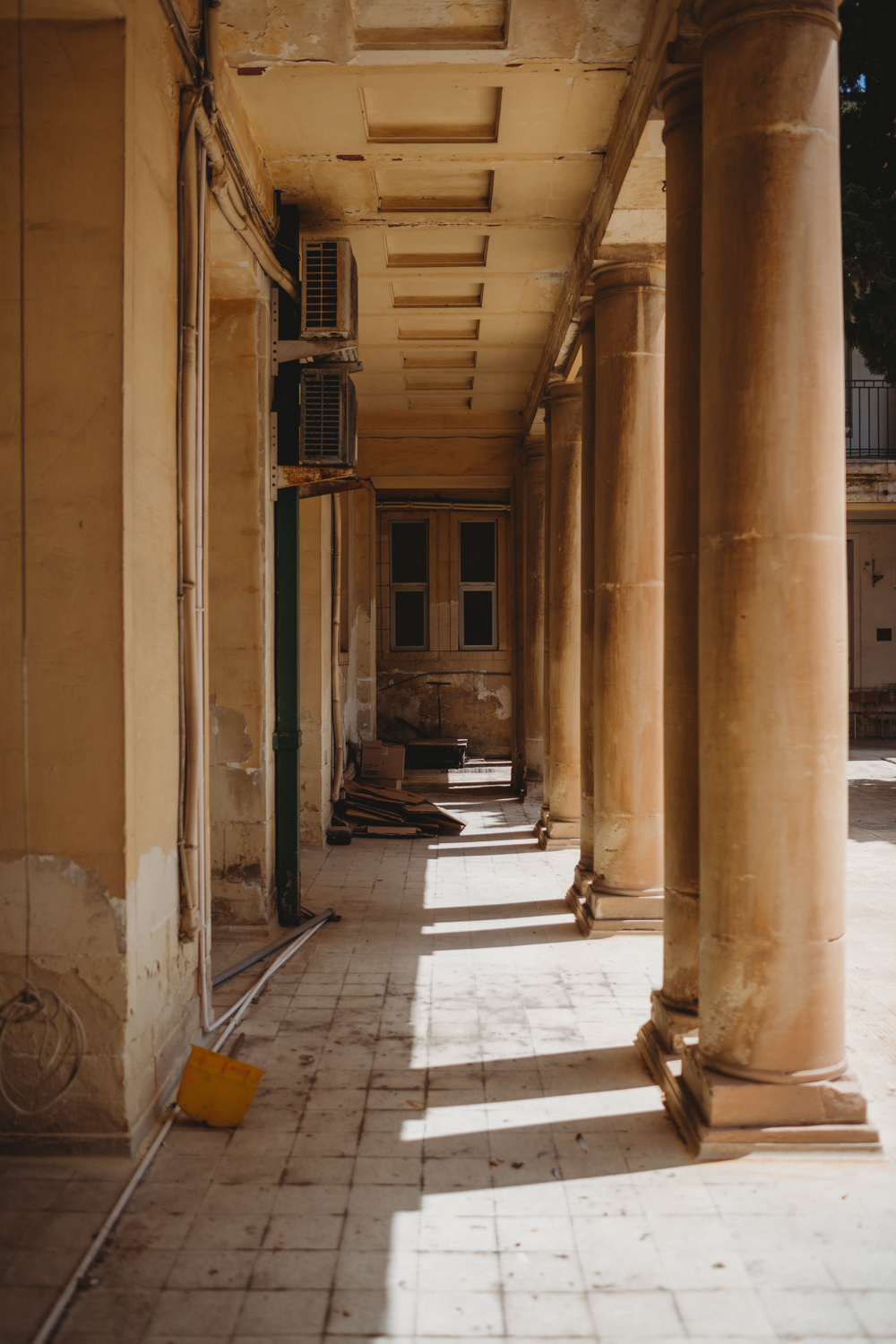
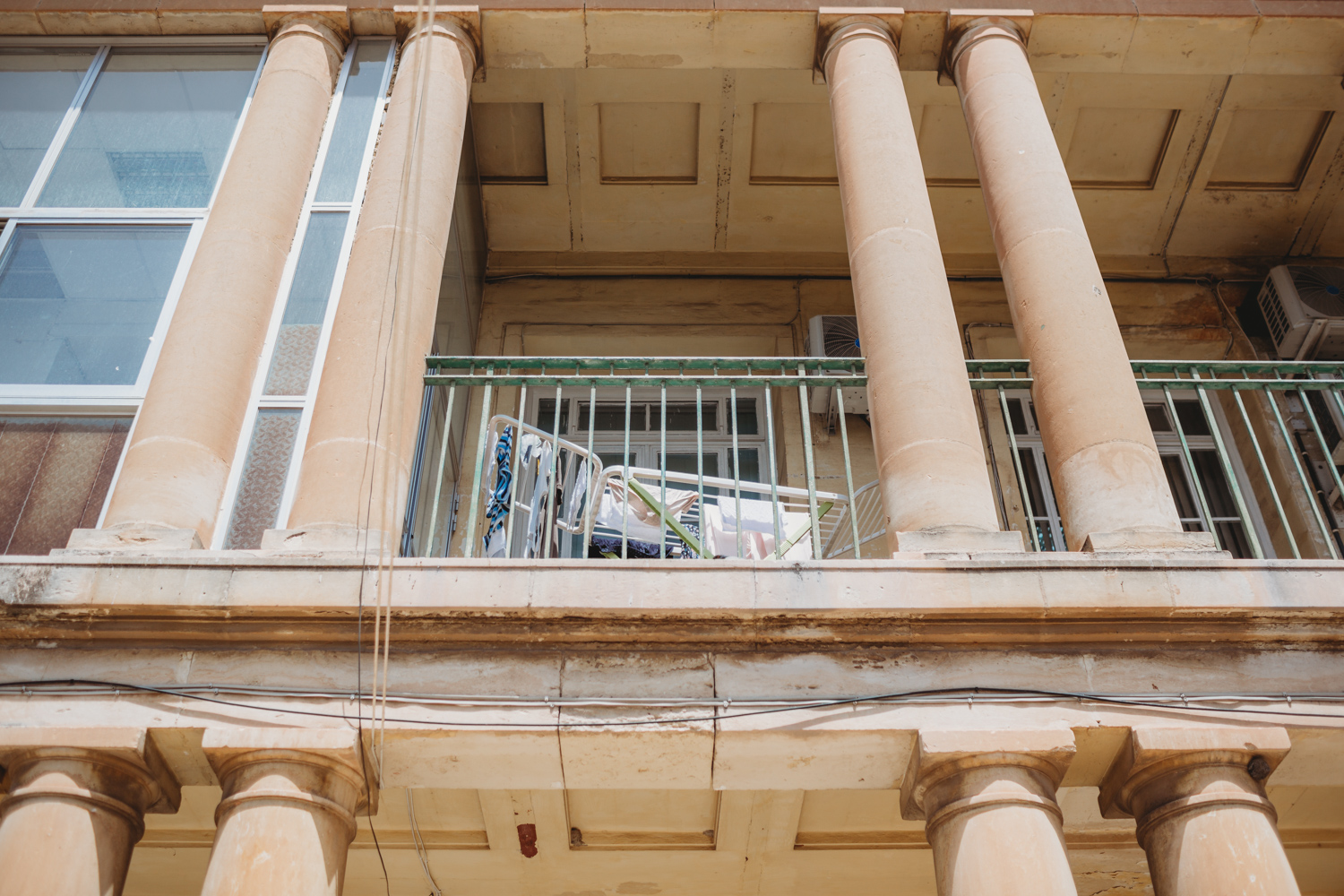
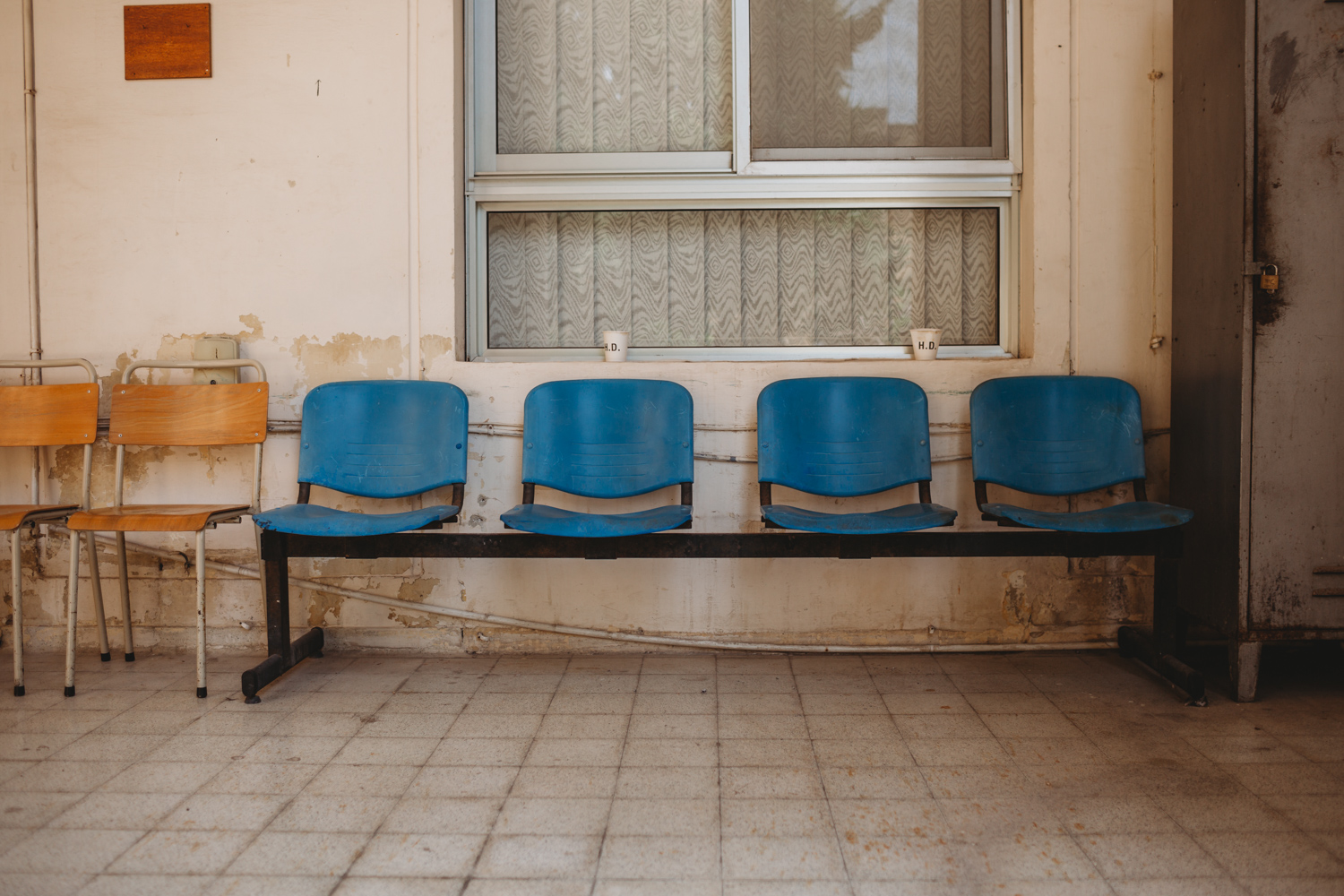
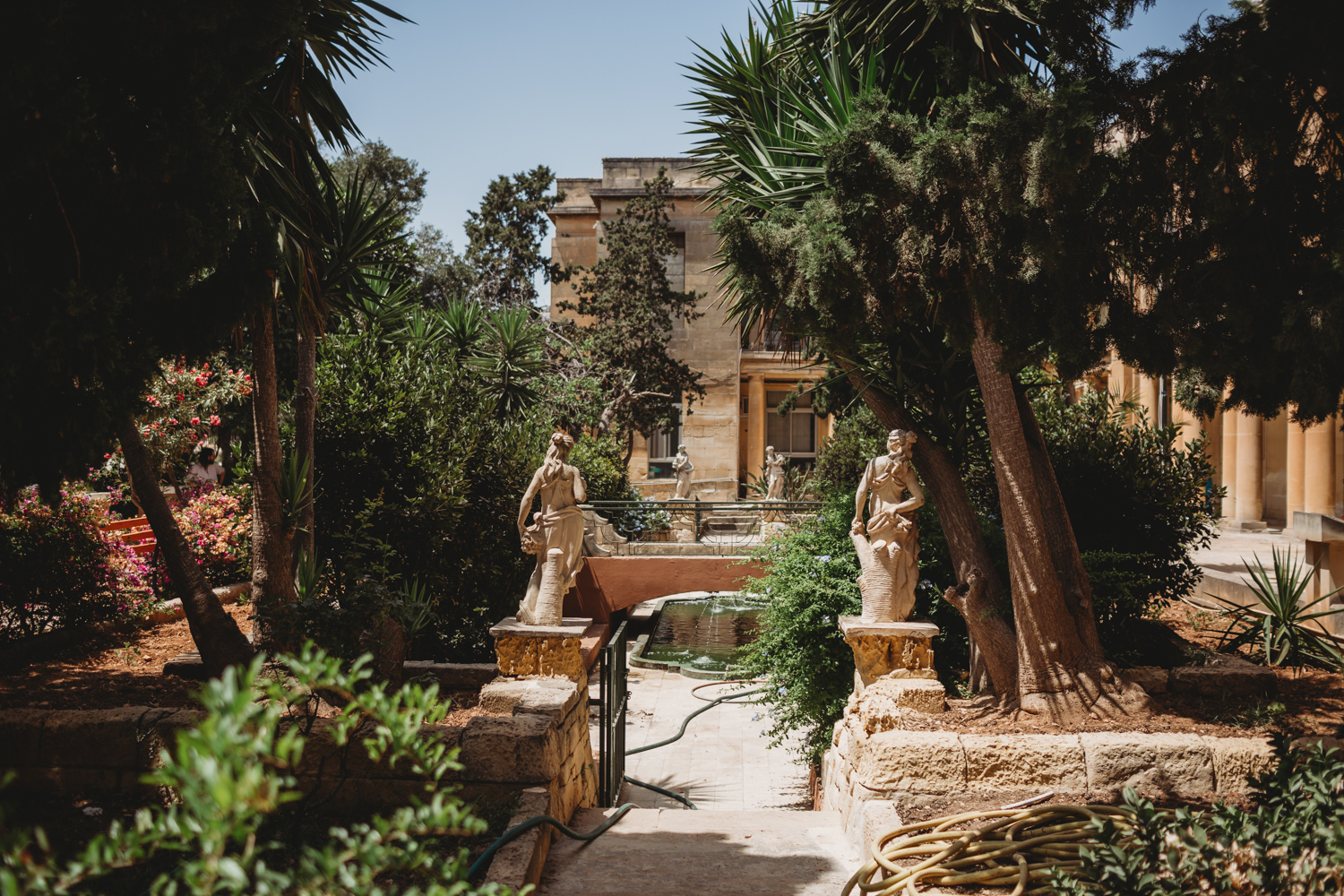
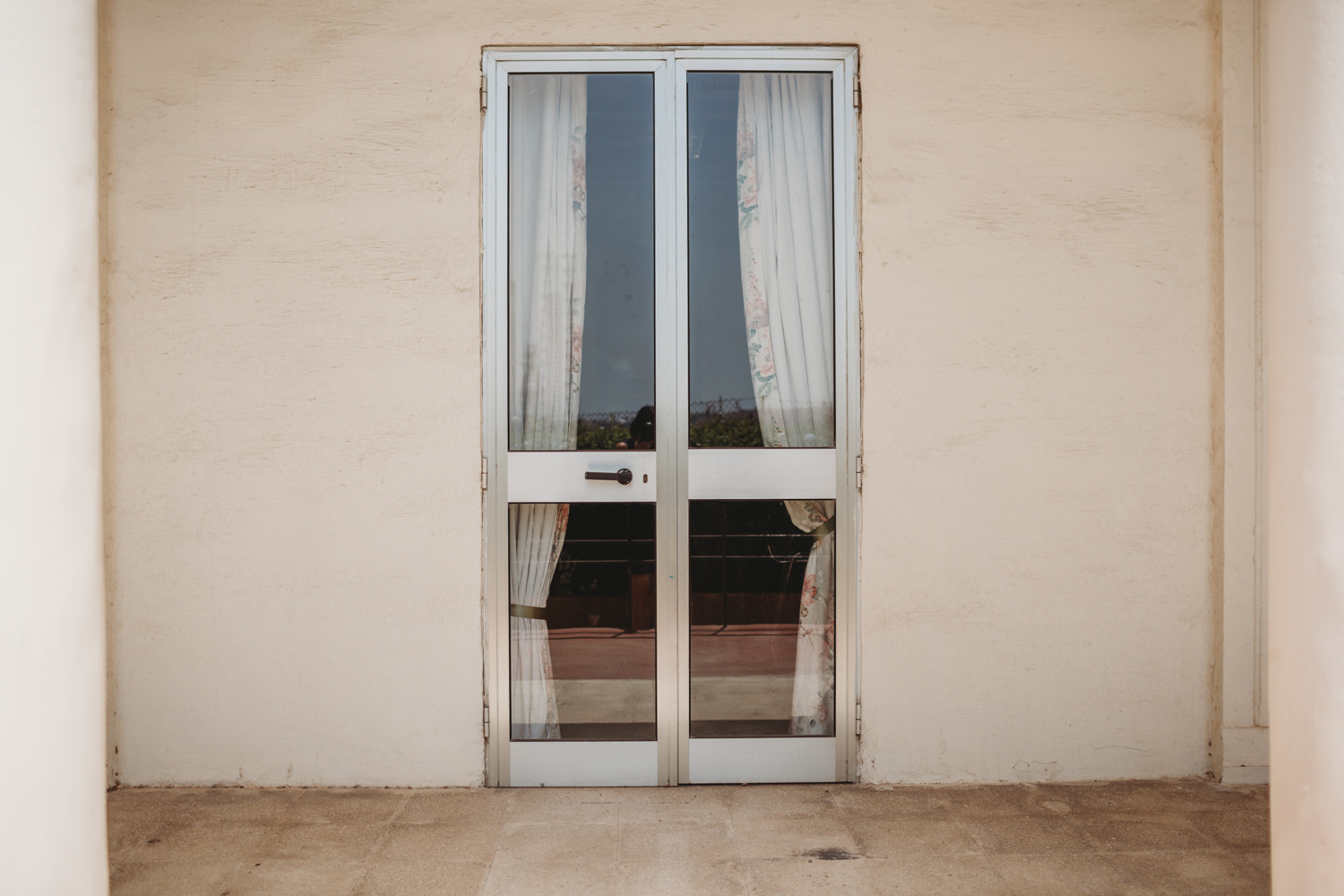
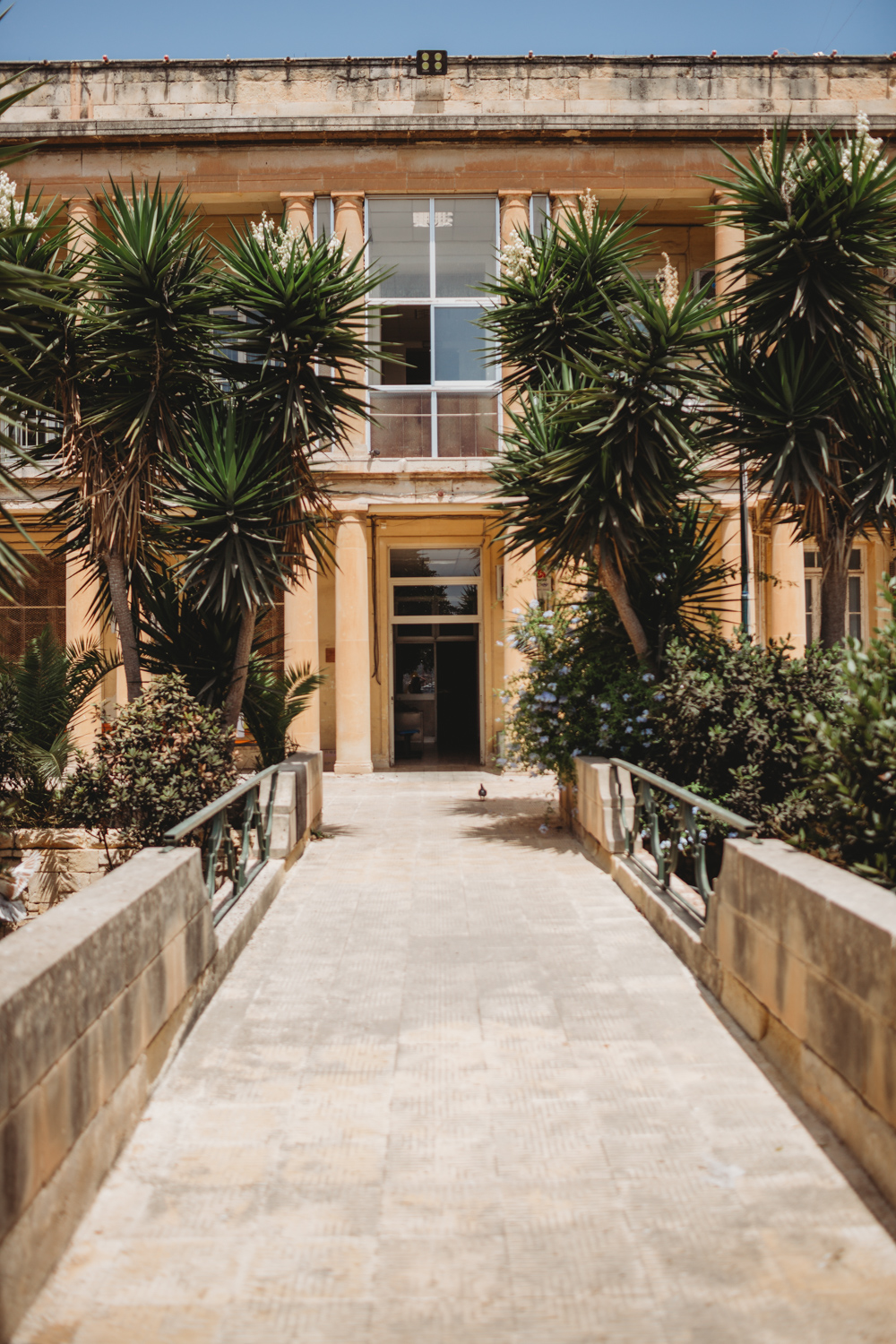
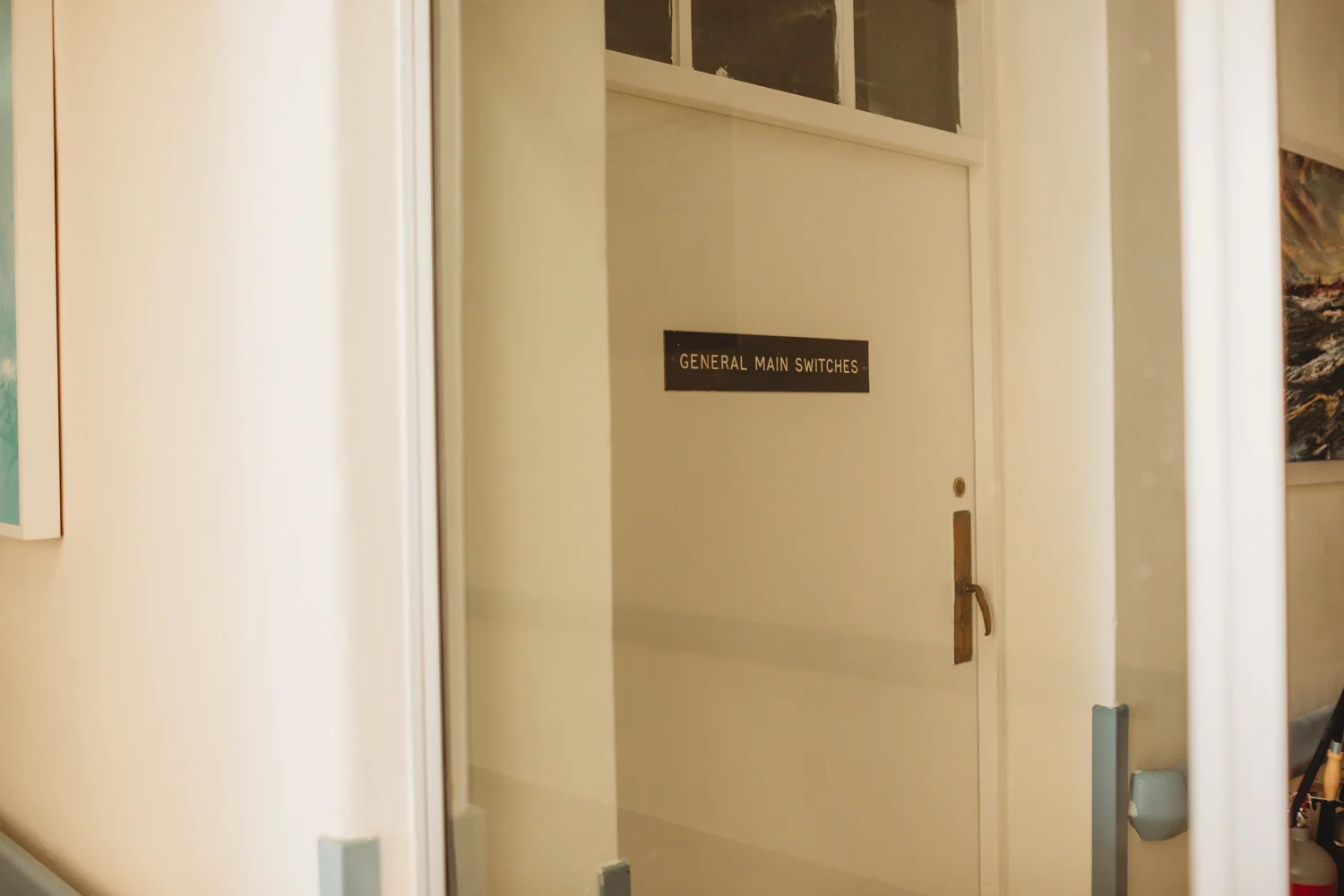
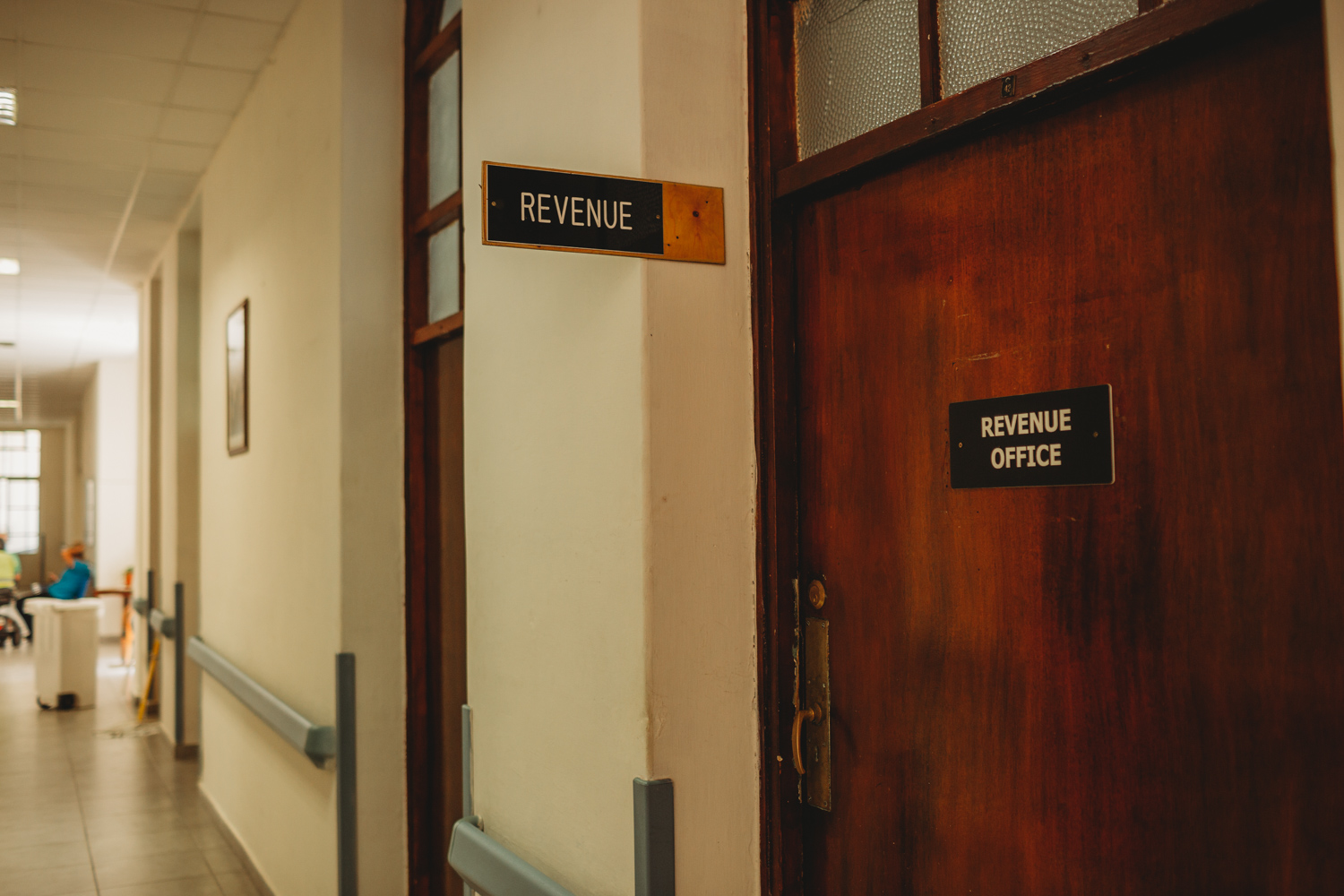
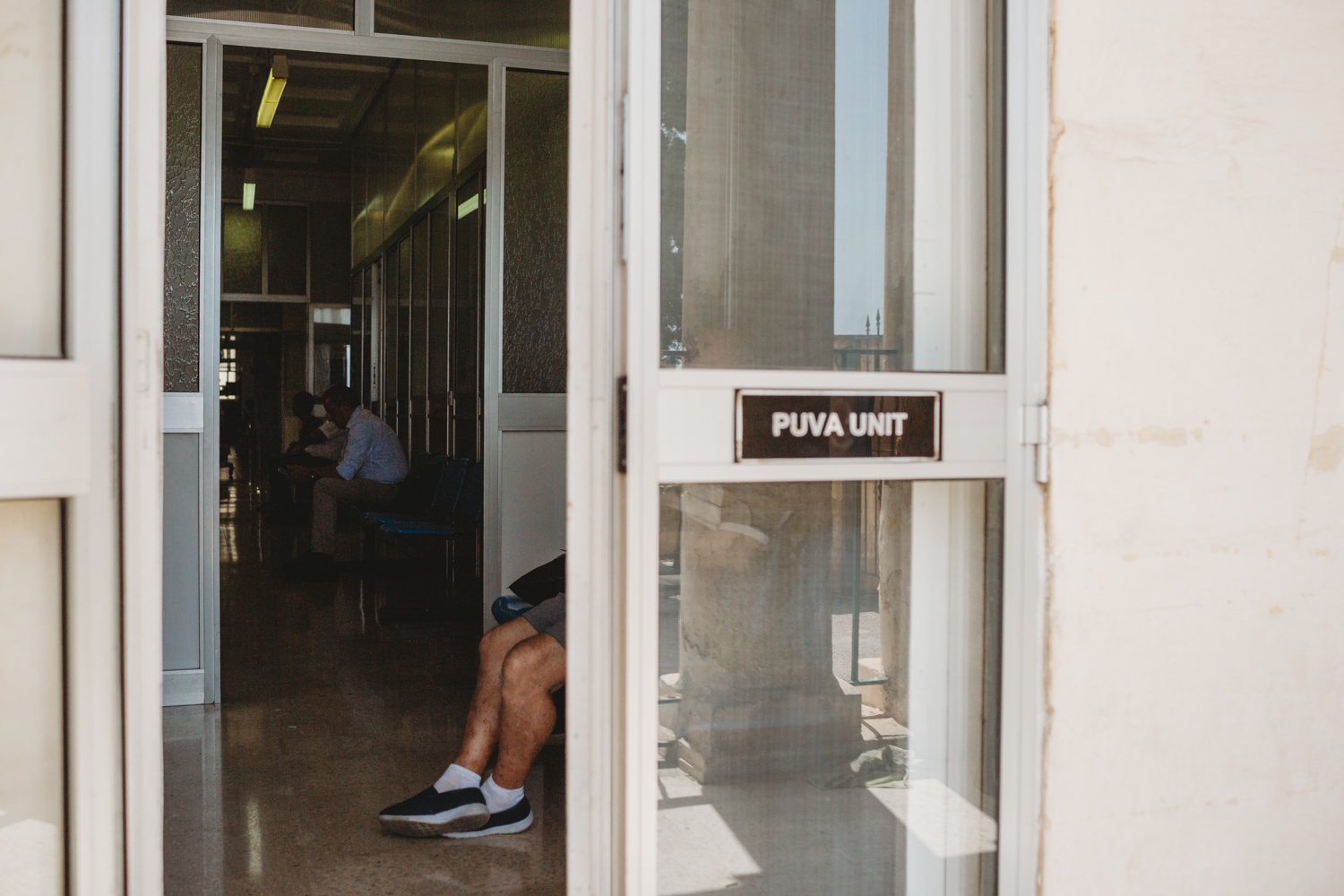
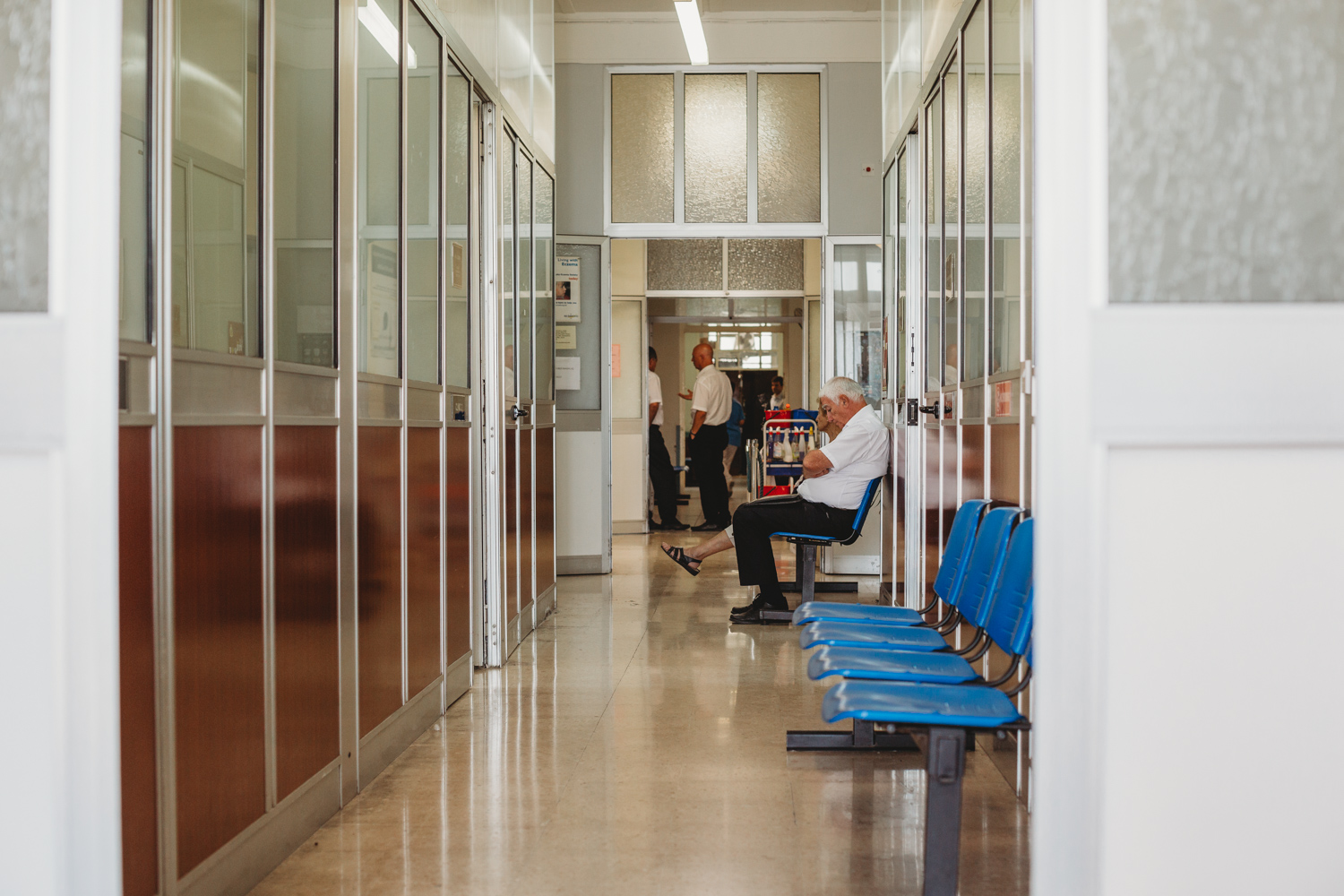
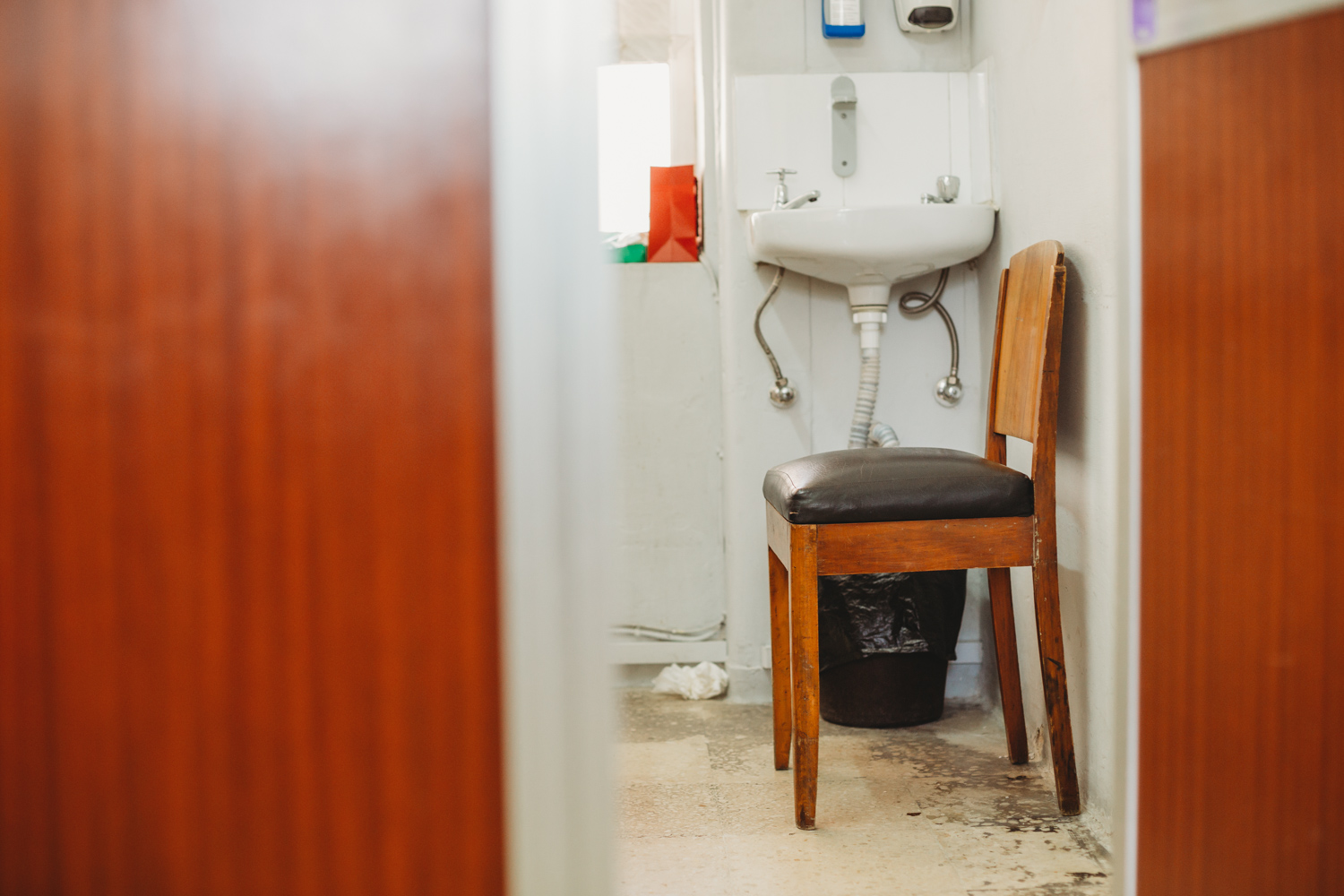
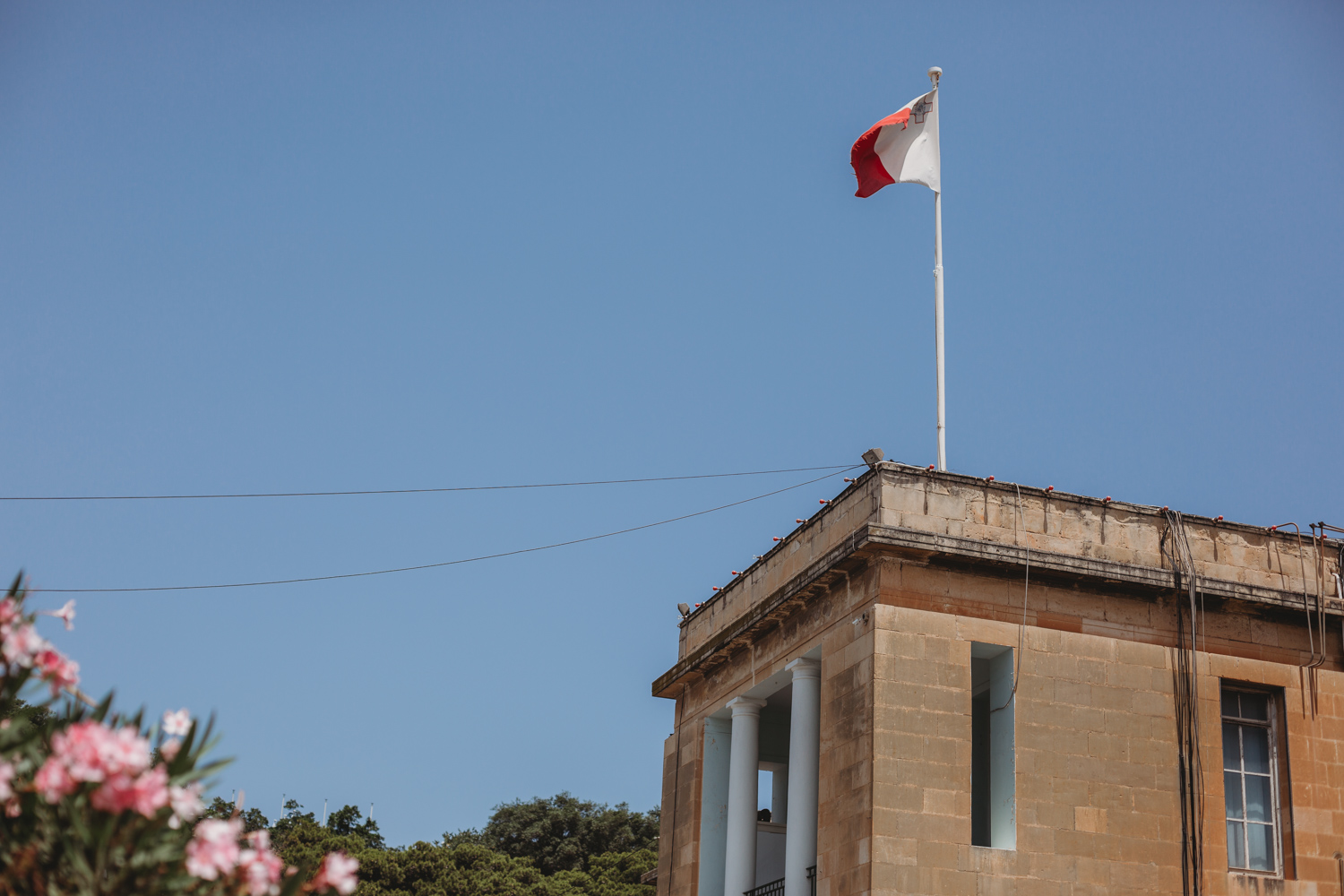
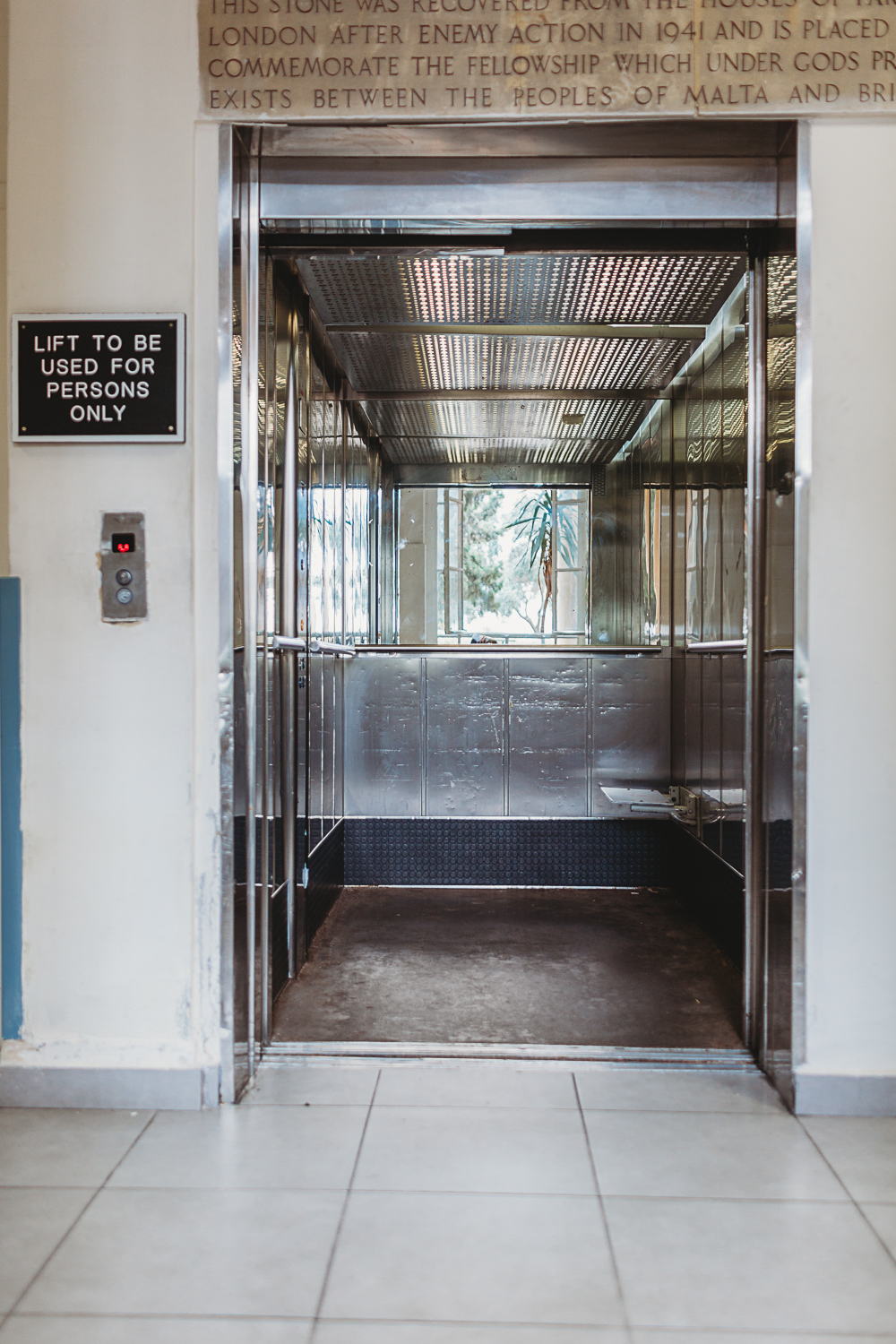
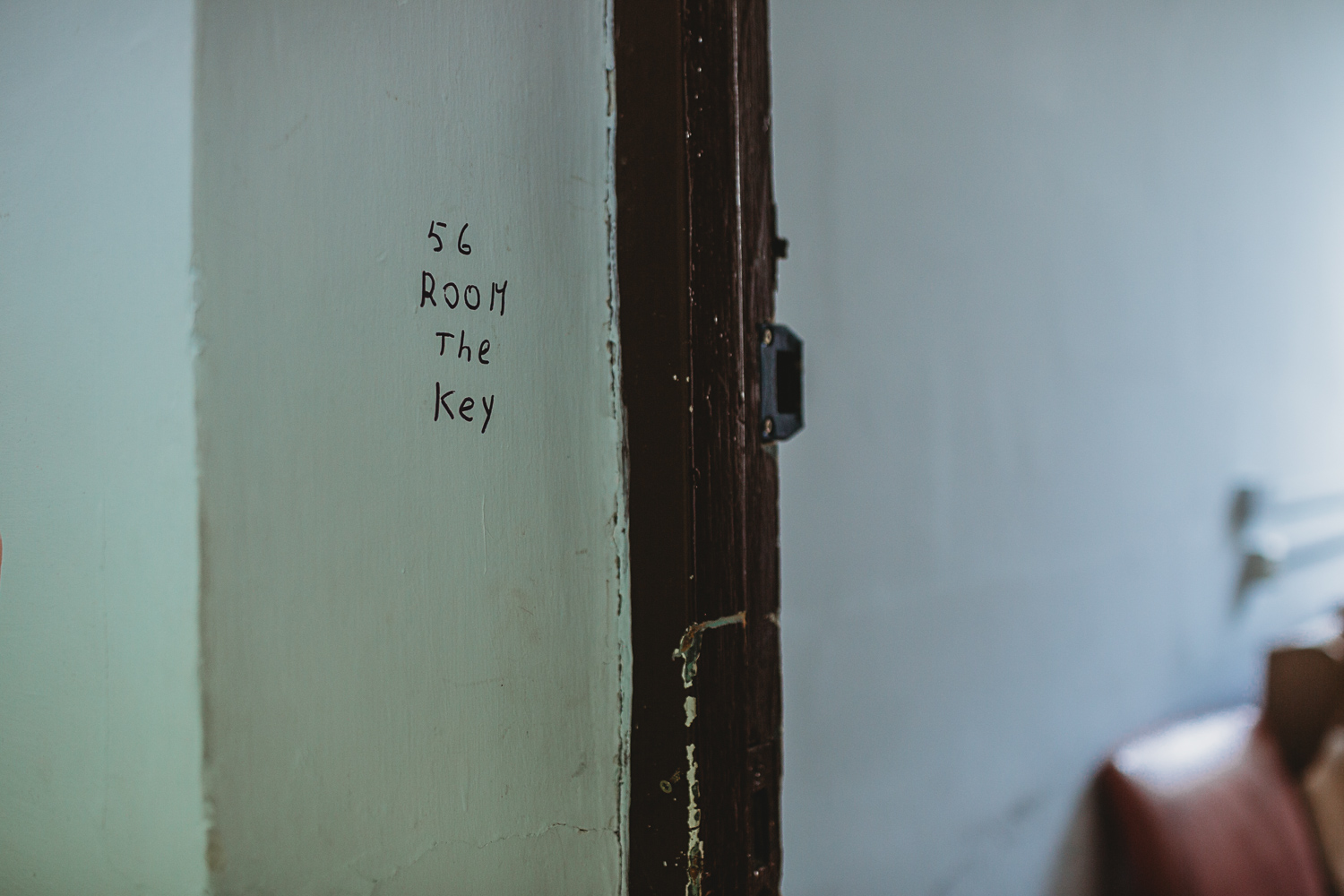
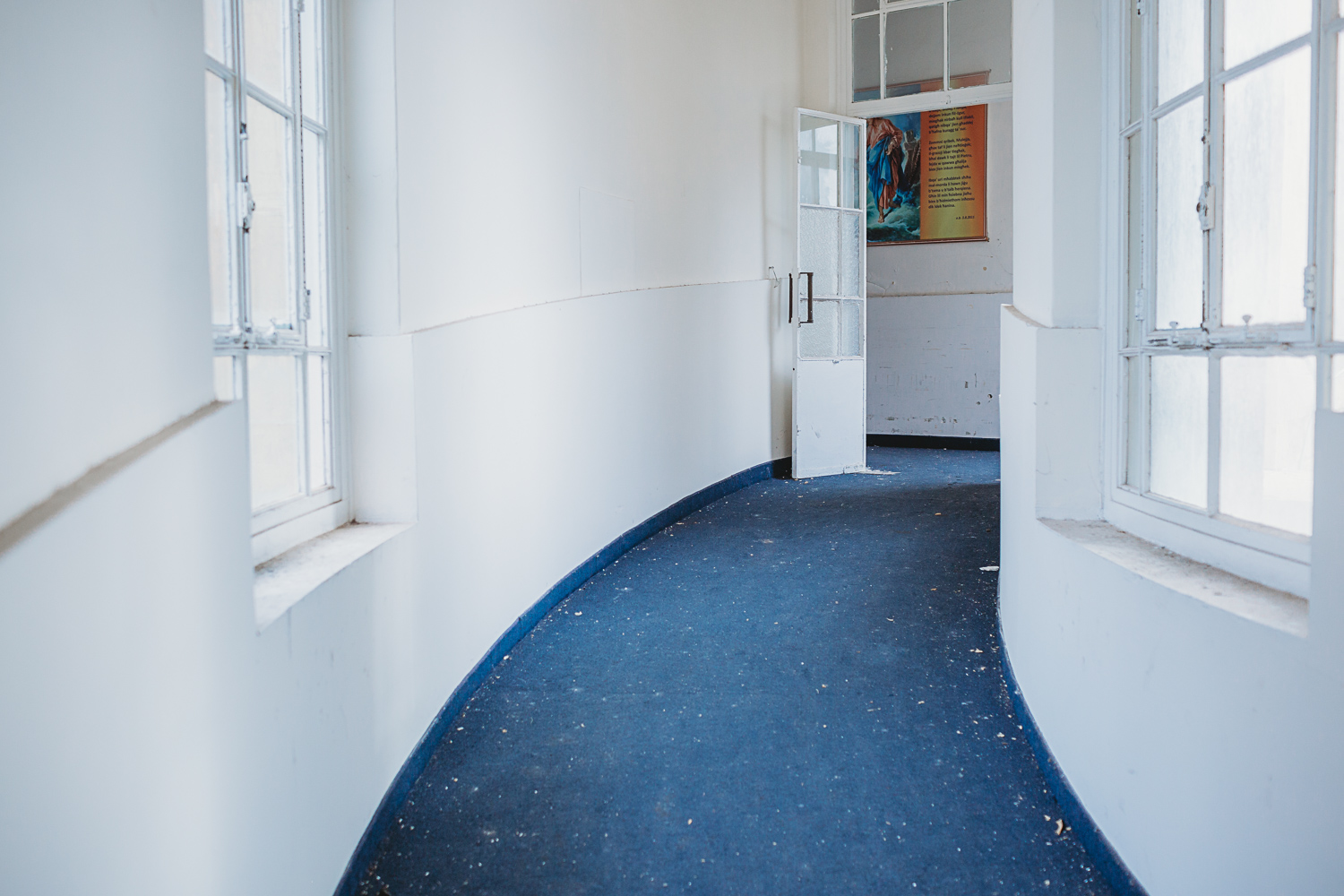
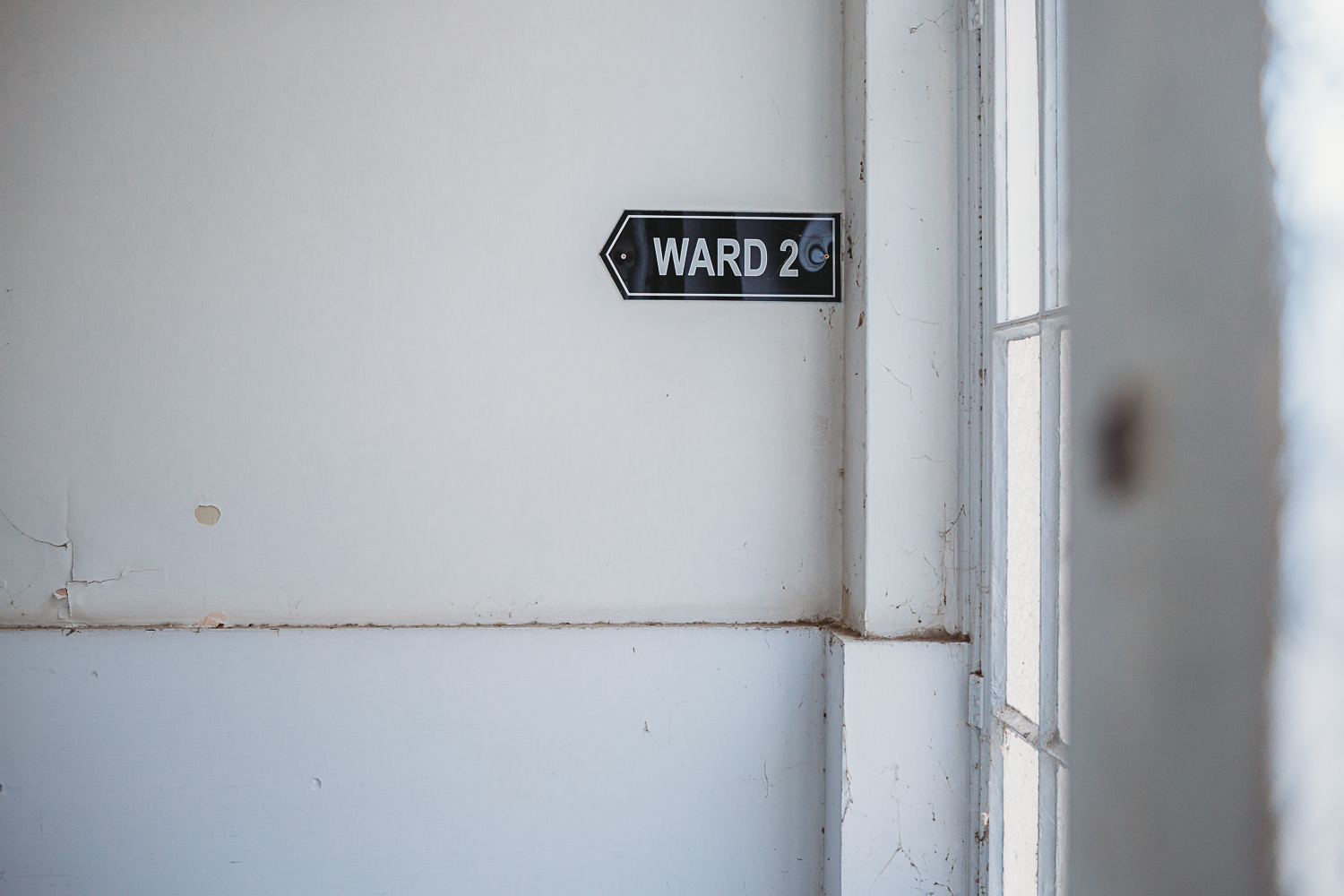
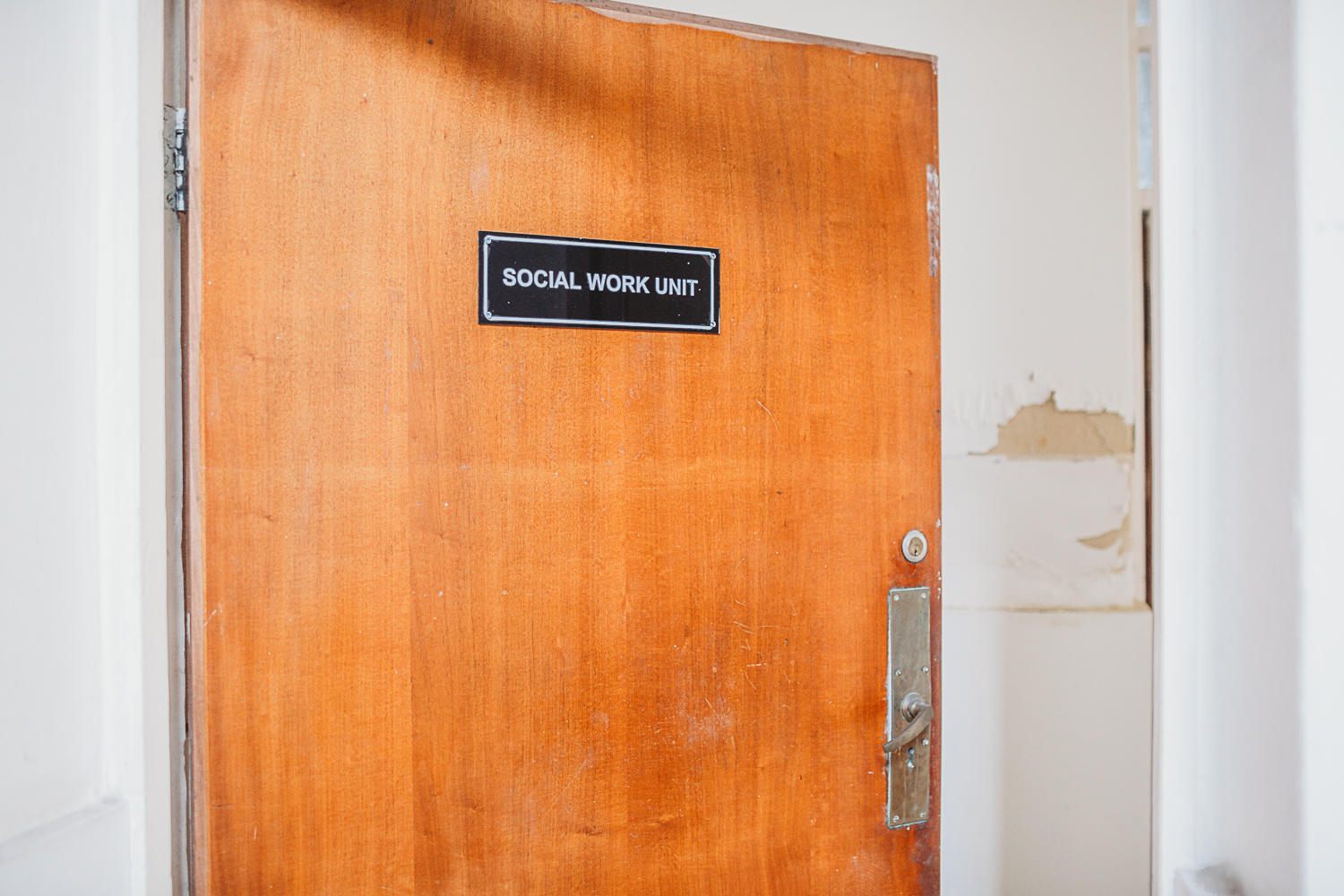
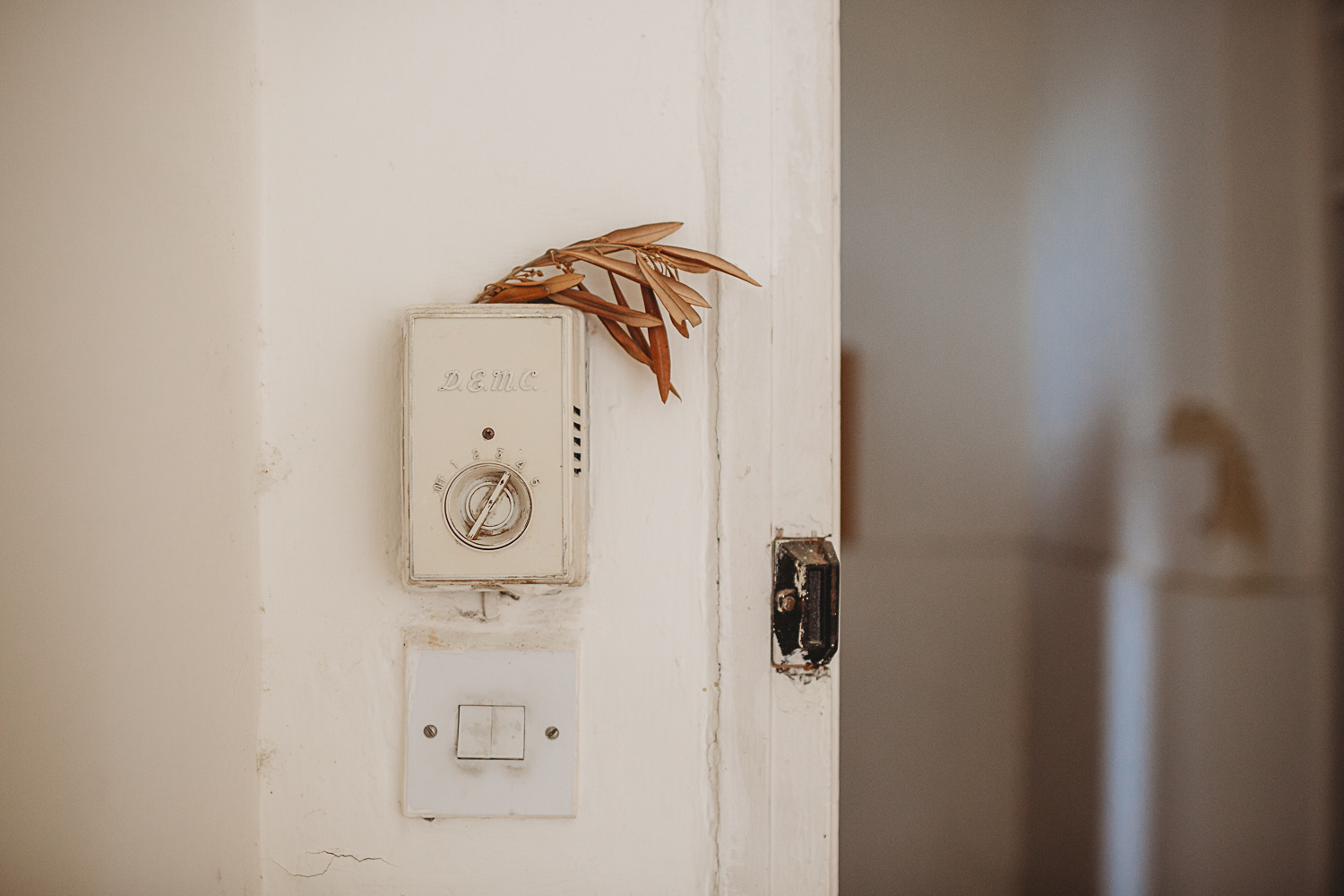
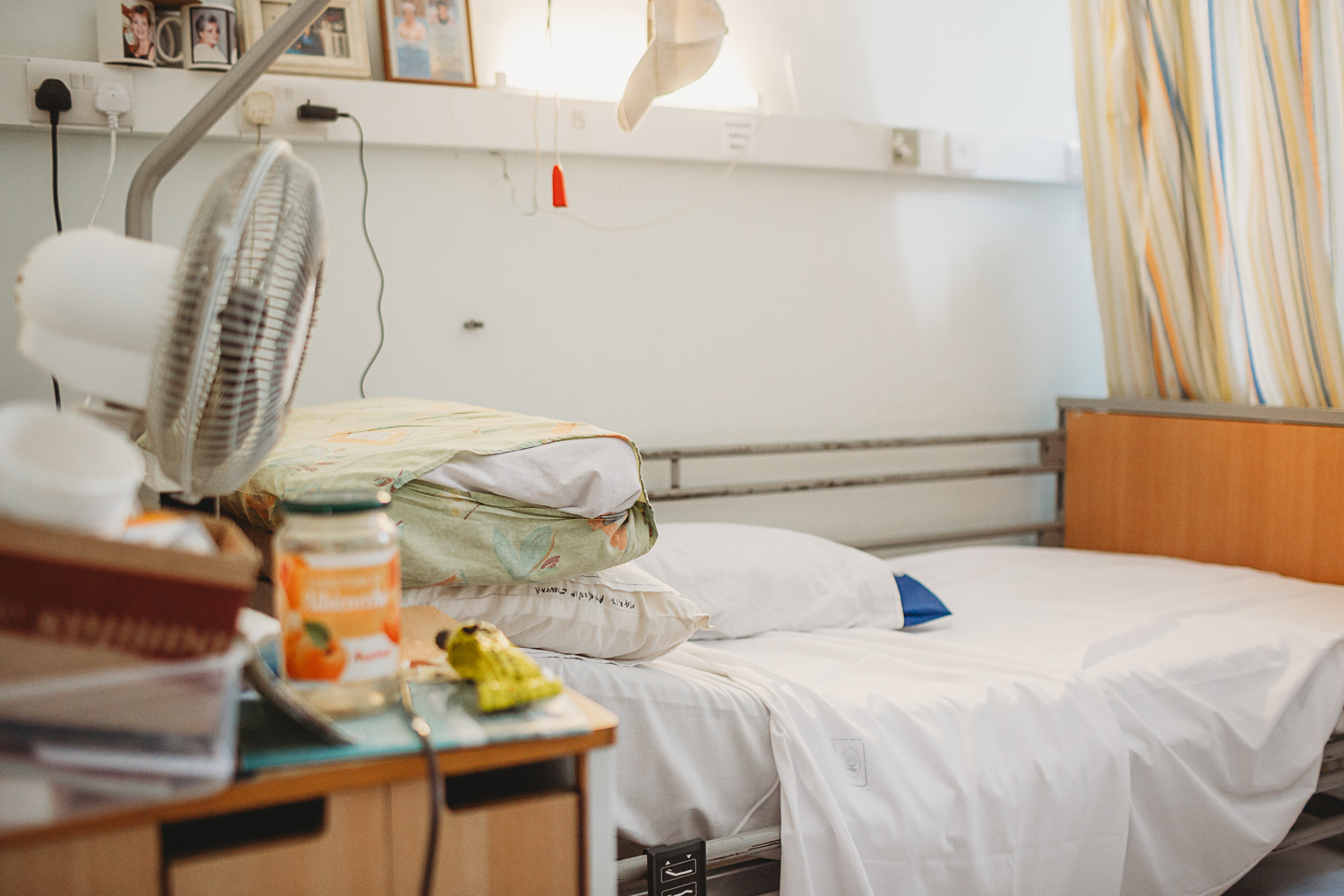
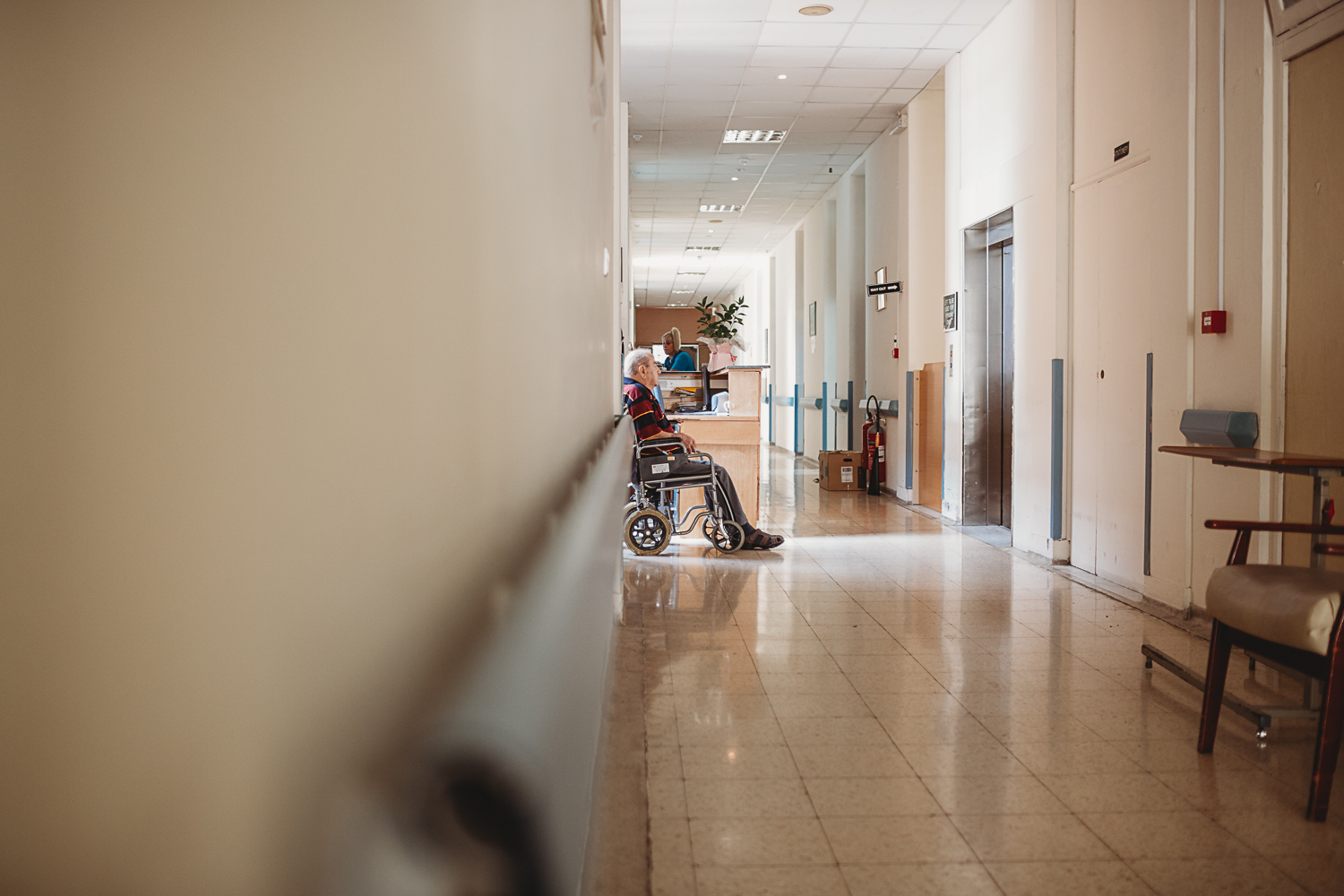
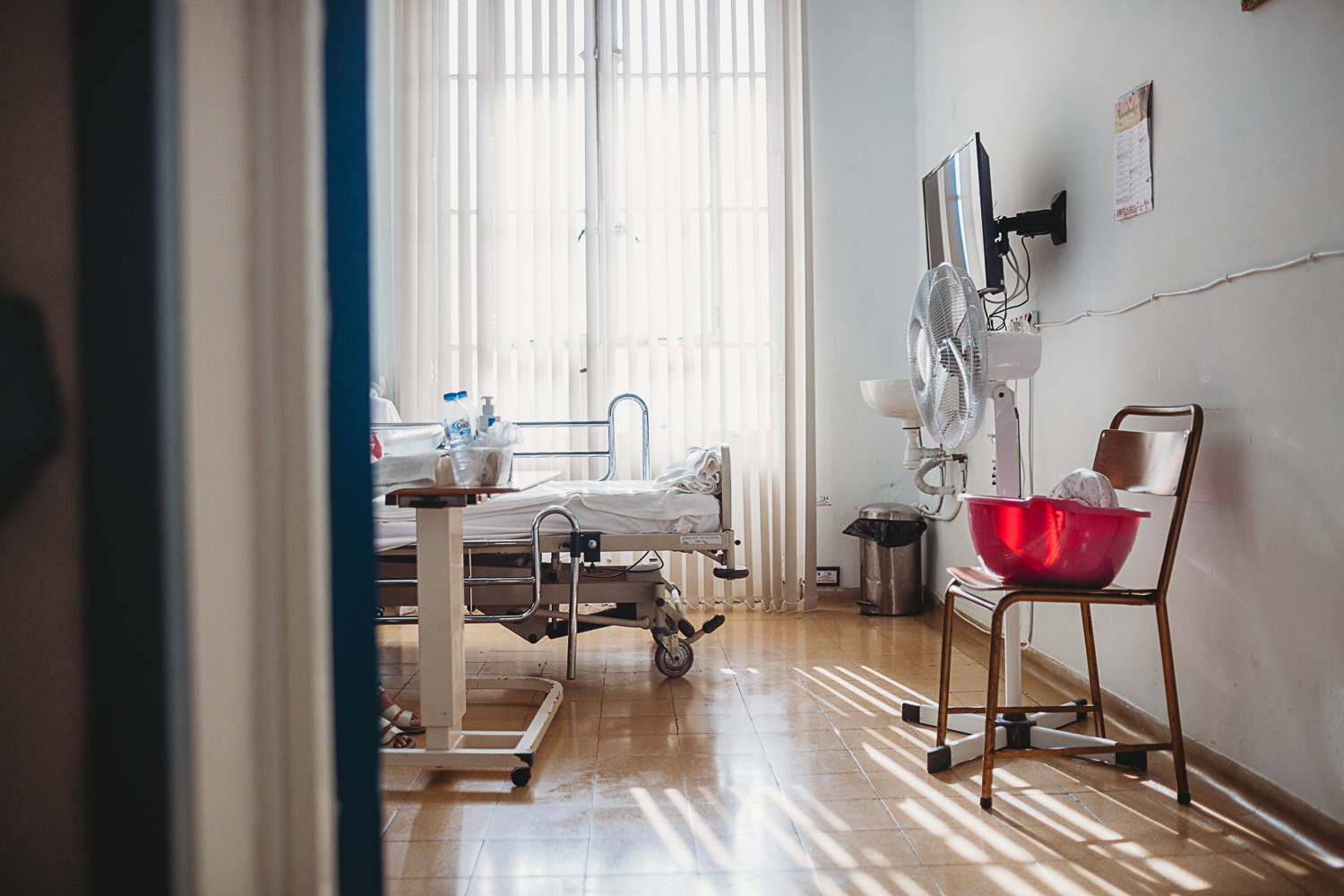
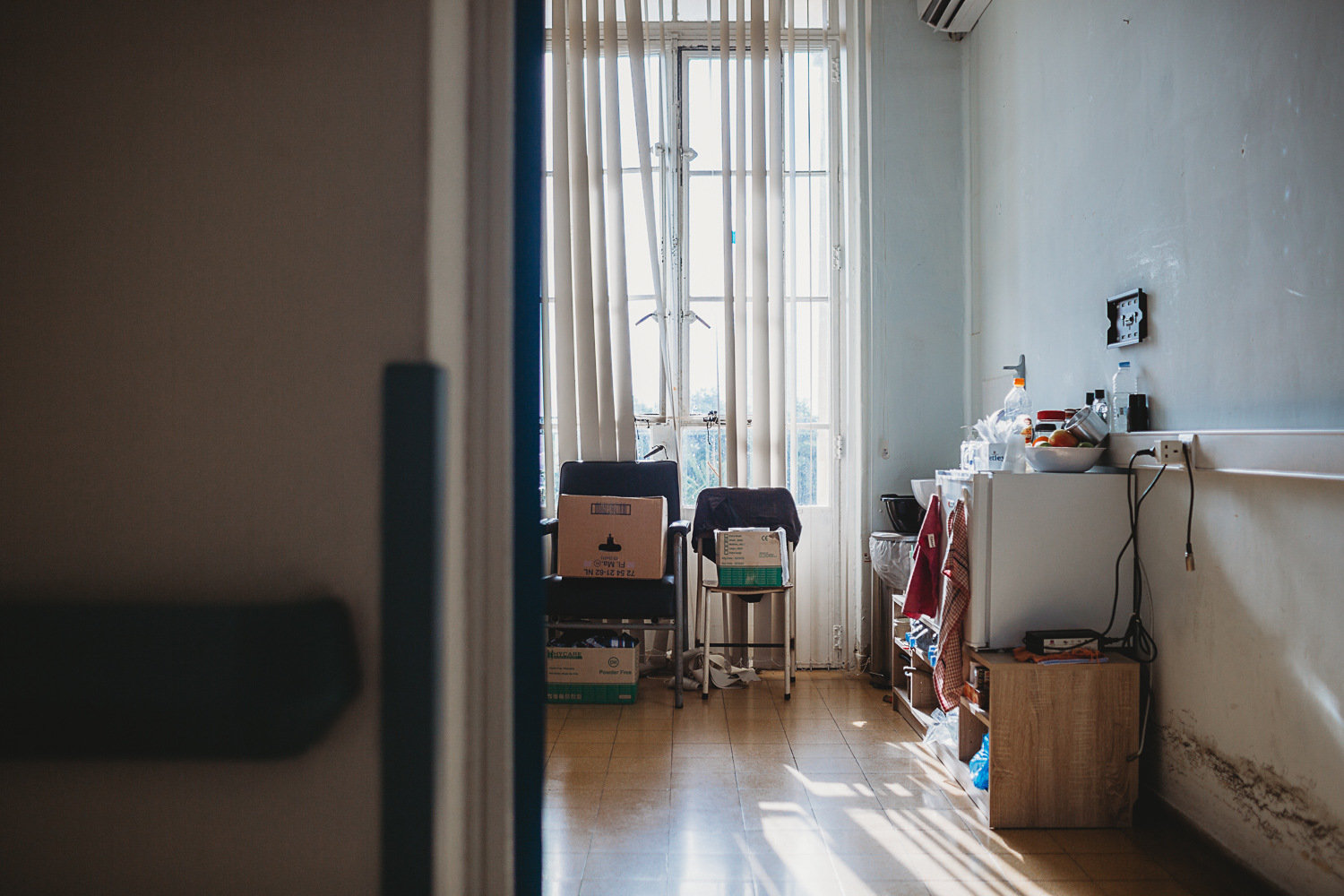
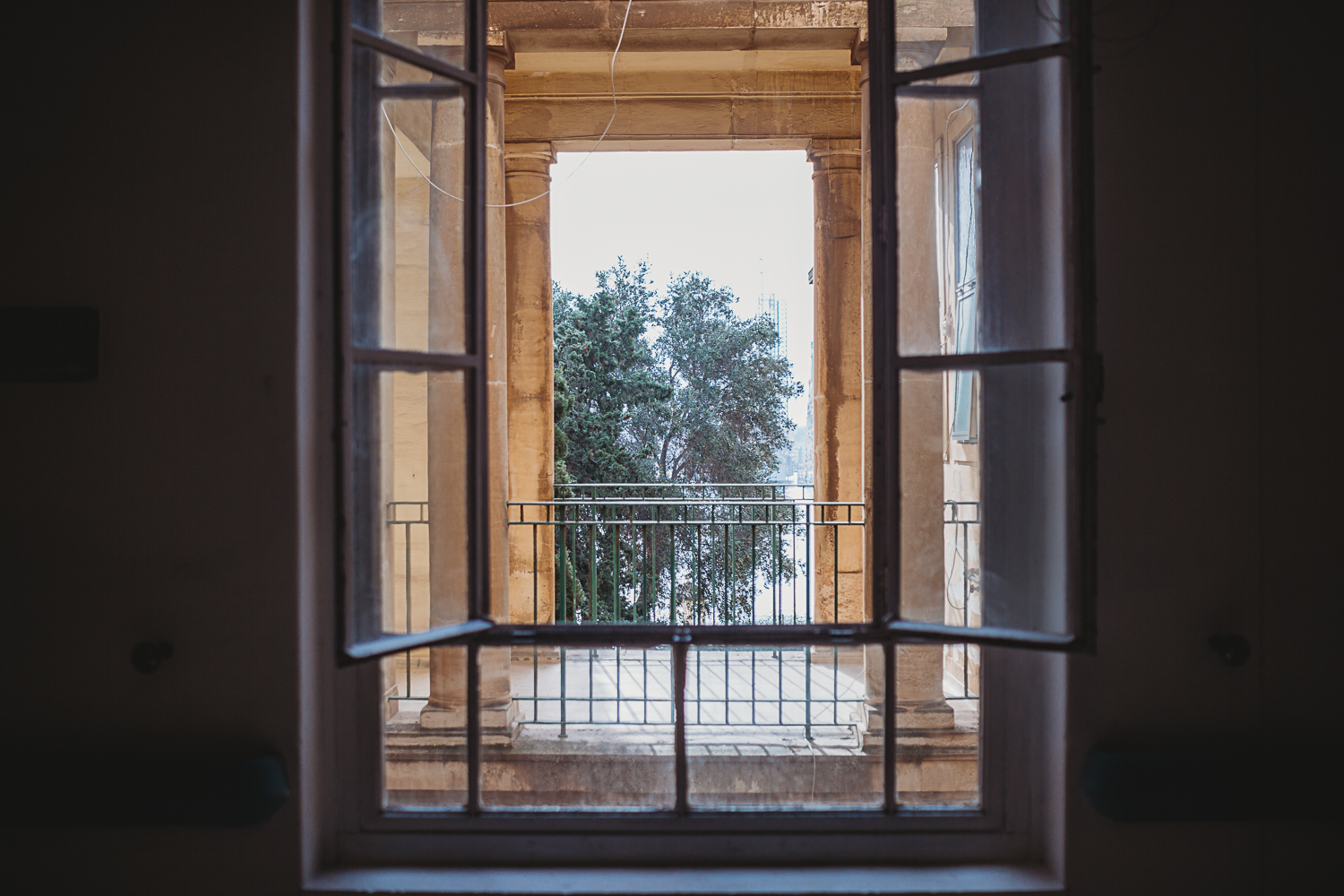
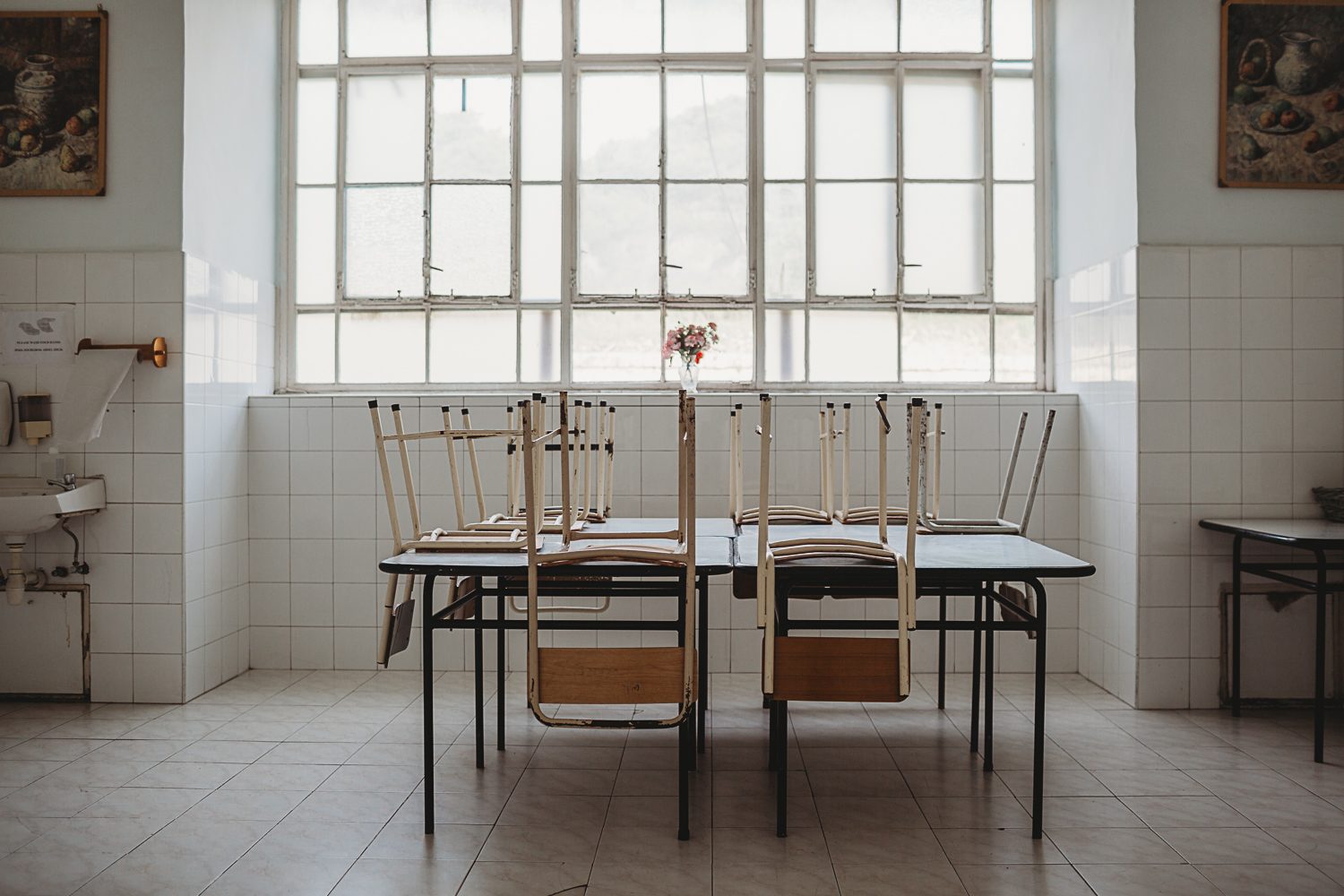
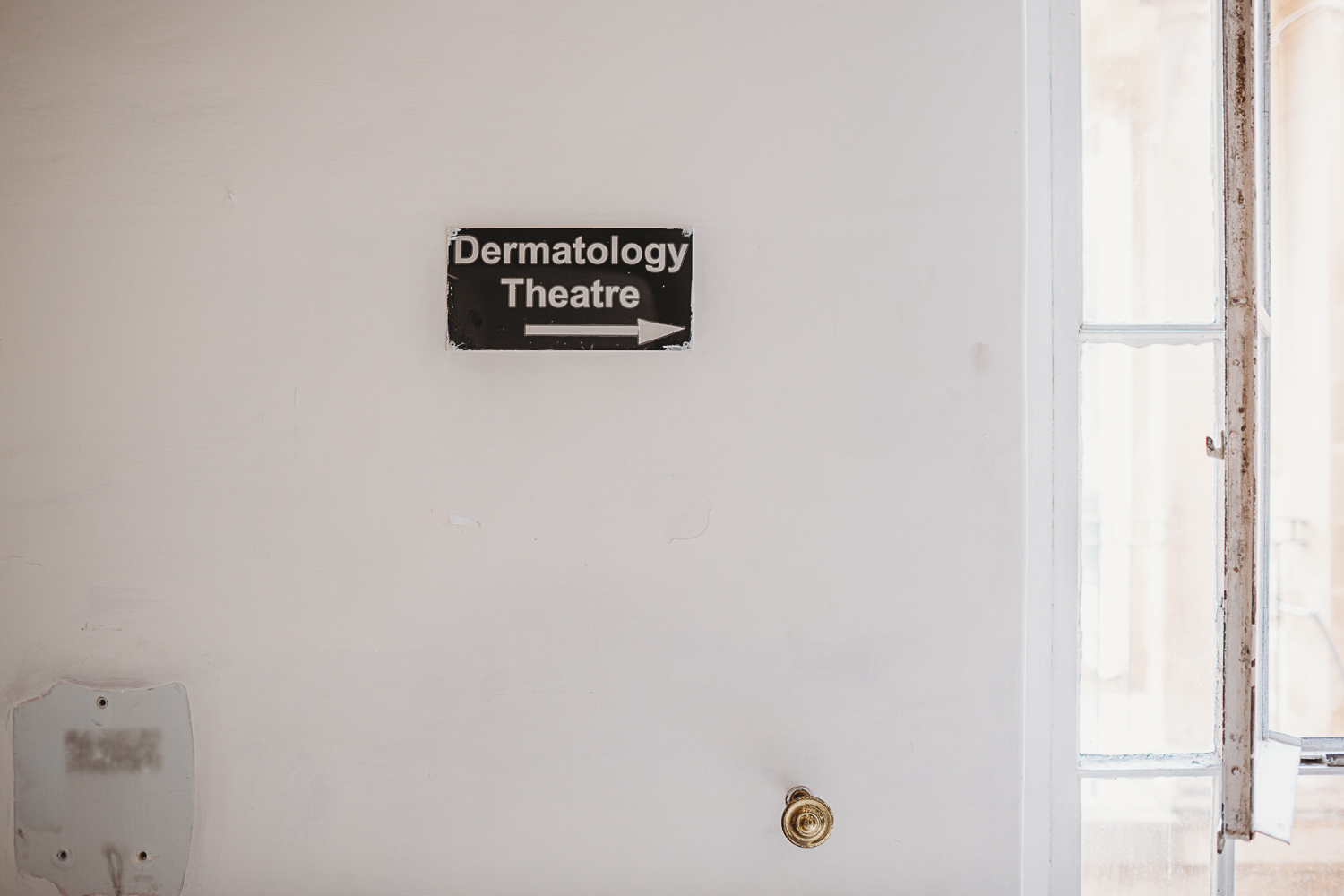
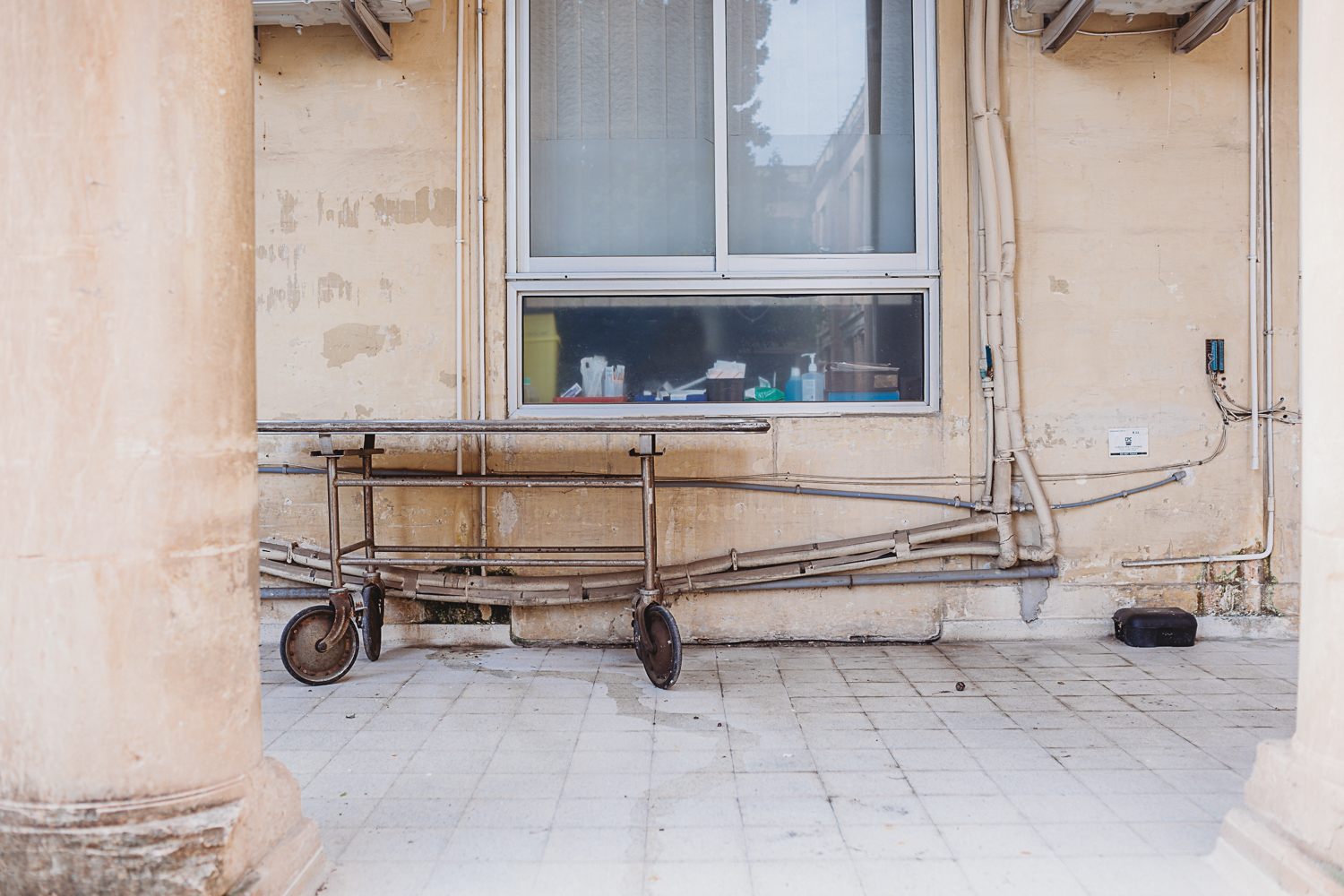
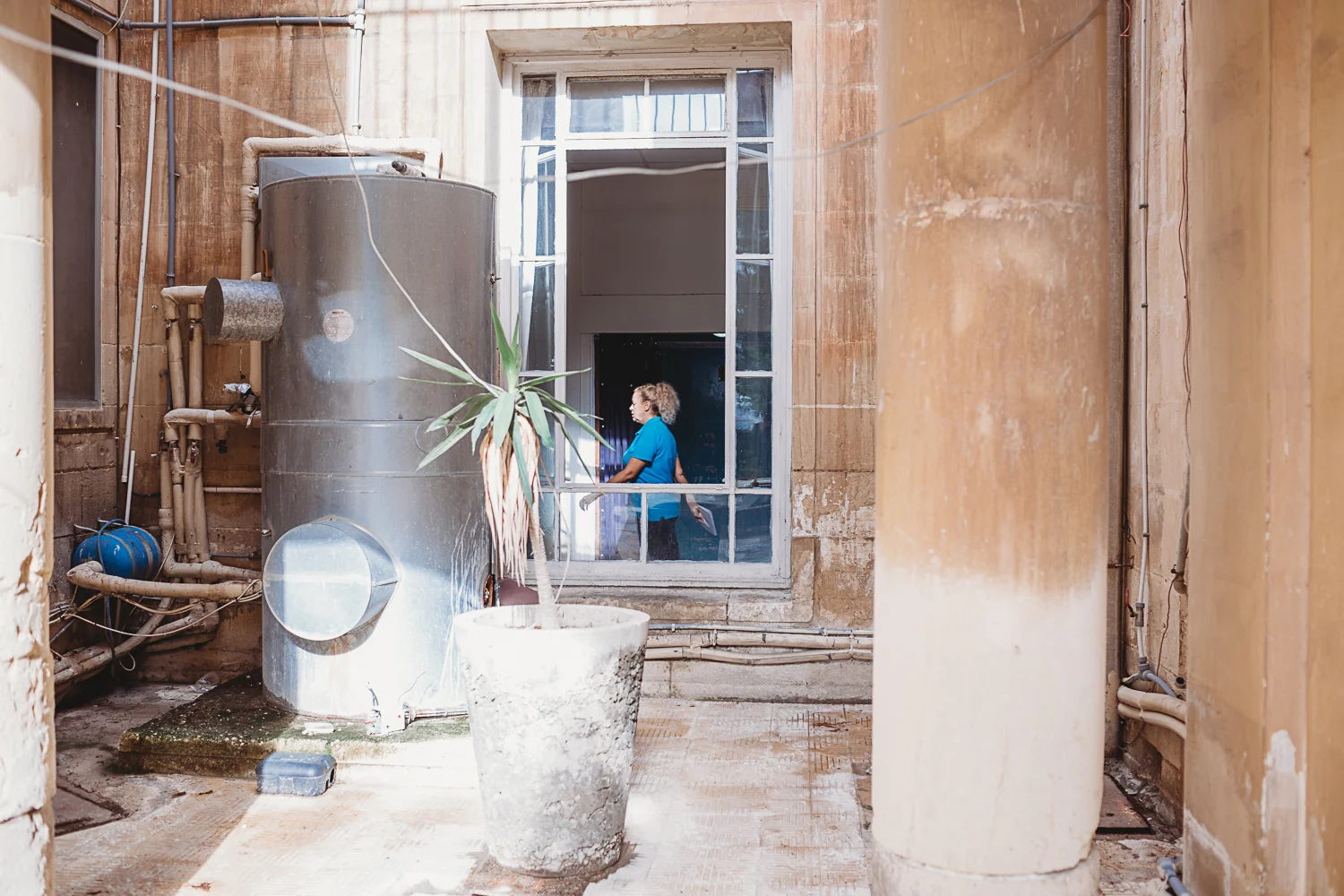
This work engages with a healthcare complex operating in a state of partial use. While sections of the building remain active, other areas appear underutilised or in transition, producing a fragmented spatial condition.
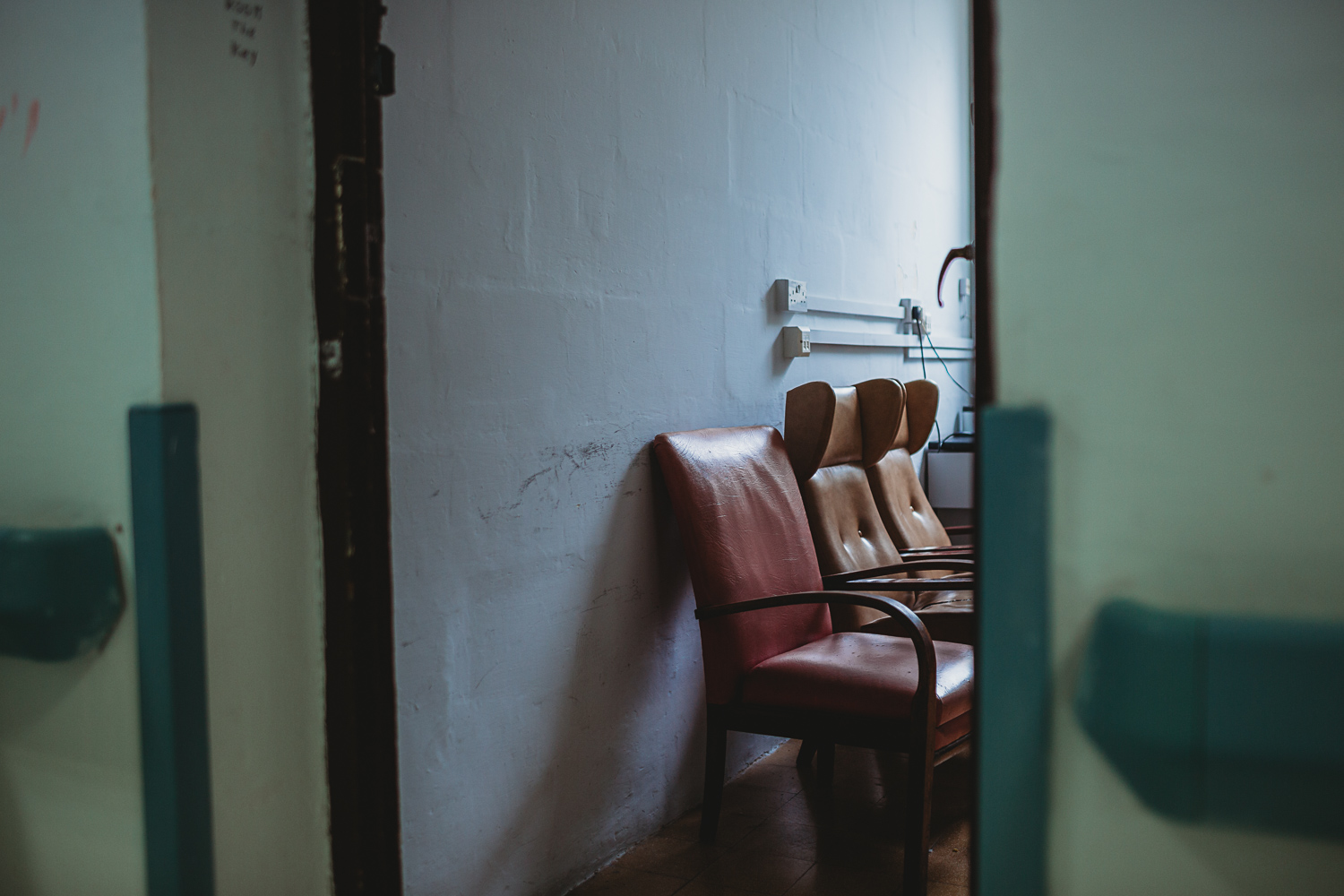
The site does not present as abandoned, yet it is not fully active. Corridors, rooms, and architectural elements exist in varying states of occupation, creating a discontinuity within the institution itself.
This uneven distribution of use produces a subtle tension. Spaces designed for care and activity coexist with areas that remain quiet, suspended, or awaiting redefinition.
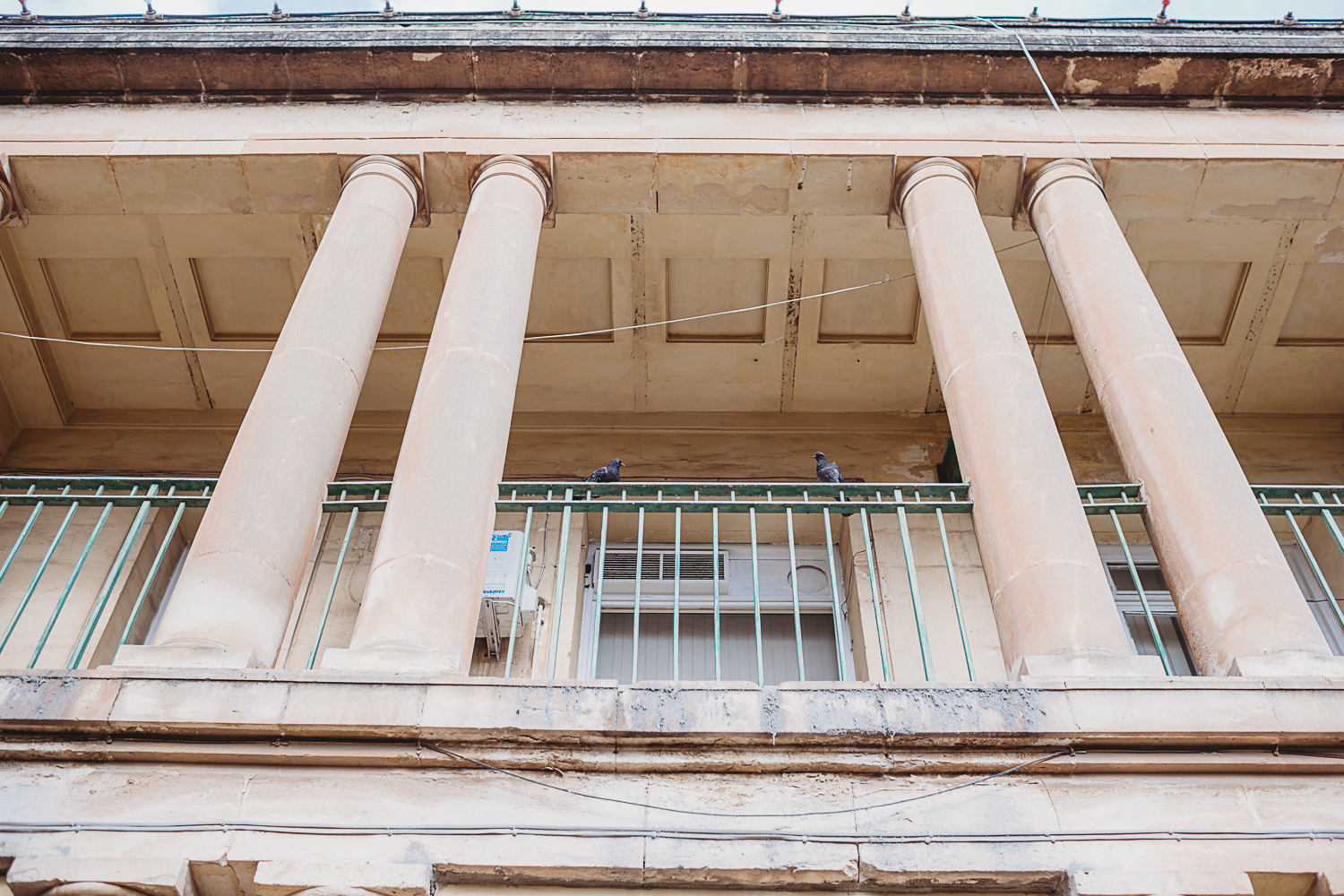
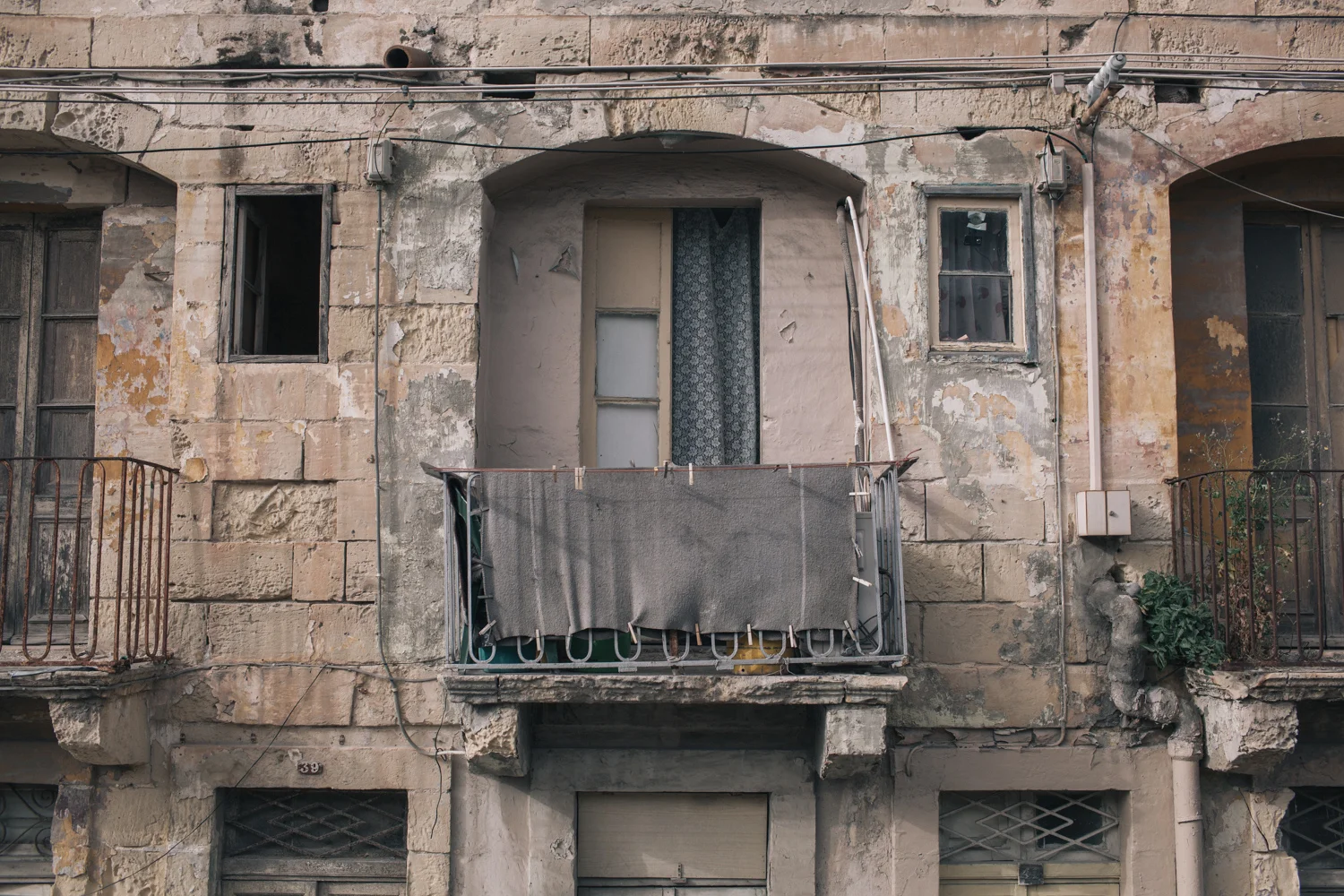
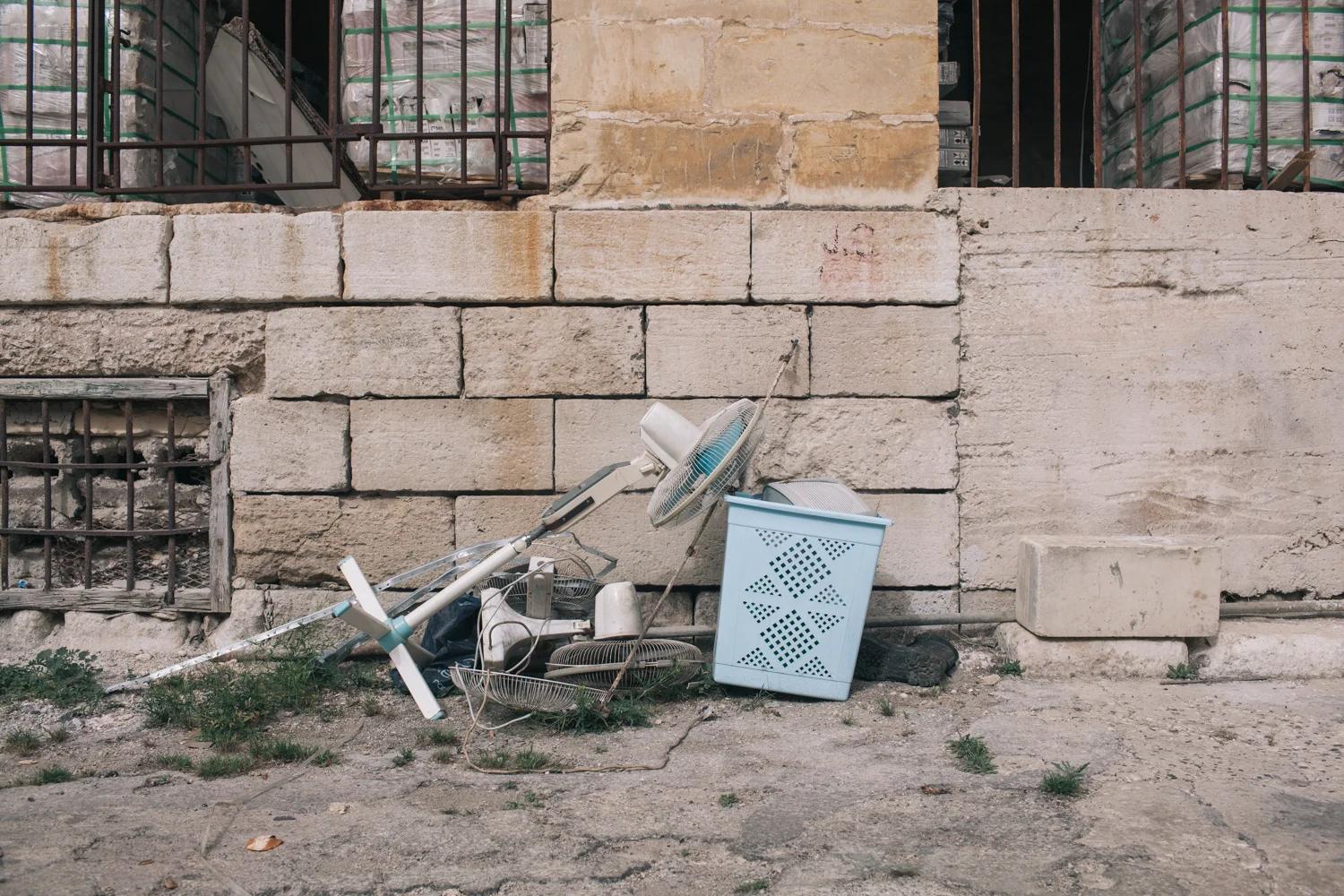
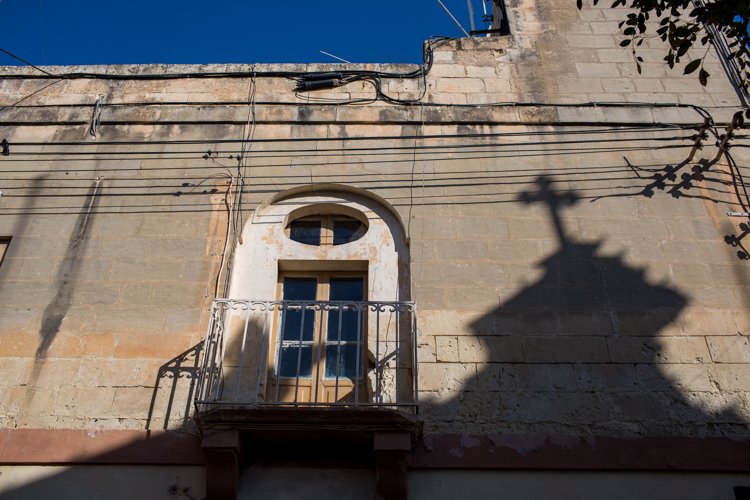
Located within Malta’s harbour zone, Marsa presents a spatial condition where change appears uneven. While surrounding areas have undergone significant transformation, certain pockets remain materially and visually consistent over extended periods of time.
This work engages with that persistence. Architectural elements such as balconies, façades, and surface details, remain largely unchanged, producing a sense of temporal stagnation. The space does not present itself as abandoned, yet it does not fully participate in contemporary cycles of redevelopment.
Within this condition, traces of former activity linger. What was once part of a functioning harbour infrastructure now operates at a reduced intensity, leaving behind fragments of use without clear continuation.
Rather than framing the area through decline or nostalgia, the images hold a space where time appears to accumulate without resolution; where the present does not fully displace what came before.
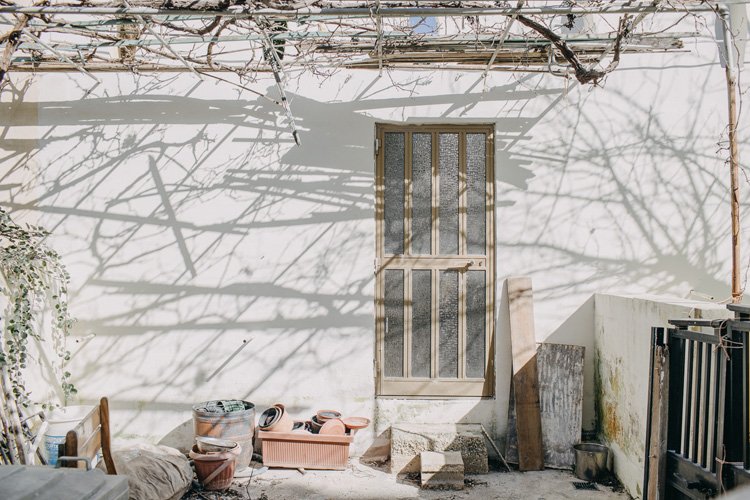
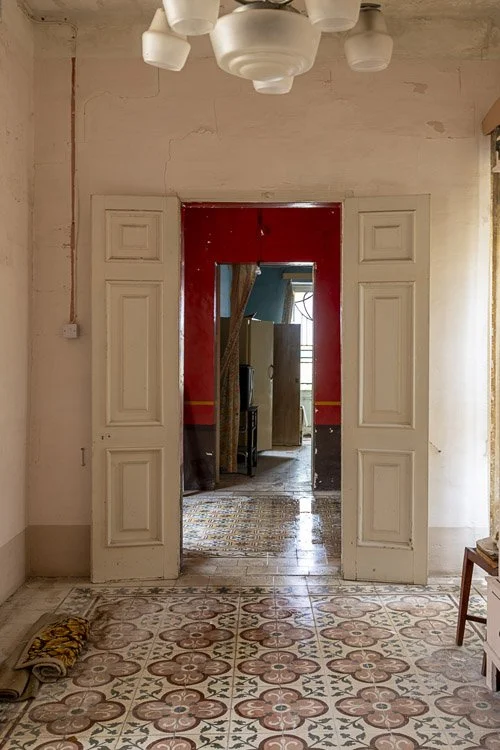
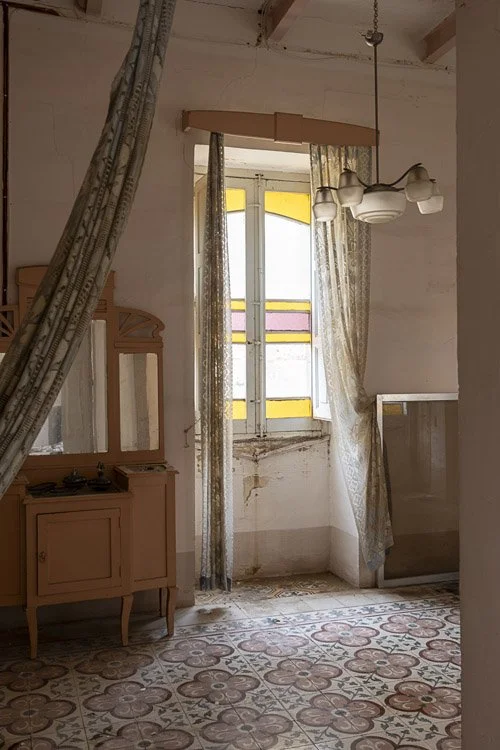
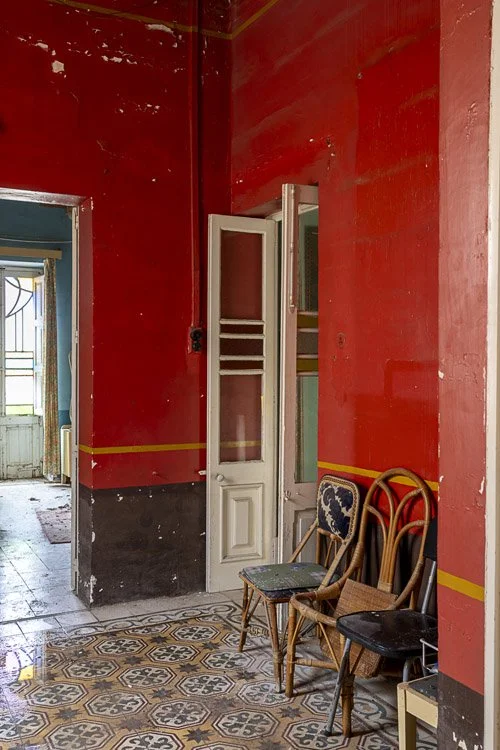
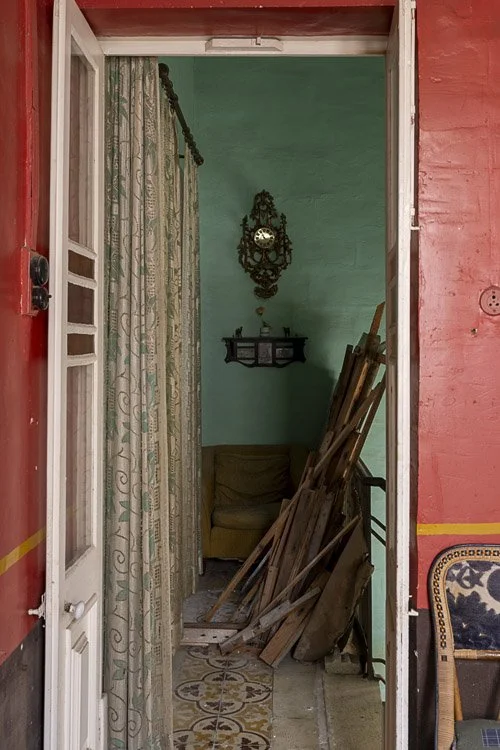
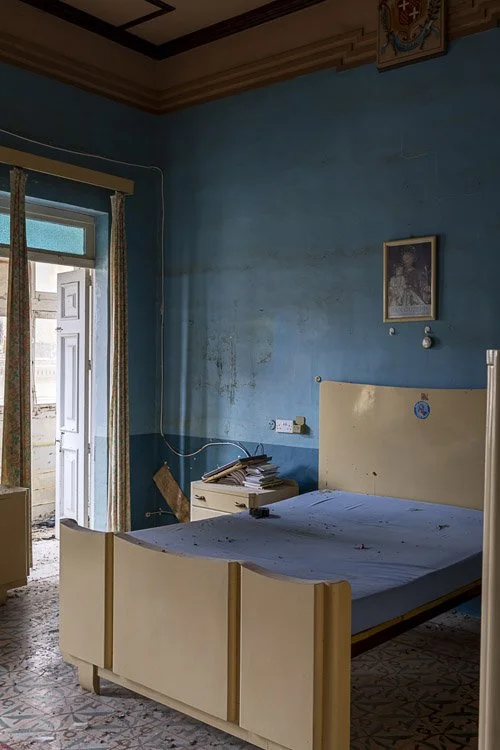
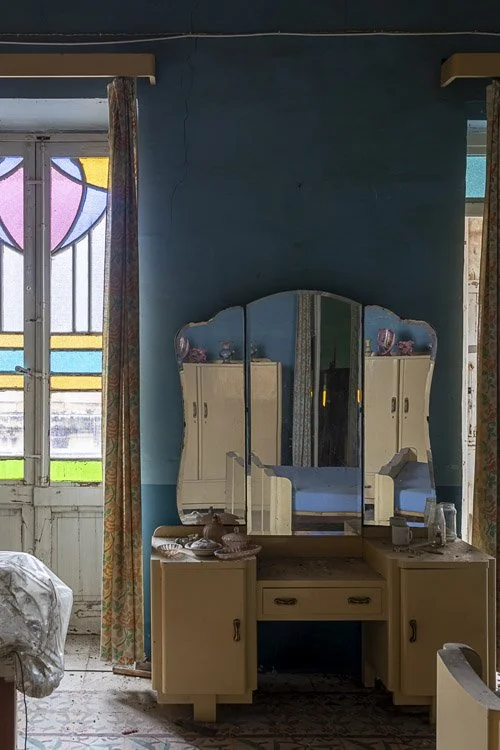
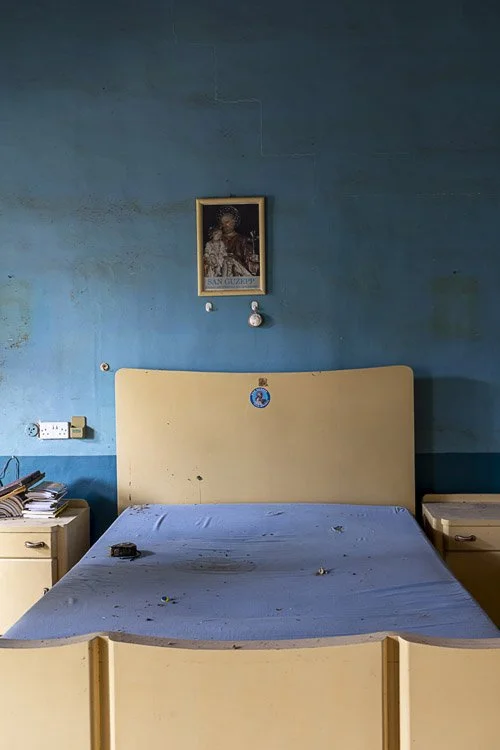
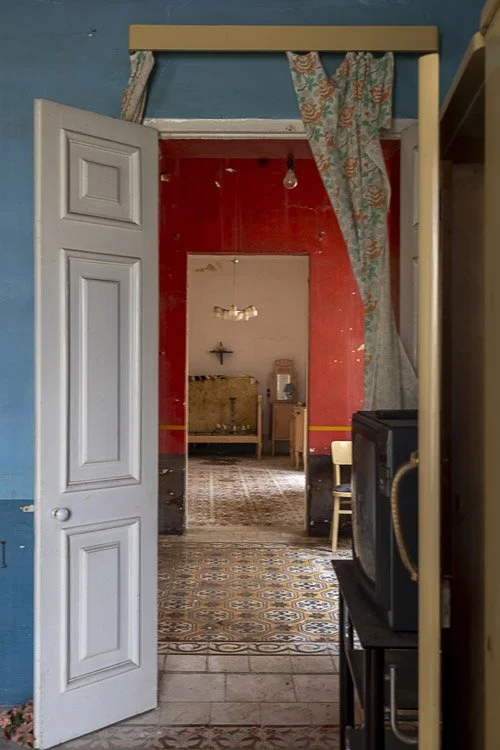
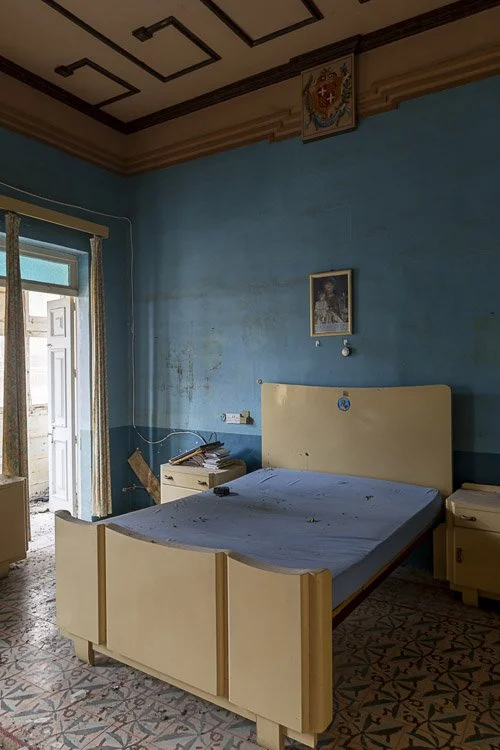
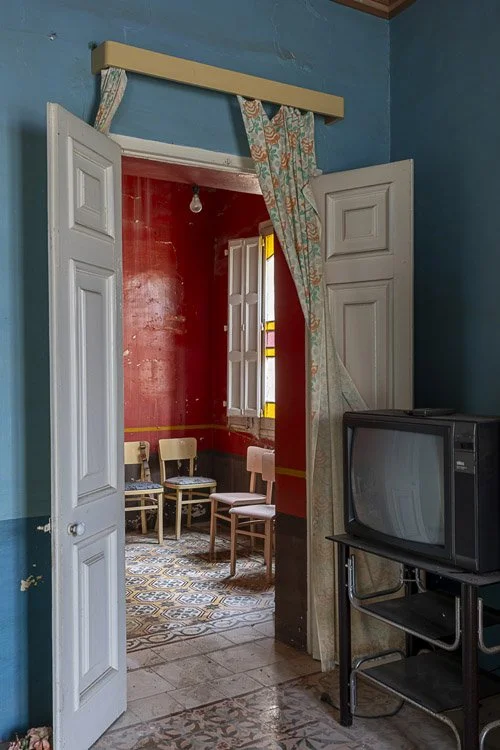
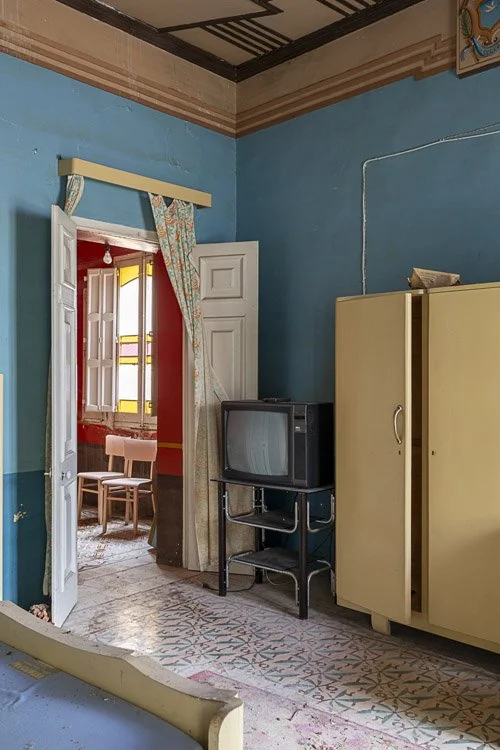
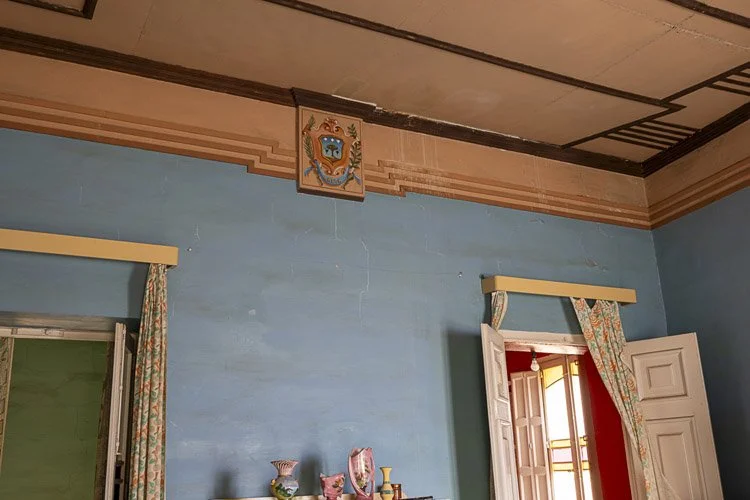
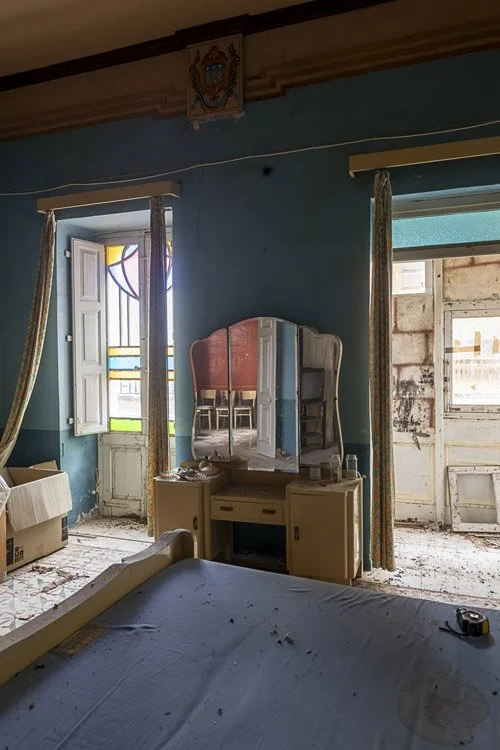
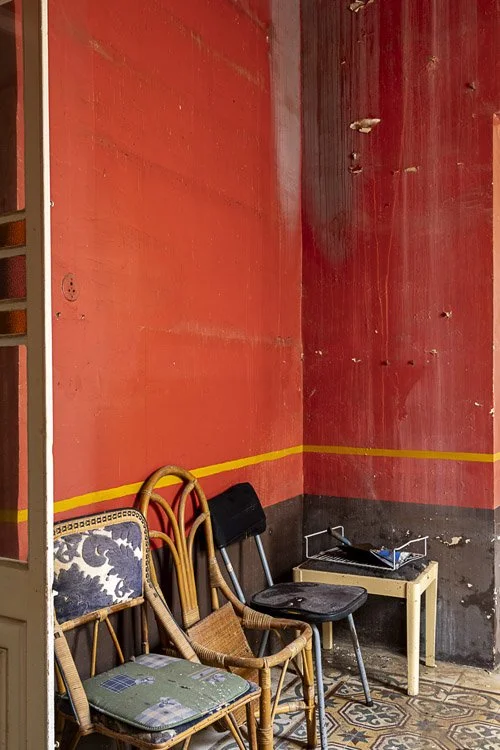
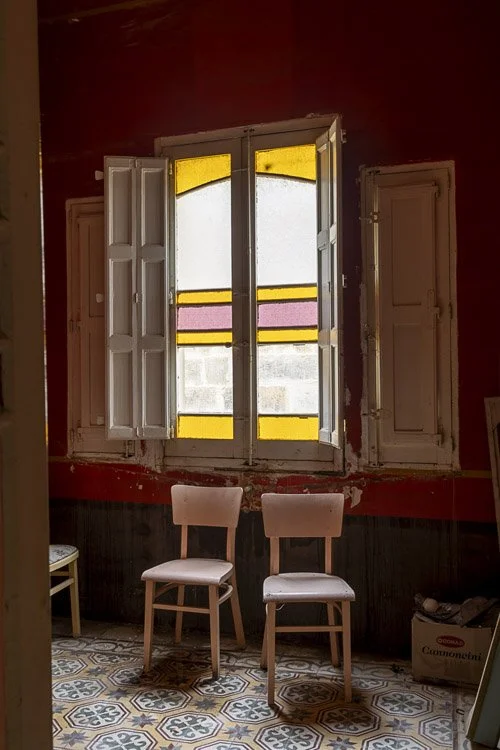
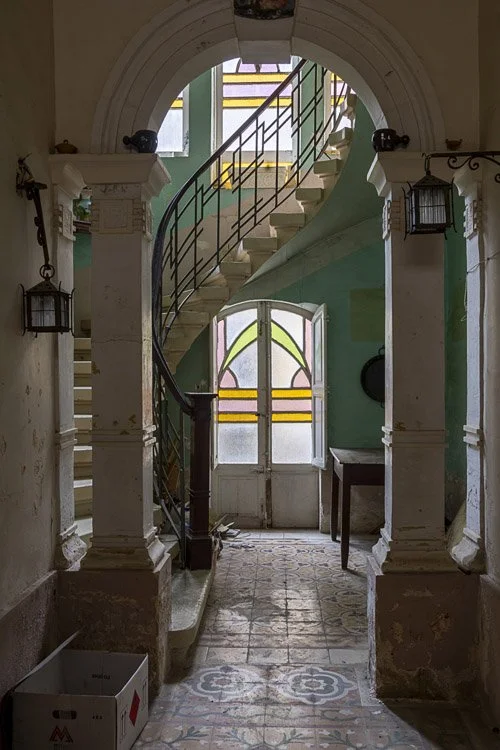
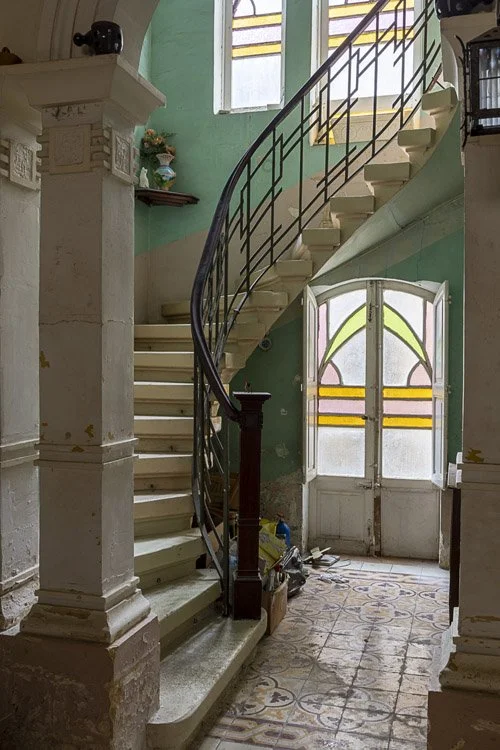
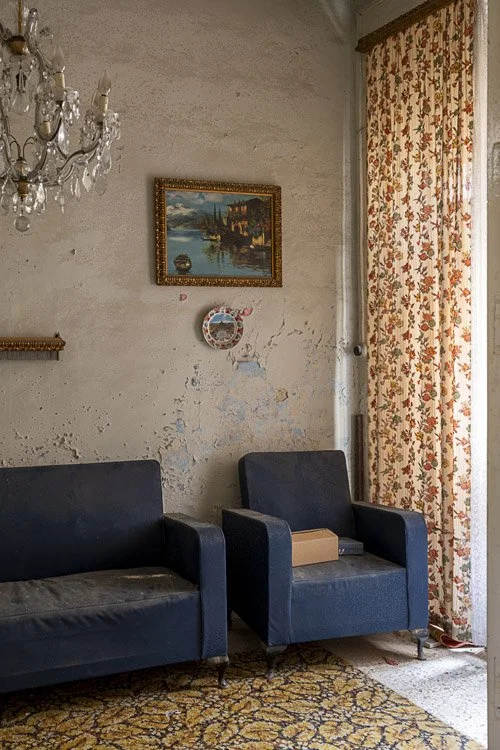
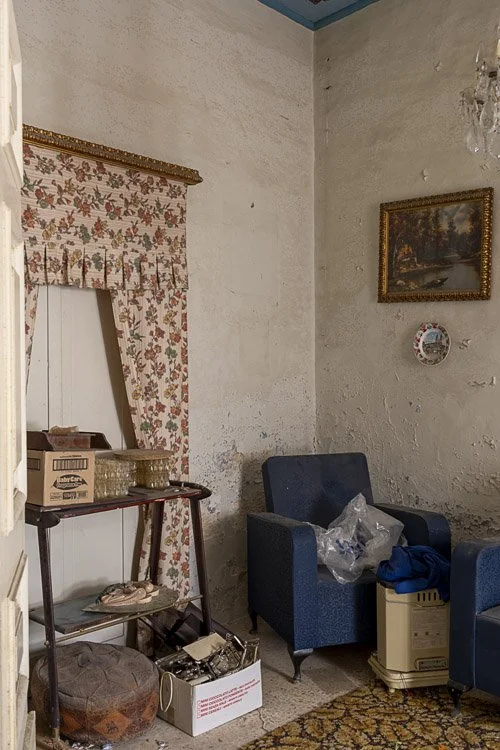
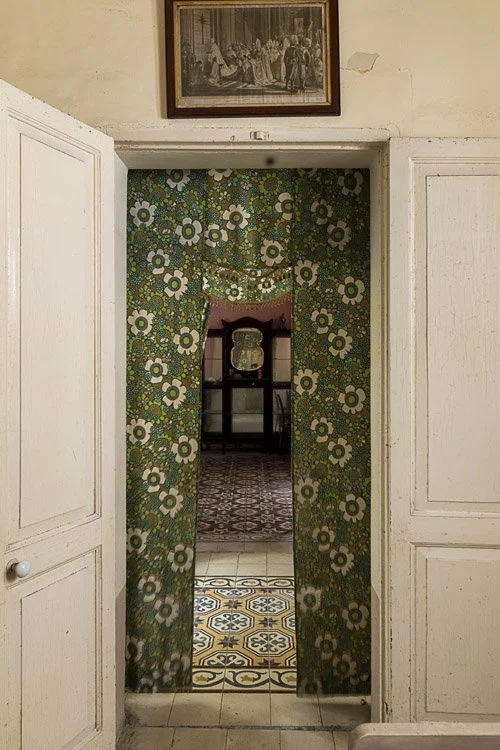
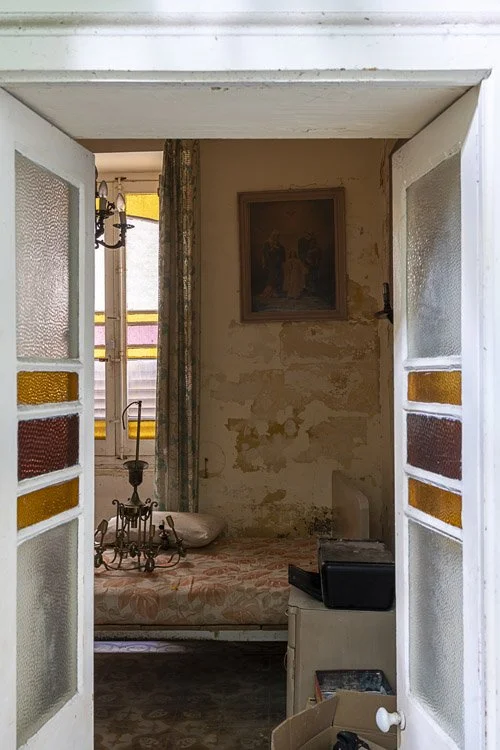
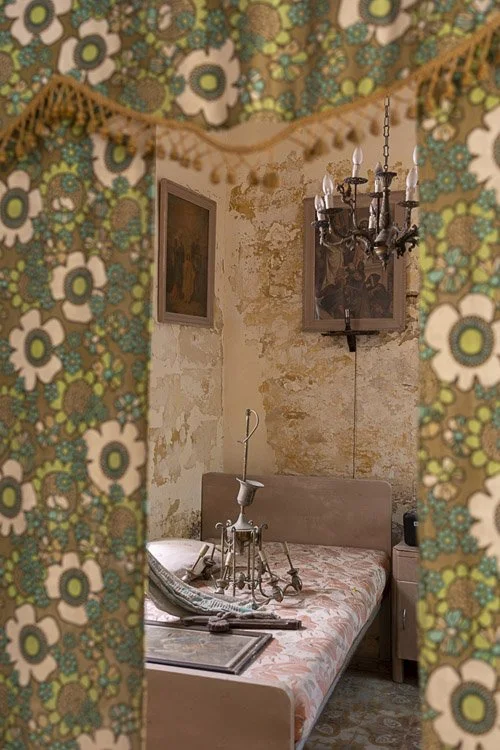
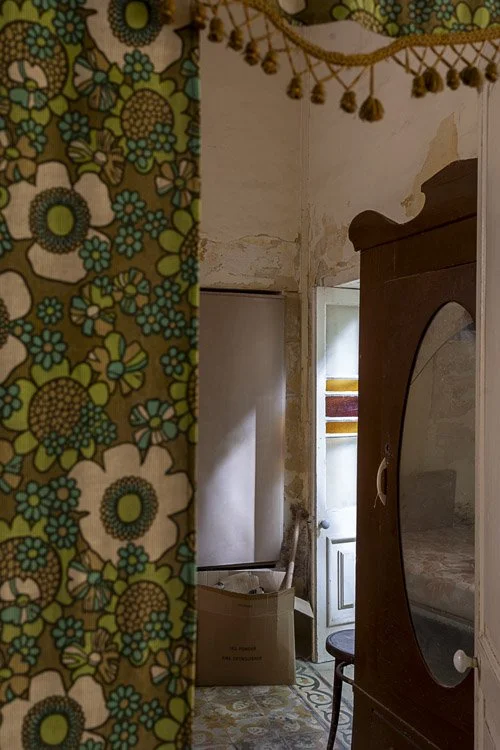
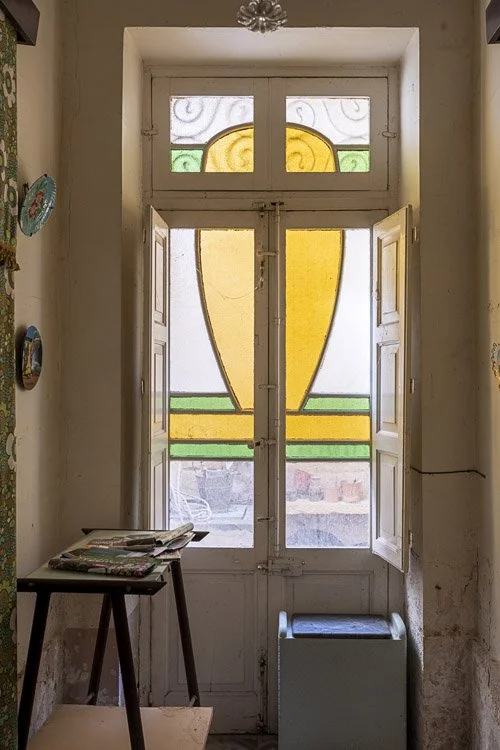
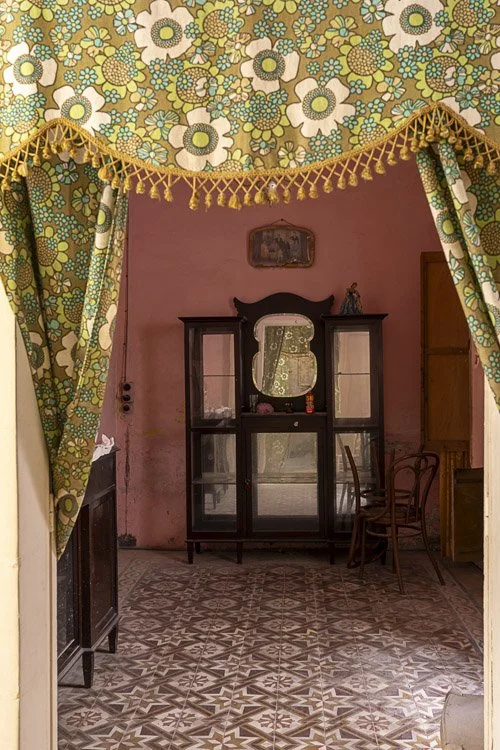
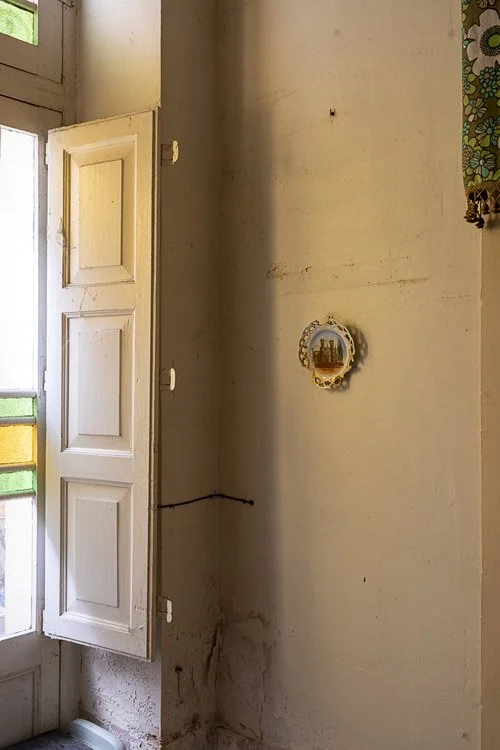
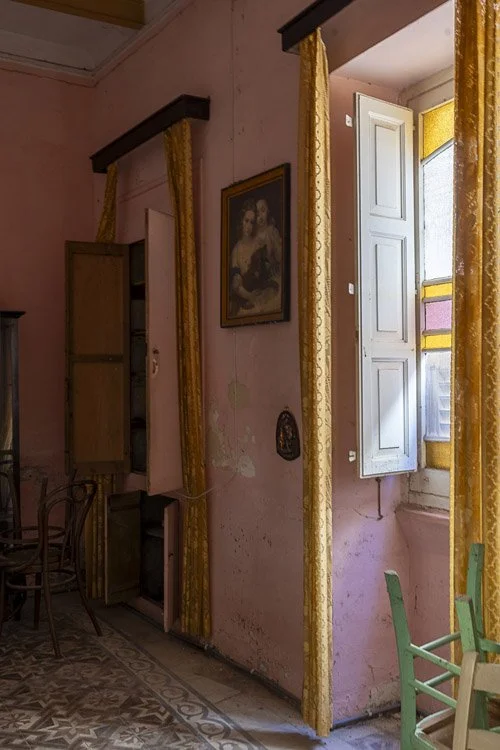
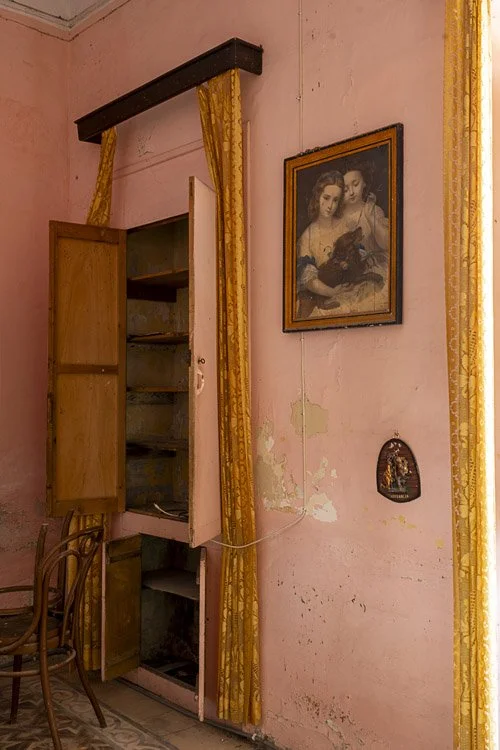
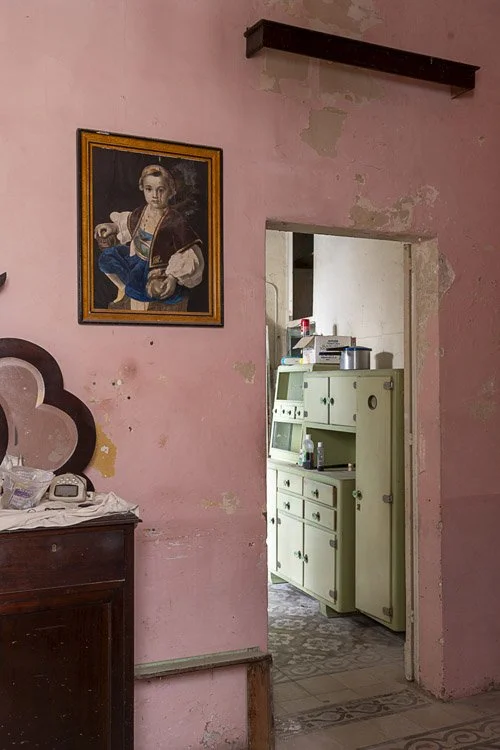
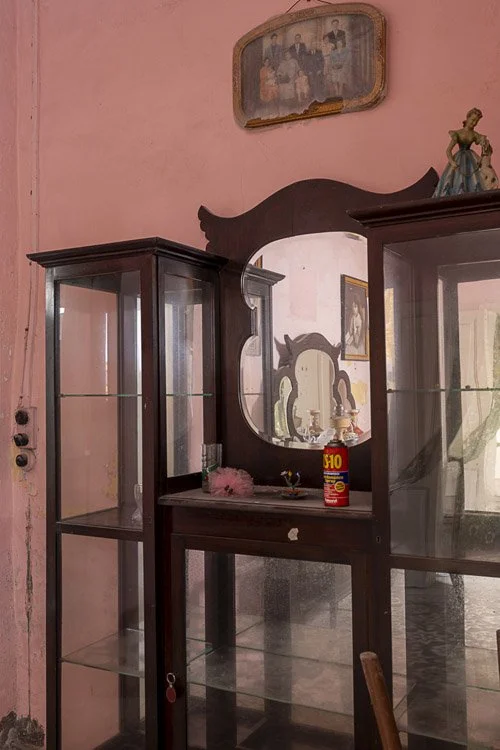
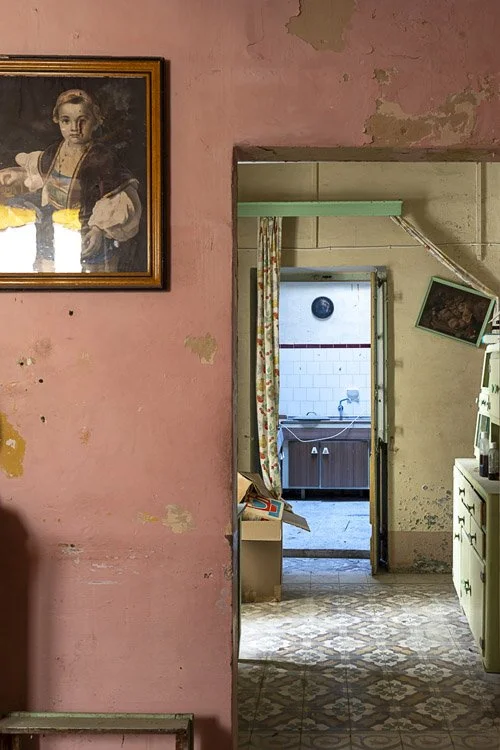
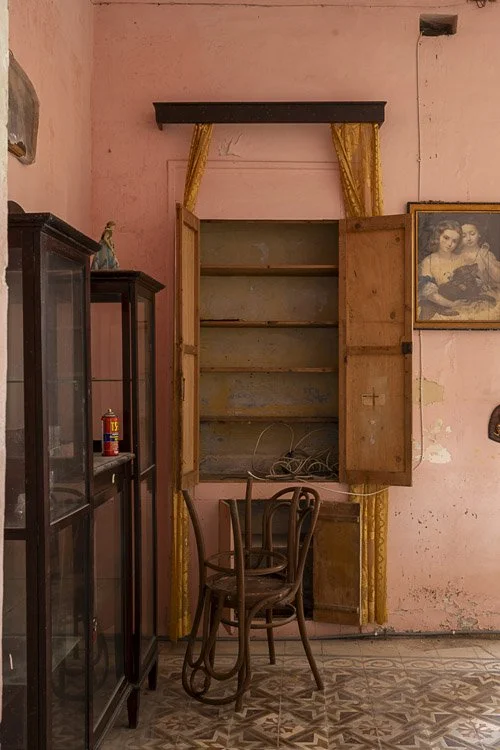
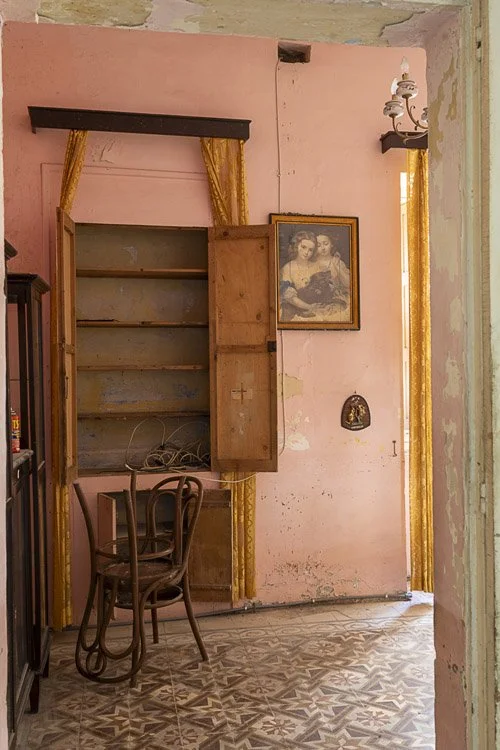
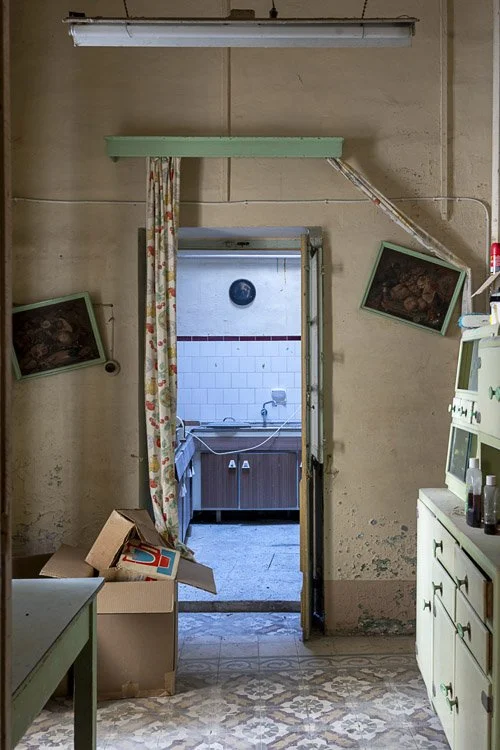
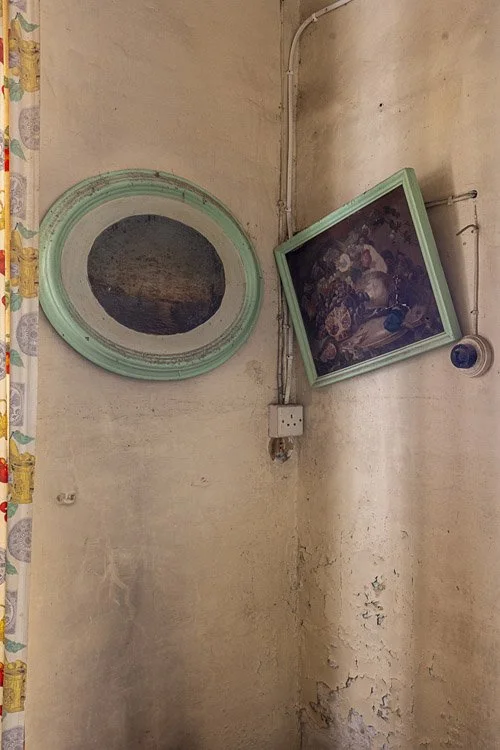
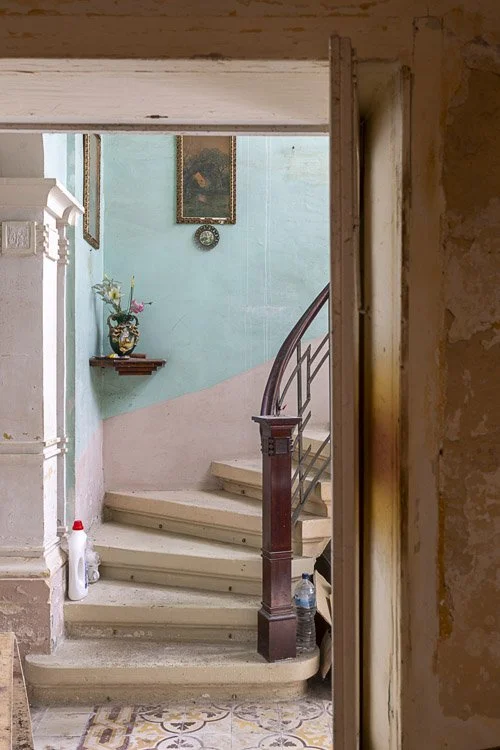
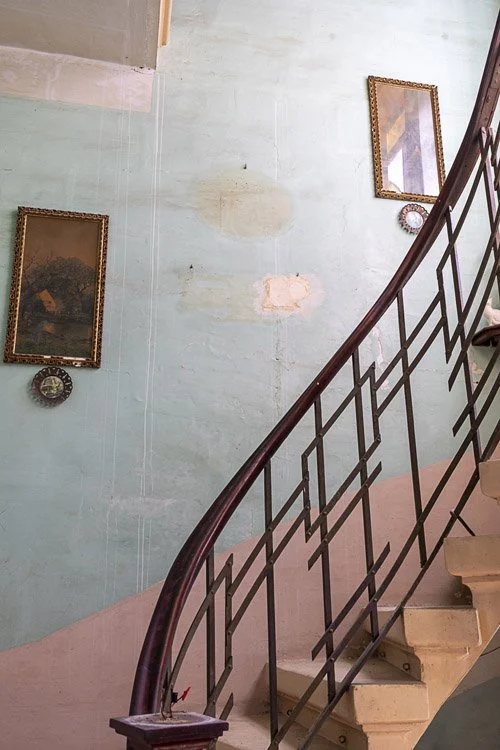
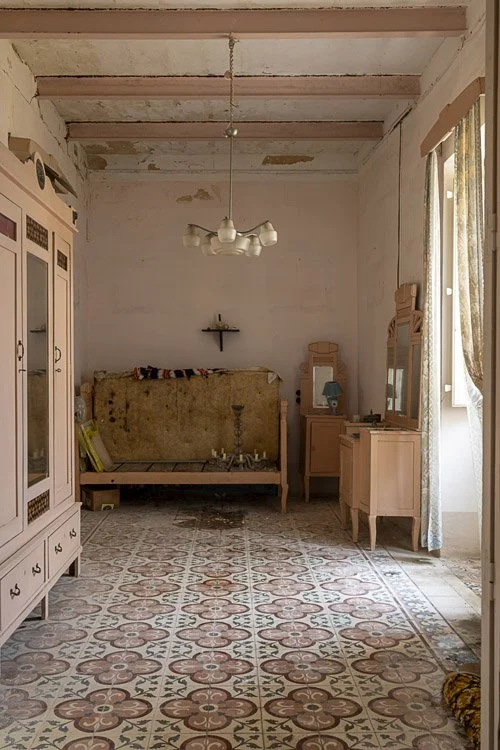
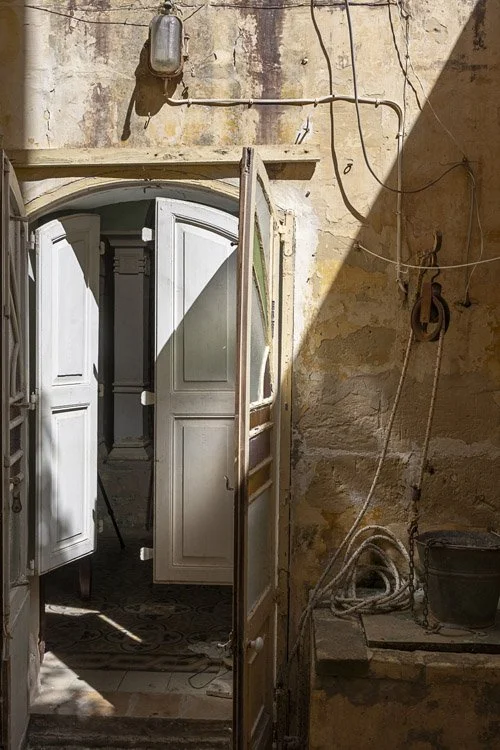
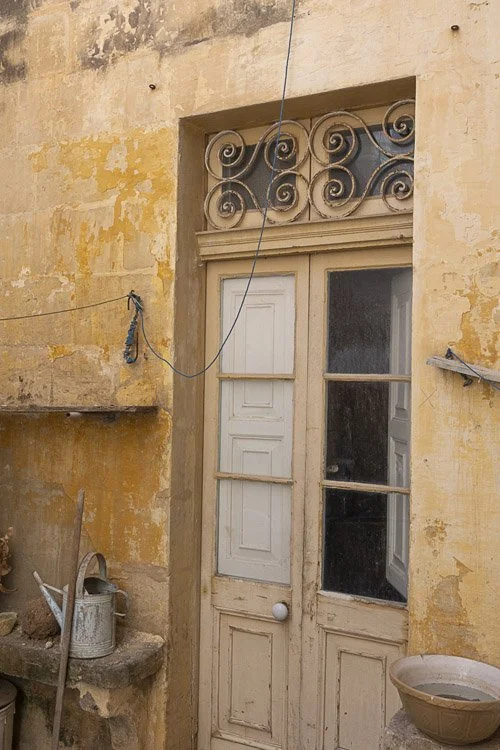
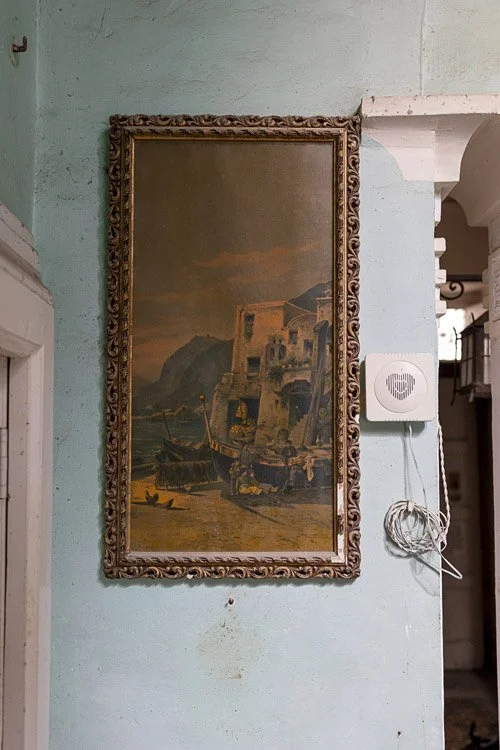
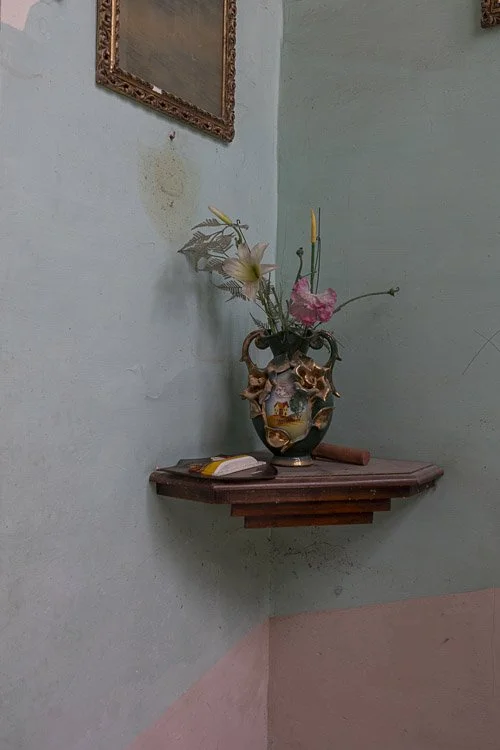
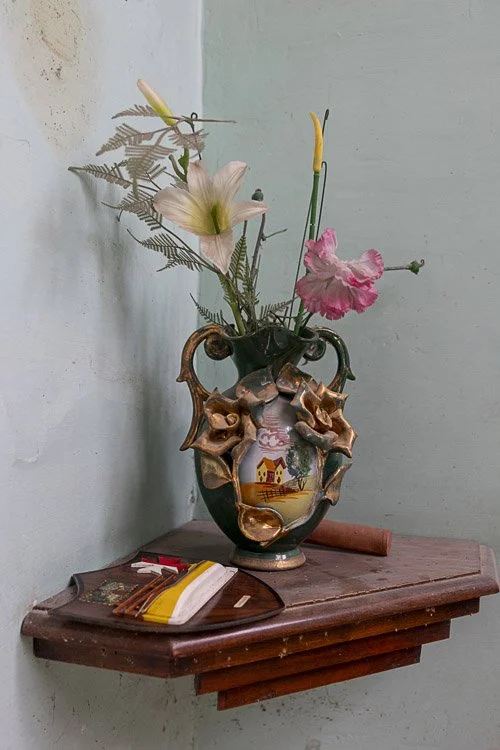
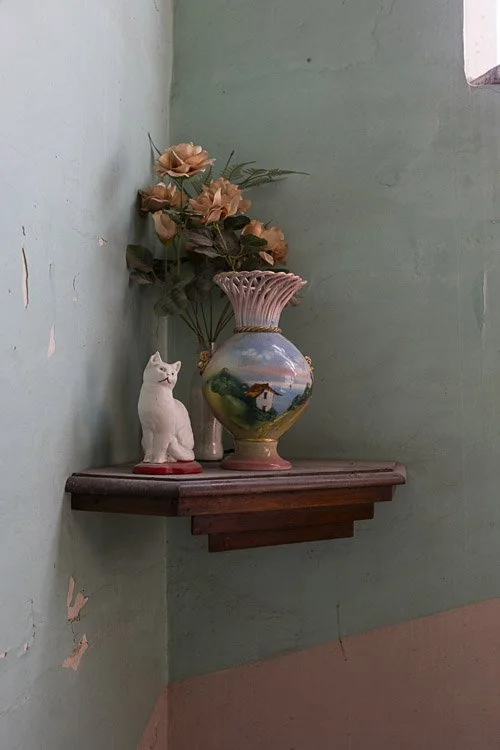
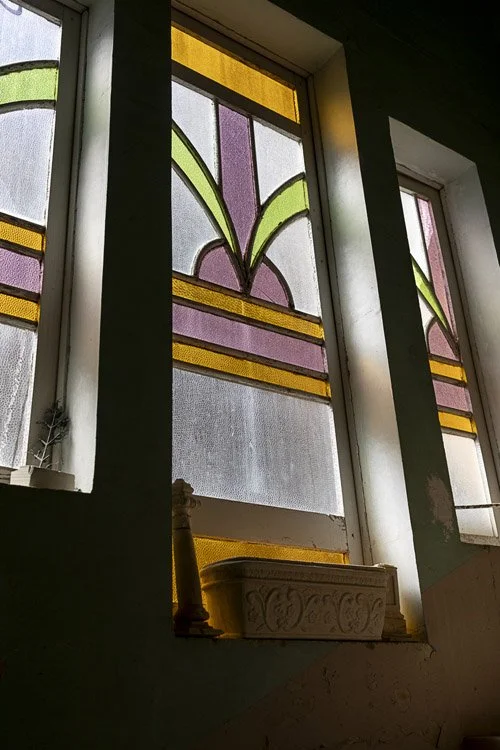
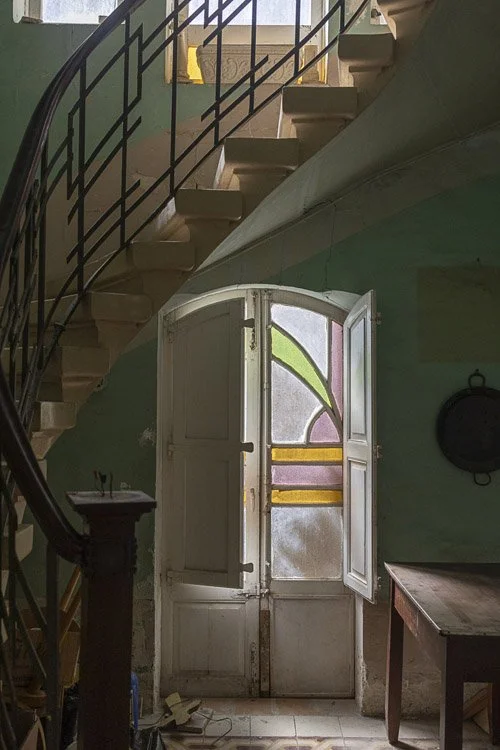
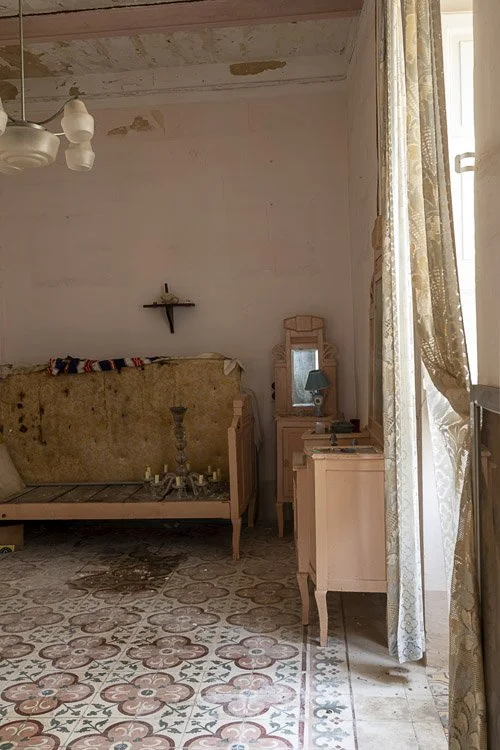
This work documents a domestic interior at the moment of transition—following its sale, yet prior to intervention by its new owners. The house remains intact but uninhabited, holding traces of previous occupation without current use.
Surfaces carry evidence of former presence: worn tiles, fading colour, and material details that articulate the space without requiring narration. These elements do not function as memory in a sentimental sense, but as residual markers embedded within the architecture.
The space exists in suspension. It is no longer actively lived in, yet has not been altered or redefined. This condition produces a quiet tension, where the structure remains complete, but its function is temporarily absent.
This work engages with that interval, where a domestic environment is neither occupied nor transformed, but held in a state of pause before its next configuration.